




New York State Motor Truck Association Said Proposed State Rule Will Waste Fuel, Add to Inflation
ALBANY, NY – Excessive state taxation and regulation are increasing the cost of everything that trucks transport.
ALBANY, NY – Excessive state taxation and regulation are increasing the cost of everything that trucks transport, according to www.businesswire.com. The latest proposed rule from government regulators will waste fuel and add to the cost of all consumer goods, according to some in the industry. Governor Paterson last month issued draft regulations that would divert truck traffic throughout the state to significantly longer routes, according to www.businesswire.com.
Today, a truck delivering materials from Syracuse to Corning Glass in Corning travels 200 miles to make one round trip. If enacted, the draft regulation would require the same truck to travel 292 miles. Assuming one truck can make two round trips a day, five days per week, the increased mileage would result in an additional cost of $127,254 per year. About $50,000 of this increase can be attributed to fuel usage, the report said.
In New York State, trucks transport nearly 90 percent of manufactured freight and more than 91 percent of area communities rely exclusively on trucks to deliver their goods.
More Fuel
Fillip Fleet Expands Into U.S. Market With Digital Fuel Card Platform
Fillip Fleet expands into the U.S., bringing digital fuel cards, fleet expense controls, and contactless payments to fleets across North America.
Read More →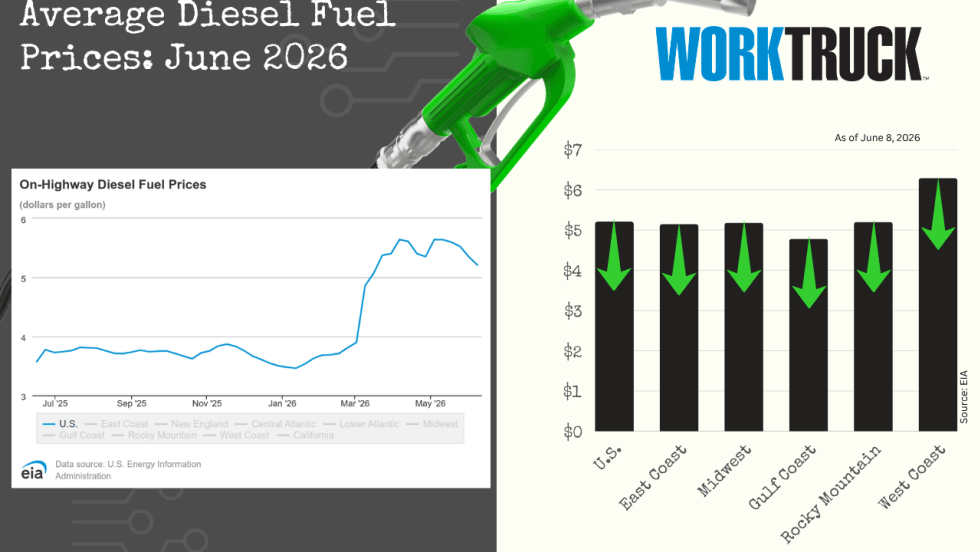
June Diesel Trends Update
The national average price of a gallon of diesel decreased by 14 cents this week, and all five regions reported lower prices, ranging from just under 9 cents to 21 cents cheaper than a week ago.
Read More →
3 Benefits of Hydrogen as a Fuel
Hydrogen fuel offers zero harmful emissions, incredible energy density, and flexible production pathways. In this video, we learn from a hydrogen industry insider about the three biggest benefits of hydrogen as a fuel to power commercial vehicles.
Read More →
Are You Tracking Your Fleet's True Total Cost of Ownership?
Bobit Business Media surveyed 190 fleet professionals and found that while most fleets are tracking costs, fragmented systems and data gaps are keeping true TCO visibility out of reach. With rising pressure to control spend in an increasingly volatile environment, the gap between what fleets think they know and what the data actually shows is wider than you might expect. See how your peers are managing costs today and where the industry still has room to improve.
Read More →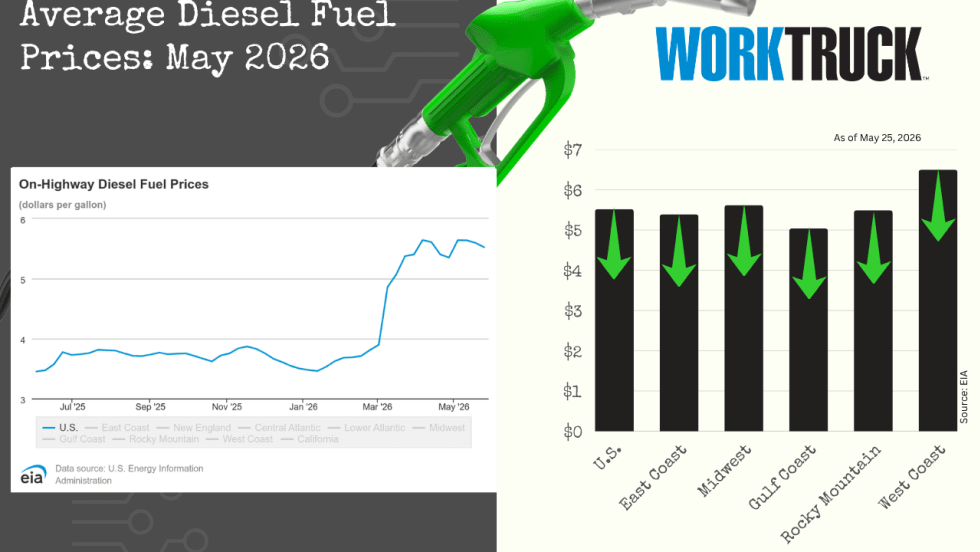
May Diesel Trends Update
The national average price of a gallon of diesel decreased by more than 7 cents this week, and all five regions reported lower prices, ranging from just over 2 cents to more than 12 cents cheaper than a week ago.
Read More →
How Hydrogen Fuel Is Produced for Fuel Cell Trucks
How is hydrogen produced for fuel cell trucks? Let’s learn more about that as Pajarito Powder CEO Christian Mohrdieck walks us through the process in this video.
Read More →
RoadFlex Launches Mobile App for Drivers and Fleet Managers
RoadFlex has launched its mobile app to give fleet teams a faster, easier way to manage fleet card activity, capture receipts, review transactions, and maintain spend visibility from the field.
Read More →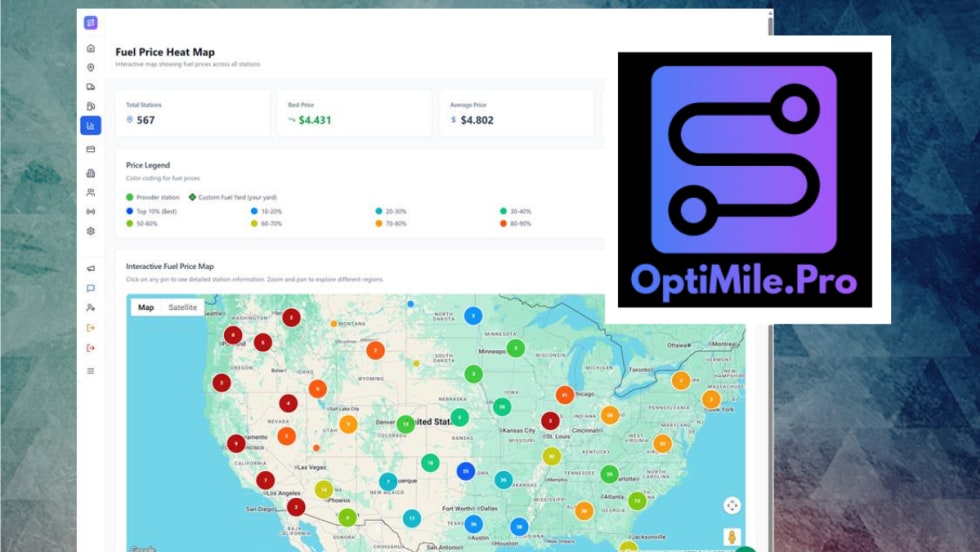
OptiMile Pro Launches Fuel Planning Platform to Cut Fleet Fuel Spend
OmtiMile Pro’s new software replaces the "fill up when empty" habit with a globally optimized fuel plan that picks the cheapest stop in the fleet's contracted network and the precise amount of fuel to load on every run.
Read More →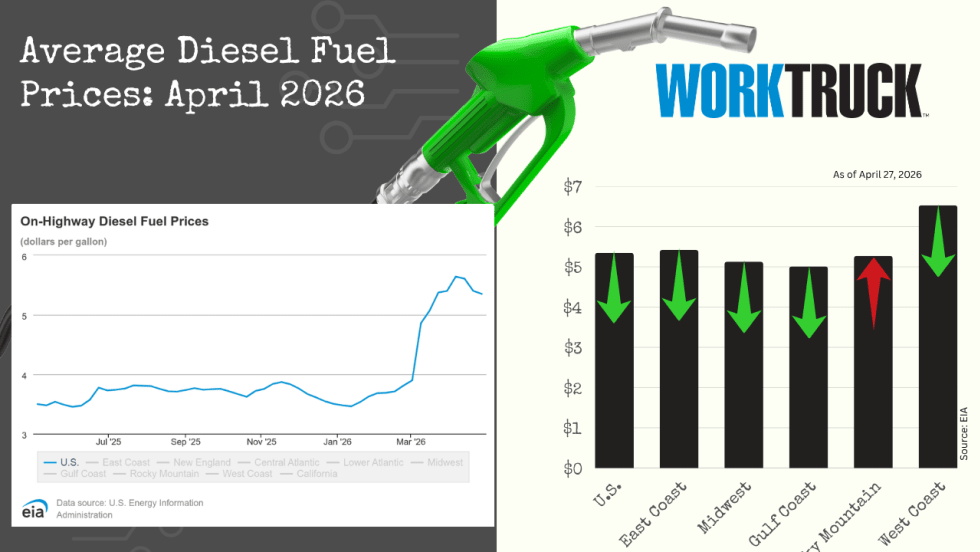
April Diesel Trends Update
The national average price of a gallon of diesel dropped by more than 5 cents this week, and all but one region reported price decreases.
Read More →
ChargePoint & South Coast Air Quality Management District Surpass 90 EV Charger Installations Across Southern California
ChargePoint has enabled more than 90 charging ports for the South Coast Air Quality Management District in Southern California. The project replaced outdated chargers with 55 new, Level 2 ChargePoint units capable of serving 94 vehicles simultaneously.
Read More →