



GPS Navigates PoolCorp in the Right Direction
By implementing GPS, PoolCorp can now manage its fleet more effectively, safely, and efficiently. The NetworkCar system has helped the fleet cut back on speeding, idling, accidents, and costs.

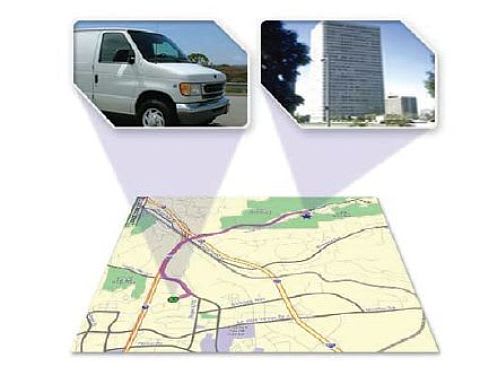
What initially drove PoolCorp to use a GPS system in its delivery vehicles was the desire to become more fuel-efficient and reduce maintenance costs. In doing so, the fleet has also reduced accidents, as well as the unsafe driving behavior that usually causes them.
More than 3,600 employees, 285 locations, and 70,000 wholesale customers worldwide make up PoolCorp, a worldwide wholesale distributor of swimming pool products and related equipment. The fleet management team, based in Covington, La., consists of Fleet Manager Margret Huval, Janet Howell, delivery truck fleet assistant, and Jodie Smith, assigned vehicle fleet assistant.
Huval has been fleet manager at PoolCorp for 31/2 years. She began her career with the company as a fleet assistant. Currently, her duties include servicing the fleet and company drivers throughout the U.S. and Canadian branches. She is responsible for budgeting, vehicle manufacturer negotiations, selecting appropriate vehicles for the selector, implementing cost savings initiatives and programs in conjunction with its fleet management company PHH Arval, providing requested information to company executives, and policies and procedures.
PoolCorp operates approximately 1,300 leased vehicles and forklifts. The fleet includes executive, sales, and administration units, mostly Dodge Ram 1500 Quad trucks and delivery vehicles. These vary from cargo vans and stake beds to flatbeds with Sellick Piggybacks and tractor trailers. While most sales and administration vehicles are kept in service for 32-36 months or 75,000 miles, delivery vehicles are usually replaced after 65 months or 225,000 miles.
Approximately 525 vehicles are assigned to branch managers, business development representatives, and regional sales personnel, with about 512 drivers operating delivery vehicles, Huval said.
"Our company provides driver training on multiple levels, depending on the type of driving the employee is required to do," said Huval.
The fleet management company provided training sessions to branch office managers and the fleet department staff to help monitor driver behavior and give appropriate feedback to drivers.
The GPS technology is only available in delivery vehicles, where personal use is not allowed. Vehicles operated by sales and corporate staff are not equipped with GPS.
[PAGEBREAK]
PoolCorp installed the first NetworkCar GPS devices in April 2005. With a fuel consumption of more than 3 million gallons annually, PoolCorp was continually looking for ways to increase fuel efficiency.
PoolCorp’s interests were in monitoring speed, vehicle location, engine diagnostics, idling, and improving efficiency and vehicle routing. Speeding and idling were already known to be gas-guzzling culprits, so GPS was tested out.
"We evaluated GPS companies based upon their financial strength, capabilities, and the cost of the solution. NetworkCar was a finalist," Huval said. "Ironically, our fleet management partner, PHH, was evaluating GPS partners at the same time. When we found out that PHH had selected NetworkCar, we felt confident in moving ahead with them," she added.
By integrating GPS and vehicle diagnostic data from the NetworkCar device with PHH accident, maintenance, and fuel data, the department knew it would provide several advantages.
"NetworkCar was the best fit for our needs, in terms of features, cost, and especially because of the potential integration with PHH’s systems," Huval said.
"Before we had the GPS device, we didn’t have a way to evaluate our performance in these areas. Having the diagnostic data on our trucks serves two important roles," Huval explained. PHH gets an early warning whenever the truck’s computer indicates a problem, so they call the truck operator with instructions to take the vehicle in for servicing. Because the warnings happen frequently, Huval said they can avoid major repairs. PHH’s maintenance technicians can also see the diagnostic data when the repair shop calls for authorization of repairs.
This way, "PHH can ‘keep the shop honest,’ knowing more about what’s actually wrong with the vehicle," Huval said.
In the vehicles equipped with the NetworkCar device, PoolCorp has seen a substantial improvement in both fuel consumption and maintenance costs. Fuel mpg improved 6.5 percent and maintenance expense dropped by 14.6 percent.
"We have been able to practically eliminate speeding, and we have a better understanding of how much our vehicles idle. We are working toward enforcing a policy there, which should further improve fuel consumption. We are also looking for additional ways to measure productivity and improve routing efficiency," Huval said.
The fleet department continuously monitors driving behavior and sends violations to the management team in a timely fashion.
"If drivers don’t get that feedback immediately, they begin to forget the device is installed," Huval said.
The fleet has seen a significant reduction in accident rates in the GPS-installed vehicles. Most accident/incidents reported in GPS-equipped vehicles are related to unsafe driving habits — "damaged while parked," "clearance," and "backing and parking" incidents.
According to Huval, vehicles with GPS reported 40-percent fewer accidents and 48-percent lower repair cost per incident. Seventy-five percent more accidents were recoverable, and there were no accidents involving injury.
"Because we’ve had fewer and less serious accidents, our overall accident-related expenses have been reduced," Huval said. Throughout the company, PoolCorp’s response to the early results produced with the GPS systems has been positive.
"The general and regional managers are really digging into the information now to hold their branches more accountable for their actions," Huval said. Dri- vers have also responded positively, she added.
Originally posted on Automotive Fleet
More Small Fleet

Why Fleet Managers Are Replacing Departmental Vehicles with Shared Motor Pools
Departmentally assigned vehicles often create hidden costs through underutilization, poor visibility, and increased administrative burden. This white paper explores how shared motor pool strategies help fleets reduce costs, improve accountability, and optimize vehicle utilization.
Read More →
Boosting Last-Mile Fleet Uptime, Safety, and Value with AI Vehicle Inspections
AI-powered inspections are transforming last-mile fleets by replacing manual checks with highly accurate automated scans that detect defects in seconds. By giving fleet operations visibility into the daily condition of their vehicles, you can identify trends over the vehicle’s lifecycle that enable improved procurement decisions, route management, driver training and accountability.
Read More →
Five Ways Seat Belts Help Prevent Injuries
There are five ways seat belts protect occupants from injuries, according to the Tennessee Department of Safety and Homeland Security.
Read More →
It’s here: The 2026 Fleet Technology Trends Report
What does AI mean for fleets? Get the answer — and learn other top tech trends.
Read More →
Small Fleets, Big Impact: How Independent Drivers Power Wreaths Across America
Check out how small fleets and independent drivers power Wreaths Across America each December and why their impact matters more than ever.
Read More →
VMS Survey Finds 65% of Small Fleet Managers Run Operations Alone
A new VMS survey shows small fleet managers are stretched thin, with most handling operations solo and eager to adopt digital tools for relief.
Read More →
Tips for Driving Safely on Halloween Night
This video features a reminder from the Connecticut Department of Transportation (DOT) and the Connecticut Police Chiefs Association, urging drivers to prioritize safety this Halloween.
Read More →
AI, Access, and Uptime: VMS’s Next Chapter with David Prusinski
VMS’s new Co-CEO, David Prusinski, shares how an AI-first approach will give small fleets and repair shops the tools to compete like big players.
Read More →
Fleet Managers Share Winter Prep Tips: It's Never Too Early!
Three fleets share best practices to prep vehicles for winter and prevent downtime when the cold sets in.
Read More →
Hot Weather Driving Tips for Fleet Drivers
As we head into another potentially extreme summer season, the risks for fleet drivers remain high, from engine strain and tire blowouts to unpredictable traffic patterns. An expert shares advice on how fleet drivers can boost their safety during the steamy summer months.
Read More →