





Tips for Fleets: Where's My Truck Body?
6 Pros & Cons: Aluminum vs. FRP Van Bodies
Each material offers benefits and drawbacks. Aluminum may be less expensive, but fiberglass reinforced plywood (FRP) is sturdier. Evaluate your truck application to determine which factors matter most.
November 1, 2008
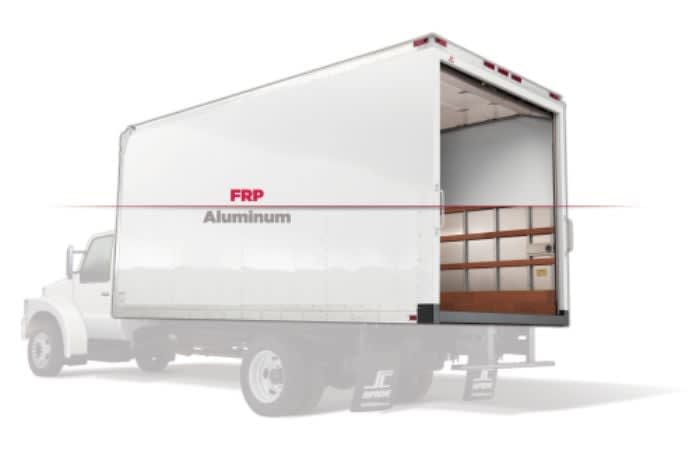
From appearance to space, there is a lot to consider beyond just the cost of the materials in your truck body.
Photo: Supreme Corp.
3 min to read
Which sidewall material is best for your van body trucks — aluminum or fiberglass reinforced plywood (FRP)? Work Truck connected with Supreme Corp. to get some more details.
First - what is FRP? A composite material made of a polymer matrix reinforced with fibers, FRP fibers are typically glass, carbon, aramid, or basalt.
Here are six points of comparison to help weigh the pros and cons between truck bodies:
1. Know the Initial Body Costs
The price difference ranges from $400-$1,200 or more depending on body size and manufacturer with the advantage going to aluminum. Additionally, aluminum is more economical for nonwhite exterior colors because aluminum sheets are available in a variety of standard pre-painted colors. FRP comes standard only in white, requiring extra cost for either a colored gel coat or paint to create color panels.
One trend to watch, however, is the rise in material costs.
"In recent years, the escalating cost of aluminum has significantly narrowed the gap in the cost of FRP versus aluminum bodies, resulting in FRP now being only a slight premium to aluminum," says Bob Besse, director of marketing and product planning for Supreme Corp., a nationwide manufacturer of aluminum and FRP van and cutaway bodies.
2. What are the Body Weight Differences?
Aluminum is approximately 8%-10% lighter than FRP. Take, for example, a base 14-foot van body (84 inches high; 96 inches wide) built by Supreme Corp. The aluminum body weighs 2,150 lbs., the FRP 2,328 lbs. In this case, the aluminum body offers just 200 lbs. less additional payload capacity than the FRP. Consult your body manufacturer for precise weight figures for the body size and options you’re considering.
3. How Will the Material Impact Vehicle Appearance?
The advantage to overall appearance goes to FRP, which offers a seamless, clean, bright and smooth surface for eye-catching graphics and lettering.
With aluminum, you must work around seams and rivets, which may diminish appearance.
4. What Body Type is More Durable?
"FRP is composed of four layers — a plywood core, woven fiberglass roving, white pigment resin, and gel coat — that are formed together under intense heat and pressure," Besse explains. "This makes FRP a sturdier and more durable wall construction than aluminum, holding up best against interior cargo and road damage, dings, dents, and scratches from low-hanging tree limbs."
The downside, however, is that a break in the integrity of the FRP coating can allow moisture to seep into the wood core, causing warping and further damage unless repaired quickly.
5. What are the Repairability Concerns with Each Body Type?
If the truck sustains significant sidewall damage to the cargo box in a crash, aluminum is usually less expensive to repair. Only the damaged sidewall panels and posts must be replaced. In the same situation with FRP, the entire sidewall is generally replaced.
For minor damage, such as dents, tears, and scratches, FRP is usually less expensive to repair than aluminum.
Aluminum requires replacing the sidewall panel, while damage can be patched and sealed directly with FRP.
6. Do Body Materials Impact Interior Space?
FRP offers approximately three inches greater interior space than a comparable aluminum body, which requires side posts and interior lining.
Another factor to consider is interior visibility.
"FRP provides a bright white interior in the van body, especially when coupled with a translucent roof," says Besse. "This makes working inside the van body much easier."
Subscribe to Our Newsletter
More Upfitting
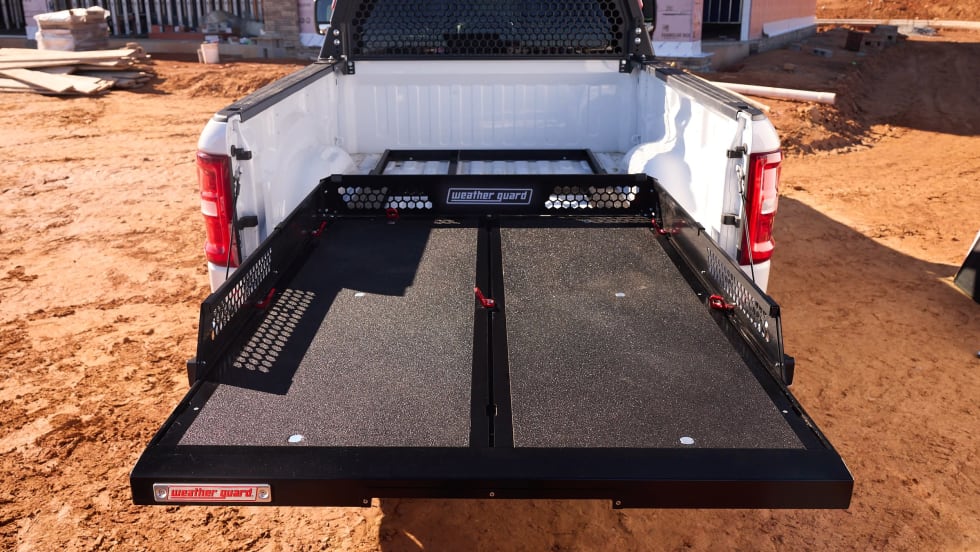
Weather Guard Launches Heavy-Duty Sliding Truck Bed System
Weather Guard’s new Sliding Bed System gives crews full tailgate access to tools and materials while reducing climbing, overreaching, and repetitive strain and is now available.
Read More →
DECKED Wants Fleet Dads to Take a Break This Father’s Day
DECKED’s Father’s Day campaign offers 100 hardworking dads a paid day off to unplug, recharge, and spend time where it matters most.
Read More →
What Fleet Managers Should Expect From Adrian’s Next Era
After 30 years at Adrian, CEO Marc Jackson shares how operational discipline, consistency, and trust are shaping the company’s next chapter.
Read More →

Buyers Products Showcases New SaltDogg Innovations
Winter maintenance fleets continue demanding equipment that is easier to maintain, more reliable, and simpler to install. In this walkaround video, Scott Moorman from Buyers Products Company highlights several new SaltDogg spreader innovations.
Read More →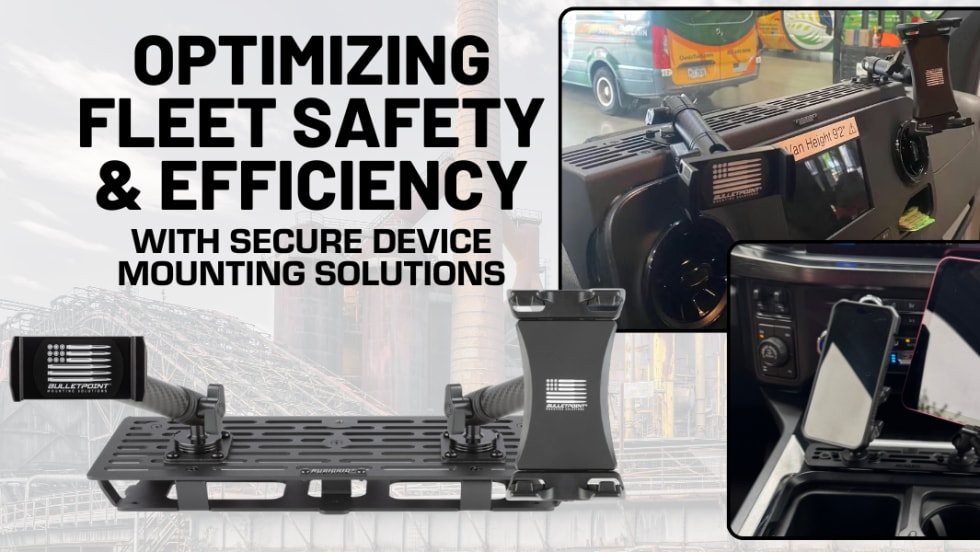
Sponsored•May 26, 2026
Optimizing Fleet Safety with Secure Device Integration
Unsecured devices are a hidden liability. Learn how precision-engineered mounting solutions enhance driver safety, streamline workflows and protect your technology.
Read More →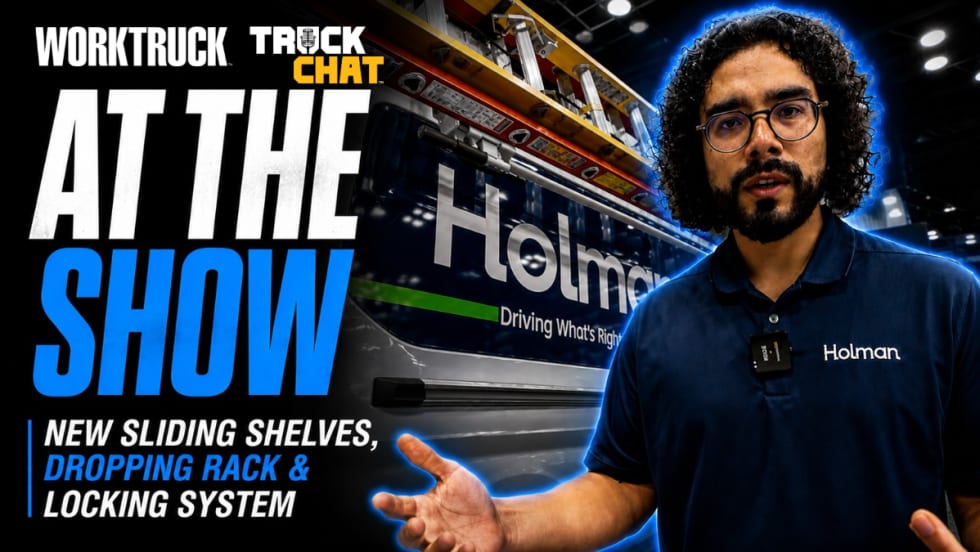
Holman Showcases New Van Upfit Innovations Built for Technician Efficiency
Holman showcased new van upfit solutions focused on technician efficiency, security, storage, and accessibility for commercial fleets and service vans.
Read More →
VMAC Supports BC Forest Discovery Centre with G90 Air Compressor to Advance Railway Restoration
The BC Forest Discovery Center is working on an extensive railway tie replacement project across the property. Crews are making the job easier with VMAC’s new G90 Gas Driven Air Compressor with FlexDrive AirFlow Management System (AMS).
Read More →
TigerTough New Floor Liners are Tough Enough for Real Fleets
TigerTough expands beyond seat covers with new work truck floor liners designed for durability, precision fit, and heavy fleet use.
Read More →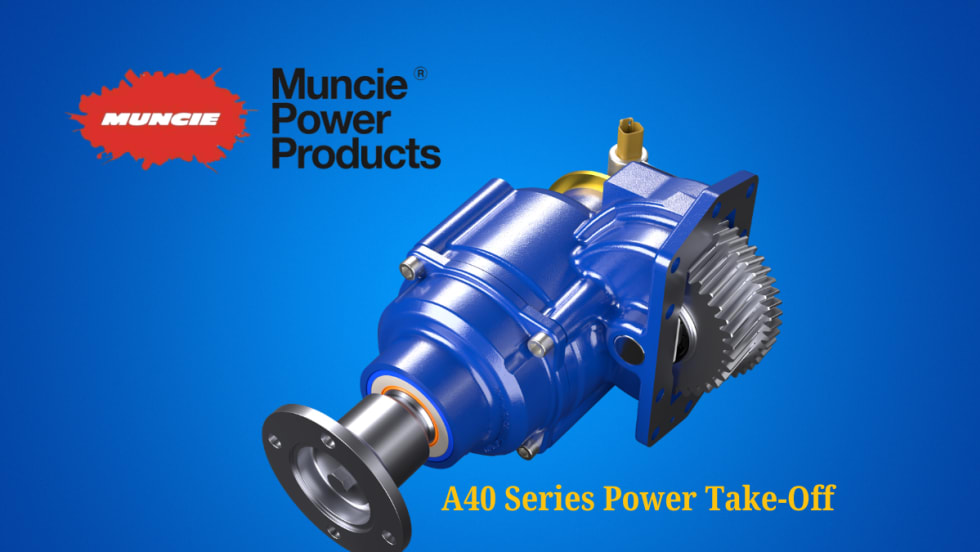
Muncie Power Products Launches Heavy-Duty A40 Series Power Take-Offs for Allison 3000/4000 Series Transmissions
Muncie Power Products has released its A40 Series power take-off, which features a small envelope, making it ideal for applications with space limitations.
Read More →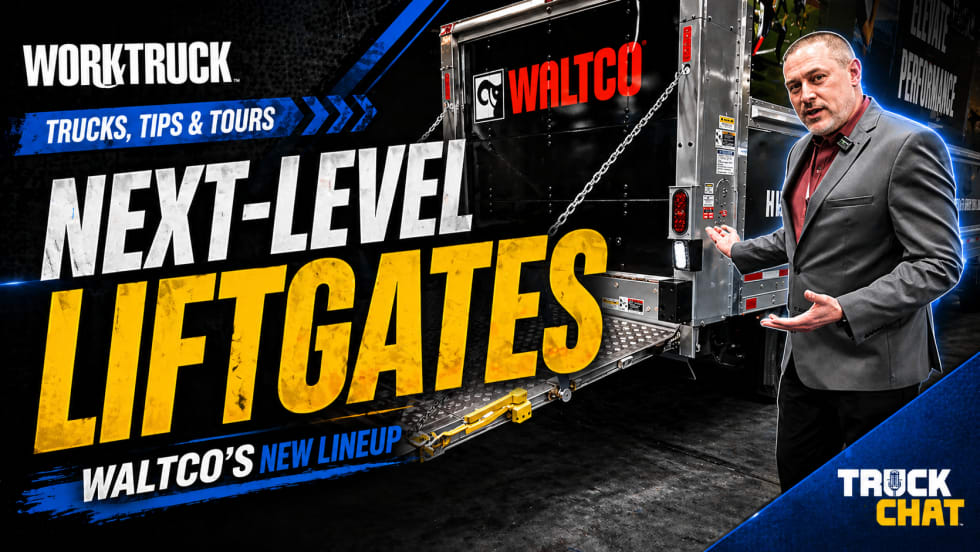
Exploring WALTCO’s New Liftgates
WALTCO launched its new MDV-40 liftgate and the DD Series, which can lift a technician up to 120 inches. In this video, Work Truck takes you on a full tour of the new liftgates to learn about their functions and benefits.
Read More →