
 MENU
MENU SEARCHMENUSEARCH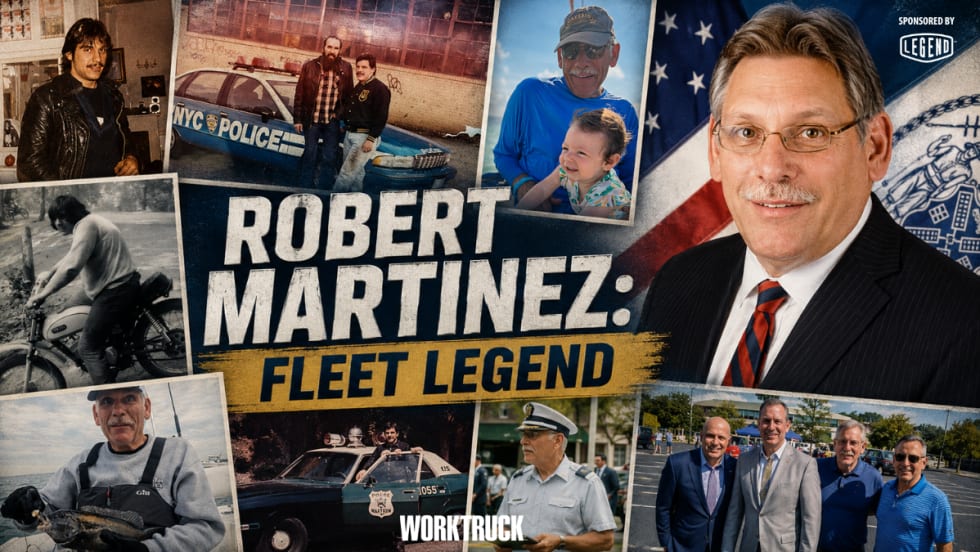
From index cards to predictive maintenance, Robert Martinez shares the hard-earned leadership lessons that shaped nearly 40 years in fleet.
Read More →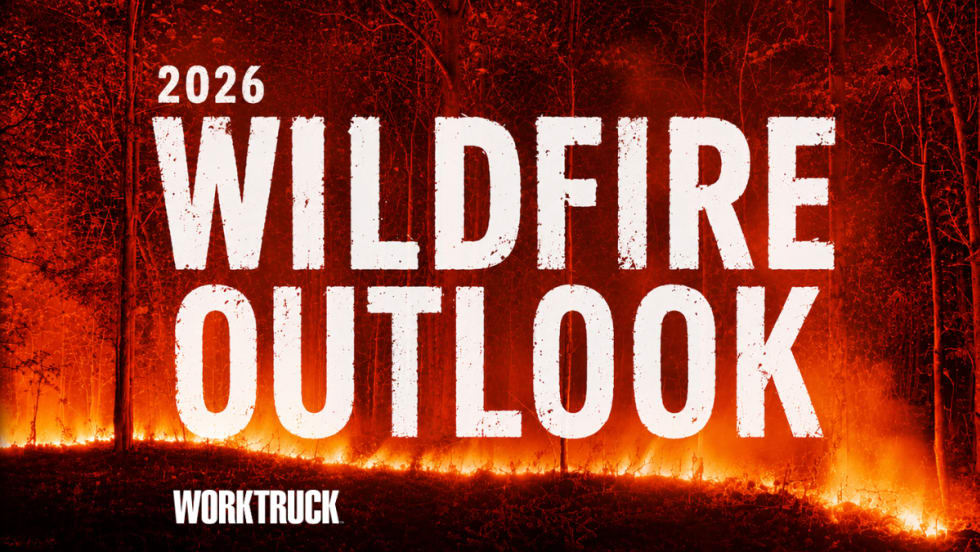
This year’s wildfire season will likely be more intense than in 2025. The 2026 wildfire forecast from AccuWeather is for fewer fires, but even more acreage will be impacted this year.
Read More →
Bad data on your carrier record can cost you. Here’s how DataQs helps fleets challenge errors before they hit CSA scores, insurance, and your bottom line.
Read More →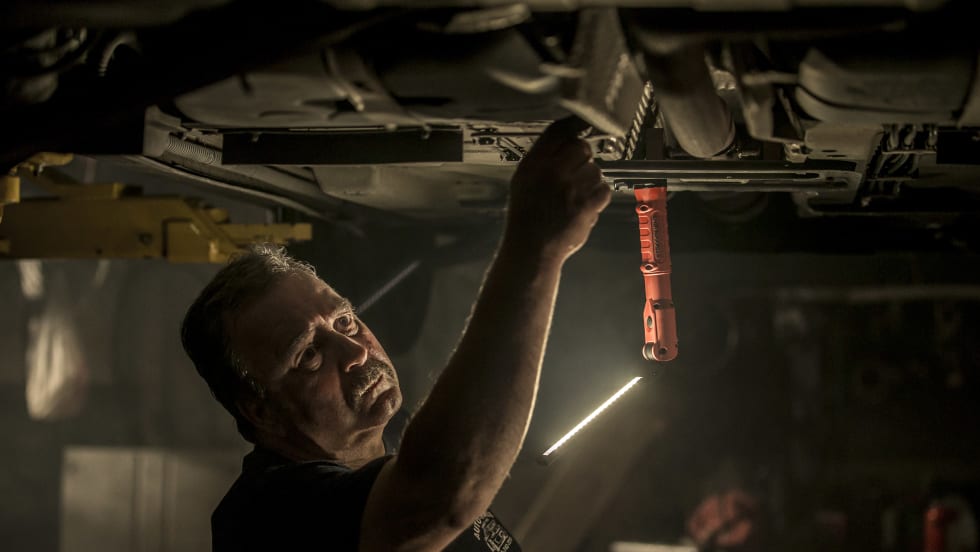
Technicians tackle varied tasks every day, but as problem-solvers, they need good illumination during inspections, repairs, and maintenance. So, what makes a good technician inspection light?
Read More →
The skilled trades are short millions of workers, but the upside is big: strong pay, job security, and careers AI can’t replace
Read More →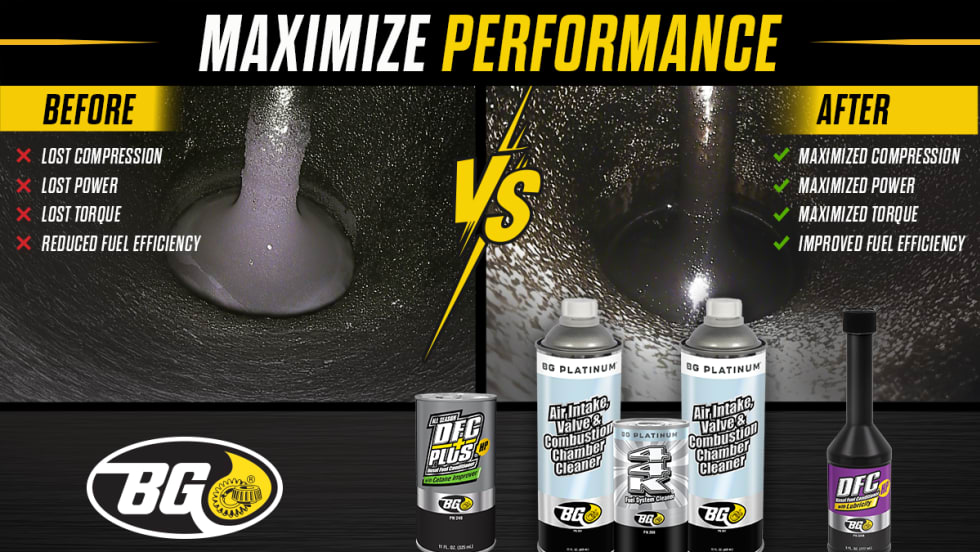
BG Products' offerings and business philosophy strongly align with how fleet managers focus on their business: Increasing uptime. Reducing maintenance expenses. Strengthening resale values. Learn how BG’s product lineup can help achieve those key goals.
Read More →
What can a 40-year fleet career teach you today Learn practical lessons on leadership, drivers, and decision-making from Carl Nelson’s experience
Read More →
Fleet manager salaries are rising as roles expand. See 2026 trends in pay, experience, fleet size, and regional differences across U.S. operations.
Read More →
What makes a truck reliable for fleets? From uptime to maintenance and spec’ing, here’s what really drives performance, and where fleets can weigh in.
Read More →
When the storm ends, cargo theft risk can spike. Here’s why the restart phase is the danger zone and what fleets can do to stay ahead.
Read More →