



Alliant Switches Fleet Vehicles to Biofuels
Fleet operations at Madison, Wis.-based Alliant Energy Corp. uses biofuels to contribute to the company’s larger overall goal of using renewable energy sources as much as possible.
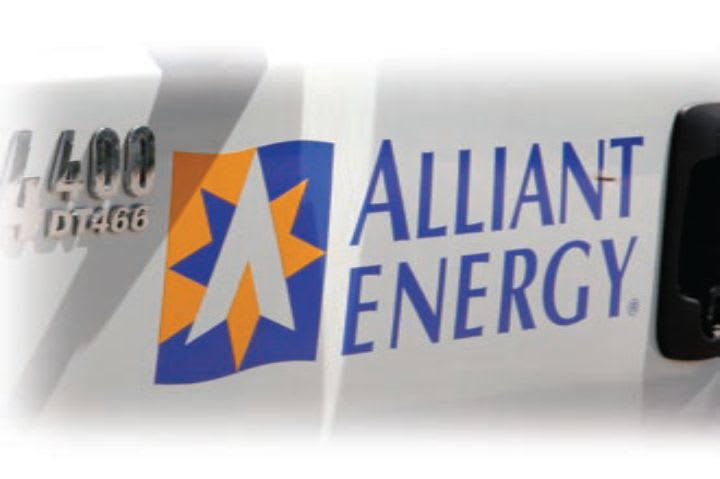
Alliant Energy switches to biofuels in its fleet.
Photo: Alliant Energy
With a fleet of approximately 800 vehicles, utility fleet company Alliant Energy Corp. headquartered in Madison, Wis., is using renewable fuel to serve its approximately 1 million electric and 400,000 natural gas customers in the Midwest.
Biodiesel Use Benefits Alliance
Some of the fleet’s larger service trucks have been using biodiesel. The company launched an alternative fuel pilot in late 2006. Since then, Alliant has expanded its use of biodiesel.
Last September, the company began using a 10,000-gallon tank at its site in Cedar Rapids, Iowa, to fuel approximately 80 utility trucks with biodiesel, and another 10,000-gallon tank at a facility in Ames, Iowa, to fuel another 46 utility trucks with the biodiesel, said Frank Galle, Alliant’s senior manager, customer service. The fuel is B-5, a blend of 5-percent biodiesel — in this case soybean-based — and 95% conventional diesel.
The vehicles using the blended fuel are International straight trucks, including trenchers, digger derricks, tractors, and bucket trucks. Though they are routinely fueled with B-5, there are exceptions when conditions do not permit the vehicles to return to their base and they are refueled elsewhere with conventional diesel. When field crews repair damage caused by storms, for example, "They’re not going to drive back in to fuel up," Galle said, since the work they’re typically doing — restoring power to commercial and residential customers — is urgent.
Alliant’s fleet maintenance department weathered its first winter using biodiesel on a larger scale. Other than a slight incident of fuel gelling, Galle said biodiesel use had no repercussions on operations or vehicle maintenance. The gelling was addressed by applying anti-gelling additives to the fuel, he added.
Alternative Fuels are Clean & Green
Alliant alternative-fuel initiatives also extend to smaller, gasoline-powered fleet vehicles, such as those used for meter reading. For example, the company said four new flex-fuel vehicles are used in Cedar Rapids, Albert Lea, Minn., and Beloit and Ripon, Wis. They are fueled with E-85, a blend of 85% ethanol and 15% gasoline, which burns cleaner than gasoline and is renewable and environmentally friendly, Alliant said.
Of the use of E-85 and biodiesel, Alliant’s vice president of energy delivery customer service, Barbara Siehr, said, "We do all we can to have a cleaner environment while supporting agriculture and industries that are fueling the growth of renewable energy sources."
"Using these alternative-based fuels builds on our commitment of deploying new technologies," Siehr added.
The renewable-fuel initiatives are part of the company’s larger overall aim to use renewable energy where possible. For example, in 2001, Alliant introduced a program called "Second Nature," designed to purchase renewable energy from wind, solar, and landfill sources. The company said that more than 42 million kilowatt-hours of renewable energy were purchased in 2006 on behalf of customers participating in the program.
More Utility Fleet
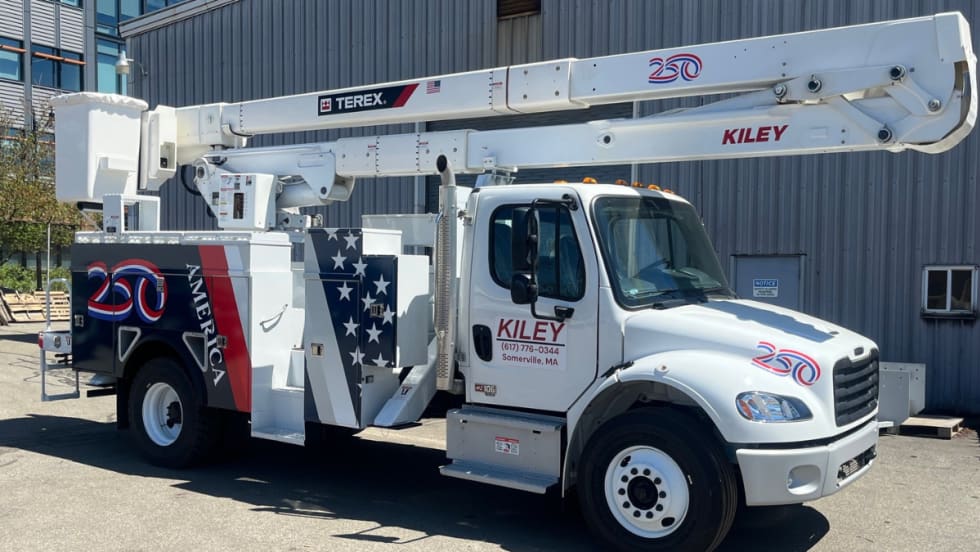
Terex Utilities & Kiley Unveil Custom America 250 Bucket Trucks at EUFMC 2026
Terex Utilities showcased a patriotic spirit in its booth this week during the Electric Utility Fleet Managers Conference in Williamsburg, Virginia, by debuting two custom-wrapped bucket trucks celebrating America’s upcoming 250th anniversary.
Read More →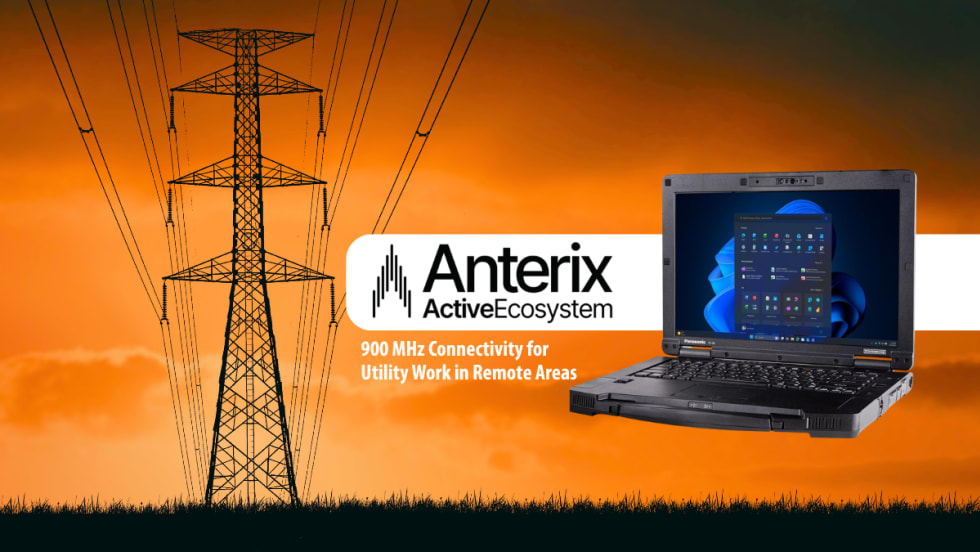
Panasonic Connect & Anterix Strengthen Connectivity Options for Utilities and Field Workers
The Panasonic Connect Toughbook 56 is the first Toughbook to earn the AnterixActive badge, which means it can connect to and operate on Anterix’s 900 MHz network even in the most remote locations.
Read More →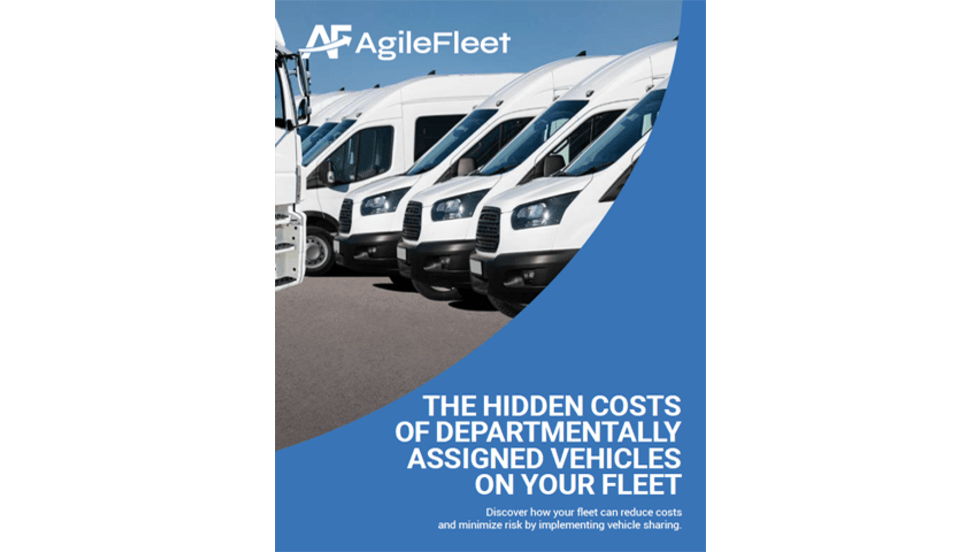
Why Fleet Managers Are Replacing Departmental Vehicles with Shared Motor Pools
Departmentally assigned vehicles often create hidden costs through underutilization, poor visibility, and increased administrative burden. This white paper explores how shared motor pool strategies help fleets reduce costs, improve accountability, and optimize vehicle utilization.
Read More →
Streamlight Launches Portable Scene Light III & LiteBox 1Million
Streamlight has launched its Portable Scene Light III (PSL III), which delivers up to 10,000 lumens, and the LiteBox 1Million, a long-range search light that delivers one million candela.
Read More →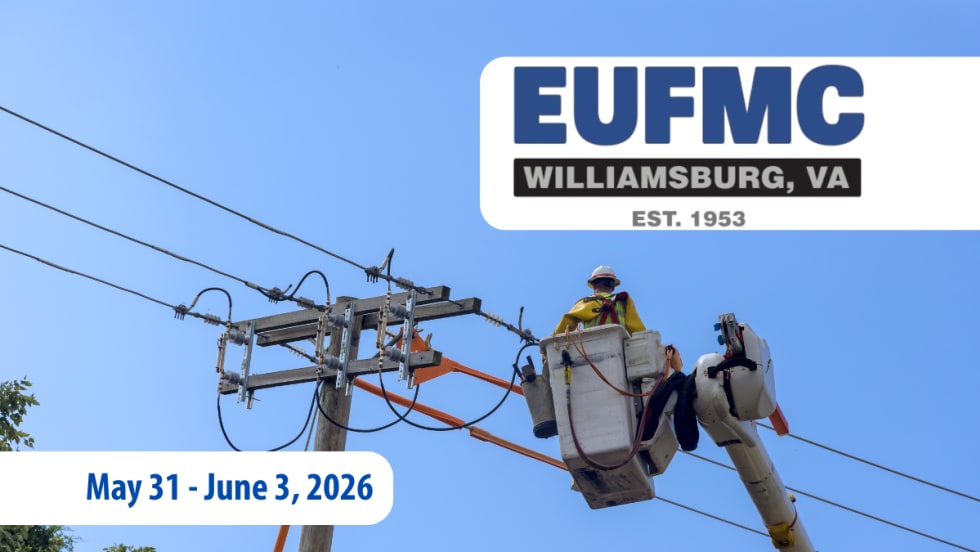
EUFMC 2026 Matches Fleet Registration Record
EUFMC 2026 registration has surpassed last year’s fleet registration record, and the event will deliver a variety of topics during its educational program, Driving Safety, Sustainability & Technical Expertise.
Read More →
What to Expect from PALFINGER in 2026
Work Truck visited with Ismael Daneluz, vice president of sales and service for PALFINGER North America, to discuss where the company is headed in 2026. In this video, he discusses new products and a strategic growth outlook.
Read More →
Boosting Last-Mile Fleet Uptime, Safety, and Value with AI Vehicle Inspections
AI-powered inspections are transforming last-mile fleets by replacing manual checks with highly accurate automated scans that detect defects in seconds. By giving fleet operations visibility into the daily condition of their vehicles, you can identify trends over the vehicle’s lifecycle that enable improved procurement decisions, route management, driver training and accountability.
Read More →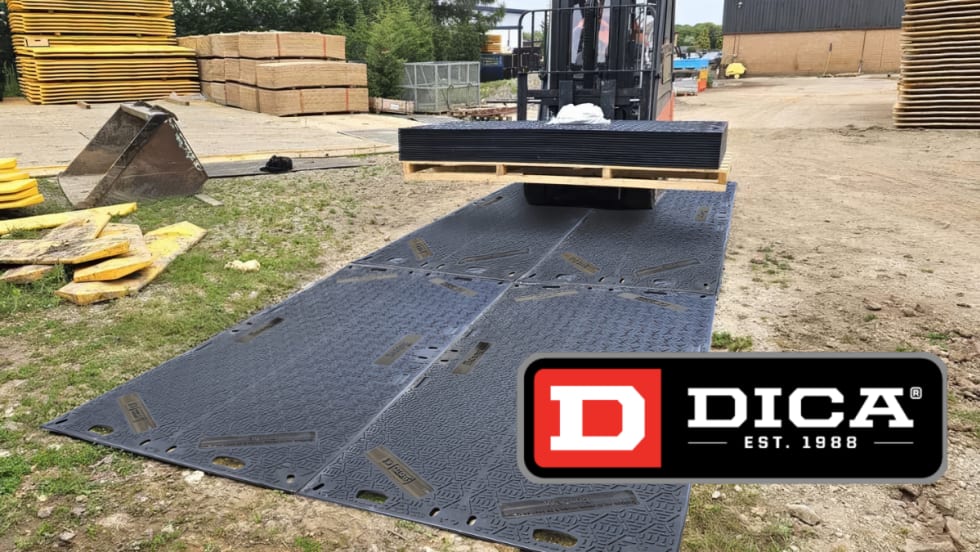
DICA Launches Complete Engineered Ground Protection Line
DICA’s new Ranger HD, Defender MD, and Titan mat systems deliver scalable, high-performance ground protection solutions. All are being exhibited this week at CONEXPO 2026.
Read More →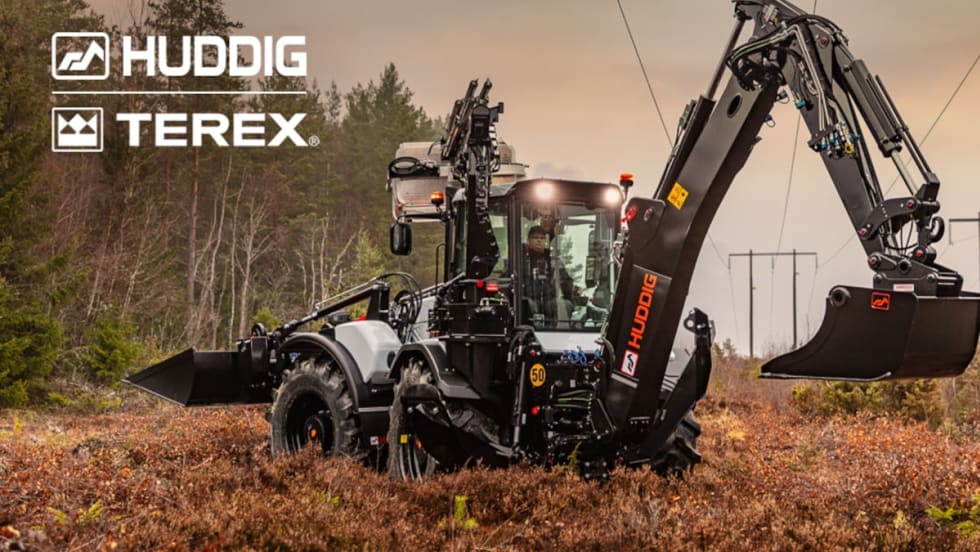
Terex Services & Huddig Enter a Distribution Agreement for Sales and Service
Through a new partnership, Huddig customers in the United States will gain access to an expanded sales, service and aftermarket infrastructure, leveraging Terex Services’ branch locations.
Read More →
Hybrids: Electrification Without the Challenges
For fleet managers, fuel is one of the biggest line items in the budget — and it's one hybrids can shrink without changing how your people work. Download the eBook to see the numbers, understand the technology, and get a step-by-step guide to making the switch.
Read More →