



What does GVWR mean?
A truck’s GVWR is the maximum weight rating established by the chassis manufacturer. Note, this is not the same as GVW, which is the total weight of the truck and payload at a point in time.
 MENU
MENU SEARCH
Sometimes, it is not in a fleet’s best interests to have a vehicle at a given GVWR. Changing the GVWR to a special value can be done, but the process is complicated.
If the GVW is rated below 26,000 lbs., the driver does not need a commercial driver’s license.
Photo: Work Truck
*Summarized by AI
Ordering a truck is usually straightforward: you identify the necessary capabilities and specify the truck accordingly. However, sometimes external constraints complicate the process, requiring special orders for specially customized trucks.
Manufacturers have specialized departments to handle these unique orders. For example, Ford Pro's Vehicle Special Order (VSO) department manages such requests.
Rerating a vehicle's Gross Vehicle Weight Rating (GVWR) or Gross Axle Weight Rating (GAWR) can significantly impact a fleet's efficiency, safety, and regulatory compliance. It is often driven by the need for more payload capacity or to comply with different regulatory requirements.
Understanding the implications and procedures of rerating is essential for fleet managers and vehicle purchasers.
GVWR: This is the maximum total weight of a fully-loaded vehicle as specified by the manufacturer. It includes the vehicle's weight, passengers, cargo, and any additional equipment.
GAWR: This is the maximum weight that can be supported by each axle, including the weight of the vehicle, cargo, passengers, and additional equipment on the axle.
These ratings are critical for ensuring vehicles meet safety standards, durability requirements, and other applicable regulatory requirements for compliance.
Fleet vehicle purchasers often seek higher GVWRs to maximize cargo capacity. For example, up-rating is requested to ensure shuttle buses meet fewer federal requirements by exceeding certain GVW thresholds.
Truck and fleet vehicle purchasers want as much GVW per completed vehicle as possible and are willing to pay for the upgraded chassis components that will deliver it. Occasionally, purchasers want to up-rate a vehicle because, particularly in the case of multi-passenger vehicles such as shuttle buses, going to a higher GVW means that certain federal requirements no longer apply.
Rerating is mainly utilized for three main reasons:
Increased Payload Capacity: Rerating can legally allow a vehicle to carry a higher payload, improving the fleet's efficiency and productivity. This is particularly important for fleets operating in industries where maximizing cargo load per trip can significantly reduce operational costs.
Regulatory Compliance: Different regions and industries have varying regulatory requirements for vehicle weight limits. Rerating can help ensure compliance with local, state, and federal regulations, avoiding potential fines and legal issues.
Safety and Durability: Properly rated vehicles ensure that the axles are not overloaded, which can lead to mechanical failures, increased wear and tear, and safety hazards. Maintaining the correct ratings helps preserve the vehicle's longevity and ensures safe operation.
Adding Axles: Contrary to popular belief, adding axles does not automatically increase the GVWR. At the new weight, the vehicle must still meet all regulatory performance requirements.
Lowering GVWR: While it might seem simpler, lowering GVWR to avoid specific regulations can introduce new compliance challenges.
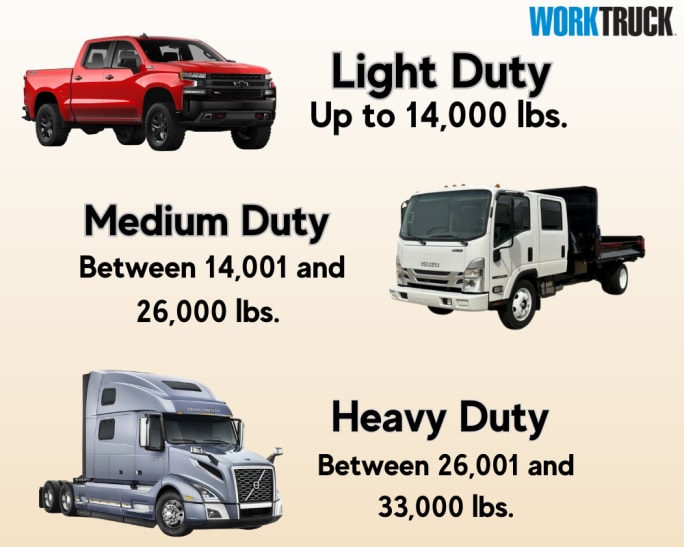
Work Trucks cross a wide variety of vehicle weight ranges.
Photo: Work Truck
Before rerating vehicle GVWR, it is crucial to consult the OEM for an engineering review. This review determines whether the vehicle can safely and legally accommodate the new ratings and involves a detailed analysis of the new vehicle part's design, components, and performance capabilities.
Advances in vehicle technology and materials have refined GVWR and GAWR assessments. Digital certification processes and real-time monitoring tools enhance the accuracy and reliability of these ratings.
For instance, telematics systems now play a crucial role in load management and compliance tracking, providing fleet managers real-time data on vehicle weights and distribution.
Recent updates to the Federal Motor Vehicle Safety Standards (FMVSS) have introduced new requirements for vehicle ratings.
Additionally, environmental regulations, particularly emissions standards, have a significant impact on GVWR and GAWR. Vehicles re-rated to lower GVWR may fall under different emissions categories, necessitating compliance with stricter environmental standards.
The rise of electric vehicles (EVs) presents new challenges and opportunities for rerating GVWR and GAWR. The batteries' weight and distribution within the vehicle must be carefully considered. Telematics and IoT technologies offer valuable tools for managing these complexities, providing real-time data on vehicle performance and compliance.
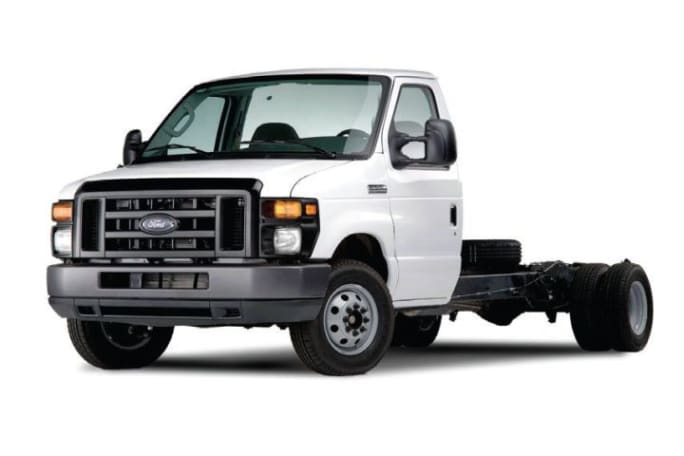
Cutaway vans are occasionally up-rated for upfit reasons.
Photo: Ford
The NTEA offers comprehensive guidelines and FAQs on rerating GVWR and GAWR. Adhering to OEM guidelines and seeking technical assistance is crucial in ensuring compliance and safety. Case studies of successful re-ratings provide valuable insights and best practices for fleet managers and vehicle manufacturers.
Why Derate a Vehicle? Down-rating motor vehicles is often driven by economic factors, such as avoiding the 12% federal excise tax on trucks rated over 33,000 lbs.
Vehicles under 26,000 lbs. GVW do not require a commercial driver’s license (CDL), making drivers easier to find and less expensive to retain.
Rerating involves more than just changing the label. OEMs and certified manufacturers are the only entities authorized to assign or modify these ratings. Any rating changes require a thorough engineering review and potential modifications to ensure safety and regulatory standards compliance.
Can a VIN be changed? The fourth position character in the VIN specifies the weight class of the truck. In particular, the Ford VSO recode process ensures the numbers on the VIN plate and paperwork match the vehicle.
Once a vehicle is completed and titled, its GVWR and GAWR are fixed. Modifications to used vehicles cannot change these ratings, and any labels applied to suggest otherwise are not recognized by regulatory authorities.
In a 2002 interpretation, the National Highway Traffic Safety Administration (NHTSA) stated, “The only parties who can assign or modify a vehicle’s GVWR are the original manufacturer, a final stage manufacturer, or an alterer.”
This underscores the importance of adhering to the original certifications and not attempting to unofficially re-rate used vehicles.
Rerating GVWR and GAWR is a complex process requiring careful consideration of regulatory requirements, vehicle capabilities, and technological advancements. Staying informed about current practices and legal guidelines ensures fleet managers and manufacturers maintain compliance and safety.
Want even more updates on work trucks delivered straight to your inbox? Sign up for Work Truck's eNewsletters today!
Editor's Note: This article was original published in 2008 and was lastupdated in May 2024 for continued relevancy.
GVWR stands for Gross Vehicle Weight Rating, which is the maximum permissible weight of a vehicle when fully loaded.
*Summarized by AI
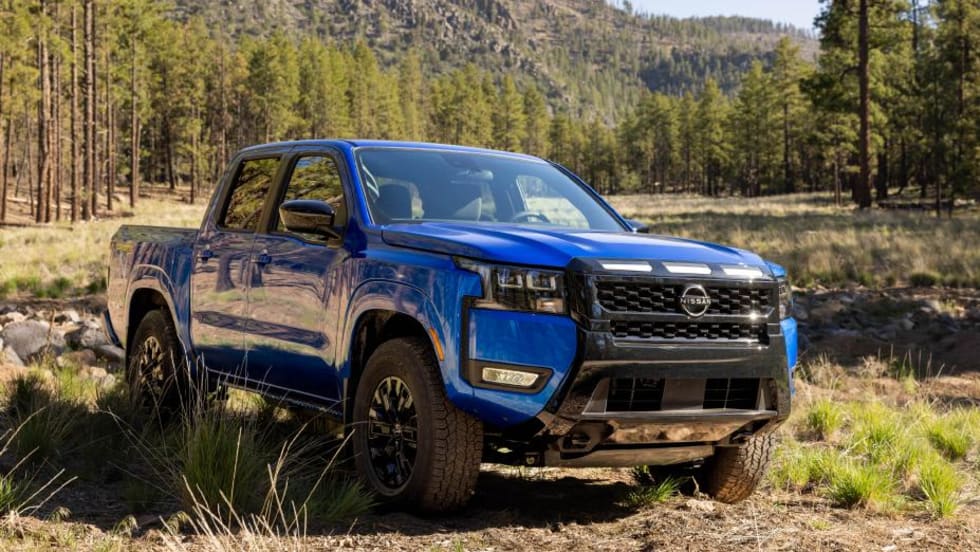
Nissan’s 2027 Frontier Sport Edition gives customers off-road features, including all-terrain tires, an aluminum skid plate, fog lamps, and front accent lighting. Like every Frontier, it comes standard with Nissan's 3.8-liter V6.
Read More →
The New York City Department of Sanitation, in collaboration with its nonprofit partner the Sanitation Foundation, unveiled five new hand-painted Mack LR refuse vehicles during New York City’s Trucks of Art program.
Read More →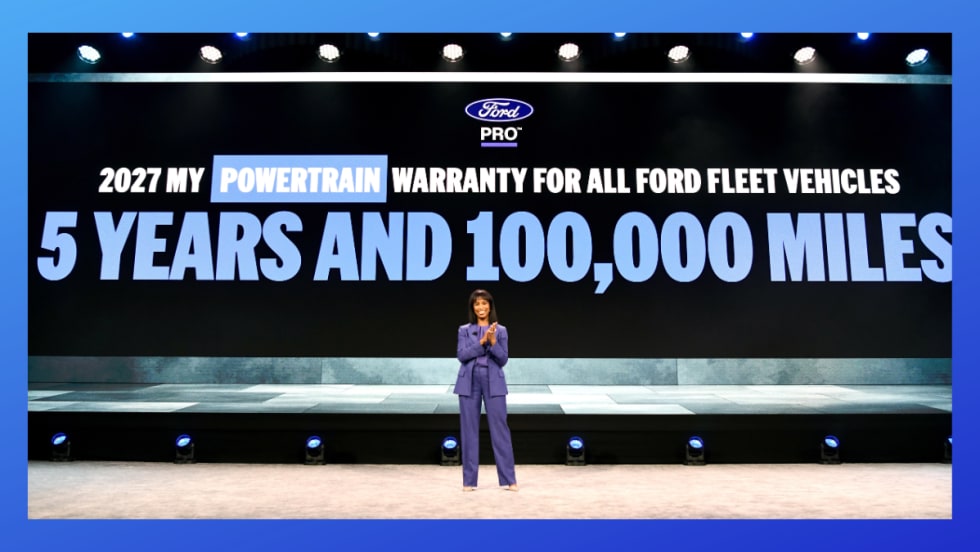
Ford Pro expands its 5-year/100,000-mile Limited Powertrain Warranty to the 2027 Ranger and E-Transit for eligible fleet buyers.
Read More →
Bobit Business Media surveyed 190 fleet professionals and found that while most fleets are tracking costs, fragmented systems and data gaps are keeping true TCO visibility out of reach. With rising pressure to control spend in an increasingly volatile environment, the gap between what fleets think they know and what the data actually shows is wider than you might expect. See how your peers are managing costs today and where the industry still has room to improve.
Read More →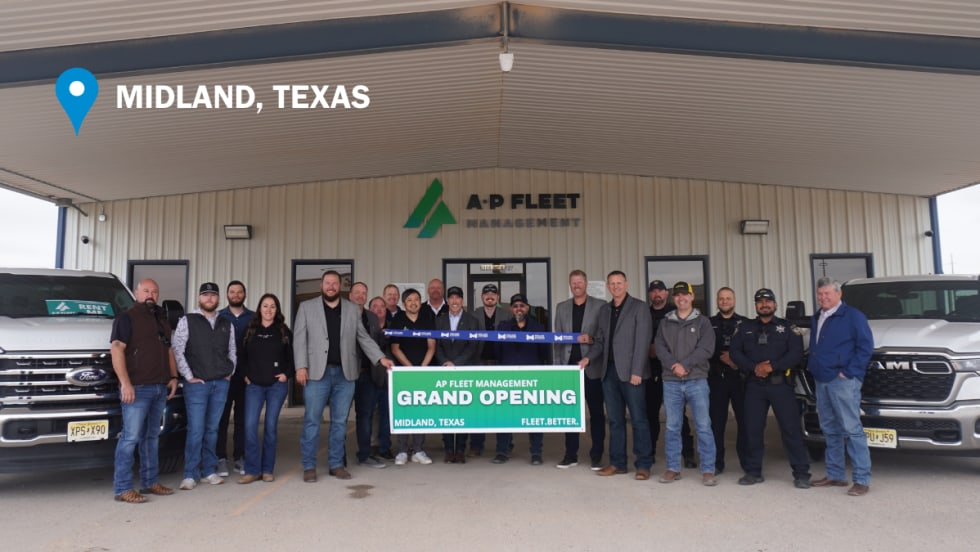
AP Fleet Management’s new Midland location expands access to bucket trucks, crane trucks, vans, and faster upfitting services for Texas fleets.
Read More →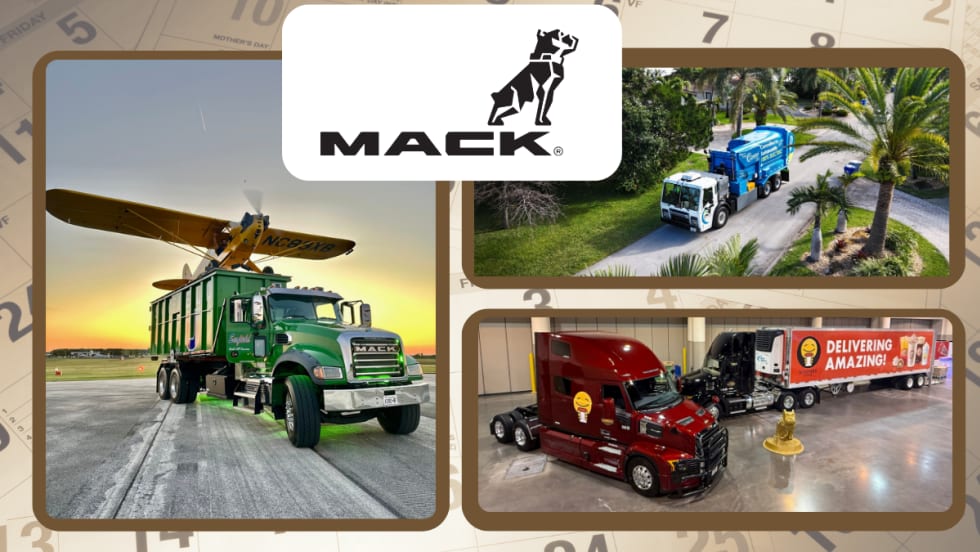
From a 1954 L Model still on the job to battery-electric trucks like the LR Electric and MD Electric, this year’s Mack Trucks Calendar Contest winners showcase the full range of capabilities, models, and years.
Read More →
Take a closer look at the PALFINGER ETC MH 40 IH material handler, a 40-foot articulated telescopic aerial lift designed for utility, telecom, sign work, or any task that requires an elevated work platform with a jib.
Read More →
The Ditch Witch W8 hydro vac truck delivers serious hydro excavation performance in a more compact package than the larger W12. This walkaround video explains the Warlock Series’ direct-drive blower system, cyclonic filtration, safe excavation technology, and powerful vacuum performance.
Read More →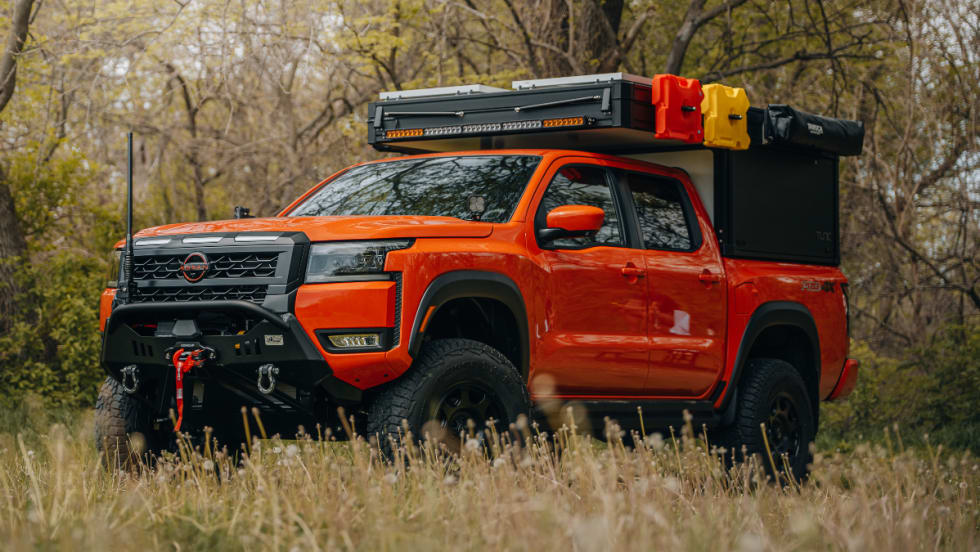
Nissan’s latest Frontier build is aimed at overlanders, but the rugged platform and durability story could resonate with fleet buyers too.
Read More →
Departmentally assigned vehicles often create hidden costs through underutilization, poor visibility, and increased administrative burden. This white paper explores how shared motor pool strategies help fleets reduce costs, improve accountability, and optimize vehicle utilization.
Read More →