




Truck Fleet Uses Telematics to Improve Operations
Less-than-truckload carrier, A. Duie Pyle, invests in proactive technology as part of an ongoing strategy to compete in an industry struggling with consolidation and overcapacity.
July 1, 2007


Telematics tracking helps work truck fleets navigate and improve operational efficiency.
Photo: Work Truck
4 min to read
Capitalizing on the latest technology has become a virtual must for fleets seeking to gain or retain their edge in the highly competitive transportation industry. It has proven particularly beneficial for West Chester, Pa.-based A. Duie Pyle, which uses proactive technology investments as part of an ongoing strategy to compete in an industry struggling with consolidation and overcapacity.
A leading Northeast less-than-truckload (LTL) and integrated transportation provider, A. Duie Pyle has improved its service rates, putting up some impressive on-time and partnership delivery numbers.
The A. Duie Pyle fleet includes 833 trucks. Last year, for example, company drivers picked up their freight on time 99.99% of the time, with an on-time destination delivery rate of 99.23%. In addition, the company recorded 99.85% of its shipments claims-free.
In partnerships with Southeastern Freight Lines, Dayton Freight Lines, and Midland Transport, the company also recorded on-time pick-up and delivery rates of more than 95 percent for each partner.
Extensive Use of Truck Fleet Telematics
Like its competitors, A. Duie Pyle relies heavily on telematics to assess operator performance and vehicle maintenance.
The company uses so-called “hard-braking incidents,” for example, i.e., how often the driver slams on the brakes, as one measure of operator safety.
The company also closely monitors fuel economy, including such variables as distance traveled, fuel used, average load and speed, idling time, driving time, time spent in each gear, and top speed.
As Jim Dobson, the company’s director of information technology says, “With that type of data you can specialize your training. Instead of spending four hours of training on all your drivers, you can focus on those who truly need it and in the areas where they need it.”
The company gathers its telemetric data manually. Technicians hook their laptops to the truck engine’s standard SAE electrical bus when the vehicle enters one of its service facilities.
From a maintenance standpoint, if the driver has complained about the truck running rough, for example, technicians can quickly isolate the problem and, subsequently, check the fix with the engine running.
The company’s 14 maintenance facilities are also computer-linked. When puzzled by a repair problem, a mechanic at one facility can e-mail a lead mechanic at another facility or the last mechanic who worked on that vehicle for assistance.
Automatic Telematics Wirelessly
A. Duie Pyle is now exploring ways to wirelessly automate telemetric data-gathering, using a small, computer-like radio transmitter and antenna at its service facility.
“Once a truck arrives at the facility, it begins broadcasting, looking for our configuration or address. And we send a signal for it to upload its data onto our computer database,” Dobson says.
The radio transmitters are available from various vendors for $250-$400 per vehicle. They can be mounted in the truck and directly connected to its electrical bus port. The radio signal can be sent through a public frequency to an antenna, located within 12-50 yards of the service facility entrance.
The truck’s telemetric data is sent automatically through filtering/search software. Along with relatively inexpensive hardware, the arrangement also requires a software package, which can be purchased or custom-developed. Ultimately, such automation provides more accurate, timely maintenance information and, longer-term, can cut the company’s mobile communication costs.
Because company trucks pick up and deliver, they invariably pull into a service center at least once a day, Dobson says. “If we can catch a problem before that truck leaves the facility, we can prevent breakdowns,” he adds.
By automating telematics data-gathering, maintenance checks are based on vehicle hours and miles logged, rather than time intervals. “If you’re doing preventive maintenance, you really want to do it based on vehicle usage, rather than time,” Dobson says.
After the initial investment, the information is obtainable in a cost-effective manner. Since the process doesn’t require mobile communication systems, “We’re not paying to send data over a satellite or cellular network,” Dobson says. “We’ll also be able to grab all the pertinent information we want — maintenance as well as driver- related. That’s ultimately where we’d like to be,” he adds.
Adding Qualcomm OmniVision
A. Duie Pyle has been using Qualcomm's OmniExpress (cellular) and OmniTRAC (satellite) mobile communication systems for about 10 years. The company is now in the early stages of migrating to QUALCOMM’s new OmniVISION system as a replacement for both, Dobson says.
OmniVISION, an entirely new satellite system, overcomes previous satellite and cellular system shortcomings, according to Dobson. His company ran its own tests in New York City’s densely built Manhattan Island for verification.
Basically, the new system directs the satellite at a different point/angle and uses a different compression to avoid the satellite transmission blockage common in urban areas with tall buildings. The system is also superior to cellular transmissions, which are still subject to gaps, holes, and lost calls on the highway.
“We feel that satellite is the medium to transmit data,” Dobson says. OmniVISION also offers telemetric-based alerts as one option, and A. Duie Pyle is considering a pilot program to test that feature.
“You don’t get all the data. But if there’s a vehicle problem, the alert could be sent back to our software, so we can notify the appropriate department,” Dobson says. Ultimately, his company could use such satellite transmission as a complement to automated, radio frequency-based data gathering.
Subscribe to Our Newsletter
More Technology
AI Is Reshaping Fleet Management Faster Than Most Fleets Realize
Learn more about how AI, data, and operational intelligence are transforming fleet management, replacement planning, and the future of fleet operations.
Read More →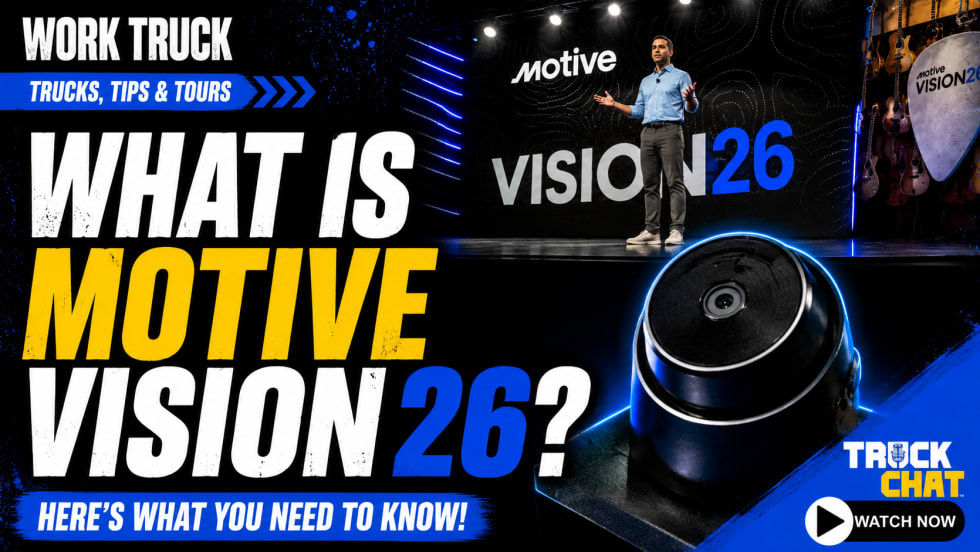
What is Motive Vision?
Motive Vision brings together fleet operators, safety leaders, and industry professionals to collaborate, share insights, and help shape the future of fleet technology. Learn why the Motive innovation summit continues to grow year after year.
Read More →
Motive Focuses on Integration & Automation as it Rolls Out New AI-Driven Systems & Hardware
Motive unveiled new AI-driven safety tools, systems, and hardware during its annual innovation summit. New launches included the Atlas AI assistant, Automations, AI Omnicam Plus, and updates to AI Dashcam Plus.
Read More →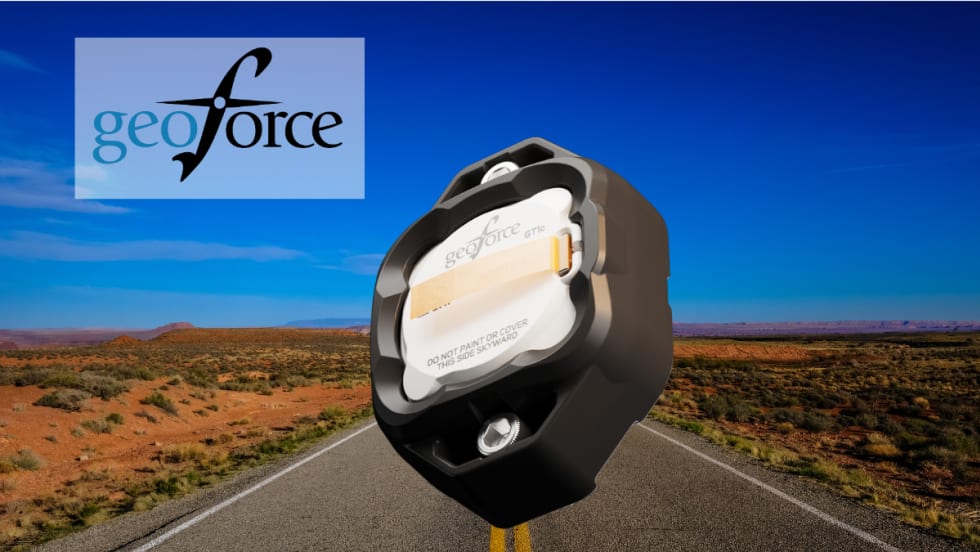
Geoforce Launches GT1c with AT&T Business for Rugged Cellular Asset Tracking
Geoforce, a global leader in rugged asset tracking, has launched the GT1c, which leverages cellular technology and has a more cost-effective, purpose-built design to enable rugged cellular equipment tracking at scale. The GT1c complements Geoforce's full range of satellite tracking devices.
Read More →
Lytx Expands All-In-One Fleet Platform Strategy With AI, Video, and Asset Tracking Updates
Lytx introduces LytxOne and expands its all-in-one ecosystem with AI insights, 360-degree visibility, and integrated asset tracking.
Read More →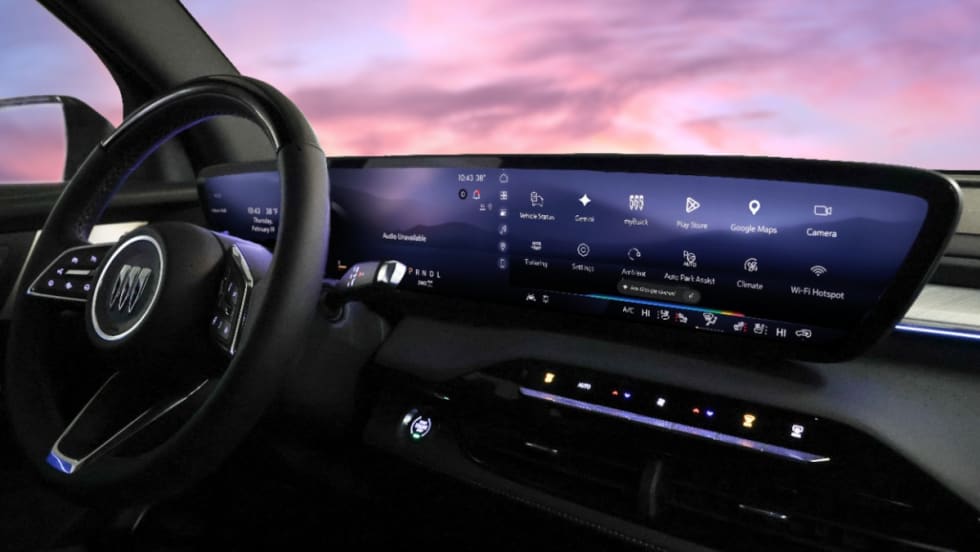
GM Brings Google Gemini to Millions of Vehicles
General Motors will roll out Google Gemini to model year 2022 and newer Cadillac, Chevrolet, Buick, and GMC vehicles with Google built in, meaning approximately 4 million vehicles will be eligible for the update.
Read More →
Fleetio Wins Innovations Showcase People’s Choice Award at NAFA’s 2026 I&E
Fleetio’s AI Service Advisor won the People’s Choice Award in the 2026 Innovations Showcase at the NAFA Fleet Management Association's 2026 Institute & Expo (I&E) this week.
Read More →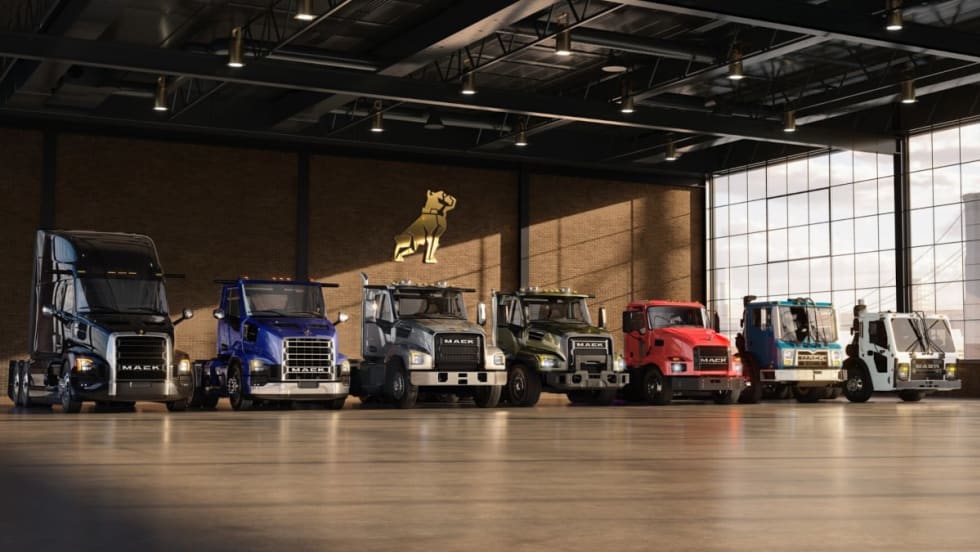
Mack Trucks’ Connected Services Platform Drives Measurable Uptime, Cost & Safety Results
Data from AutoSend Over-The-Air Updates, GuardDog Connect Predictive Uptime, and Tailored Service Contracts demonstrate how software and services are delivering real-world outcomes for Mack Trucks customers.
Read More →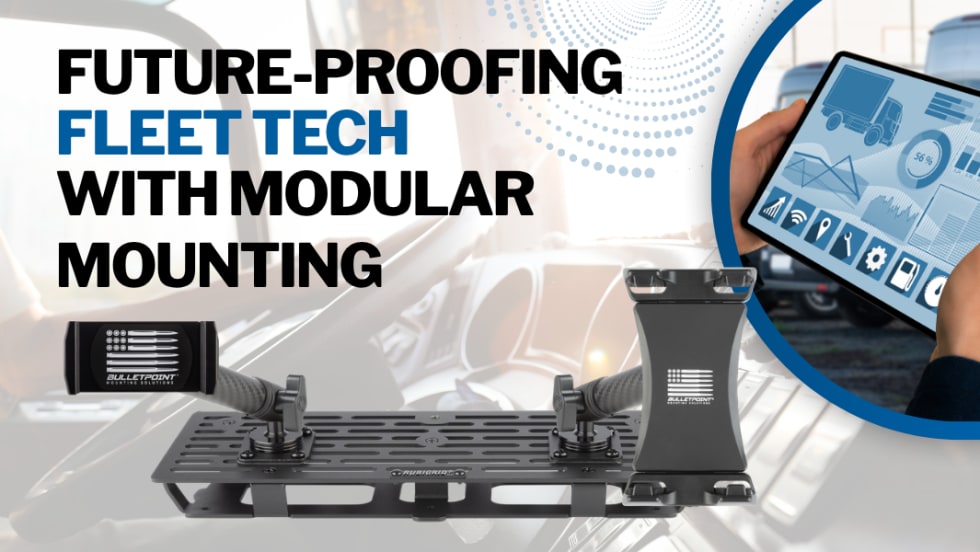
Sponsored•April 1, 2026
Future-Proofing Fleet Tech with Modular Mounting
Technology cycles move faster than vehicle rotations. Discover how modular mounting infrastructure protects your investment and reduces fleet-wide downtime.
Read More →
Sponsored•March 30, 2026
Improving Jobsite Safety and Uptime with Advanced Driver-Assist Technology
Safer crews. Fewer incidents. Better uptime. Learn how driver-assist technology is changing the way vocational fleets operate.
Read More →