




Related: Tire Selection & Maintenance Tips for Construction Fleets
How to Increase Truck Fuel Mileage
One simple and immediate way for truck fleets to save money at the pump is to keep their tires properly inflated. By maintaining the proper inflation pressure for a given tire size and load, tires also last longer and are safer.
by Harvey Brodsky
March 1, 2007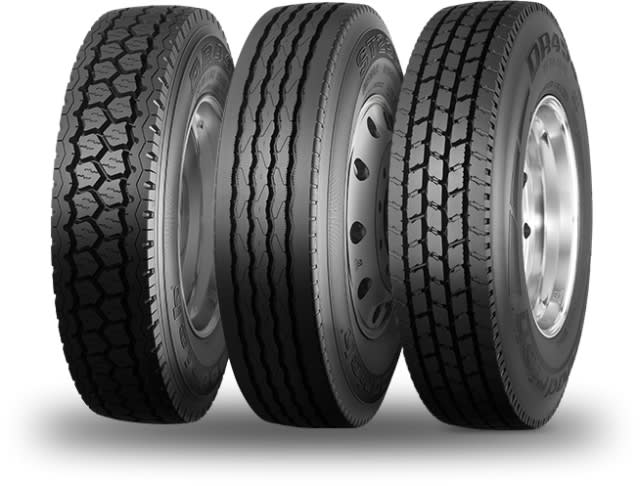
One simple and immediate way truck fleets can save money at the pump is to keep tires properly inflated, the single-most critical factor for getting the most out of tires.
Photo: BFGoodrich
6 min to read
Fuel economy has long been a major concern for truck fleets and fleet managers. Fuel is one of the largest and fastest-growing variable operating costs. A precious commodity, it is critically important to bottom-line profits. Fuel economy has taken on even greater significance with rising fuel prices.
One simple and immediate way truck fleets can save money at the pump is to keep tires properly inflated, the single most critical factor for getting the most out of tires. By maintaining the proper inflation pressure for a given tire size and load, tires not only last longer, they are also safer.
In fact, it is not the tire, but the air inside the tire that carries the vehicle’s weight, absorbs shock, and keeps the tire in proper shape to perform as designed. In addition to affecting rolling resistance and thus fuel economy, inflation pressures also influence handling, traction, braking, and load-carrying capability.
Tires flex when they roll, which bends the tire’s rubber and steel in the tire’s sidewall. (Steel is used within the rubber to provide additional operating characteristics.) This flexing generates heat. Wear is the result of friction created between the road’s surface and the tread as the tire rolls along. Heat is a tire’s worst enemy.
An improperly inflated tire doesn’t roll as smoothly or as easily as designed. Improperly inflated tires have an uneven, irregular tire footprint — the portion that contacts the road surface. This inconsistent shape leads to increased wear, reduced traction and performance, as well as handling and ride problems. It doesn’t take long for this wear to occur. At 55 miles per hour, a truck tire turns approximately 450 revolutions per minute.
When underinflated, a tire flexes more as it rolls, building up internal heat and increasing rolling resistance that increases fuel consumption. A tire’s degree of underinflation directly correlates to how fast the tire wears.
When overinflated, excessive wear occurs at the center of the tread because it bears the majority of the vehicle’s weight. In addition to creating a harsher ride, overinflated tires tend to not “absorb” road hazards such as debris and potholes, increasing the risk of sustaining a puncture or impact damage.
Because improper inflation shortens tread life, tires must be changed more often. In addition to replacement tire expenses, additional costs for tire service and vehicle downtime are incurred. Industry studies have shown that cost per mile almost doubles when tires — whether original or retreads — are pulled early due to uneven or rapid tread wear.
Checking a Tire's Air Pressure
Tire pressure should be checked when a tire is “cold” — before the driver starts the vehicle ignition or drives less than one mile. Once a vehicle is driven, tires warm up and experience an increase in air pressure, resulting in an inaccurate reading. A “hot” tire can take 3-4 hours to cool down once a vehicle is parked.
Tire pressure should be checked regularly, at least once a week with a properly calibrated tire gauge. Kicking or thumping the tire cannot accurately estimate inflation pressure. The truth is determining whether tires need air by thumping them is as effective as detecting whether the vehicle’s engine needs oil by thumping on the hood.
Even well-maintained tires lose air pressure, on average about one to two lbs. per month. This loss occurs naturally as air permeates the rubber. Temperature changes affect the rate of air loss, with more air lost in hot weather. Since air is a gas, it expands when heated and contracts when cooled.
Value caps should be installed on all valve stems and kept tight. Metal value caps are best, as they contain a rubber gasket to provide an airtight seal. Most plastic caps do not.
Frequent tire washing and cleaning is also a good idea. Tires can easily pick up contaminants from the road, such as grease, oil, road salt, etc., which can deteriorate tire rubber.
Select Tires Smartly
Tire selection impacts a vehicle’s overall fuel performance. Because tread depth and design have the biggest single effect on rolling resistance, tires should be application-specific. Consider using low-rolling resistance tires, low-profile tires, and wide-base tires. All may provide more fuel efficiency, depending upon the trucking application.
A wide-base tire is designed to replace dual wheel assemblies. It is about 11/2 times wider than a standard-size tire used in a dual-wheel position. Wide-base tires also offer weight and maintenance savings.
While all premium tires are built for long life, retreadability, and fuel economy, a tire designed specifically for fuel efficiency may not last as long as a tire designed for long tread life. Generally, the more shallow the tread depth, the better the fuel efficiency. Conversely, the deeper the tread, the longer the tread wear.
Retread truck tires are also available with application-specific tread designs. Retread tires perform as well as tires that have never been retreaded at a tremendous savings over the high cost of new tires. Every reputable truck tire manufacturer designs its tires for multiple lives, meaning the tires are designed to be retreaded.
Watch Out for Misalignment
Another factor in promoting long tire life and getting more miles per gallon is total vehicle alignment. The front end, other axles, and steering and suspension-related components all must operate in proper position.
Misalignment can cause tire-to-road drag and scrub, plus undesirable lateral forces, resulting in irregular wear and diminished tire life, difficulty in driving and handling, and reduced fuel economy.
As with air pressure, alignment must be checked regularly. A visual inspection and a “dirty-hand test” can usually reveal the beginning of alignment problems.
While performing the pre-trip walkaround safety inspection, a driver should look for wheel problems and tire injuries. Wheels ought to be inspected for cracks, rust and corrosion, lube leakage, and loose and missing lugs. Rubbing a bare hand along the tread and sidewalls, a driver can feel for flat spots, bulges, cuts, shoulder wear, sidewall damage, missing chunks of tread, and other damage, all potential causes of tire failure.
Driving Technique Does Matter
Vehicle speed has the single largest impact on fuel economy. Industry studies indicate that every one mile per hour increase in speed over 55 mph, costs one-tenth of a mile per gallon in fuel economy. Higher speeds also increase engine, vehicle, and tire wear, leading to higher maintenance costs and increased downtime.
Fuel-efficient driving techniques can achieve more miles from each tank of fuel. These techniques include starting out at the slowest engine speed to move the load and using the minimum rpm, minimum power, and fewest shifts necessary when accelerating (progressive shifting); running the engine in its peak torque range; using cruise control; using an engine brake; accelerating or decelerating well in advance to either speed up or stop; and planning direct, efficient trip routes.
Excessive idling also negatively impacts fuel economy. One industry study found that one hour of low idle at 600 rpm burns about 3/4 of a gallon of fuel. High idling at 900 rpm uses about 11/2 gallons of fuel. Some heavy truck and engine manufacturers advise drivers to idle only about five minutes for both initial warm-up before starting out and cool-down before shutting off the engine.
Practice Good Tire Maintenance
Good maintenance practices are essential to eliminating avoidable problems that impact a vehicle’s reliability, uptime, and fuel economy. The better a vehicle is maintained, the better it will operate, and that translates into improved efficiency and fuel mileage.
Two important elements of an effective maintenance program are drivers and service technicians. Well-trained drivers, familiar with the equipment they operate, can find problems with their trucks and report them. Likewise, service technicians must be skilled, properly trained, and kept up-to-date on the equipment they service.
A detailed driver’s vehicle report for daily truck pre-trip inspections is necessary. In addition, a system should be in place to respond to defects, problems, or deficiencies likely to affect a vehicle’s safe operation and which might result in its mechanical breakdown.
For additional information, visit the TRIB website.
Subscribe to Our Newsletter
More Fuel
June Diesel Trends Update
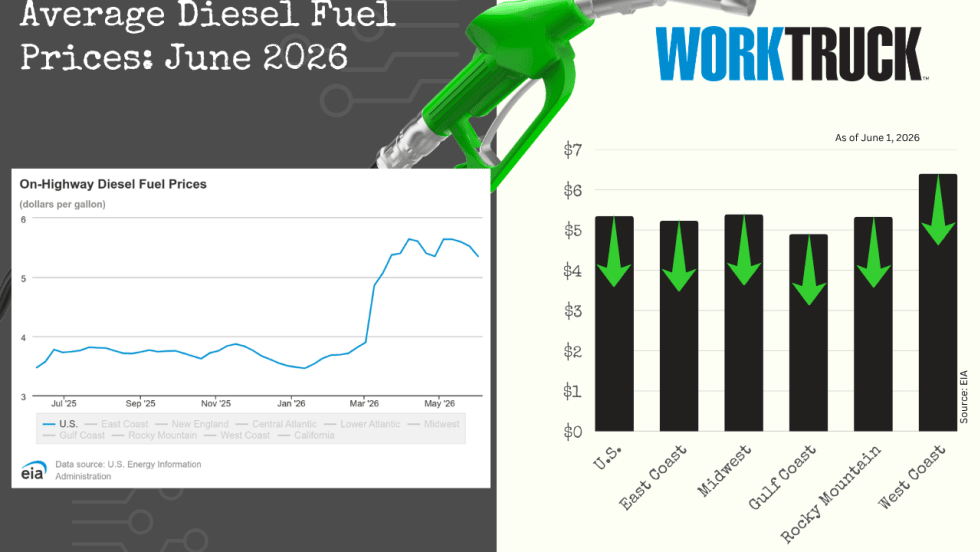
The national average price of a gallon of diesel decreased by more than 17 cents this week, and all five regions reported lower prices, ranging from just over 10 cents to more than 23 cents cheaper than a week ago.
Read More →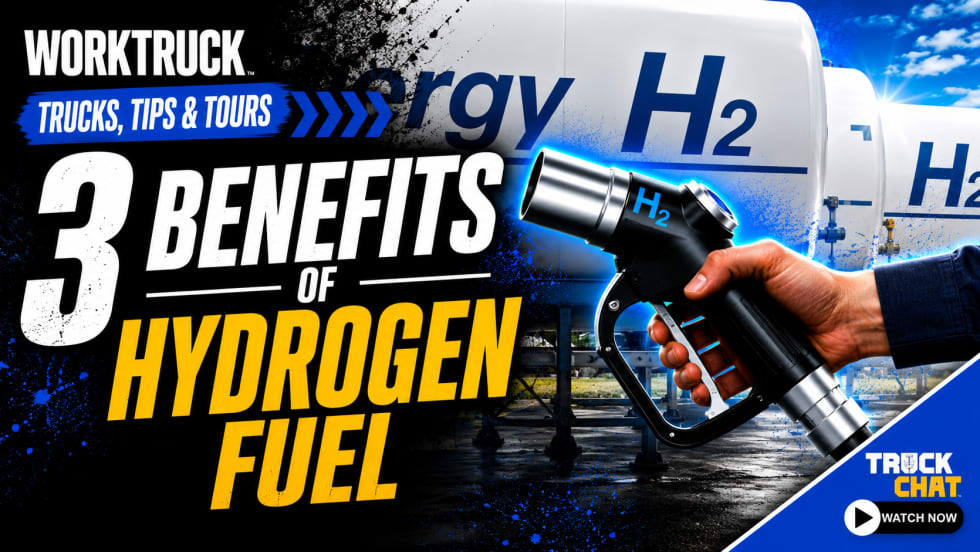
3 Benefits of Hydrogen as a Fuel
Hydrogen fuel offers zero harmful emissions, incredible energy density, and flexible production pathways. In this video, we learn from a hydrogen industry insider about the three biggest benefits of hydrogen as a fuel to power commercial vehicles.
Read More →
Sponsored•May 29, 2026
Are You Tracking Your Fleet's True Total Cost of Ownership?
Bobit Business Media surveyed 190 fleet professionals and found that while most fleets are tracking costs, fragmented systems and data gaps are keeping true TCO visibility out of reach. With rising pressure to control spend in an increasingly volatile environment, the gap between what fleets think they know and what the data actually shows is wider than you might expect. See how your peers are managing costs today and where the industry still has room to improve.
Read More →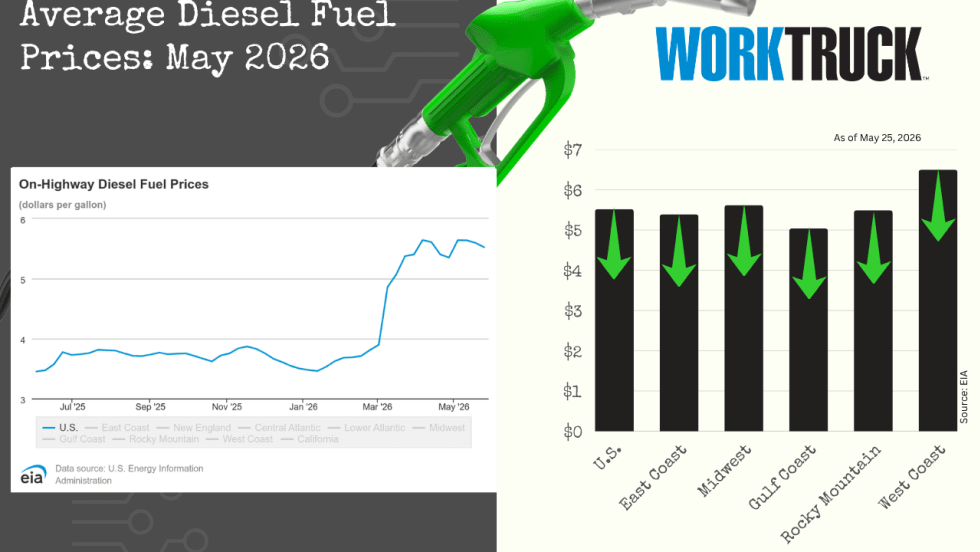
May Diesel Trends Update
The national average price of a gallon of diesel decreased by more than 7 cents this week, and all five regions reported lower prices, ranging from just over 2 cents to more than 12 cents cheaper than a week ago.
Read More →
How Hydrogen Fuel Is Produced for Fuel Cell Trucks
How is hydrogen produced for fuel cell trucks? Let’s learn more about that as Pajarito Powder CEO Christian Mohrdieck walks us through the process in this video.
Read More →
RoadFlex Launches Mobile App for Drivers and Fleet Managers
RoadFlex has launched its mobile app to give fleet teams a faster, easier way to manage fleet card activity, capture receipts, review transactions, and maintain spend visibility from the field.
Read More →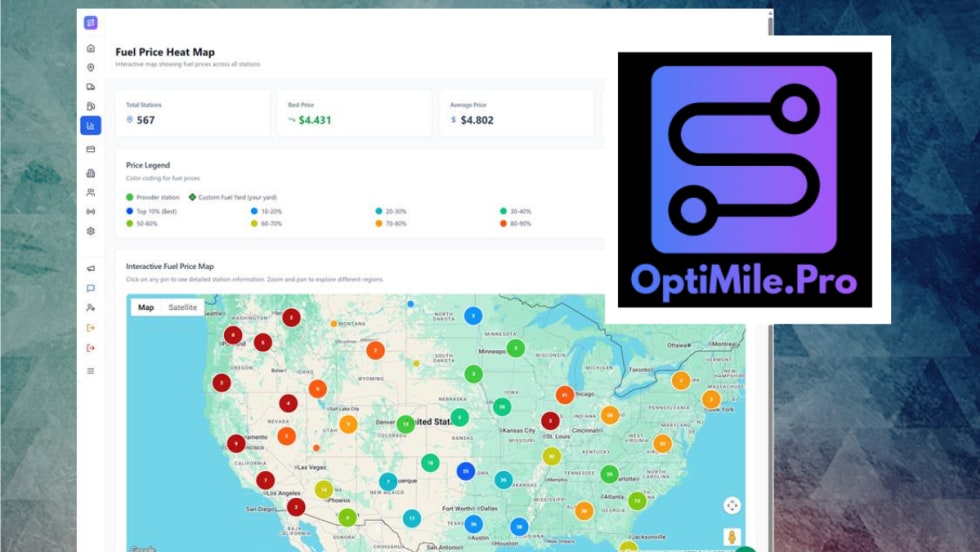
OptiMile Pro Launches Fuel Planning Platform to Cut Fleet Fuel Spend
OmtiMile Pro’s new software replaces the "fill up when empty" habit with a globally optimized fuel plan that picks the cheapest stop in the fleet's contracted network and the precise amount of fuel to load on every run.
Read More →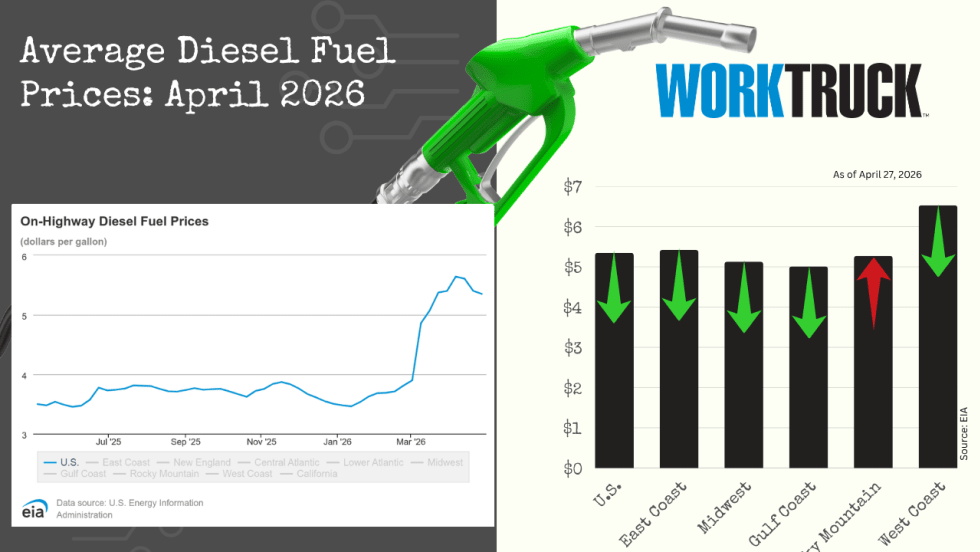
April Diesel Trends Update
The national average price of a gallon of diesel dropped by more than 5 cents this week, and all but one region reported price decreases.
Read More →
ChargePoint & South Coast Air Quality Management District Surpass 90 EV Charger Installations Across Southern California
ChargePoint has enabled more than 90 charging ports for the South Coast Air Quality Management District in Southern California. The project replaced outdated chargers with 55 new, Level 2 ChargePoint units capable of serving 94 vehicles simultaneously.
Read More →
Pajarito Powder Appoints Hydrogen Industry Veteran as New CEO
Pajarito Powder has appointed Christian Mohrdieck, who has a wealth of experience and knowledge in both the fuel cell and electrolyzer businesses, as its new CEO.
Read More →