




Full Rear Visibility Conformance Required by May 1
Conformance with the full rear visibility portion of the Federal Motor Vehicle Safety Standard (FMVSS 111) regulation is required in the U.S. by May 1, 2018. Here are some things to know about the regulation.

Conformance with the full rear visibility portion of the Federal Motor Vehicle Safety Standard (FMVSS 111) regulation is required in the U.S. by May 1, 2018. Here are some things to know about the regulation.
What is FMVSS 111?
FMVSS 111 is a visibility standard for all motor vehicles except trailers. The standard traditionally applied to mirrors, but NHTSA added new requirements for rearward visibility to reduce backing crashes involving children and disabled people.
The regulation includes the following requirements:
Field of view (FOV)
Image size
Image response time
Image linger time
Deactivation
Image default view
Component durability
Effective May 1, 2018, 100% of vehicles manufactured on or after May 1, 2018 with a 10,000-pound or less GVWR must meet all aspects of FMVSS 111 rear visibility. This applies to original, final-stage, or altered-stage manufacture.
Why were new regulations added?
The Cameron Gulbransen Kids Transportation Safety Act was passed in 2008, which required NHTSA to revise the federal standard for rear visibility. In 2009, NHTSA released an advance notice of proposed rulemaking (ANPRM) which included research that 292 fatalities and 18,000 injuries result from backover incidents every year. Pickup trucks and SUVs account for more than half of these fatalities.
Who’s affected by FMVSS 111?
Truck equipment distributors and upfitters may need to install or relocate the rear-view camera and make sure other requirements are met. Fleet managers will need to understand the new regulation to ensure compliance with FMVSS 111 for upfitted vehicles. OEMs will want to better understand any design implications for truck-mounted equipment that may impact rearview camera placement and assist upfitter customers.
What steps should fleets take to comply?
Determine if the new vehicle you are modifying is originally compliance as certified by the OEM. If so, you must maintain compliance.
If the answer is yes, you must maintain compliance. There are two ways to do this. One is to keep the rear-view camera in the OEM-production location (as received). If you need to accommodate bodies and equipment, relocate the camera to a new, compliant location.
Note: Moving the camera could affect both FOV and image size compliance beginning May 1, 2018.
Are there exceptions?
Yes, some vehicles do not need to meet FOV requirements by April 30, 2018: vehicles manufactured by small manufacturers or limited-line manufacturers, vehicles manufactured in two or more stages before May 1, 2018, and vehicles originally compliant with FOV and altered before May 1, 2017.
Vehicles previously certified as meeting FOV requirements before May 1, 2017 and altered on or after May 1, 2017 must continue to meet FOV requirements.
Anything else to know?
Equivalent requirements have been adopted in Canada (CMVSS 111) for multi-stage vehicles. Transport Canada has extended the effective date until May 1, 2019.
There are resources available for fleets seeking to meet compliance. NTEA – The Association for the Work Truck Industry, for example, offers a FMVSS 111 Field of View Conformity Manual and Kit on its website.
More Safety

Top 50 Executive Fleets
It is that time of year again! Time for the 2026 list of the Top 50 Executive Fleets, presented by Automotive Fleet and Volvo as part of its annual Fleet 500. Download now to see this year's list of companies!
Read More →
Applause & TRUCE Software Partner to Improve Driver Safety Through AI-Powered Telematics & Employee Performance Management
Applause has integrated TRUCE driving metrics directly into its employee-first performance and safety platform that transforms mobile devices into AI-powered telematics.
Read More →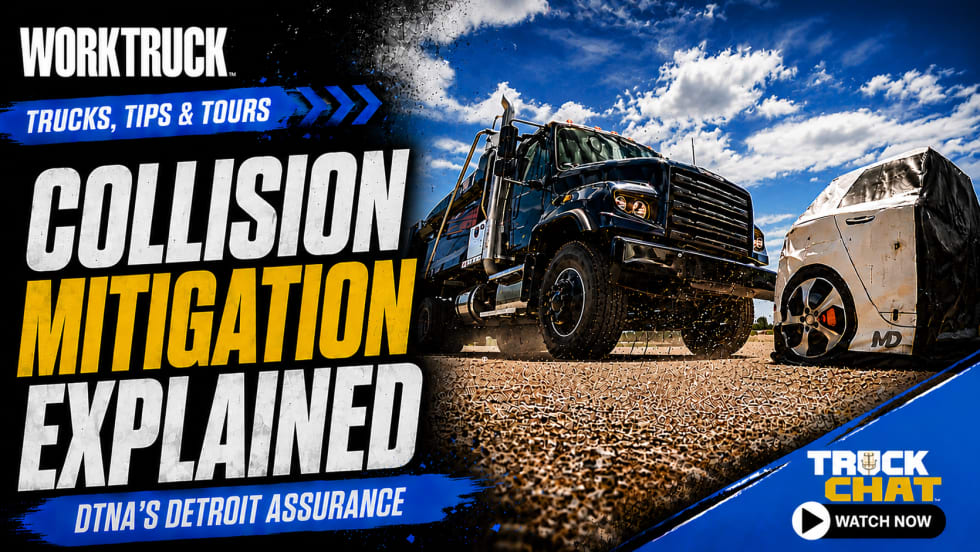
How Detroit Assurance with Active Brake Assist Works
Do you want to see what it is like to experience Detroit Assurance’s Active Brake Assist? In this video, Work Truck will put you in the cab to see how it all works and then hear more details from DTNA’s Mike Young.
Read More →
Get Left of Loss: A 5-Step Workplace Prevention Framework for Fleet Operators
Violence risks do not stop at the driver’s door. Learn five practical steps fleets can take to spot threats early and protect workers before loss occurs.
Read More →
How Better Visibility Cut Speeding Violations by 48%
Fleet leaders don't need more data, they need clearer visibility into what the data is saying. This case study explores how one utility replaced speeding-event counts with a single metric — miles driven in violation — to strengthen safety and significantly reduce speeding violations.
Read More →
13 Safe Driving Tips for Commercial Vehicle Drivers
Make sure you are spending time on the road safely with these important tips.
Read More →
Recalls You Need to Know About in July 2026
If you have Altec, Ford, General Motors, Harbinger, Hyundai, Mack Trucks, or Volvo Trucks vehicles in your fleet, you should check these important recalls issued by the National Highway Safety Administration.
Read More →
How Telematics Is Transforming Fleet Risk from Insight to Action
What if you could spot risky driving before it leads to a crash? See how telematics is still changing fleet safety today.
Read More →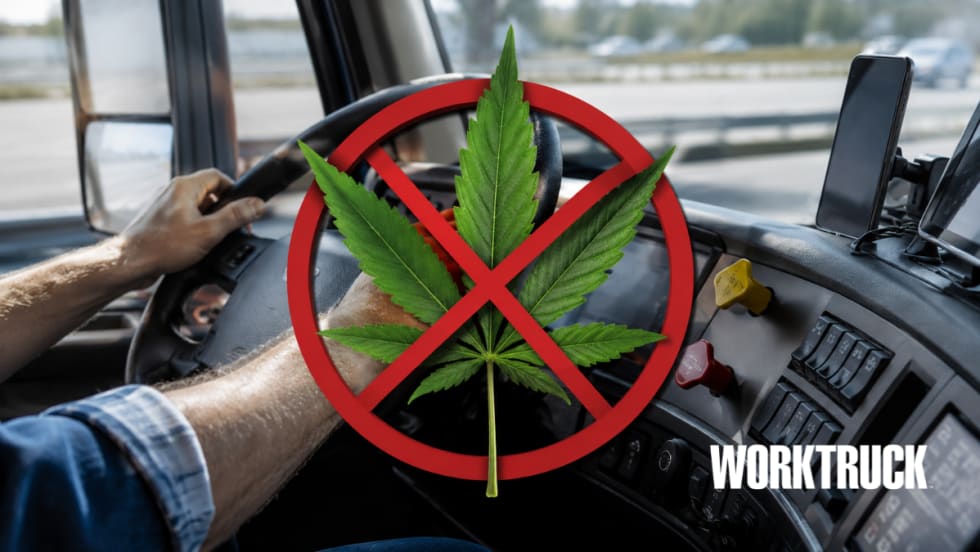
DOT Rules Remain Firmly Lit on Marijuana
DOT says not so fast on marijuana. Even with federal reclassification efforts, commercial drivers in safety-sensitive roles remain subject to marijuana testing and prohibitions.
Read More →
Lytx Adds Fleet Management Enhancements to LytxOne Platform
Lytx has added new features to LytxOne to bring safety, operational insight, asset visibility, and compliance into a unified, all-in-one platform.
Read More →