




Estimated Mileage Death Rate Up 20% in First Half of 2020
The U.S. experienced a 20% jump for the estimated milage death rate between January and June 2020 compared to the same six-month period in 2019.


The rate increase comes in spite of a 17% drop in the number of miles driven between January and June, following the COVID-19 pandemic.
Photo: NSC
The U.S. experienced a 20% jump for the estimated milage death rate between January and June 2020 compared to the same six-month period in 2019, according to data from the National Safety Council (NSC).
The rate increase comes in spite of a 17% drop in the number of miles driven between January and June, following the COVID-19 pandemic. The estimated 20% increase in the estimated milage death rate is the highest jump NSC has calculated for a six-month period since 1999, according to NSC.
In June – when many states ended three straight months of quarantine – the number of miles driven remained 13% lower than the previous year, but death rates and number of deaths both skyrocketed.
The number of deaths was up 17% in June, while the rate of death per 100 million miles driven jumped to 34.4%. June marked the first month since the pandemic that both the number of fatalities and the death rate increased in a single month.
The riskier roads threaten to reverse traffic safety gains made over the last few years. After three straight years of rising fatality numbers between 2015 and 2017, the country had been experiencing a leveling off and small decline in overall fatalities.
Through the first six months of 2020, the following seven states experienced notable increases:
Vermont (91%, 10 more deaths)
Connecticut (44%, 45 more deaths)
District of Columbia (42%, 5 more deaths)
South Dakota (34%, 11 more deaths)
Rhode Island (31%, 8 more deaths)
Arkansas (21%, 51 more deaths)
Missouri (18%, 68 more deaths)
The NSC estimates are subject to slight increases and decreases as the data mature. NSC collects fatality data every month from all 50 states and the District of Columbia and uses data from the National Center for Health Statistics, so that deaths occurring within one year of the crash and on both public and private roadways – such as parking lots and driveways – are included in the estimates.
Originally posted on Automotive Fleet
More Safety & Compliance

GeoFencing Adds to Your Truck Security Arsenal
Geofencing is a familiar fleet tool today, but its early adoption marked a major shift in vehicle tracking, route monitoring, and the debate over employee privacy.
Read More →
Recalls You Need to Know About in October 2026
In October 2026, what recalls might impact your fleet? Work Truck has the answers in this comprehensive overview of recent NHTSA recalls.
Read More →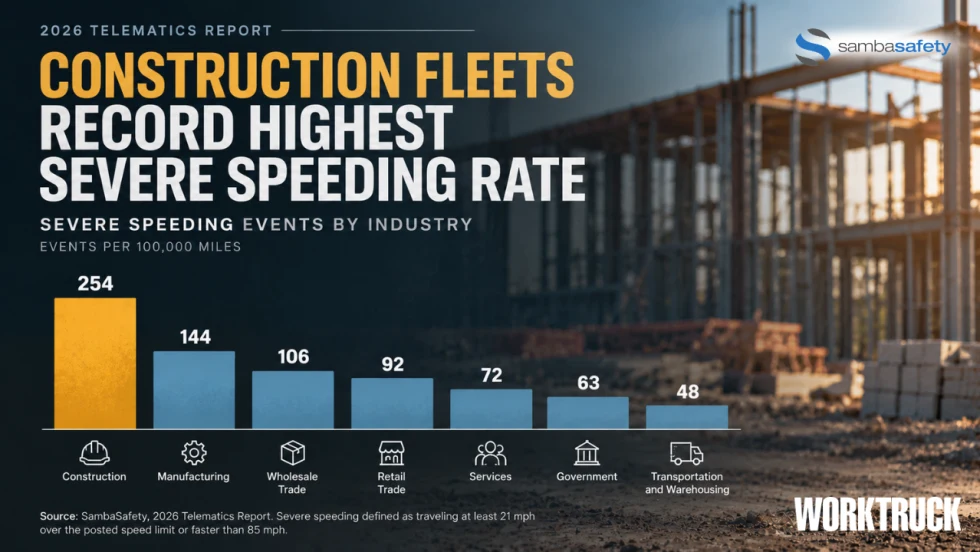
Construction Fleets Show Telematics Adoption Alone May Not Reduce Driving Risk
SambaSafety found construction fleets monitor roughly 92% of their vehicles but recorded the highest severe speeding rate among industries studied.
Read More →From Our Partners




Lytx Launches 360 Hub Kit for Expanded Fleet Camera Visibility
Lytx’s new AI-ready gateway and HD auxiliary camera ecosystem, the Lytx 360 Hub Kit, extends visibility across side, rear, cargo, and blind-zone views to help fleets see more and respond faster.
Read More →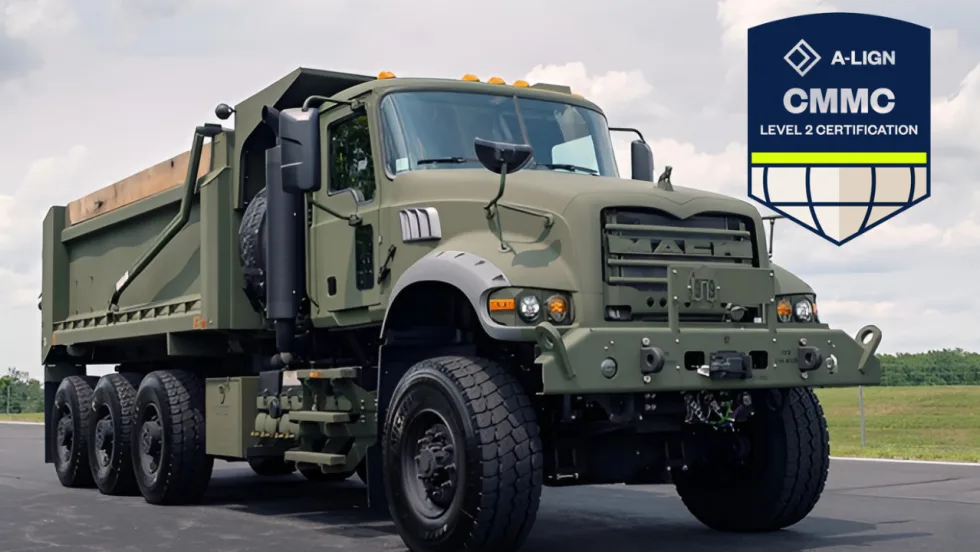
Mack Defense Achieves Cybersecurity Maturity Model Certification Level 2
After an assessment conducted by an authorized Certified Third-Party Assessment Organization (C3PAO), Mack Defense has achieved Cybersecurity Maturity Model Certification (CMMC) Level 2.
Read More →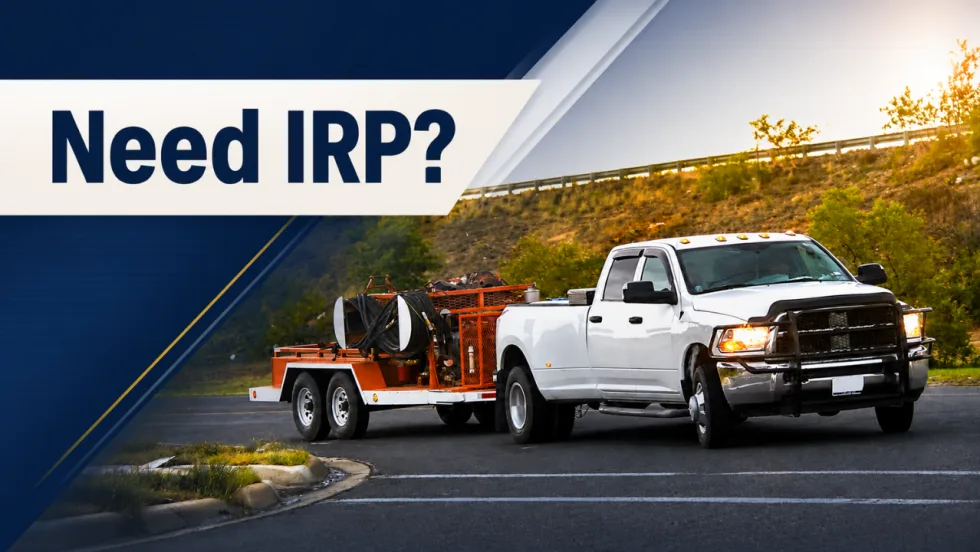
When Work Trucks Under 26,001 Pounds Need IRP Registration
Think trucks under 26,001 pounds are automatically in the clear when it comes to IRP? Not always. Learn where lighter vehicles can still run into trip permit, apportioned registration, and IFTA compliance requirements when crossing state or provincial lines.
Read More →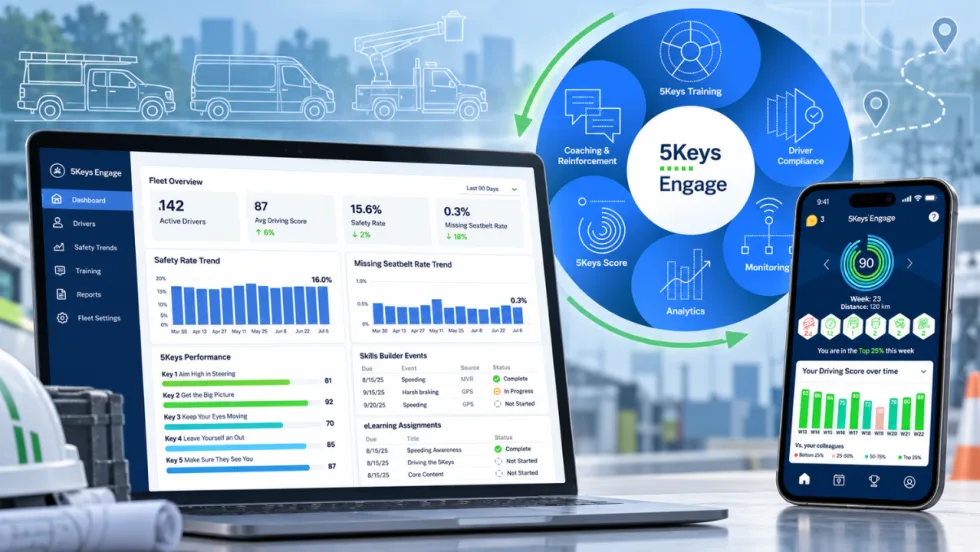
Smith System Wants Work Truck Fleets to Look Beyond the Driver Alert
Smith System’s new Driver Risk Management program is built to help mixed work truck fleets turn telematics alerts and observations into specific behaviors, coaching actions, and measurable follow-up.
Read More →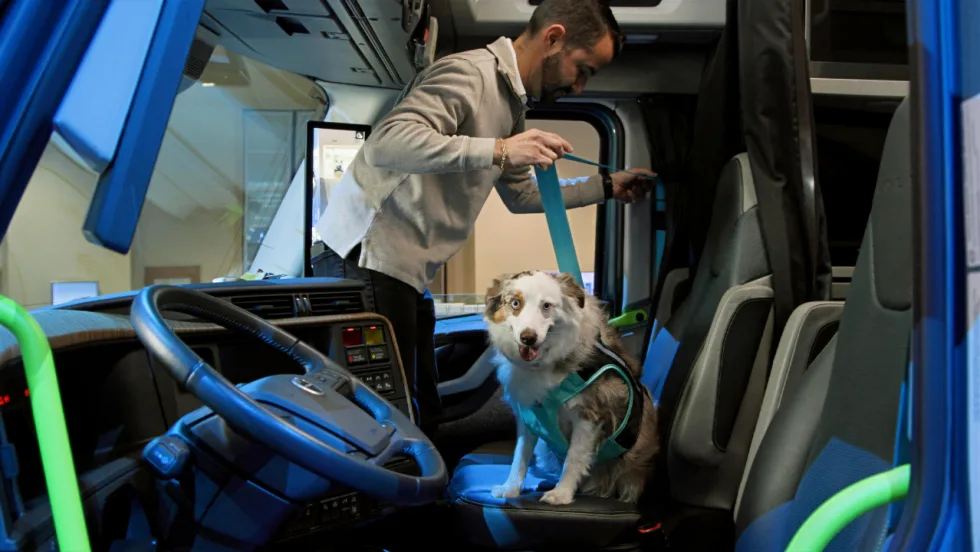
Volvo Trucks Releases New Safety Recommendations for Traveling with Pets
One of the most important recommendations for professional drivers traveling with pets is to ensure pets are properly restrained while the truck is moving. Other tips are available in the new guide from Volvo Trucks North America and Center for Pet Safety.
Read More →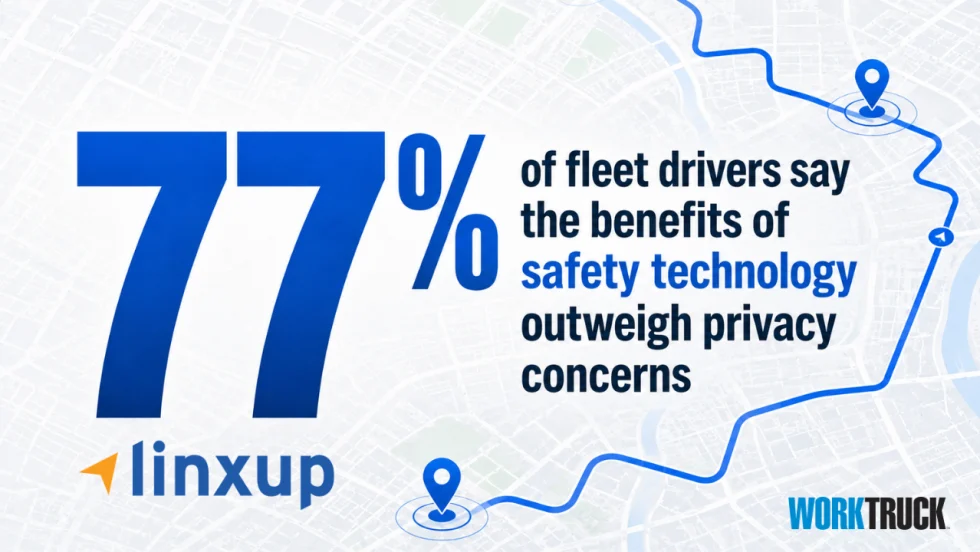
Are Work Truck Drivers Warming Up to Dash Cams and GPS Tracking?
A new survey finds field-service drivers may be more comfortable with dash cams and GPS tracking than fleet managers think, especially when the technology helps protect them after a crash.
Read More →
Recalls You Need to Know About in September 2026
If you have Altec, Chrysler, Ford, Heil, General Motors, International, Mack Trucks, Paccar, Rivian, Royal Truck, Toyota, US Truck Body, or Volvo Trucks vehicles in your fleet, you should check these important recalls issued by the National Highway Safety Administration.
Read More →