




About the Author: Dwayne Brown is Senior Vice President of Supply Chain at AWP Safety. He brings extensive experience in sourcing, procurement, materials management and field operations across large, multi-location organizations. That background gives him a practical view of vehicle theft as more than a fleet issue, with potential effects on crew readiness, schedules and equipment availability.
When a Work Truck Gets Stolen, the Real Loss Is Time
A stolen work truck can take more than a vehicle off the road. From tools and access cards to crew downtime, here’s how fleets can prepare for theft before it disrupts the entire workday.
by Dwayne Brown, AWP Safety
October 22, 2026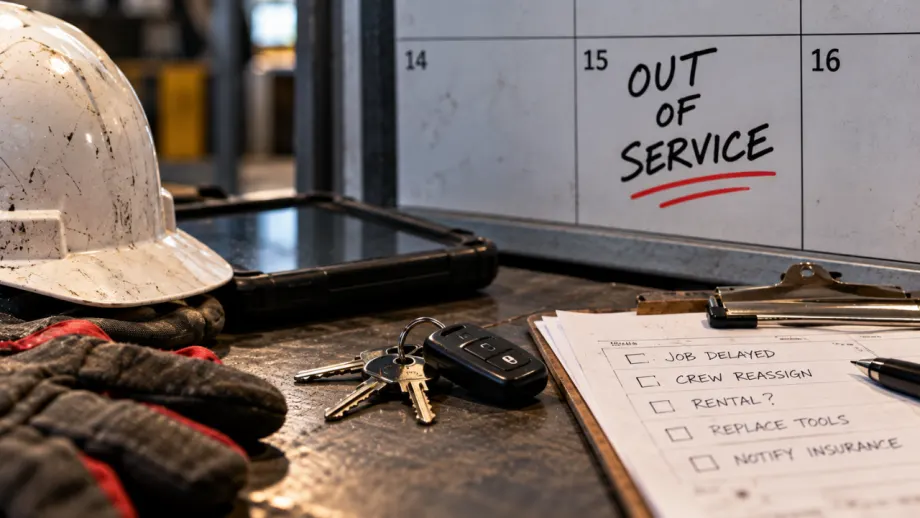
When a work truck is stolen, the loss goes beyond the vehicle. Tools, equipment, credentials, and crew time can disappear with it, making theft prevention and a clear response plan part of keeping the operation moving.
Credit:
Work Truck
5 min to read
If you manage a vocational work truck fleet, you already know that a missing truck is only part of the story, and that the bigger issue is what happens next.
A truck is supposed to roll out in the morning, and it is not there. Now someone is calling the driver, someone is checking the yard, and someone is asking whether it was towed, moved, borrowed or actually stolen. At the same time, dispatch is trying to adjust the day’s schedule, a supervisor is trying to remember what was loaded on it, and the crew is waiting to hear whether they are still going to the job. And that is where the cost starts to show up.
Yes, the vehicle matters, but a work truck is rarely just transportation. It may be carrying tools, cones, signs, PPE, tablets, fuel cards, job paperwork, parts, meters, chargers, customer materials or rented equipment. Some of those items may be covered by insurance, and some may not. And even if the truck comes back, that does not mean the workday comes back with it.
That is why fleet theft prevention needs to be treated as a readiness issue and a security reminder. Leaders need to ask, “How do we stop a truck from being stolen?” but also, “If theft happens, how fast can we get that crew working again?”
Start With the Loadout
Most organizations know where the vehicle is assigned and who drives it, but fewer have a clean, current record of what the truck carries day-to-day, which becomes problematic the moment the truck goes missing. Insurance may need serial numbers, receipts and/or photos.
A practical asset record does not have to be perfect on day one. Start with the items that would stop the crew from working if they were gone, such as specialty tools, electronics, safety equipment, access cards, rented equipment or job-specific materials. Then decide:
- What always stays on the vehicle;
- What comes out at night;
- What needs to be documented better.
Apply the Same Thinking to End-of-Shift Routines
The simplest theft prevention steps still matter, of course: lock the doors, close the windows, take the keys, keep valuables out of sight and park in a safer location whenever possible.
The challenge is making those steps happen when the day runs long, the weather is bad, the crew is tired or the truck is parked somewhere other than the yard. Fleet managers can reduce much of that risk by turning closeout into a routine instead of a reminder.
At the end of the shift, the driver should know:
- Where the truck goes;
- Where the keys go;
- What comes out of the cab;
- What must be locked in approved storage.
The crew leader or supervisor should also know which tools cannot stay in the truck overnight and should plan ahead when off-site parking (e.g., a hotel, curb space, retail center or jobsite) changes the risk.
It helps to walk the trucks with the people who use them: open the compartments, look at the cab, check the job boxes and, when appropriate, ask what got left behind and why. For instance, you may find that a high-value tool stays in the cab because the rear compartment lock does not work well, or that a crew leaves electronics up front because there is no good charging spot, or that the storage box is secure but too full to use.
Other times, keys are being shared because the truck moves between crews. That’s why the fleet team should know:
- Where spare keys are stored;
- Who can access them after hours;
- How shared vehicles are handed off;
- What happens when a key is missing.
The same goes for fuel cards, gate cards, badges and customer access credentials. If those items disappear with the truck, someone needs to freeze, replace or disable them quickly.
Telematics Can Help, but it Cannot Be the Whole Plan
If a truck is missing, location data can help confirm whether the vehicle moved after hours, where it was last seen and whether it may have been towed or stolen. But that information is useful only if the response is clear, and these questions should not be answered for the first time during the incident:
- Who checks the system?
- Who calls law enforcement?
- Who tells dispatch?
- Who contacts the driver?
- Who notifies insurance?
- Who decides whether the crew gets a spare truck, a rental or a reassigned unit?
Insurance Should be Reviewed the Same Way
In other words, insurance should be reviewedbefore a theft takes place. Fleet leaders should know how the policy treats the vehicle, permanently attached equipment, loose tools, rented equipment, electronics, PPE, customer materials and cargo. And they should know what documentation is required and where coverage may fall short.
Because replacement speed is often more important than reimbursement, particularly if a stolen truck carried the only version of a tool the crew needs.
The Real Goal is Responsiveness
A stronger work truck theft prevention plan connects driver habits, parking rules, key control, loadout records, secure storage, telematics, insurance review and response steps. None of those pieces can solve the problem by itself, but together, they help reduce the chance of theft and limit the disruption if it still happens.
You may not be able to remove every theft risk, but you can make the truck harder to steal, make the contents easier to account for and make the response faster when something happens, because the best fleet programs are built to lose as little time as possible.
Credit:
AWP Safety | Work Truck
Topics:Safety & Compliance
Subscribe to Our Newsletter
More Safety & Compliance
5 Winter Fleet Videos to Help Keep Trucks Running and Drivers Safe
From preventing cold-weather breakdowns to navigating icy roads, these five videos offer practical winter preparation tips for work truck fleets.
Read More →
Navigating the Effects of Daylight Saving Time on Work Truck Fleets
Discover how daylight saving time impacts work truck fleets and get essential tips for fleet managers and drivers to navigate the "fall back" transition.
Read More →
How Halloween Changes the Job for Work Truck Drivers
Truck traffic doesn’t take the same Halloween break as other drivers. What fleet managers should know about timing, neighborhood stops, and braking data.
Read More →From Our Partners

Tips for Driving Safely on Halloween Night
This video features a reminder from the Connecticut Department of Transportation (DOT) and the Connecticut Police Chiefs Association, urging drivers to prioritize safety this Halloween.
Read More →
Re-rating Gross Vehicle Weight Ratings (GVWR): Why and How it's Done
Sometimes, it is not in a fleet’s best interests to have a vehicle at a given GVWR. Changing the GVWR to a special value can be done, but the process is complicated.
Read More →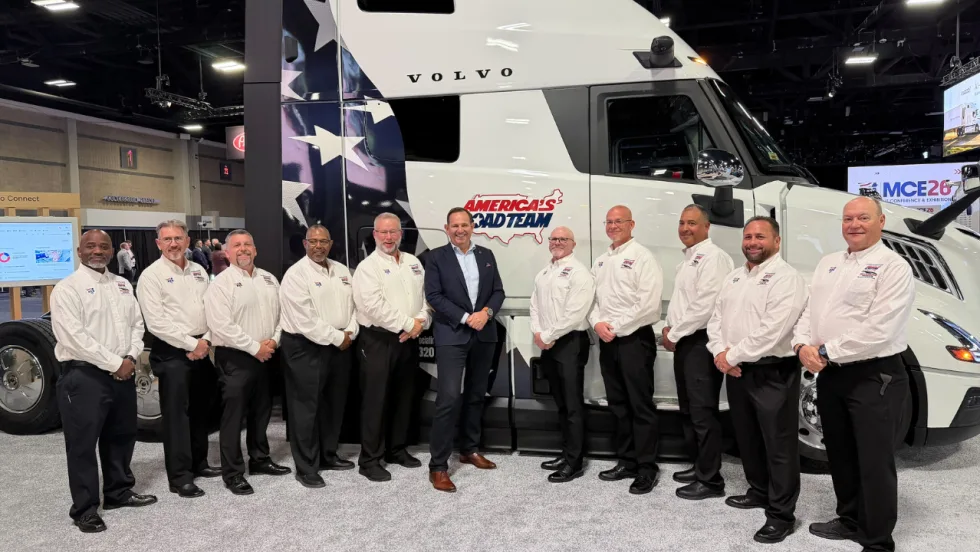
Volvo Trucks Marks 25 Years as Exclusive Sponsor of America's Road Team
Volvo Trucks North America will serve as the exclusive sponsor of the American Trucking Associations' America's Road Team, marking 25 years of Volvo sponsorship. The group of professional drivers promotes safety and the industry as they travel the country.
Read More →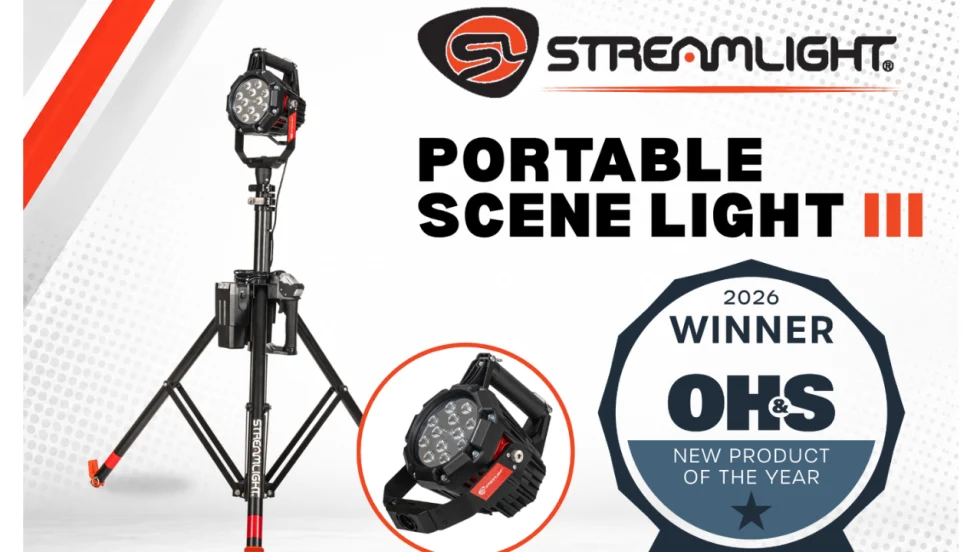
Streamlight’s High-Output Scene Light Recognized with Occupational Safety Award
Streamlight’s Portable Scene Light III (PSL III) won the 2026 Occupational Health & Safety (OH&S) New Product of the Year Award in the Lighting category.
Read More →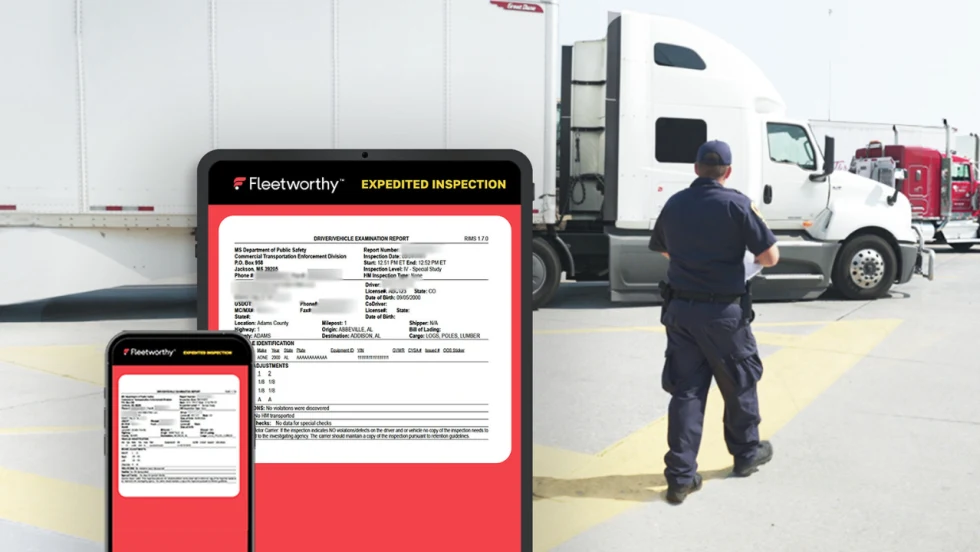
Fleetworthy Expands Expedited Inspection to 5 States
Following its industry-first launch in Nevada, Fleetworthy’s automated inspection technology is now live in California, Michigan, Vermont, and Maine.
Read More →
Crossing State Lines in a Light-Duty Work Truck? Check These Rules First
Crossing state lines in a lighter work truck? J.J. Keller's Kathy Close explains when IRP registration, trip permits, and towing rules come into play.
Read More →
Simple Tire Checks That Help Keep Your Business Fleet Moving
A survey found that nearly one in every 10 passenger vehicles has at least one bald tire. What's more, 27% -- more than one in four -- of vehicles are driven with one or more severely under-inflated tires.
Read More →