




FMCSA Issues Two Narrow ELD Exemptions to All Carriers
Having decided to grant part of a United Parcel Service request for a limited 5-year exemption from some provisions of the electronic logging device mandate, the Federal Motor Carrier Safety Administration will now allow all motor carriers — not just UPS — and drivers to make use of two new temporary exemptions from the ELD rule.

Having decided to grant part of a United Parcel Service request for a limited 5-year exemption from some provisions of the electronic logging device mandate, the Federal Motor Carrier Safety Administration will now allow all motor carriers — not just UPS — and drivers to make use of two new temporary exemptions from the ELD rule.
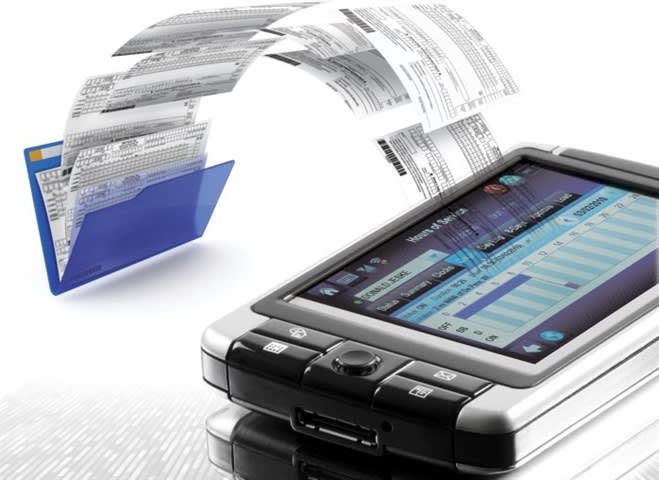
The first exemption will temporarily permit the use of portable “driver-based” ELDs to record engine data “only when the driver is in a CMV and the engine is powered." What that means in plainer English is that drivers who use smartphone- or tablet-based ELDs (as do UPS drivers) will be able to indicate a change of duty status when they are outside of and away from their truck.
The second exemption will temporarily allow carriers to configure an ELD with a “yard-move mode” that does not require a driver to re-input the truck’s yard-move status every time the tractor is powered off.
The two exemptions are being granted for the 5-year period beginning on Oct. 20, 2017, and ending on Oct. 20, 2022 — unless they are rescinded at any time by FMCSA.
The agency stated that the exemptions will be rescinded if:
Motor carriers and/or drivers fail to comply with the terms and conditions of the exemptions
The exemptions have resulted in a lower level of safety than was maintained before they were granted
Continuation of the exemptions would not be consistent with the goals and objectives of 49 U.S.C. 31136(e) and 31315(b)
FMSCA further stated that: “Interested parties possessing information that would demonstrate that motor carriers or drivers participating in either of the exemptions are not achieving the requisite statutory level of safety should immediately notify FMCSA.”
The agency noted that it will evaluate any such information and “if safety is being compromised or if the continuation of the exemption is not consistent with 49 U.S.C. 31136(e) and 311315(b), [it] will take immediate steps to revoke the exemption.”
The agency stated in its notice on the exemptions published in the Oct. 20th Federal Register that it had decided granting these temporary exemptions “would not have an adverse impact on safety, and that a level of safety equivalent to or greater than the level of safety provided by the regulation would be maintained.”
The new ELD rule takes effect in just about 8 weeks, on Dec. 18th.
Related Commentary: A Whirlwind of Last-Minute ELD Preparations
Originally posted on Automotive Fleet
More Technology & AI
Fleet Downtime, Truck Theft, and Electric Growth Lead This Month
Where is your fleet losing time? This Truck Chat recap connects repair delays, theft risks, storm planning, and lessons from scaling electric trucks.
Read More →
HCSS Partners with Verizon Connect to Deliver Fleet Intelligence for Construction Fleets
HCSS has integrated with Verizon Connect to provide near real-time fleet insights so contractors can spend less time tracking assets and more time keeping projects on schedule.
Read More →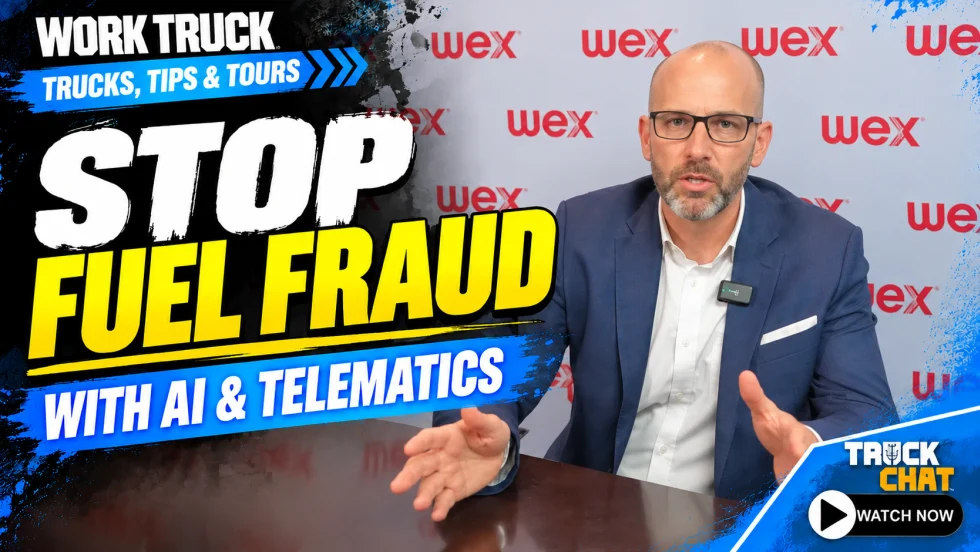
How Fleets Can Use Technology to Fight Fuel Fraud
Fuel fraud and theft remain significant challenges for commercial fleets, whether the problem involves third-party fraud or driver misuse. In this video, David Abraham of WEX explains how SecureFuel uses vehicle geolocation, telematics, transaction information, and AI to help fleet managers identify suspicious fuel purchases and make more informed decisions.
Read More →From Our Partners
Basic Tracking vs Next Generation Fleet Technology
Sponsored by AT&T Business

5 Facts Every Fleet Manager Should Know About Embedded Telematics
Sponsored by Stellantis/Mobilisights

How AI Video Telematics Boosts Driver Safety and Helps to Avoid Unnecessary Costs
Sponsored by Verizon Connect

Charting the 8 Bottom-Line Benefits of Workforce Optimization
Sponsored by Verizon Connect

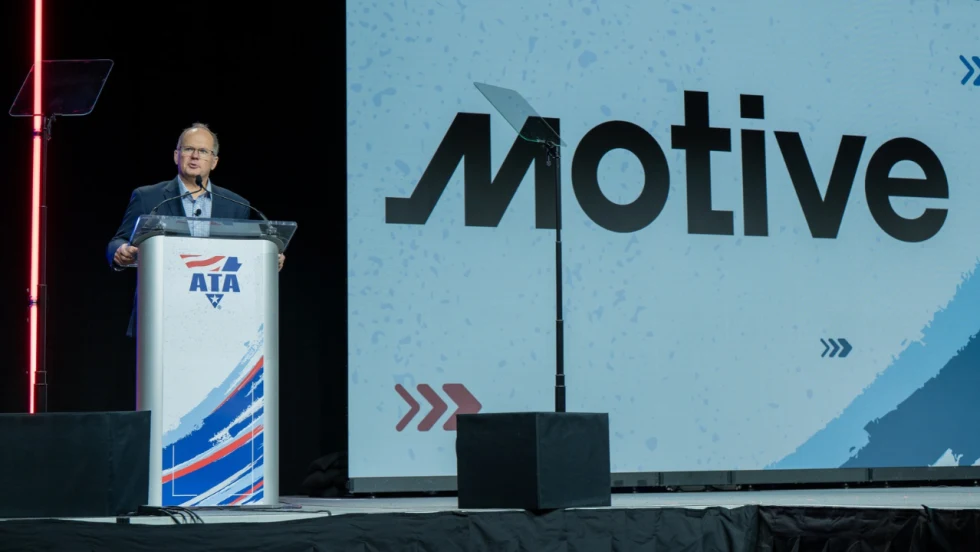
Can AI Agents Help Small Work Truck Fleets Do More With Less?
Motive's new AI Agents automate fleet safety, maintenance, compliance, and dispatch tasks. Here's how they work for smaller fleets, what managers control, and what early users are seeing.
Read More →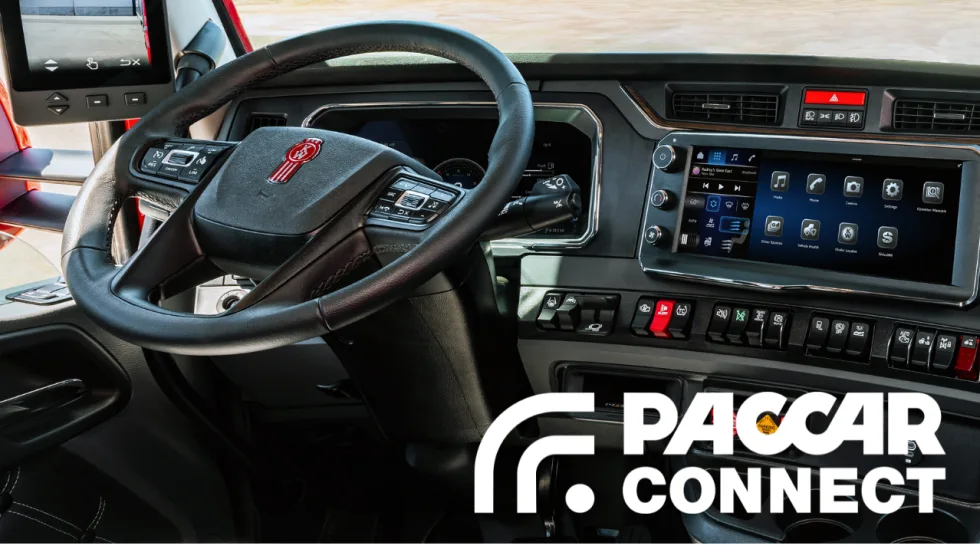
Paccar Launches Paccar Connect for Peterbilt and Kenworth Trucks
The new Paccar Connect offers touchscreen displays, telematics capabilities, and an expanding app ecosystem to boost productivity and streamline driver workflows.
Read More →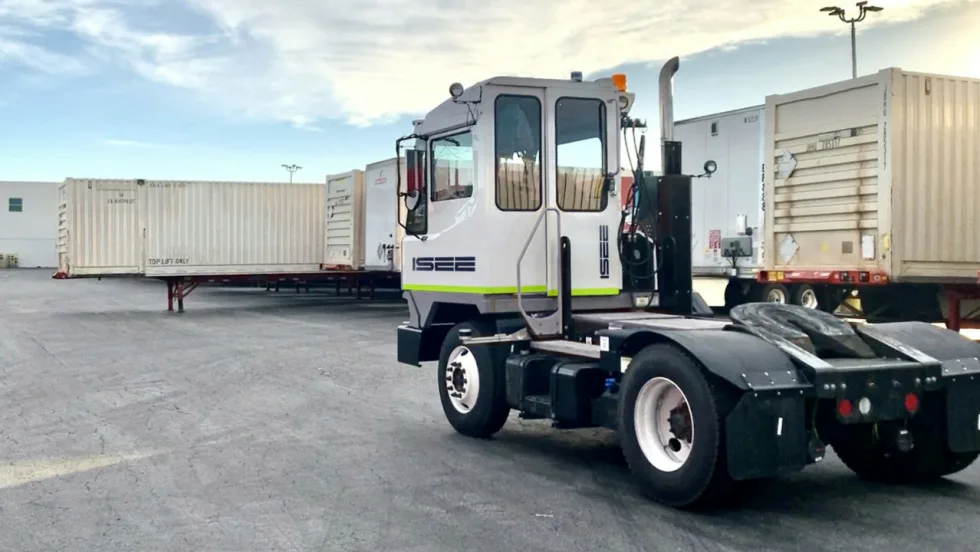
Holman and ISEE Partner to Expand Autonomous Yard Truck Operations
The partnership combines Holman's fleet management and upfitting capabilities with ISEE's autonomous driving technology to help businesses deploy and manage driverless yard trucks.
Read More →
Who You Gonna Call? Rivian Turns Electric Vehicles Into Ghostbusters Rides
Rivian teams up with Sony Pictures for a Ghostbusters-inspired Halloween software update, complete with custom sounds, lighting effects, and a special Ecto-R1.
Read More →
The Second Trip and What Missing Tools Really Cost a Service Business
For service fleets, missing tools and equipment can lead to second trips, lost technician time, higher operating costs, and delayed jobs. Equipment tracking can help HVAC, plumbing, electrical, landscaping, and other service businesses improve visibility and reduce downtime.
Read More →
GeoFencing Adds to Your Truck Security Arsenal
Geofencing is a familiar fleet tool today, but its early adoption marked a major shift in vehicle tracking, route monitoring, and the debate over employee privacy.
Read More →
Geotab Data Shows Regional Trucking Growing Faster as Last Mile Routes Get Denser
Geotab's first U.S. supply chain report finds stable long-haul activity, stronger regional freight movement, tighter hub-and-spoke utilization, and more last-mile trips on shorter routes.
Read More →