




GM Claims Highest Power Ratings for Colorado/Canyon
Horsepower and torque ratings announced this morning by General Motors will make its 2015 Chevrolet Colorado and GMC Canyon pickups the most powerful in the midsized truck segment, the company claims.

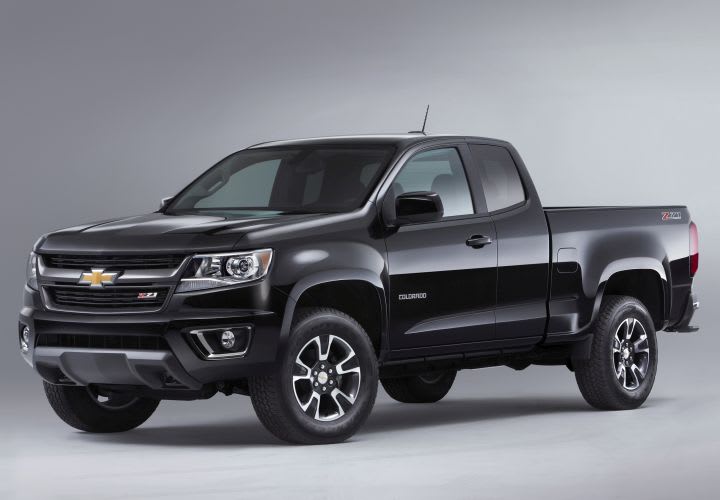
Photo of Chevrolet Colorado courtesy of GM.
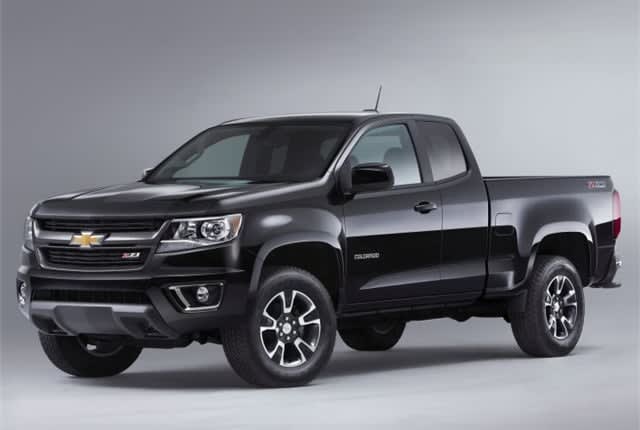
Photo of Chevrolet Colorado courtesy of GM.
Horsepower and torque ratings announced this morning by General Motors will make its 2015 Chevrolet Colorado and GMC Canyon pickups the most powerful in the midsized truck segment, the company claims.
The trucks are larger and roomier than current models, and product planners included commercial uses during the design process.
The Colorado and Canyon's gasoline engines will include the standard 2.5-liter inline-4, rated at 200 horsepower and 191 pound-feet, and the optional 3.6-liter V-6, with 305 horsepower and 269 pound-feet. The announcement did not mention a diesel that will be available later.
With trailering packages and the V-6, the Colorado and Canyon will have towing capacities of up to 7,000 pounds, also the most in the midsize segment, GM's announcement said. Main competitors are the Nissan Frontier and Toyota Tacoma, which also use I-4 and V-6 engines.
The GM engines feature direct fuel injection, dual-overhead camshafts with variable valve timing, and jet-spray piston cooling. They have lightweight aluminum blocks and strong forged-steel crankshafts, said Anita Burke, vehicle chief engineer for midsize trucks.
Both are based on engines used throughout the General Motors car family, but are optimized for the demands of truck use, she said. This includes torque at lower RPMs for better towing power and a more confident feeling while pulling a trailer.
Both engines are matched to a six-speed automatic transmission; a six-speed manual is available on certain extended-cab 2WD models. The six-speed automatic is tuned specifically for the truck engines, offering features like auto grade braking and tow/haul mode.
"Not everyone needs the size or the capability of a full-sized pickup," Burke said in explaining why GM chose to stay in the segment while Ford dropped its Ranger pickup. "Now customers have a viable option in a smaller package."
"We had a real pull from the market," Mike Jones, GM's truck product manager, said earlier this year. "They (customers) really liked it. If you don't need towing but still need the versatility of a pickup, and want maneuverability and fuel economy, why not?"
Jones thinks the new Colorado/Canyon should do well as a commercial truck, including for foremen and supervisors who haul themselves more than boards, bags and boxes of supplies and tools, and services like pest control, where companies are already using current compact and midsize trucks.
Quiet cabs and a big, roomy console can make the Colorado/Canyon into a rolling office. A bed-delete option will be available so specialized bodies can be mounted without having to pay for and discard the pickup bed.
The Colorado and Canyon will be assembled at GM's Wentzville, Mo., plant, with production beginning this fall.
By Tom Berg
Originally posted on Automotive Fleet
More Operations

Shades of Fleet Wants to Hear From You About Building a Culture of Care
Fleet leaders, we want to hear from you. Share how empathy, trust, and creating space for people can strengthen your team, improve performance, and support retention.
Read More →
What Racing Can Teach Work Truck Fleets About the Work Nobody Sees
Race car driver and mechanical engineer Isaac Johnson shares practical lessons on preparation, relationships, setbacks, and building teams that perform when it counts.
Read More →
New Fleet Guides, Hidden Truck Wear, and Driver Fit Lead This Month
Our latest Truck Chat recap covers new Fleet Guides, hidden idling costs, driver fit, lighter-truck registration rules, and year-round technician appreciation.
Read More →From Our Partners
Basic Tracking vs Next Generation Fleet Technology
Sponsored by AT&T Business
5 Facts Every Fleet Manager Should Know About Embedded Telematics
Sponsored by Stellantis/Mobilisights
How AI Video Telematics Boosts Driver Safety and Helps to Avoid Unnecessary Costs
Sponsored by Verizon Connect

Charting the 8 Bottom-Line Benefits of Workforce Optimization
Sponsored by Verizon Connect


Work Truck Takes Fleet Rivalry Downhill to Support Skilled Trades
Team Fletcher claimed a head-to-head win and second overall as Work Truck and Automotive Fleet helped raise $22,000 for the Hourglass Foundation.
Read More →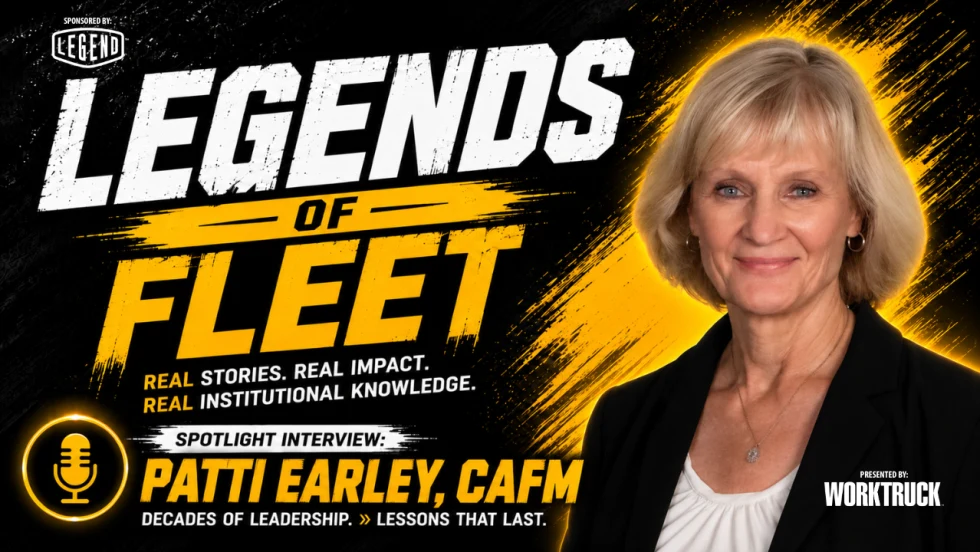
From Ledger Books to AI Patti Earley Shares 40 Years of Fleet Lessons
Patti Earley, CAFM, shares what four decades in fleet have taught her about using data, building relationships, and listening to the people behind the vehicles.
Read More →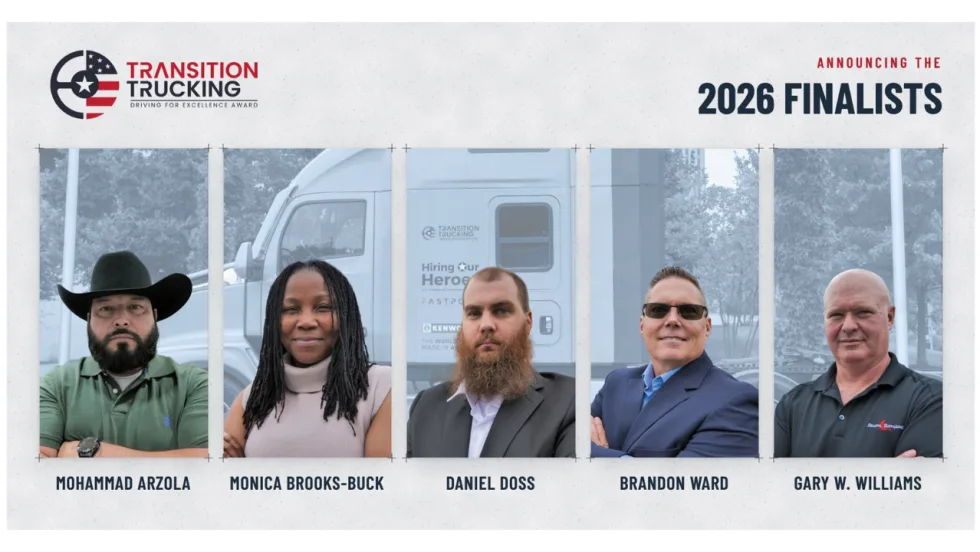
Finalists Announced for 2026 Transition Trucking: Driving for Excellence Award
Kenworth Truck Company, Fastport, and the U.S. Chamber of Commerce Foundation's Hiring Our Heroes program have announced the five finalists for the 2026 Transition Trucking: Driving for Excellence Award.
Read More →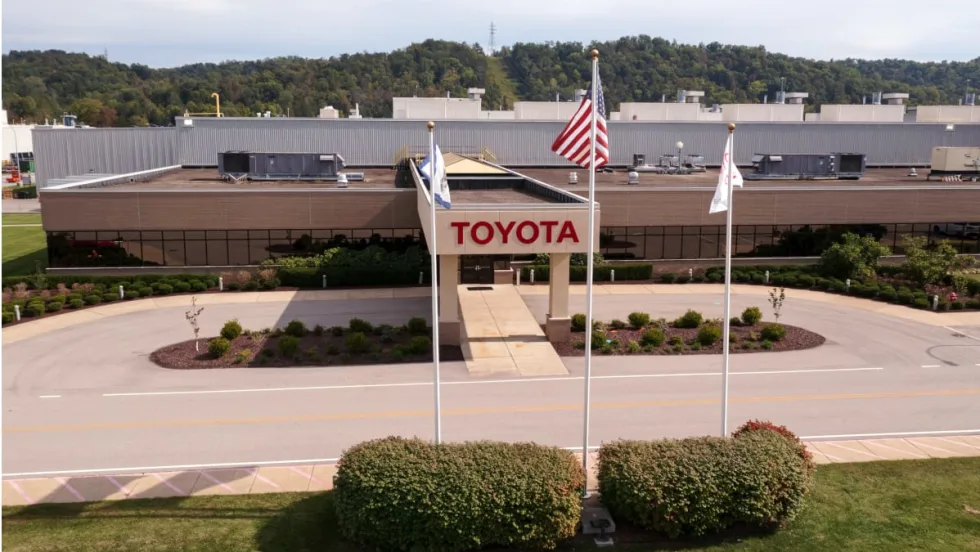
Toyota West Virginia Celebrates Three Decades of Manufacturing in the Mountain State
Toyota West Virginia celebrated 30 years of manufacturing. Toyota assembles both engines and drivetrain components in West Virginia to support its North American operations.
Read More →
The Hidden Cost of Idling
A low-mileage truck can still be one of the fleet’s hardest-working and most worn assets. Engine hours, idle time, and duty cycle reveal what the odometer misses.
Read More →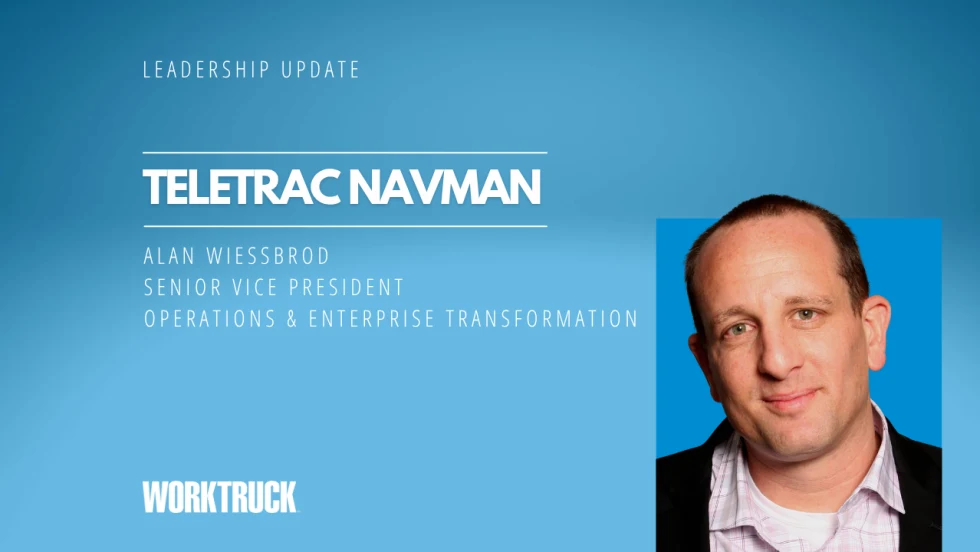
Teletrac Navman Hires SVP of Operations & Enterprise Transformation
Teletrac Navman has appointed Alan Wiessbrod to its senior leadership team as senior vice president, operations and enterprise transformation. The company said he has a strong track record of delivering profitable growth and operational excellence.
Read More →
2027 GM Trucks, Technician Retention, and Fleet Lessons Lead This Week’s News
New GM pickups, technician retention, fleet leadership lessons, winter equipment, and more headline this week’s Truck Chat Weekly Cheat Sheet.
Read More →