




Forecast of Natural Gas Trucks to be Sold Worldwide from 2012-2019
Because trucks and buses use significant amounts of fuel and tend to emit high levels of greenhouse gases (GHG) emissions, diesel and natural gas (NG) vehicles are increasingly attractive options in these commercial markets.
Because trucks and buses use significant amounts of fuel and tend to emit high levels of greenhouse gases (GHG) emissions, diesel and natural gas (NG) vehicles are increasingly attractive options in these commercial markets.
At the same time, the rebounding construction industry is pushing growth in the overall truck market while cities and municipalities look to expand their public transit systems. According to a recent report from Pike Research, a part of Navigant’s Energy Practice, sales of natural gas trucks and buses will expand steadily over the remainder of the decade. More than 930,000 of these vehicles will be sold worldwide from 2012 to 2019, the study concludes.
“NG vehicles emit substantially lower levels of GHGs, particulate matter, and nitrogen oxide than either gasoline- or diesel-powered trucks and buses,” said Senior Research Analyst Dave Hurst. “What’s more, compared to diesel engines, natural gas provides a financial benefit. In most cases, the higher incremental cost of an NG vehicle is typically recovered, due to lower fuel costs, within two to seven years.”
NG trucks typically run on compressed natural gas (CNG) because their tanks weigh less and are less costly than those for liquefied natural gas (LNG). LNG trucks, however, are increasingly used as longer range vehicles (400 miles or more compared to 150 to 300 miles for CNG vehicles) and are seeing higher growth rates than CNG trucks (17 percent versus 14 percent in heavy-duty trucks). The worldwide breakdown of refueling stations for these two types of natural gas is 117 LNG refueling stations versus 20,233 CNG refueling stations. About 45 percent of the LNG refueling stations are located in the United States, even though China has the largest annual sales for LNG fueled trucks, with 3,020 vehicle sales in 2012.
The report, “Natural Gas Trucks and Buses”, analyzes the global market opportunity for natural gas vehicles in the medium- and heavy-duty truck and bus markets. The report provides a comprehensive assessment of the current market, fuel availability, demand drivers, policy factors, and technology issues associated with the growth of these vehicles. Key industry players are profiled in depth, and worldwide NG vehicle sales, vehicle segment sales, and cumulative refueling station availability are forecast through 2019. An Executive Summary of the report is available for free download on the Pike Research website.
More Fuel
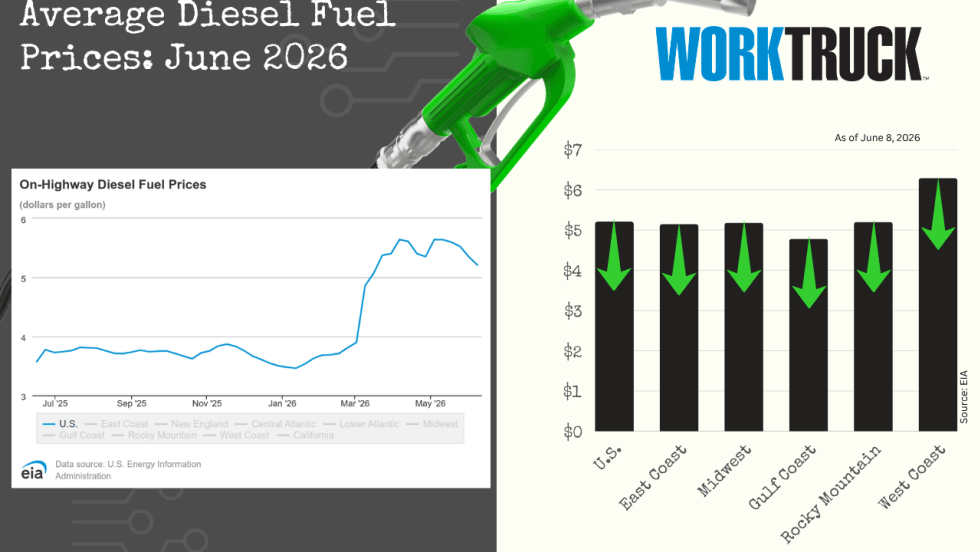
June Diesel Trends Update
The national average price of a gallon of diesel decreased by 14 cents this week, and all five regions reported lower prices, ranging from just under 9 cents to 21 cents cheaper than a week ago.
Read More →
3 Benefits of Hydrogen as a Fuel
Hydrogen fuel offers zero harmful emissions, incredible energy density, and flexible production pathways. In this video, we learn from a hydrogen industry insider about the three biggest benefits of hydrogen as a fuel to power commercial vehicles.
Read More →
Are You Tracking Your Fleet's True Total Cost of Ownership?
Bobit Business Media surveyed 190 fleet professionals and found that while most fleets are tracking costs, fragmented systems and data gaps are keeping true TCO visibility out of reach. With rising pressure to control spend in an increasingly volatile environment, the gap between what fleets think they know and what the data actually shows is wider than you might expect. See how your peers are managing costs today and where the industry still has room to improve.
Read More →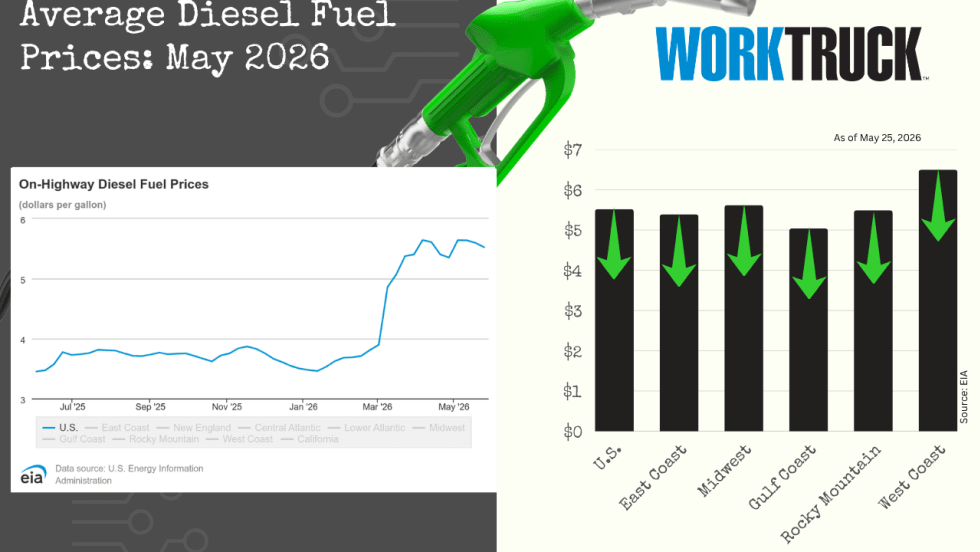
May Diesel Trends Update
The national average price of a gallon of diesel decreased by more than 7 cents this week, and all five regions reported lower prices, ranging from just over 2 cents to more than 12 cents cheaper than a week ago.
Read More →
How Hydrogen Fuel Is Produced for Fuel Cell Trucks
How is hydrogen produced for fuel cell trucks? Let’s learn more about that as Pajarito Powder CEO Christian Mohrdieck walks us through the process in this video.
Read More →
RoadFlex Launches Mobile App for Drivers and Fleet Managers
RoadFlex has launched its mobile app to give fleet teams a faster, easier way to manage fleet card activity, capture receipts, review transactions, and maintain spend visibility from the field.
Read More →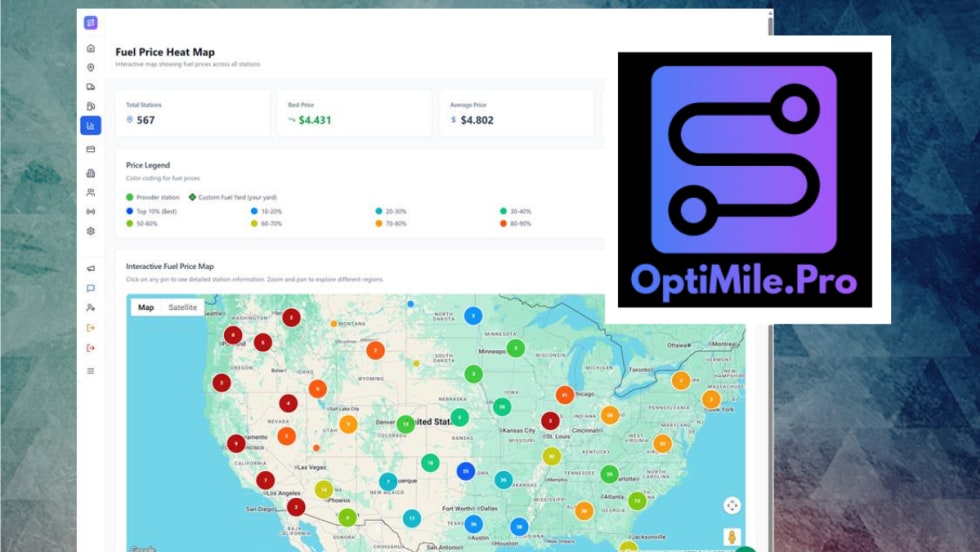
OptiMile Pro Launches Fuel Planning Platform to Cut Fleet Fuel Spend
OmtiMile Pro’s new software replaces the "fill up when empty" habit with a globally optimized fuel plan that picks the cheapest stop in the fleet's contracted network and the precise amount of fuel to load on every run.
Read More →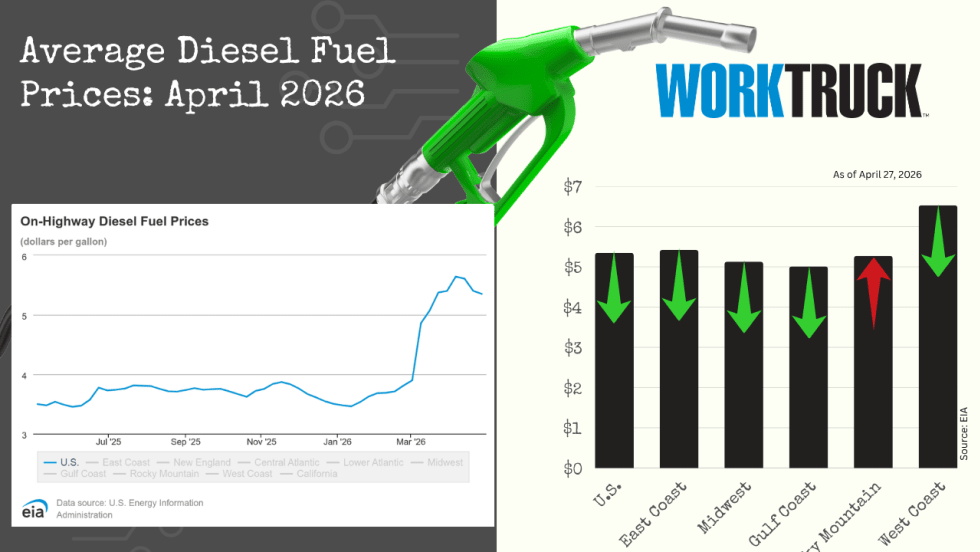
April Diesel Trends Update
The national average price of a gallon of diesel dropped by more than 5 cents this week, and all but one region reported price decreases.
Read More →
ChargePoint & South Coast Air Quality Management District Surpass 90 EV Charger Installations Across Southern California
ChargePoint has enabled more than 90 charging ports for the South Coast Air Quality Management District in Southern California. The project replaced outdated chargers with 55 new, Level 2 ChargePoint units capable of serving 94 vehicles simultaneously.
Read More →
Pajarito Powder Appoints Hydrogen Industry Veteran as New CEO
Pajarito Powder has appointed Christian Mohrdieck, who has a wealth of experience and knowledge in both the fuel cell and electrolyzer businesses, as its new CEO.
Read More →