




Hurricane Harvey Could Disrupt Trucking for Some Time
Hurricane Harvey, whose heavy rains brought devastating flooding to Houston and much of south Texas, may yet cause more trouble for the region-- the National Weather Service predicting an additional 25 inches of rain through the end of the week in certain areas.
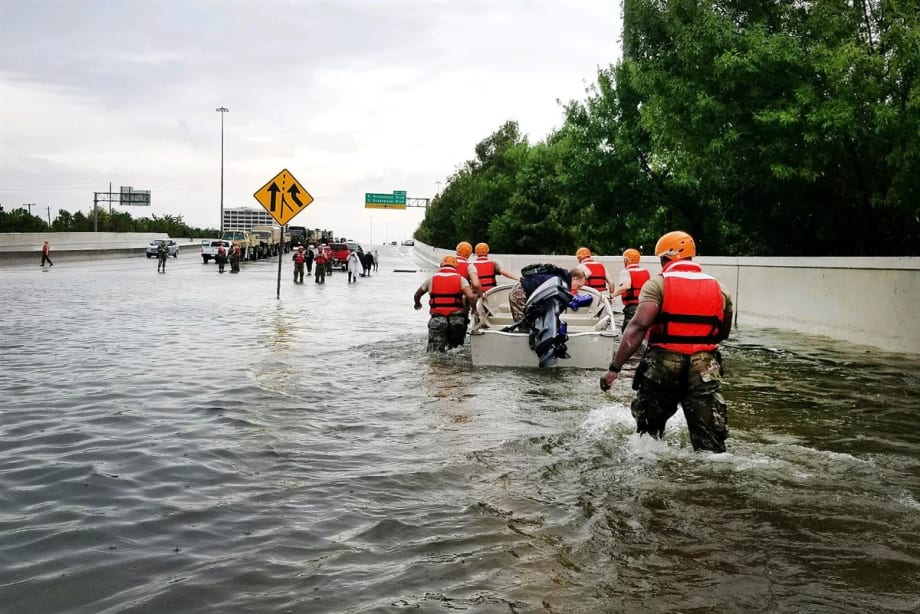
Photo: Texas Army National Guard/ Lt. Zachary West
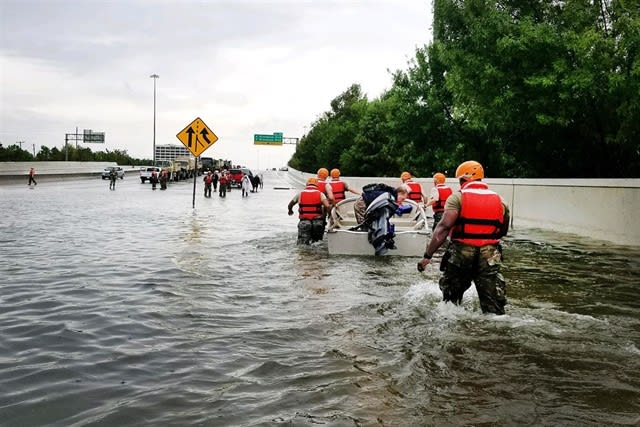
Photo: Texas Army National Guard/ Lt. Zachary West
Hurricane Harvey, whose heavy rains brought devastating flooding to Houston and much of south Texas, may yet cause more trouble for the region-- the National Weather Service is predicting an additional 25 inches of rain through the end of the week in certain areas.
Some parts of Texas have already seen as much as 30 inches of rainfall, with flood waters covering freeways, homes, and neighborhoods across south Texas in an area the size of Lake Michigan, a Red Cross administrator told National Public Radio.
It will be a while before the totality of the damage is realized in the fourth largest city in the U.S., but some are estimating that 30,000 are currently without a home. Many key roads in the area are impassable or washed away and that is also impacting businesses, including trucking operations.
The Texas Department of Transportation discouraged travel in the affected area, warning drivers that Harvey would continue to linger in Southeast Texas, bringing substantial wind and rain to the area. TxDOT is also providing an interactive map that shows current road conditions in the state.
Trucking research and analysis firm FTR estimates that Hurricane Harvey could strongly affect over 7% of U.S. trucking with up to 10% of all U.S. trucking being affected during this first week.
FTR attributed this disruption to trucking to a few broad effects. Trucks will have to wait for the water to recede from roads and docks in the region before freight begins to move. Extra shipments of relief construction supplies will take precedence, so overall productivity could decrease due to out-of-cycle supply chain demands. Then, most obviously, there is the infrastructure nightmare due to congestion and backed up loading docks.
The hurricane will also have significant pricing effects on the spot market based on observations made after similar storms, such as Hurricane Katrina in 2005, according to FTR. Ports and railways are also jammed with traffic waiting just outside the affected area, falling behind schedule.
“Look for spot prices to jump over the next several weeks with very strong effects in Texas and the South Central region,” said Noël Perry, partner at FTR. “Spot pricing was already up strong, in double-digit territory. Market participants could easily add 5 percentage points to those numbers.”
Fuel prices are also expected to jump as Texas provides 30% of U.S. refinery capacity. Regional diesel prices are expected to be strongly affected with national prices increasing as well. The storm could cause temporary shortages for the Gulf Region and increase prices in the Northeast, which supplies some of its oil from the region, according to the Washington Post.
While Harvey is no longer a hurricane, having been downgraded to a tropical storm as it weakened over land, it could still deliver buckets of rain that could cause more congestion and problems for transportation along its path.
The storm is expected to stall over the Gulf region, near Louisiana, before eventually moving northeast through the Mississippi River region into parts of Arkansas, Mississippi, Alabama, Tennessee, Missouri, and Kentucky. There are also reports that another tropical storm, named Irma, is being tracked off the coast of Florida could bring additional problems to the East Coast.
Word came late this afternoon that Texas Governor Greg Abbott (R) has activated the entire Texas National Guard in response to Hurricane Harvey, bringing the total number of deployed guardsmen to roughly 12,000. The governor’s office said the National Guard will assist in the ongoing search and rescue effort for any Texans in immediate danger, and will be “heavily involved in the extensive recovery effort” in the storm’s aftermath.
“It is imperative that we do everything possible to protect the lives and safety of people across the state of Texas as we continue to face the aftermath of this storm,” said Gov. Abbott. “The Texas National Guard is working closely with FEMA and federal troops to respond urgently to the growing needs of Texans who have fallen victim to Hurricane Harvey, and the activation of the entire Guard will assist in the efforts already under way.”
"While this is still a dangerous situation with a long response effort ahead, the state and people of Texas are resilient," said FEMA Administrator Brock Long. "FEMA was here before the storm hit, and we will be here as long as needed, actively coordinating the full resources of the federal government, to support Gov. Abbott and the state."
Originally posted on Automotive Fleet
More Operations
It's 10 p.m... Do You Know Who Has Access to Your Fleet?
Preventing cargo theft requires investment in technology, operational processes, and employee training. In an industry with tight margins, it can be difficult to justify investments whose value is measured by incidents that might never occur.
Read More →
GeoFencing Adds to Your Truck Security Arsenal
Geofencing is a familiar fleet tool today, but its early adoption marked a major shift in vehicle tracking, route monitoring, and the debate over employee privacy.
Read More →
Truckers’ Strike Rumors, New GM Engines, and Hidden Idling Costs Lead This Week’s News
Truckers’ strike rumors, GM’s new 2027 engines, hidden idling costs, racing lessons, IRP rules, and more headline this week’s Truck Chat Weekly Cheat Sheet.
Read More →From Our Partners
Basic Tracking vs Next Generation Fleet Technology
Sponsored by AT&T Business

5 Facts Every Fleet Manager Should Know About Embedded Telematics
Sponsored by Stellantis/Mobilisights
How AI Video Telematics Boosts Driver Safety and Helps to Avoid Unnecessary Costs
Sponsored by Verizon Connect

Charting the 8 Bottom-Line Benefits of Workforce Optimization
Sponsored by Verizon Connect


Shades of Fleet Wants to Hear From You About Building a Culture of Care
Fleet leaders, we want to hear from you. Share how empathy, trust, and creating space for people can strengthen your team, improve performance, and support retention.
Read More →
What Racing Can Teach Work Truck Fleets About the Work Nobody Sees
Race car driver and mechanical engineer Isaac Johnson shares practical lessons on preparation, relationships, setbacks, and building teams that perform when it counts.
Read More →
New Fleet Guides, Hidden Truck Wear, and Driver Fit Lead This Month
Our latest Truck Chat recap covers new Fleet Guides, hidden idling costs, driver fit, lighter-truck registration rules, and year-round technician appreciation.
Read More →
Work Truck Takes Fleet Rivalry Downhill to Support Skilled Trades
Team Fletcher claimed a head-to-head win and second overall as Work Truck and Automotive Fleet helped raise $22,000 for the Hourglass Foundation.
Read More →
From Ledger Books to AI Patti Earley Shares 40 Years of Fleet Lessons
Patti Earley, CAFM, shares what four decades in fleet have taught her about using data, building relationships, and listening to the people behind the vehicles.
Read More →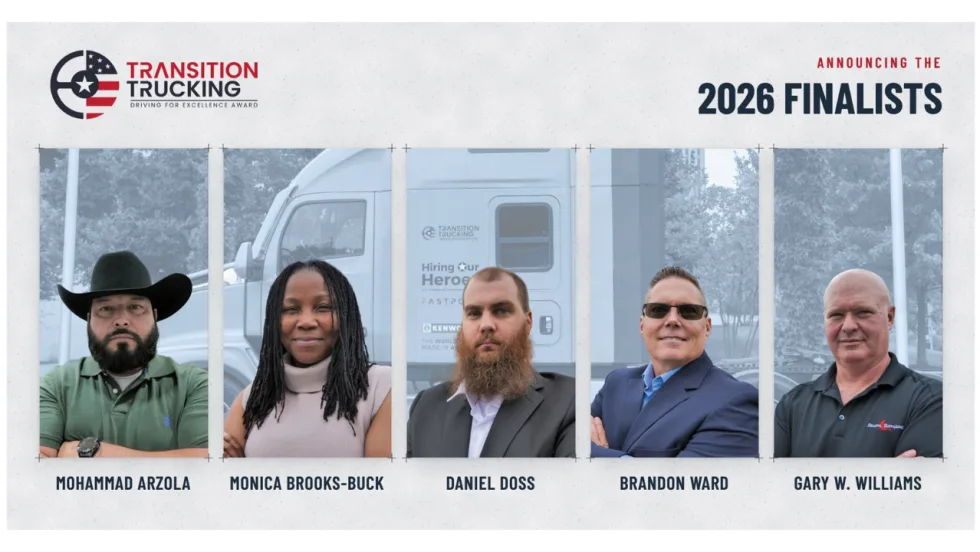
Finalists Announced for 2026 Transition Trucking: Driving for Excellence Award
Kenworth Truck Company, Fastport, and the U.S. Chamber of Commerce Foundation's Hiring Our Heroes program have announced the five finalists for the 2026 Transition Trucking: Driving for Excellence Award.
Read More →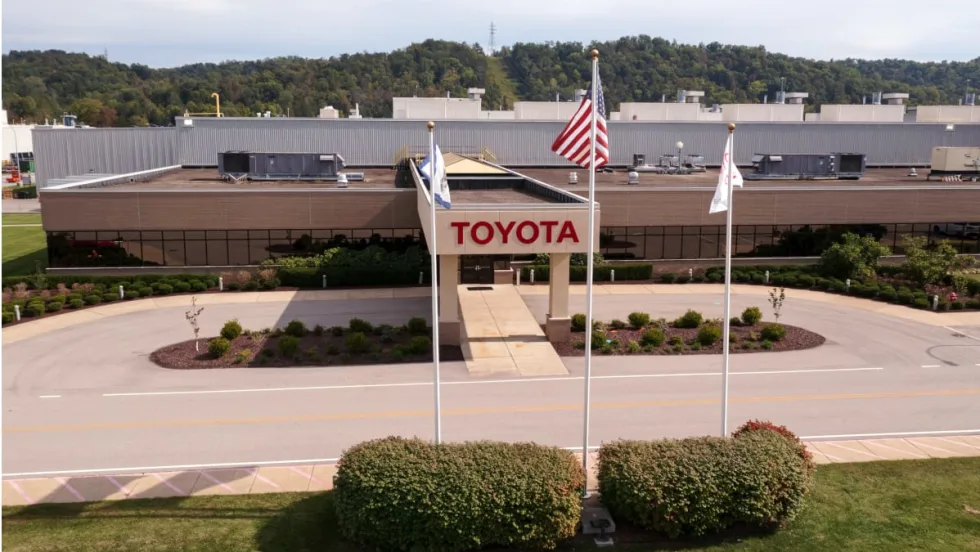
Toyota West Virginia Celebrates Three Decades of Manufacturing in the Mountain State
Toyota West Virginia celebrated 30 years of manufacturing. Toyota assembles both engines and drivetrain components in West Virginia to support its North American operations.
Read More →