




ELD Violations Won't Count Against CSA Scores During Transition Period
Federal officials have taken another step to make the transition to mandatory electronic devices less painful. If drivers are cited at roadside for not complying with the ELD rule come the Dec. 18 deadline, the citation will be a “no points cite” that will not affect the Safety Measurement System that feeds into CSA scores – until April 1.
November 15, 2017


Derek Barrs, Florida’s chief of commercial vehicle enforcement, asked for a show of hands among the state enforcement people in the room if they were ready for the ELD mandate. Photo: Deborah Lockridge
4 min to read

Derek Barrs, Florida’s chief of commercial vehicle enforcement, asked for a show of hands among the state enforcement people in the room if they were ready for the ELD mandate. Photo: Deborah Lockridge
BIRMINGHAM, AL – Federal officials have taken another step to make the transition to mandatory electronic devices less painful.
If drivers are cited at roadside for not complying with the ELD rule come the Dec. 18 deadline, the citation will be a “no points cite” that will not affect the Safety Measurement System that feeds into CSA (Compliance, Safety, Accountability) scores – through April 1.
Federal Motor Carrier Safety Administration officials shared this news during the Southern Regional Road Show event Wednesday.
In late August, FMCSA and the Commercial Vehicle Safety Alliance announced a phased-in approach to the ELD mandate and said it would delay implementing out-of-service criteria related to ELDs until April 1, 2018, and that each jurisdiction would have discretion as to whether they actually issue citations in the beginning.
As it has become increasingly obvious that much of the trucking industry as well as the enforcement community are not fully ready for the Dec. 18 ELD mandate deadline, the agency apparently felt it needed to go further.
Jon Dierberger, FMCSA field administrator, told the room full of enforcement officials and a smattering of fleet and insurance representatives that for violations cited at roadside for not having an ELD through April 1, there will be no SMS points impact. He confirmed to HDT that this was in a recent internal memo.
Anne Collins, associate administrator, FMCSA field operations, confirmed to HDT that this was a recent “corollary” to the previous announcement that ELD citations would not result in out of service orders, in order to be “clear and consistent nationwide.”
Lane Kidd, managing director of The Alliance for Driver Safety & Security, pointed out in an email response to HDT that this doesn't mean there won't be repercussions for not having an ELD.
"Tickets may not levy points against the driver, but the fines attached to those tickets will likely cost the drivers more than the price of an ELD, so I'd hardly call this announcement a win for anybody holding out on buying an ELD." The Trucking Alliance, as it's known, is a proponent of ELDs and other truck safety technologies, such as collision mitigation and speed limiters.
Officials reiterated that there would be no extension of the ELD mandate deadline, noting that the rule has been out there for nearly two years now, and that it is "supported at the highest levels."
However, as part of an ELD implementation panel discussion at the roadshow, Derek Barrs, Florida’s chief of commercial vehicle enforcement, asked for a show of hands among the state enforcement people in the room if they were ready for the ELD mandate. Not a single hand was raised.
Dierberger told the room that the eRODS software that enforcement officials will use to “read” the data from ELDs at roadside is still in final testing and is scheduled to be released by the end of November. The FMCSA has been conducting "train the trainer" programs, and those trainers are now in the process of training enforcement officials in their jurisdictions, along with a not-final version of the software.
Fleet comments as part of the discussion indicated problems with not being able to get ELDs – and the problem extends to the AOBRDs, or automatic onbaord recording devices, that would allow for grandfathering for an additional two years. Safety staff from one fleet said while it has AOBRDs installed in half of its fleet, it’s been trying for six months to get them installed in the remaining half; its provider says it has been “overwhelmed” with orders.
Barrs emphasized the importance of fleets making sure drivers are prepared for the roadside encounter with the enforcement official. Drivers need to know how to handle the data transfer, and if they need to show their logs on the device itself they need to be able to show the enforcement officer how to navigate through the ELD. They need to have the required instructions available, and be able to answer questions such as whether they have and AOBRD or ELD, or why they are exempt, such as in the case of trucks with older non-electronic engines.
“Our folks are going to be learning as well; that’s a cold hard fact,” Barrs said. “We have a learning curve just like your drivers are. It’s going to take a partnership between the roadside officer and the driver to push this forward at the end of the day.”
Originally posted on Automotive Fleet
More Safety & Compliance

What Your Fleet's Brakes Might Be Telling You About Tailgating
Could frequent brake replacements reveal a driver following too closely? Learn how brake wear, driving habits, and maintenance costs connect.
Recalls You Need to Know About in November 2026
If you have Altec, Autocar, Battle Motors, Chrysler, Daimler Truck, Ford, General Motors, Kalmar, Mack Trucks, Paccar, Rivian, Terex, Toyota, or Volvo Trucks vehicles in your fleet, you should check these important recalls issued by the National Highway Traffic Safety Administration.
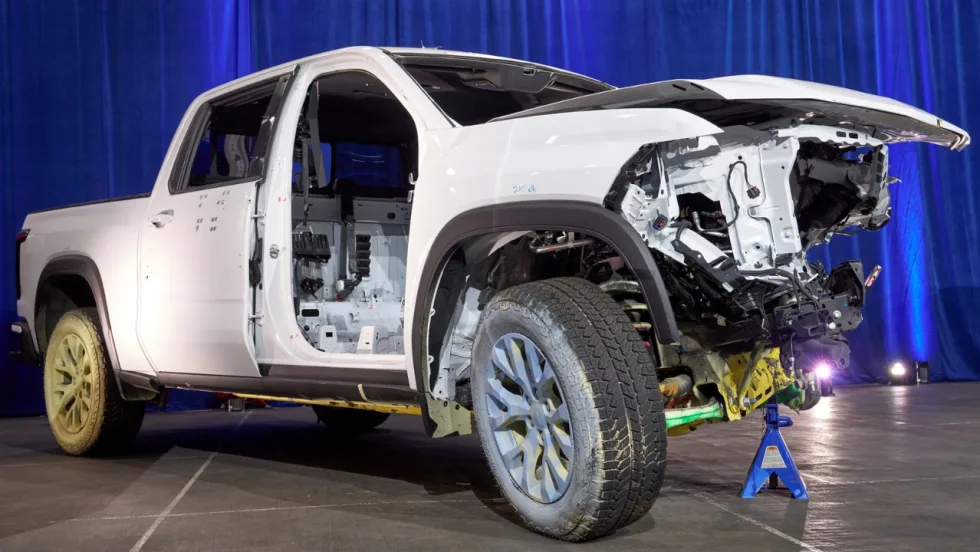
GM Runs 92,000 Virtual Crash Tests to Develop 2027 Chevrolet Silverado 1500
GM used 92,000 simulated crashes to evaluate the 2027 Chevrolet Silverado 1500's safety performance before confirming results through physical testing.
From Our Partners



Thanksgiving Cargo Theft Risks Put Fleet Security in Focus
J. J. Keller shares cargo theft prevention tips for work truck fleets ahead of Thanksgiving, when parked vehicles and reduced staffing can increase security risks.
5 Winter Fleet Videos to Help Keep Trucks Running and Drivers Safe
From preventing cold-weather breakdowns to navigating icy roads, these five videos offer practical winter preparation tips for work truck fleets.
Navigating the Effects of Daylight Saving Time on Work Truck Fleets
Discover how daylight saving time impacts work truck fleets and get essential tips for fleet managers and drivers to navigate the "fall back" transition.

How Halloween Changes the Job for Work Truck Drivers
Truck traffic doesn’t take the same Halloween break as other drivers. What fleet managers should know about timing, neighborhood stops, and braking data.

Tips for Driving Safely on Halloween Night
This video features a reminder from the Connecticut Department of Transportation (DOT) and the Connecticut Police Chiefs Association, urging drivers to prioritize safety this Halloween.
Re-rating Gross Vehicle Weight Ratings (GVWR): Why and How it's Done
Sometimes, it is not in a fleet’s best interests to have a vehicle at a given GVWR. Changing the GVWR to a special value can be done, but the process is complicated.

When a Work Truck Gets Stolen, the Real Loss Is Time
A stolen work truck can take more than a vehicle off the road. From tools and access cards to crew downtime, here’s how fleets can prepare for theft before it disrupts the entire workday.