




Related: Trucking in the 21st Century
Three States Agree to Collaborate on Autonomous Vehicles
Transportation agencies in Pennsylvania, Ohio, and Michigan have formed the Smart Belt Coalition that will focus on automated and connected vehicle initiatives.
by Staff
January 23, 2017
Photo: Deborah Lockridge
3 min to read
Photo: Deborah Lockridge
Transportation agencies in Pennsylvania, Ohio, and Michigan have formed the Smart Belt Coalition that will focus on automated and connected vehicle initiatives.
Among the coalition's aims is to look at "commercial freight opportunities in testing, including platooning (connecting more than one vehicle) and potential coordination on interstates."
The coalition, which includes transportation and academic partners, seeks to support research, testing, policy, funding pursuits and deployment of technologies. The partnership will also share data and provide opportunities for private-sector testers.
"I'm excited for us to continue our efforts in fostering safe and effective development of this technology," said Leslie S. Richards, PennDOT secretary. "This multi-state partnership not only offers fantastic collaboration opportunities, but will also bring some consistency to testing scenarios that will help the private sector as they develop these technologies."
With similar climates, truck traffic, and active work on these technologies going in the three participating states, the coalition is designed to act as a resource for both government and the private sector.
The coalition is developing a strategic plan that will initially focus on connected and automated work zones, the aforementioned commercial freight opportunities in testing, and incident management.
“We’ve been working with U.S. DOT, the Ohio Department of Transportation and the Governor's office for a while on initiatives regarding autonomous vehicles," Tom Balzer, president and CEO of the Ohio Trucking Association told HDT. "As far as a formalized coalition, it’s not surprising to me that they are working with the surrounding states to try to continue to advance this initiative."
Balzer said that a combination of testing conditions and talent at nearby universities makes the region an ideal location to test the technology. Also, some trucking companies in the state have proven to be early adopters of safety technologies, such as adaptive cruise control and automatic braking that areprecursors to fully autonomous vehicle technology, and truck platoons have already been tested on the Ohio Turnpike.
“When you take a look at what the region can offer for the future of autonomous vehicle technology development, given our particular climate and the volume of freight and the volume of traffic that moves through those states, it’s not surprising that they’ve come together,” said Balzer. “We are ripe grounds for companies that are willing to accept technologies and are willing to put them in place."
Moving forward, the coalition will finalize a strategic plan outlining the framework for participants and opportunities for private-sector testers.
The coalition membership may expand in the future, but for now the participating agencies and universities include:
Pennsylvania: PennDOT, Pennsylvania Turnpike Commission, and Carnegie Mellon University
Michigan: Michigan Department of Transportation and University of Michigan
Ohio: Ohio Department of Transportation, Ohio Turnpike and Infrastructure Commission, The Ohio State University and Transportation Research Center
“This new coalition recognizes that automated and connected vehicle initiatives transcend state boundaries and spur emerging technologies," said Mark Compton, CEO of the Pennsylvania Turnpike Commission. "Working together, we will be able to more effectively advance these emerging technologies for all motorists."
Topics:University of MichiganMichigan DOTPennsylvania DOTAutonomous VehiclesConnected Vehicle TechnologyOhio DOTSafety & ComplianceSmall Fleet
Originally posted on Automotive Fleet
More Safety & Compliance
When Work Trucks Under 26,001 Pounds Need IRP Registration
Think trucks under 26,001 pounds are automatically in the clear when it comes to IRP? Not always. Learn where lighter vehicles can still run into trip permit, apportioned registration, and IFTA compliance requirements when crossing state or provincial lines.
Read More →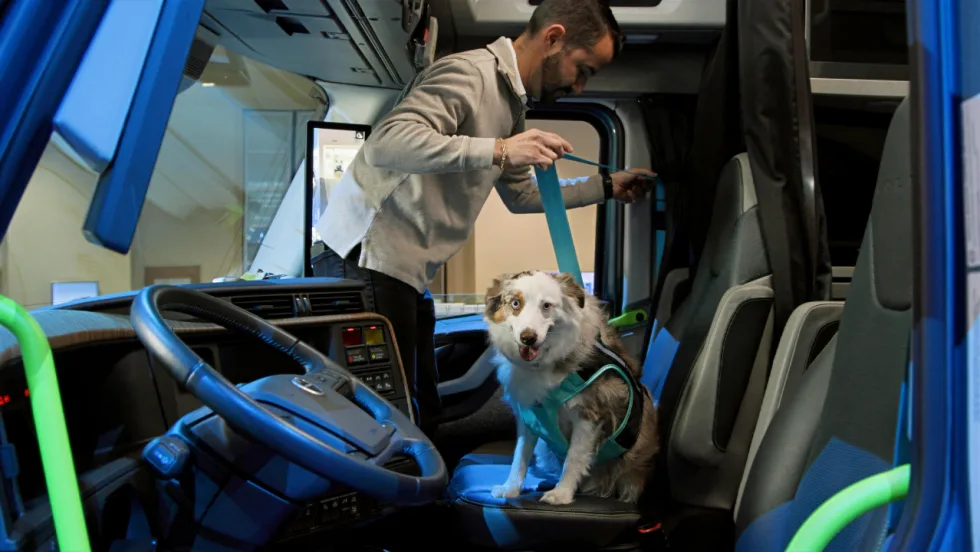
Volvo Trucks Releases New Safety Recommendations for Traveling with Pets
One of the most important recommendations for professional drivers traveling with pets is to ensure pets are properly restrained while the truck is moving. Other tips are available in the new guide from Volvo Trucks North America and Center for Pet Safety.
Read More →
API Issues Refueling Safety Guidelines
The American Petroleum Institute offers a list of safe vehicle refueling guidelines, including ways to avoid potential problems with static electricity discharges in fall, winter, and early spring.
Read More →

Winter Fleet Prep: Expert Tips to Keep Vehicles Running Smoothly
Cold weather can expose weak batteries, tires, fuel systems, and maintenance gaps fast. Use this winter fleet checklist to prepare trucks and drivers before temperatures drop.
Read More →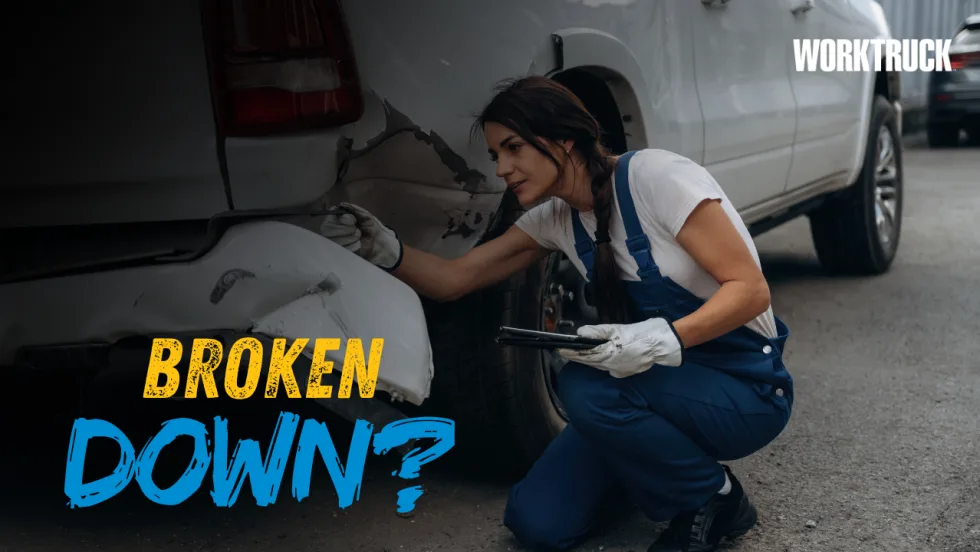
When a Work Truck Breaks Down, the Job Can Stop, Too
A work truck breakdown can stop more than the vehicle. Discover how payloads, jobsites, and specialty equipment change the roadside response.
Read More →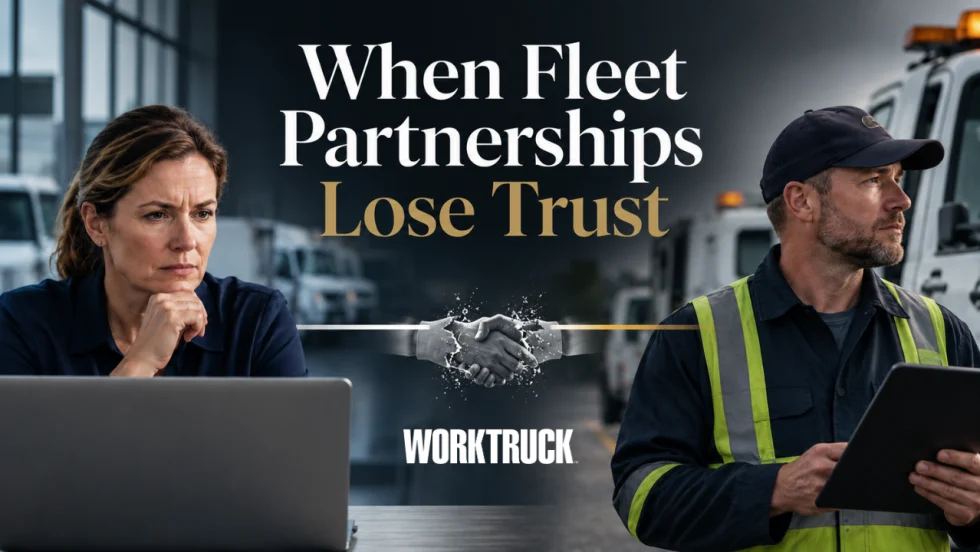
What Stronger Long-Term Fleet Service Partnerships Actually Require
Fleet service partnerships rarely fall apart all at once. Learn the three warning signs that trust is eroding and what fleets and providers can do before downtime, frustration, and lost revenue follow.
Read More →
Applause & TRUCE Software Partner to Improve Driver Safety Through AI-Powered Telematics & Employee Performance Management
Applause has integrated TRUCE driving metrics directly into its employee-first performance and safety platform that transforms mobile devices into AI-powered telematics.
Read More →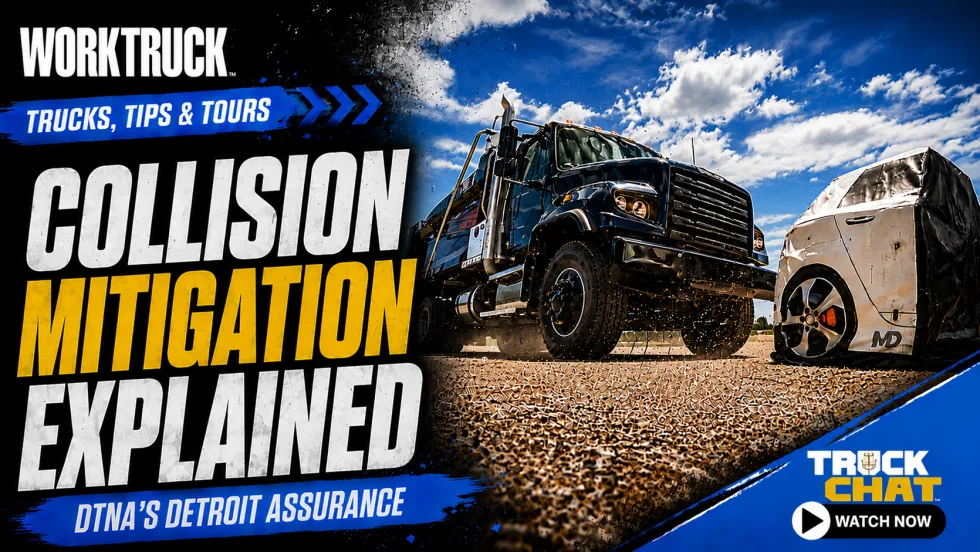
How Detroit Assurance with Active Brake Assist Works
Do you want to see what it is like to experience Detroit Assurance’s Active Brake Assist? In this video, Work Truck will put you in the cab to see how it all works and then hear more details from DTNA’s Mike Young.
Read More →
Get Left of Loss: A 5-Step Workplace Violence Prevention Framework for Fleet Operators
Violence risks do not stop at the driver’s door. Learn five practical steps fleets can take to spot threats early and protect workers before loss occurs.
Read More →
How Better Visibility Cut Speeding Violations by 48%
Fleet leaders don't need more data, they need clearer visibility into what the data is saying. This case study explores how one utility replaced speeding-event counts with a single metric — miles driven in violation — to strengthen safety and significantly reduce speeding violations.
Read More →