




Fleet Safety Video Tip: 'Move Over' Law Compliance
Such laws require motorists to change lanes away from police cars, ambulances, fire trucks, tow trucks, and other emergency vehicles on the roadside so workers have the space they need to stay safe.
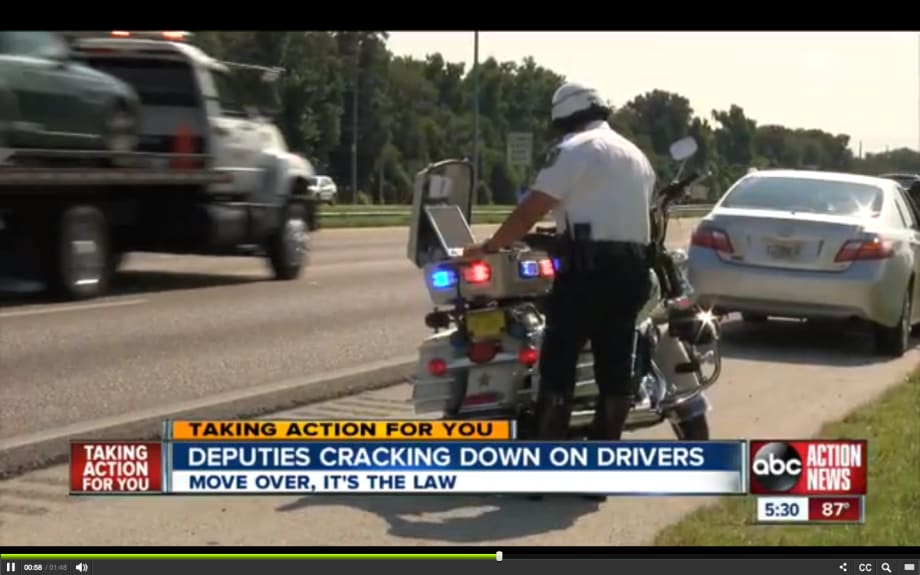
This week thousands of law enforcement officers will participate in the annual national “Drive Sober or Get Pulled Over” holiday crackdown on drunk drivers. That’s why this is a good time to remind fleet drivers about the need to comply with state “Move Over” laws.
Such laws require motorists to change lanes away from police cars, ambulances, fire trucks, tow trucks and other emergency vehicles on the roadside so workers have the space they need to stay safe. If it’s not safe to change lanes, then drivers should slow down when approaching any such emergency vehicle flashing warning lights while stopped on the side of the highway.
In 2014, three law enforcement officers were struck and killed by drivers who failed to move over, according to preliminary data compiled by the National Law Enforcement Officers Memorial Fund.
South Carolina passed the first “Move Over” law in 1996, after a paramedic was struck and killed while responding to a crash. Since then every state has enacted a similar law. In 2012, Hawaii became the 50th state to enact “Move Over” legislation.
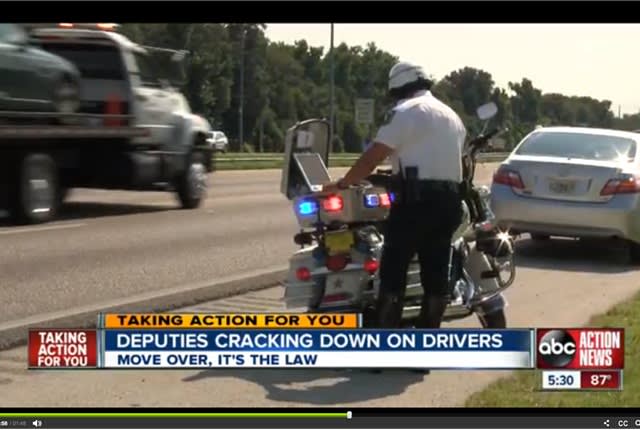
To watch a WFTS-TV ABC Action News report on how law enforcement officers this year tightened enforcement of Florida’s “Move Over” law, click on the photo or link under the headline.
Originally posted on Automotive Fleet
More Safety & Compliance
Navigating the Effects of Daylight Saving Time on Work Truck Fleets
Discover how daylight saving time impacts work truck fleets and get essential tips for fleet managers and drivers to navigate the "fall back" transition.
Read More →
How Halloween Changes the Job for Work Truck Drivers
Truck traffic doesn’t take the same Halloween break as other drivers. What fleet managers should know about timing, neighborhood stops, and braking data.
Read More →
Tips for Driving Safely on Halloween Night
This video features a reminder from the Connecticut Department of Transportation (DOT) and the Connecticut Police Chiefs Association, urging drivers to prioritize safety this Halloween.
Read More →From Our Partners



Re-rating Gross Vehicle Weight Ratings (GVWR): Why and How it's Done
Sometimes, it is not in a fleet’s best interests to have a vehicle at a given GVWR. Changing the GVWR to a special value can be done, but the process is complicated.
Read More →
When a Work Truck Gets Stolen, the Real Loss Is Time
A stolen work truck can take more than a vehicle off the road. From tools and access cards to crew downtime, here’s how fleets can prepare for theft before it disrupts the entire workday.
Read More →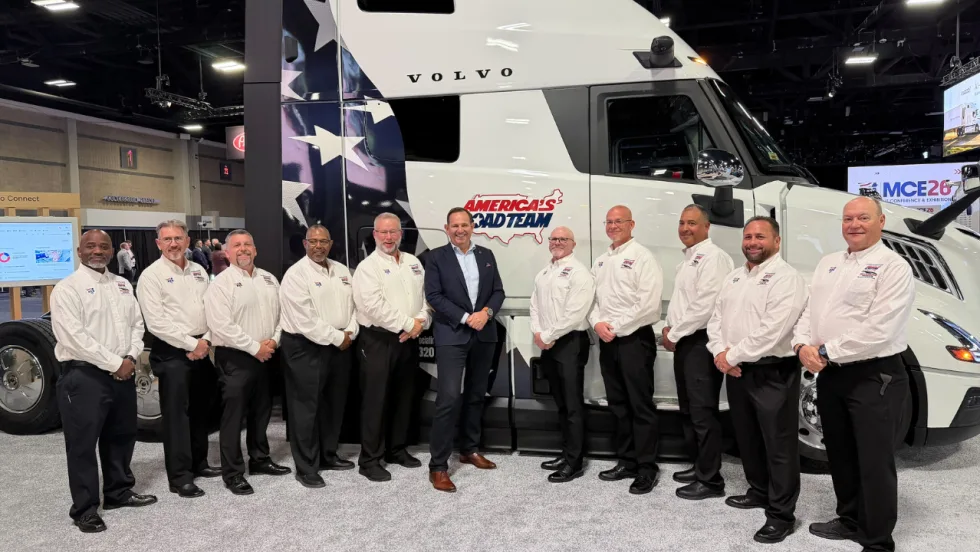
Volvo Trucks Marks 25 Years as Exclusive Sponsor of America's Road Team
Volvo Trucks North America will serve as the exclusive sponsor of the American Trucking Associations' America's Road Team, marking 25 years of Volvo sponsorship. The group of professional drivers promotes safety and the industry as they travel the country.
Read More →
Streamlight’s High-Output Scene Light Recognized with Occupational Safety Award
Streamlight’s Portable Scene Light III (PSL III) won the 2026 Occupational Health & Safety (OH&S) New Product of the Year Award in the Lighting category.
Read More →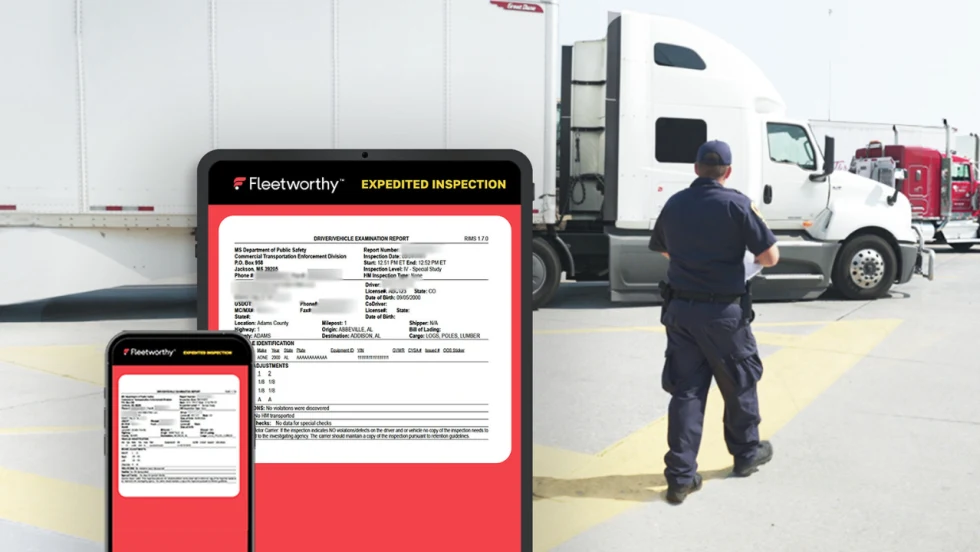
Fleetworthy Expands Expedited Inspection to 5 States
Following its industry-first launch in Nevada, Fleetworthy’s automated inspection technology is now live in California, Michigan, Vermont, and Maine.
Read More →
Crossing State Lines in a Light-Duty Work Truck? Check These Rules First
Crossing state lines in a lighter work truck? J.J. Keller's Kathy Close explains when IRP registration, trip permits, and towing rules come into play.
Read More →
Simple Tire Checks That Help Keep Your Business Fleet Moving
A survey found that nearly one in every 10 passenger vehicles has at least one bald tire. What's more, 27% -- more than one in four -- of vehicles are driven with one or more severely under-inflated tires.
Read More →