




Top Questions About the ELD Mandate
The basics of the electronic logging device (ELD) mandate will help you determine if further research and compliance are needed.


Photo: iStockphoto.com
There is a lot of information available on the electronic logging device (ELD) mandate and you may not know where to start finding out about the upcoming compliance deadline and requirements.
Here’s a quick list of some frequently asked questions and answers related to the upcoming ELD mandate based on information from the U.S. Department of Transportation (DOT):
Q: When does the ELD mandate take effect?
A: Since Feb. 16, 2016, ELD manufacturers have been able to register and self-certify their ELDs with the Federal Motor Carrier Safety Administration (FMCSA), and motor carriers have been able to elect to use ELDs listed on the website. All motor carriers and drivers subject to the requirements in the ELD rule must begin using an ELD or “grandfathered” automatic onboard recording devices (AOBRDs) on Dec. 18, 2017.
Q: What exactly does the ELD mandate base compliance on?
A: Compliance needs are based on whether drivers of commercial motor vehicles (CMVs) currently need to complete records of duty status (RODS). Operating trucks is not the determining factor of compliance.
Q: So, who does the ELD mandate impact?
A: The ELD applies to most motor carriers and drivers who are currently required to maintain RODS per part 395, 49 CFR 395.8(a). The rule applies to commercial buses as well as trucks, and to Canada- and Mexico-domiciled drivers. This is only estimated by the FMCSA to impact around 3.4 million drivers.
The ELD rule allows limited exceptions to the ELD mandate, including:
Drivers who operate under the short-haul exceptions may continue using timecards; they are not required to keep RODS and will not be required to use ELDs.
Drivers who use paper RODS for no more than 8 days out of every 30-day period.
Drivers who conduct drive-away-tow-away operations, in which the vehicle being driven is the commodity being delivered.
Drivers of vehicles manufactured before the 2000 model-year.
Q: What, exactly, does an ELD do?
A: An ELD automatically records the following data elements at certain intervals: date; time; location information; engine hours; vehicle miles; and identification information for the driver, authenticated user, vehicle, and motor carrier. Location data must be recorded by an ELD at 60-minute intervals when the vehicle is in motion, and when the driver powers up and shuts down the engine, changes duty status, and indicates personal use or yard moves.
Q: Do portable devices and/or smartphones qualify?
A: A driver may use a portable ELD. A portable ELD must be mounted in a fixed position during commercial motor vehicle (CMV) operation and visible to the driver from a normal seated driving position. This information can be found in the ELD Rule section 395.22(g).
An ELD can be on a smartphone or other wireless device if the device meets the ELD rule’s technical specifications. Drivers are allowed to utilize their own devices, but certain caveats apply.
Q: Where can I get an ELD compliance solution?
A: Several providers already have ELD-compliant solutions on the market, with more coming out soon. Check out our “ELD Solution Spotlight” for some potential options.
More Safety
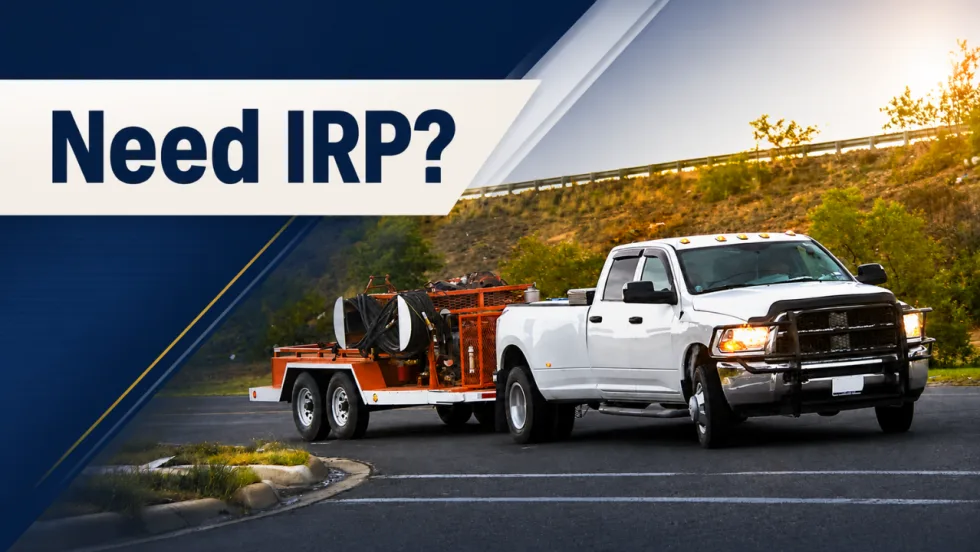
When Work Trucks Under 26,001 Pounds Need IRP Registration
Think trucks under 26,001 pounds are automatically in the clear when it comes to IRP? Not always. Learn where lighter vehicles can still run into trip permit, apportioned registration, and IFTA compliance requirements when crossing state or provincial lines.
Read More →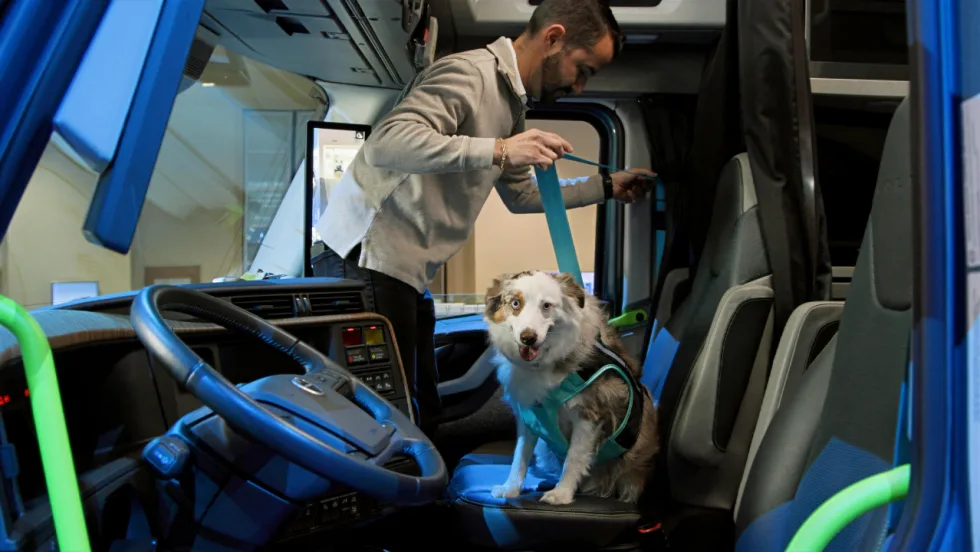
Volvo Trucks Releases New Safety Recommendations for Traveling with Pets
One of the most important recommendations for professional drivers traveling with pets is to ensure pets are properly restrained while the truck is moving. Other tips are available in the new guide from Volvo Trucks North America and Center for Pet Safety.
Read More →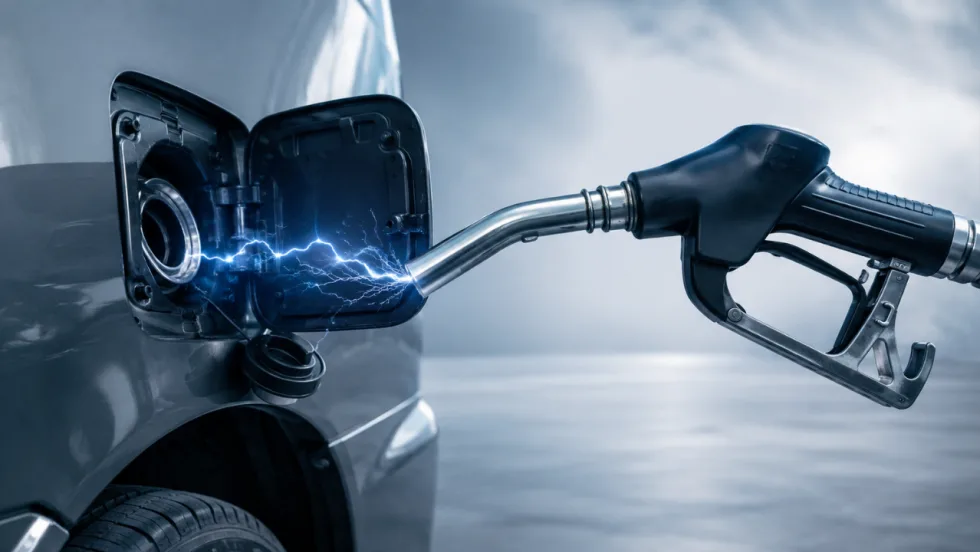
API Issues Refueling Safety Guidelines
The American Petroleum Institute offers a list of safe vehicle refueling guidelines, including ways to avoid potential problems with static electricity discharges in fall, winter, and early spring.
Read More →
Winter Fleet Prep: Expert Tips to Keep Vehicles Running Smoothly
Cold weather can expose weak batteries, tires, fuel systems, and maintenance gaps fast. Use this winter fleet checklist to prepare trucks and drivers before temperatures drop.
Read More →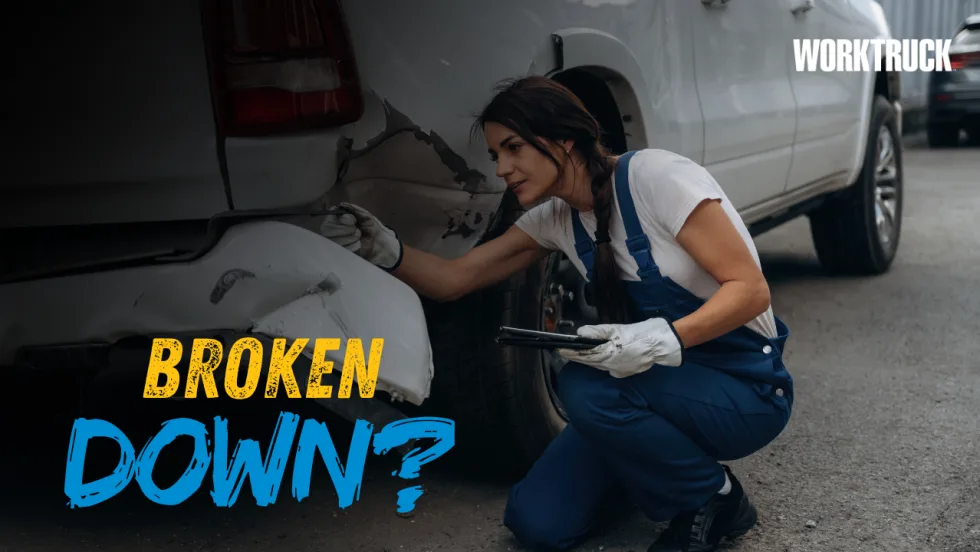
When a Work Truck Breaks Down, the Job Can Stop, Too
A work truck breakdown can stop more than the vehicle. Discover how payloads, jobsites, and specialty equipment change the roadside response.
Read More →
What Stronger Long-Term Fleet Service Partnerships Actually Require
Fleet service partnerships rarely fall apart all at once. Learn the three warning signs that trust is eroding and what fleets and providers can do before downtime, frustration, and lost revenue follow.
Read More →
Applause & TRUCE Software Partner to Improve Driver Safety Through AI-Powered Telematics & Employee Performance Management
Applause has integrated TRUCE driving metrics directly into its employee-first performance and safety platform that transforms mobile devices into AI-powered telematics.
Read More →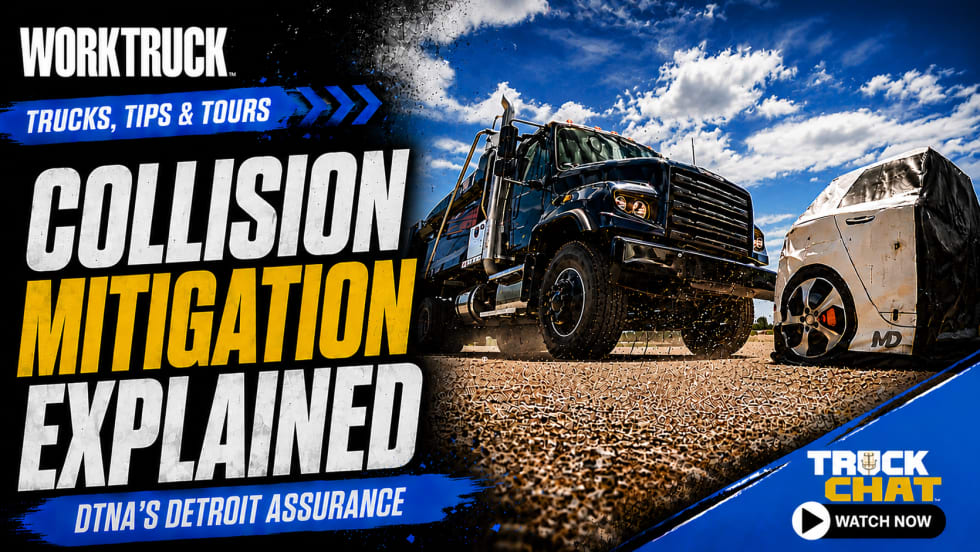
How Detroit Assurance with Active Brake Assist Works
Do you want to see what it is like to experience Detroit Assurance’s Active Brake Assist? In this video, Work Truck will put you in the cab to see how it all works and then hear more details from DTNA’s Mike Young.
Read More →
Get Left of Loss: A 5-Step Workplace Violence Prevention Framework for Fleet Operators
Violence risks do not stop at the driver’s door. Learn five practical steps fleets can take to spot threats early and protect workers before loss occurs.
Read More →
How Better Visibility Cut Speeding Violations by 48%
Fleet leaders don't need more data, they need clearer visibility into what the data is saying. This case study explores how one utility replaced speeding-event counts with a single metric — miles driven in violation — to strengthen safety and significantly reduce speeding violations.
Read More →