




Related: Revised CARB Plan Includes $150 Million For Heavy Duty Vehicles
CARB Proposes Plan Reducing Emissions to 40% Below 1990 Levels
The California Air Resources Board has released a Proposed Scoping Plan that sets new goals for the state to reduce greenhouse gas emissions to 40% below 1990 levels by 2030.
by Staff
January 23, 2017
Photo: Tom Berg
2 min to read
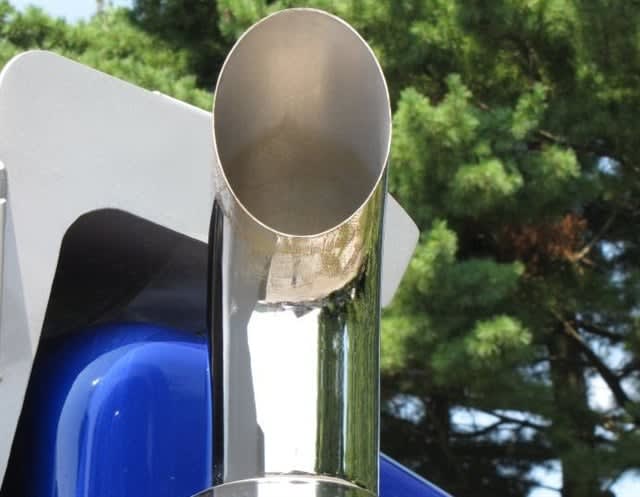
Photo: Tom Berg
The California Air Resources Board has released a Proposed Scoping Plan that sets new goals to reduce greenhouse gas emissions to 40% below 1990 levels by 2030.
CARB is calling the plan the most ambitious carbon emissions reduction target in North America, building on the state’s current and planned efforts to reduce emissions. The plan outlines the most effective ways to reach the 2030 goal, including a continuation of California’s Cap-and-Trade Program. The plan puts the state on the trajectory of achieving an 80% reduction in greenhouse gas emissions by 2050.
"Climate change is impacting California now, and we need to continue to take bold and effective action to address it head on to protect and improve the quality of life in California,” said Mary D. Nichols, CARB chair. “The plan will help us meet both our climate and our clean air goals in the coming decades and provide billions of dollars in investments to cut greenhouse gasses, smog and toxic pollution in disadvantaged communities throughout the state. It is also designed to continue to drive creative innovation, generating good new jobs in the growing clean technology sector.”
For the transportation sector, the plan seeks to accelerate the use of clean vehicle and equipment technologies and fuels through targeted introduction of zero emission and near-zero emission technologies and renewable fuels. The policy will encourage the use of clean technologies along primary freight corridors.
Examples of some incentives include a separate zero emissions or near-zero emissions freight lane, employing market mechanisms to offer favorable pricing of clean vehicles and developing fuel storage and distribution infrastructure along those freight corridors.
Many of the non- transportation industry related solutions that CARB has proposed involve an increase in public transportation options for residents to reduce the number of vehicular trips needed, and a goal of selling 100% zero emissions light-duty vehicles by 2030.
The proposed plan was developed by CARB staff over the past 18 months, working with various state agencies and departments. The result was guided by legislation and reflects the input from dozens of public workshops and community meetings as well as input from CARB’s Environmental Justice Advisory Committee and other stakeholders.
The first of three public hearings on the proposed plan will be held at the board meeting on Jan. 27.CARB is slated to hold workshops in February and hear and update at the Feb. 16 board meeting. The final 2017 Scoping Plan Update will be released in late March and be considered for approval by the board in late April.
Originally posted on Automotive Fleet
More Operations
ATRI Names Next President and CEO
Page Siplon, a longtime transportation and logistics industry executive, has been chosen as the next president and CEO of the American Transportation Research Institute (ATRI).
Read More →
Coltrain Onsite Fleet Care Sponsors 2026 Cure Bowl to Support Cancer Research
The mobile fleet maintenance provider is supporting the annual college football bowl game, which has helped raise $6.83 million for cancer research since 2015.
Read More →
Racing Lessons, Electric Fleet Growth, and Ghostbusters Lead This Week's Work Truck News
Racing lessons for fleets, Republic Services' electric truck expansion, 40 years of fleet wisdom, truck trivia, autonomous yard trucks, and more headline this week's Truck Chat Cheat Sheet.
Read More →From Our Partners
Basic Tracking vs Next Generation Fleet Technology
Sponsored by AT&T Business

5 Facts Every Fleet Manager Should Know About Embedded Telematics
Sponsored by Stellantis/Mobilisights
How AI Video Telematics Boosts Driver Safety and Helps to Avoid Unnecessary Costs
Sponsored by Verizon Connect

Charting the 8 Bottom-Line Benefits of Workforce Optimization
Sponsored by Verizon Connect

Sponsored•October 14, 2026
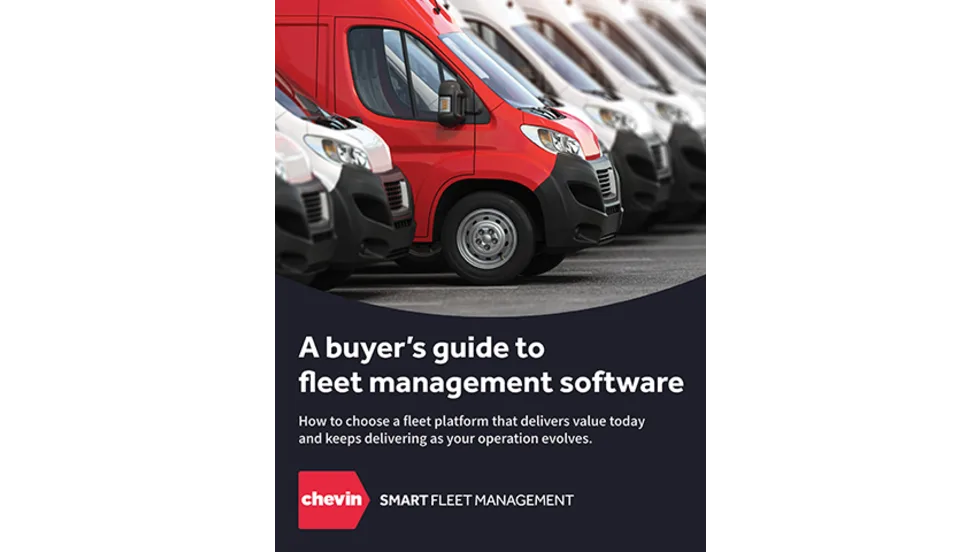
A buyer's guide to fleet management software in 2027
Buying fleet management software in 2027 means looking beyond features and price. As fleet operations, technology and expectations evolve, this guide explores what today’s fleet professionals should consider when choosing a system that can deliver value now and adapt to what comes next.
Read More →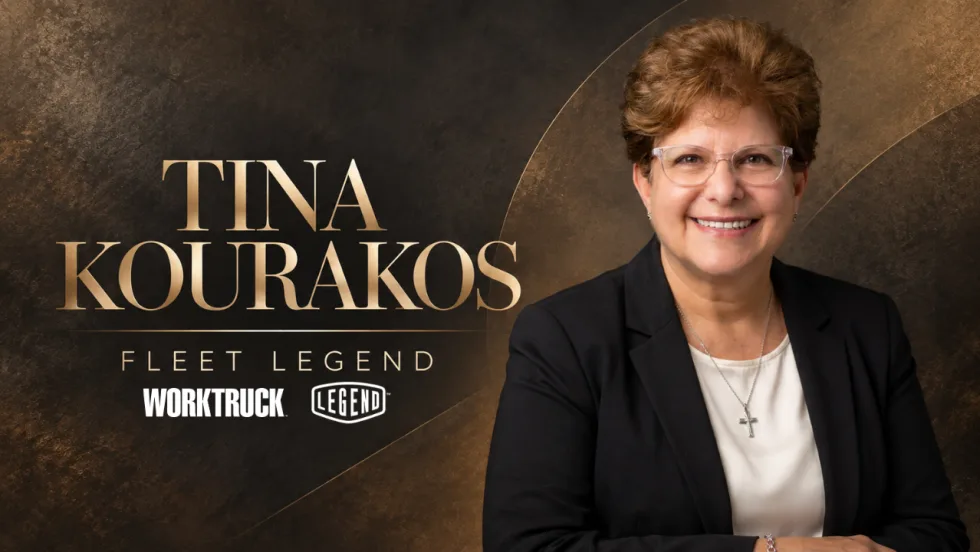
How to Build a Lasting Fleet Career by Staying Curious and Connected
Tina Kourakos never planned on a career in fleet. More than 30 years later, she says curiosity, strong relationships, and a willingness to keep learning helped turn an unexpected assignment into a career spanning fleet management and OEM leadership.
Read More →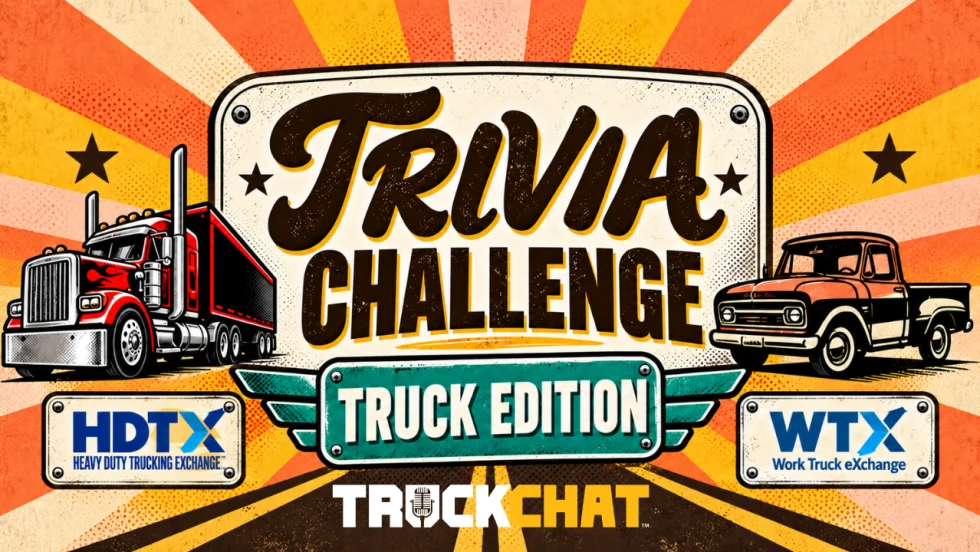
Think You Know Trucks? Take Our 19-Question Fleet Trivia Challenge
From chicken lights to diesel engines and trucking history, test your knowledge with 19 questions from the 2026 Work Truck Exchange and Heavy Duty Trucking Exchange.
Read More →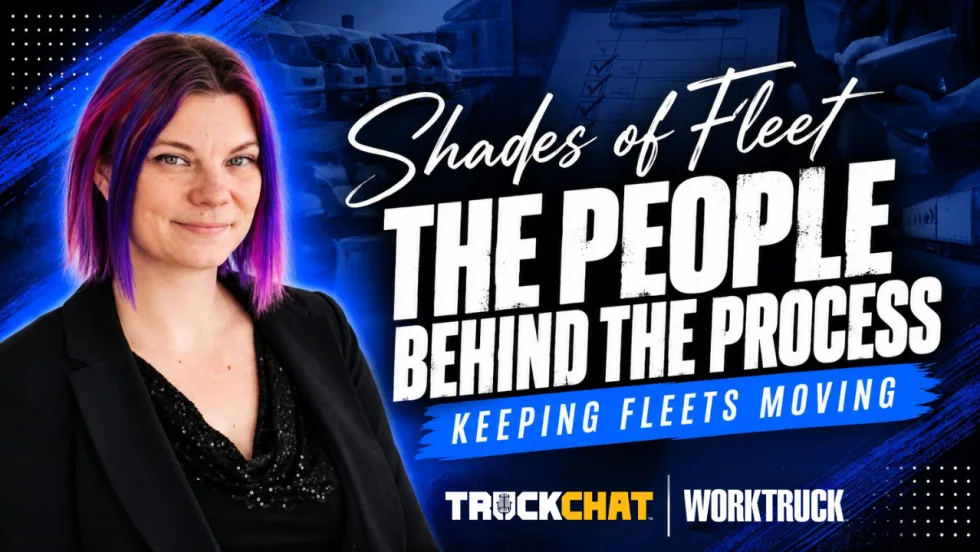
Where’s My Truck: Inside the Fleet Logistics Work Nobody Sees
Shades of Fleet video thumbnail featuring Lauren Fletcher beside the text “The People Behind the Process, Keeping Fleets Moving,” with fleet vehicles and logistics imagery in the background.
Read More →
Work Truck Seeks Fleet and Industry Insights on 2026 Trends and 2027 Forecasts
Work Truck is seeking insights from fleet leaders and industry partners on the trends that shaped 2026 and what commercial fleets should prepare for in 2027. Participate today!
Read More →
It's 10 p.m... Do You Know Who Has Access to Your Fleet?
Preventing cargo theft requires investment in technology, operational processes, and employee training. In an industry with tight margins, it can be difficult to justify investments whose value is measured by incidents that might never occur.
Read More →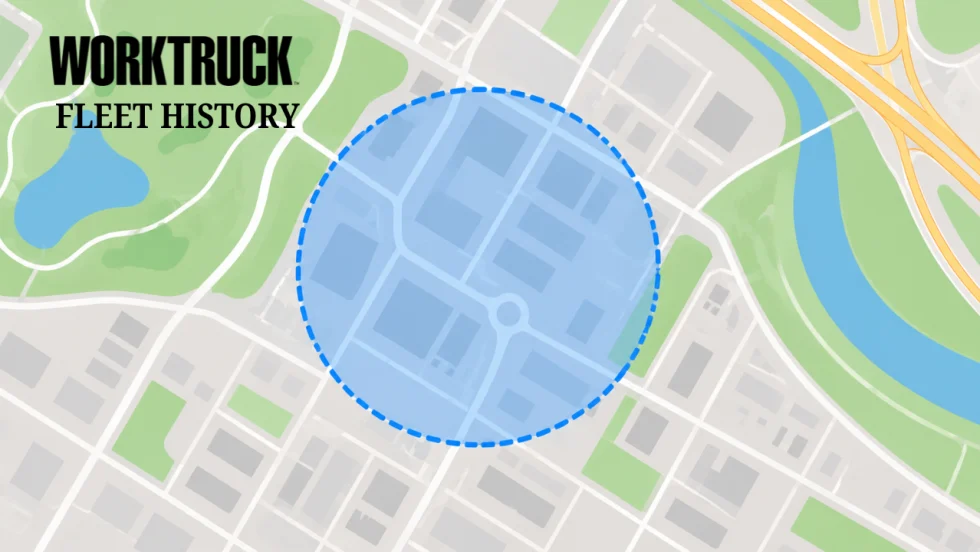
GeoFencing Adds to Your Truck Security Arsenal
Geofencing is a familiar fleet tool today, but its early adoption marked a major shift in vehicle tracking, route monitoring, and the debate over employee privacy.
Read More →