




Roadcheck Should be Business as Usual
During Roadcheck, enforcement will use the same driver and vehicle criteria as any other day of the year. Only the number of inspections performed will be heightened.
Every year the Commercial Vehicle Safety Alliance (CVSA) partners with federal, state, and provincial authorities across North America to hold its annual roadside inspection blitz, International Roadcheck. This year’s event is scheduled June 7-9.
During Roadcheck, enforcement will use the same driver and vehicle criteria as any other day of the year. Only the number of inspections performed will be heightened.
The event typically has an educational component. Each year, an emphasis is placed on a specific area of compliance (e.g., brakes, seat-belt usage, cargo securement, and hazmat). This year’s topic is tire safety. As officers interact with commercial drivers, they will provide training materials on this annual topic.
All CMVs Affected
Roadside inspections are not just for the large trucks. Those operating commercial motor vehicles (CMVs) as defined in 49 CFR 390.5 (10,001 pounds or greater, etc.) are subject to the safety regulations and, subsequently, roadside enforcement. This is true all year long, not just during enforcement campaigns such
as Roadcheck.
For example, in CY-2015, out of all roadside inspections for the year, the Federal Motor Carrier Safety Administration (FMCSA) reports 17,551 inspections took place for vehicles under 10,000 pounds; 450,322 for those between 10,000 and 26,000 pounds; and 2,597,564 for those over 26,000 pounds.
Even though all CMVs are subject to potential roadside inspections, states dictate whether a specific vehicle type must enter a weigh station. Drivers need to observe road signs to know how to respond.
In addition to weigh stations, roadside inspections are performed in a variety of locations thanks to advances in technology. Mobile inspection sites allow inspectors the ability to set up just about anywhere, including rest areas, truck stops, outside terminal facilities, and along rural roadways.
The bottom line is that all CMVs are affected by Roadcheck, and there may not be a “safe route” to take to avoid the inspection blitz.
A Systematic Approach
Thorough pre- and post-trip vehicle inspections are the best strategy against a negative roadside inspection due to vehicle defects. As a driver performs the daily inspections, it is best to perform the inspection the same way each and every time to avoid overlooking a defective component. A systematic approach typically involves a walk-around inspection, covering the entire vehicle’s exterior, including the coupling system.
Performing this regiment each and every time will hopefully reveal damage or wear that requires attention — before a roadside inspection finds it!
Don’t Forget Your Recordkeeping
Drivers need to know exactly what records will be asked of them by enforcement. Similar to a checklist when inspecting the condition of the CMV, before beginning or continuing a trip, a driver needs to verify that he or she has all required documents.
The driver, for example, will be expected to present his or her driver’s license, records of duty status and supporting documents, proof of registration, fuel tax sticker or cab card, permits, shipping papers, and documentation of the vehicle’s annual inspection.
Proof of insurance is on a state-by-state basis, and many fleets require documentation in CMVs as a precaution.
For those drivers that do not hold a commercial driver’s license (CDL), and those CDL drivers with an exam within the past 15 days, a medical examiner’s certificate must also be carried by the driver.
About the Author
Kathy Close is a transportation editor at J.J. Keller & Associates, Inc. Her areas of expertise include transportation security, DOT drug and alcohol testing, and driver qualification. She can be reached via e-mail at transporteditors@jjkeller.com.
More Safety & Compliance
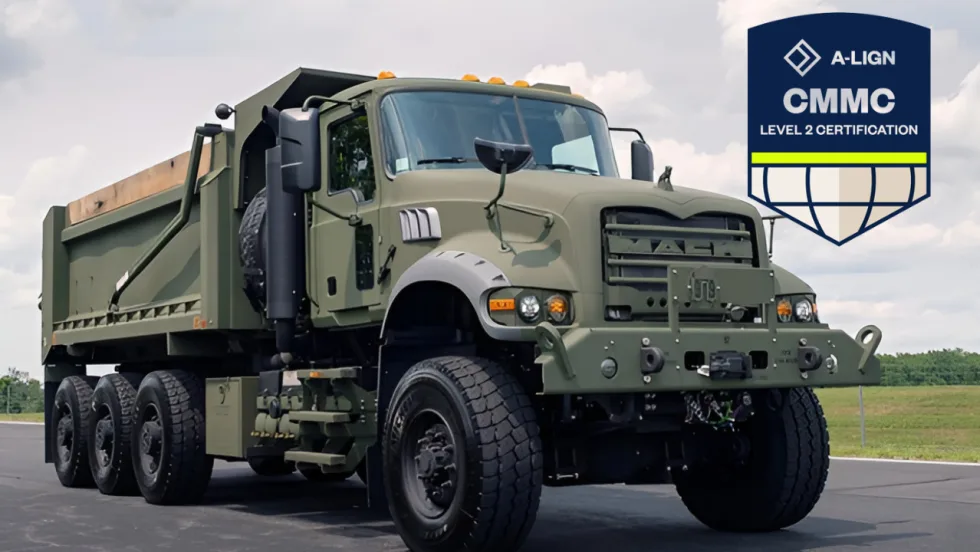
Mack Defense Achieves Cybersecurity Maturity Model Certification Level 2
After an assessment conducted by an authorized Certified Third-Party Assessment Organization (C3PAO), Mack Defense has achieved Cybersecurity Maturity Model Certification (CMMC) Level 2.
Read More →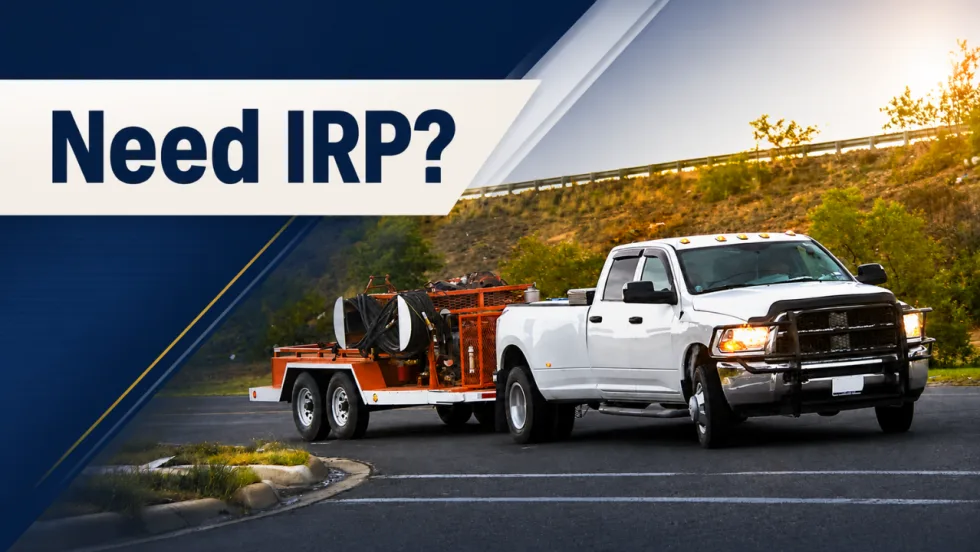
When Work Trucks Under 26,001 Pounds Need IRP Registration
Think trucks under 26,001 pounds are automatically in the clear when it comes to IRP? Not always. Learn where lighter vehicles can still run into trip permit, apportioned registration, and IFTA compliance requirements when crossing state or provincial lines.
Read More →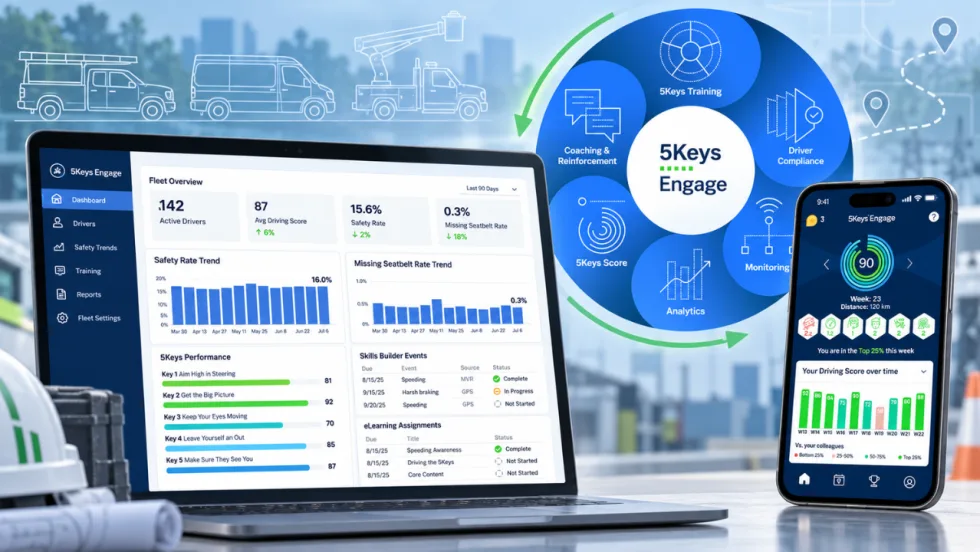
Smith System Wants Work Truck Fleets to Look Beyond the Driver Alert
Smith System’s new Driver Risk Management program is built to help mixed work truck fleets turn telematics alerts and observations into specific behaviors, coaching actions, and measurable follow-up.
Read More →


Volvo Trucks Releases New Safety Recommendations for Traveling with Pets
One of the most important recommendations for professional drivers traveling with pets is to ensure pets are properly restrained while the truck is moving. Other tips are available in the new guide from Volvo Trucks North America and Center for Pet Safety.
Read More →
Are Work Truck Drivers Warming Up to Dash Cams and GPS Tracking?
A new survey finds field-service drivers may be more comfortable with dash cams and GPS tracking than fleet managers think, especially when the technology helps protect them after a crash.
Read More →
Recalls You Need to Know About in August 2026
If you have Altec, Chrysler, Ford, Heil, General Motors, International, Mack Trucks, Paccar, Rivian, Royal Truck, Toyota, US Truck Body, or Volvo Trucks vehicles in your fleet, you should check these important recalls issued by the National Highway Safety Administration.
Read More →
API Issues Refueling Safety Guidelines
The American Petroleum Institute offers a list of safe vehicle refueling guidelines, including ways to avoid potential problems with static electricity discharges in fall, winter, and early spring.
Read More →
Winter Fleet Prep: Expert Tips to Keep Vehicles Running Smoothly
Cold weather can expose weak batteries, tires, fuel systems, and maintenance gaps fast. Use this winter fleet checklist to prepare trucks and drivers before temperatures drop.
Read More →
When a Work Truck Breaks Down, the Job Can Stop, Too
A work truck breakdown can stop more than the vehicle. Discover how payloads, jobsites, and specialty equipment change the roadside response.
Read More →
What Stronger Long-Term Fleet Service Partnerships Actually Require
Fleet service partnerships rarely fall apart all at once. Learn the three warning signs that trust is eroding and what fleets and providers can do before downtime, frustration, and lost revenue follow.
Read More →