




The Role of NGVs in Climate Strategy
Producing fewer harmful emissions, natural gas vehicles (NGVs) are set to play a role with electric and fuel-cell vehicles to meet ambitious climate change goals.
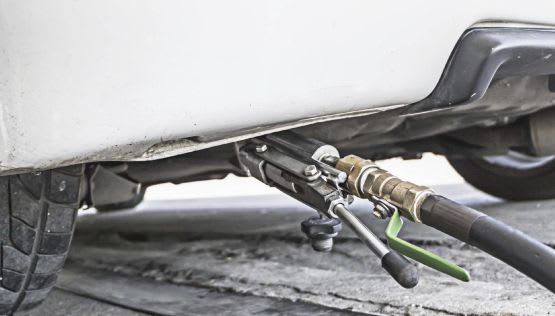
Over the past decade, the U.S. has begun a major transition toward a more-efficient, cleaner, and lower-carbon energy system. According to a report by the Harvard Business School, that transition will not only continue, but could accelerate over the next 20-30 years and will lead to major economic and environmental benefits.
Natural gas has been recognized globally as a “clean vehicle fuel” for decades, producing significantly lower harmful emissions of nitrogen oxides (NOx), particulate matter (PM), and greenhouse gas (GHG) than oil-based gasoline (petrol) or diesel. It produces no benzene, a common constituent of gasoline exhaust.
NGVs can play a critical role alongside electric vehicles and fuel cell vehicles in meeting even the most ambitious climate change goals and compressed natural gas is still the only commercially available alternative fuel for many applications — particularly light trucks (like pickups, minivans, and SUVs).
The Cleanest-Burning Fossil Fuel
Natural gas is the cleanest-burning fossil fuel, and it enjoys a number of inherent advantages over gasoline based on its chemical properties. According to the U.S. Environmental Protection Agency (EPA), an engine taking full advantage of these “cleaner” chemical properties could achieve major emission reductions across all pollutants, including:
Carbon dioxide: 25 percent.
Carbon monoxide: 90-97 percent.
Nitrogen oxides: 35-60 percent.
Non-methane hydrocarbons: 50-75 percent.
However, it is less commonly recognized that natural gas has an even “cleaner” future, thanks to advances in natural gas vehicle (NGV) technology as well as the advent of synergistic advanced gaseous fuels such as renewable natural gas (RNG) and hydrogen.
Realizing this potential does not require any technology breakthroughs — only the establishment of widespread compressed natural gas (CNG) refueling infrastructure and high-volume automaker production of NGVs. Natural gas is the only fuel that can cost-effectively deliver large-scale carbon emissions reductions over the next 20 years while also providing a bridge to achieving even lower low-carbon solutions over the long term.
The Fastest-Growing Ultra-Low Carbon Fuel
And, thanks to the fast-growing use of renewable natural gas (RNG) to fuel these vehicles, NGVs can play a critical role alongside electric vehicles and fuel cell vehicles in meeting even the most ambitious climate change goals. Methane captured from renewable sources such as landfills, farms, and sewage treatment plants, RNG is then processed to be chemically identical to fossil natural gas so that it can be transported through the same pipelines and used in the same NGVs.
Because RNG captures methane that would otherwise escape into the atmosphere, it achieves lifecycle GHG reductions of 90 percent or more in CO2-equivalent terms, and even greater positive impacts in the near term since methane is one of the short-lived climate pollutants policymakers are beginning to target.
Today, RNG is the fastest-growing ultra-low carbon fuel on the market, accounting for 25 percent of NGV fueling nationwide and nearly 50 percent of NGV fueling in California. And, according to the RNG Coalition, this share could double in the next year thanks to support from the federal Renewable Fuel Standard and California’s Low Carbon Fuel Standard, which keep prices as low — or even lower — than fossil natural gas, and significantly lower than gasoline or diesel.
But, to maximize the capture and use of this incredibly “green” and economically beneficial fuel, which can be produced at thousands of landfills, farms, and other methane-emitting facilities nationwide, the market for NGVs and the development of CNG fueling needs to be dramatically expanded to provide adequate demand.
Natural Gas: The Pathway to Fuel-Cell Electric Vehicles
An existing natural gas fueling facility is ideal for use as the base for a decentralized hydrogen production and fueling infrastructure for several reasons.
First, the natural gas that is already delivered to the NGV fueling station can provide the feedstock for the production of hydrogen.
Second, it can serve as a platform upon which to build future hydrogen dispensing sites.
Third, it can provide access to potential early adopters of first-generation hydrogen vehicle technology.
Finally, it creates the possibility for NGV fueling station operators to offer a premium, lower-emission grade of fuel containing mixtures of natural gas and hydrogen.
There are also numerous technical synergies between natural gas vehicles and hydrogen fuel cell vehicles (FCVs), which combine zero-emission performance with gasoline-like range and refueling characteristics. The continued development of on-board fuel storage and management systems for natural gas will help accelerate their commercialization for hydrogen, and CNG fueling development similarly serves as a basis for stations dispensing compressed hydrogen.
The forecast is for oil prices to start climbing in 2017, rising to $80 a barrel in coming years as production declines in some regions and global demand continues to grow, according to the executive director of the International Energy Agency. But, for fleets wanting to take advantage today of CNG’s benefits as a transportation fuel, there is no reason to wait for gasoline costs to go back up.
About the Author
Rob Minton is director of national fleet sales for VNG, which is a retail compressed natural gas fueling service provider. He can be reached at rminton@vng.co.
More Green Fleet

Fleet Forward Conference Introduces One-Day Passes for 2026
New one-day registration gives fleet professionals the flexibility to attend Tuesday, Wednesday, or Thursday, with passes available for $199 through Sept. 18.
Read More →
CALSTART Rebrands as Catalyst Mobility, Will Combine with Forth in 2027
CALSTART has rebranded as Catalyst Mobility and will combine with Forth at the start of 2027. The new organization said it is poised to become one of the world's largest, strongest, and most impactful clean transportation nonprofits.
Read More →
Electric Truck and Charging Programs to Boost Sustainability at NY & NJ Ports
Together, the Port Authority of New York and New Jersey and CALSTART will electrify drayage and terminal operations serving the East Coast’s busiest container port. A pair of incentive programs totaling $45 million has launched to accelerate adoption of zero-emission drayage trucks and terminal tractors.
Read More →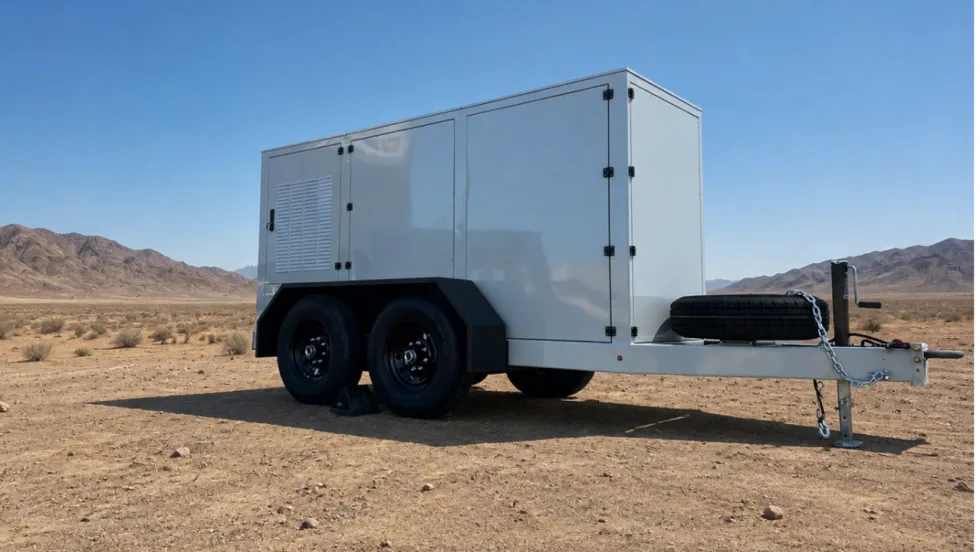
Xos Hub Surpasses One Gigawatt-Hour of Energy Delivered in the Field
A single Xos Hub has surpassed one gigawatt-hour of energy across more than 33,600 charging sessions in the field, demonstrating performance that supports Xos' expansion across new products and markets.
Read More →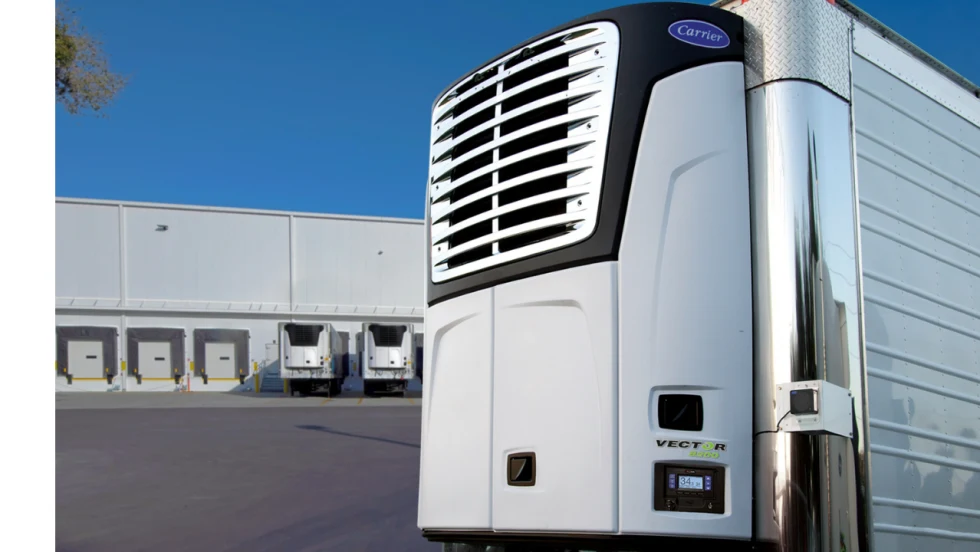
Carrier Transicold Launches All-Electric Vector 8200 TRU for Diesel-Free On-Site Cold Storage
Carrier Transicold’s first engineless multi-temperature TRU helps fresh- and frozen-food fleets add supplemental cold storage capacity during seasonal peaks.
Read More →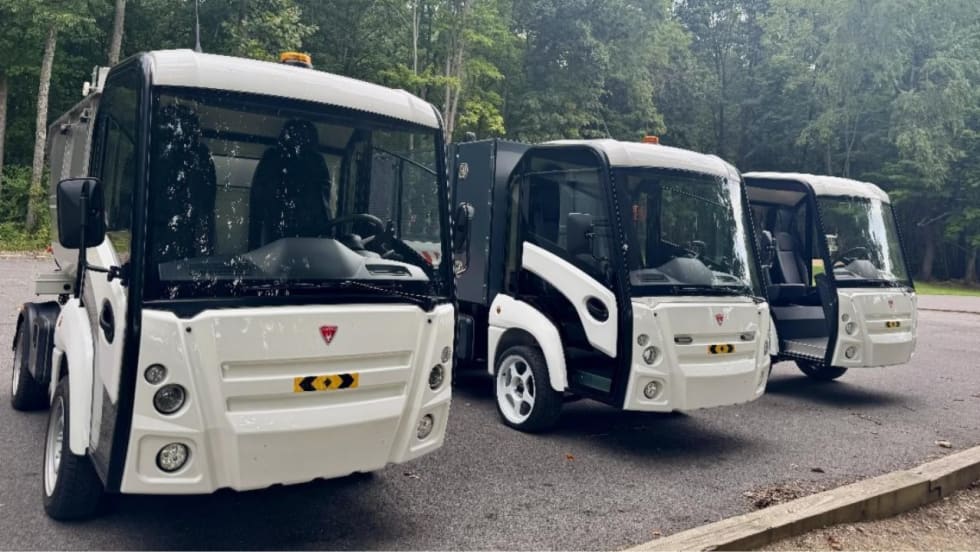
Narro Trucks Introduces Electric Utility Vehicle
Narro Trucks officially launched its operations on Aug. 20 and hosted a ride and drive to showcase its electric truck, which will be produced in Virginia.
Read More →
Samsung SDI Takes Full Control of GM Battery JV as Indiana Plant Pivots to Energy Storage
Samsung SDI is taking full control of its Indiana battery plant with GM, marking a major shift from the EV-focused joint venture Charged Fleet first covered in 2023.
Read More →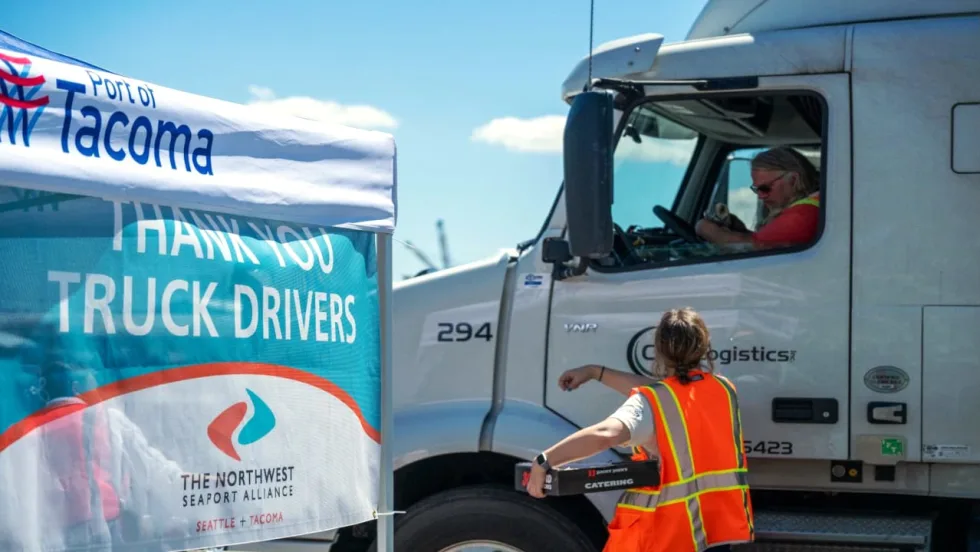
NWSA Taps CALSTART to Administer Zero-Emission Drayage Assistance Program
CALSTART will provide free technical assistance services to drayage fleets serving the Ports of Seattle and Tacoma and looking to transition to cleaner technologies and help decarbonize freight hubs.
Read More →
EV Fleet Reality Check: What Operators Wish They Knew Before Electrifying Their Work Vans
Electric work truck upfits bring new compatibility questions. Learn how parts availability, OEM guidance, power demands, and route planning can affect fleet performance.
Read More →
Peterbilt Expands Sourcewell Partnership with Electric Vehicle Lineup
Peterbilt Motors Company’s cooperative purchasing agreement with Sourcewell and its Canadian partner, Canoe Procurement Group, now includes including Peterbilt's battery-electric vehicle lineup.
Read More →