




European Customers Now Running Fuso eCanter Electric Trucks
Daimler Trucks has begun delivering its Fuso eCanter, which it calls the first all-electric truck in regular production, to fleet customers in Europe, the company announced.
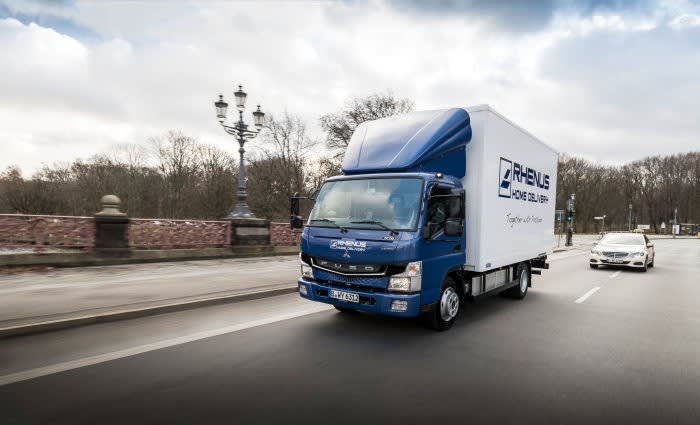
Photo: Daimler Trucks
Photo: Daimler Trucks
Daimler Trucks has begun delivering its Fuso eCanter, which it calls the first all-electric truck in regular production, to fleet customers in Europe, the company announced. The OEM said drivers will be specially trained to operate the electric trucks and each customer is obtaining their vehicles via a 24 month long-term rental from Mercedes-Benz CharterWay, a captive rental and leasing firm.
The first to receive the Class 4 trucks on the continent are global logistics firms Deutsche Post DHL, DB Schenker, Rhenus, and Dachser. However, Daimler noted these firms will be running the eCanters in diverse applications. For example, the six trucks for DHL will be used in two distinct operations. Two eCanters will provide inner-city deliveries of heavy cargo for DHL Freight’s Berlin branch while DHL Paket will use four trucks to deliver goods to businesses. For this role, the eCanters will replace trucks powered conventional drivetrains. Similarly, DB Schenker will run use its trucks to collect and deliver general cargo in the inner city of Berlin.
By contrast, Rhenus Group will deploy three eCanters to deliver furniture, consumer electronics, and home appliances from a central warehouse to residents of Berlin’s inner city while Dascher will use two electric trucks to collect goods and to complete last-mile deliveries.
The OEM stated that “after years of thorough development and testing,” the eCanter is now fully integrated in the conventional Fuso Canter production line. Production of the electric model began back in July in Tramagal, Portugal. All eCanters for the European and U.S. markets will be produced there.
Daimler added that, over the next few years, its Mitsubishi Fuso Truck and Bus Corporation subsidiary plans to deliver 500 eCanters of this first production generation to select customers, with large-scale production slated to start in 2019. UPS announced in September that it will be putting three of the medium-duty electric trucks in service in North America for evaluation. And in Japan, convenience-store chain 7-Eleven and Yamato Transport each have committed to operate 25 eCanters.
The eCanter has a range of approximately 62 miles and a load capacity of two to three tons, depending on body and duty cycle, according to Daimler. Its electric powertrain uses six high-voltage lithium-ion battery packs, with 420 volts and 13.8 kWh each, and a permanent-magnet-engine that can produce 180 hp via a single-gear transmission in the rear axle. Daimler said its continuous output allows the truck “to accelerate almost like a passenger car and that’s available from the first second of driving.”
According to Marc Llistosella, CEO of Daimler Trucks Asia, the eCanter is the OEM’s answer to the need for a zero-emission, zero-noise truck designed for inner-city distribution. He added that “over 90,000 kilometers of testing in everyday operating conditions [makes us] secure that we are handing over a reliable and economical vehicle to our customers. With the eCanter, our customers now operate not only quietly and without locally emitted carbon-dioxide, they also save money on operating costs. This is the future of urban distribution transport.”
Originally posted on Automotive Fleet
More Green Fleet

Fleet Forward Conference Introduces One-Day Passes for 2026
New one-day registration gives fleet professionals the flexibility to attend Tuesday, Wednesday, or Thursday, with passes available for $199 through Sept. 18.
Read More →
CALSTART Rebrands as Catalyst Mobility, Will Combine with Forth in 2027
CALSTART has rebranded as Catalyst Mobility and will combine with Forth at the start of 2027. The new organization said it is poised to become one of the world's largest, strongest, and most impactful clean transportation nonprofits.
Read More →
Electric Truck and Charging Programs to Boost Sustainability at NY & NJ Ports
Together, the Port Authority of New York and New Jersey and CALSTART will electrify drayage and terminal operations serving the East Coast’s busiest container port. A pair of incentive programs totaling $45 million has launched to accelerate adoption of zero-emission drayage trucks and terminal tractors.
Read More →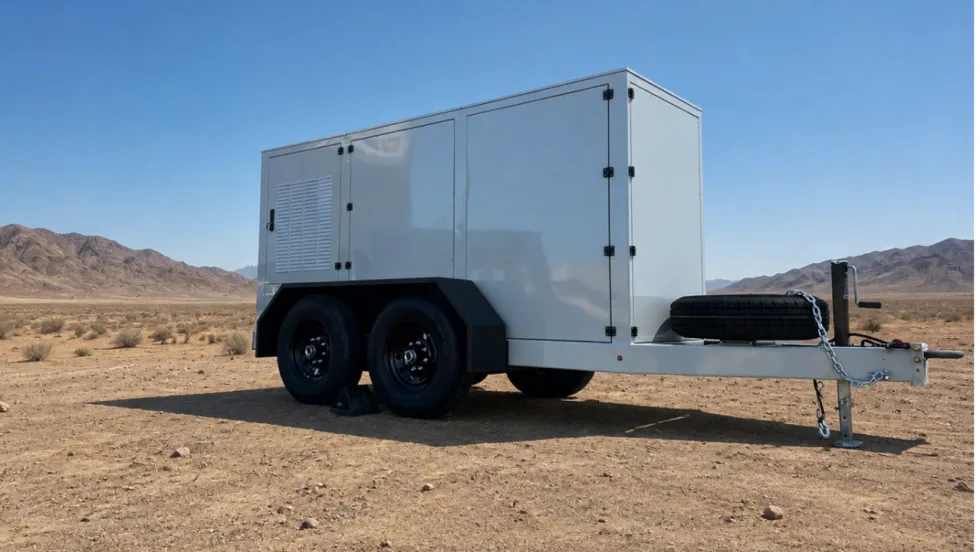
Xos Hub Surpasses One Gigawatt-Hour of Energy Delivered in the Field
A single Xos Hub has surpassed one gigawatt-hour of energy across more than 33,600 charging sessions in the field, demonstrating performance that supports Xos' expansion across new products and markets.
Read More →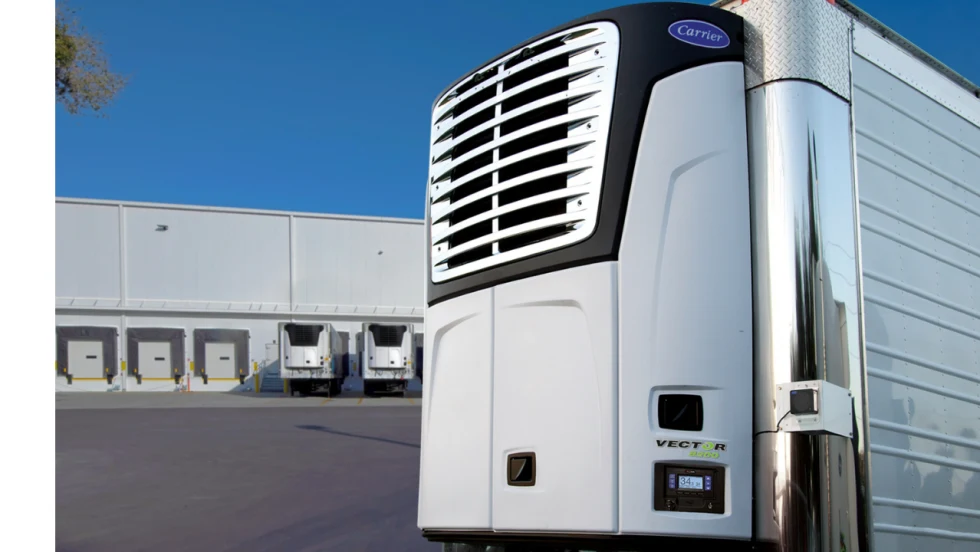
Carrier Transicold Launches All-Electric Vector 8200 TRU for Diesel-Free On-Site Cold Storage
Carrier Transicold’s first engineless multi-temperature TRU helps fresh- and frozen-food fleets add supplemental cold storage capacity during seasonal peaks.
Read More →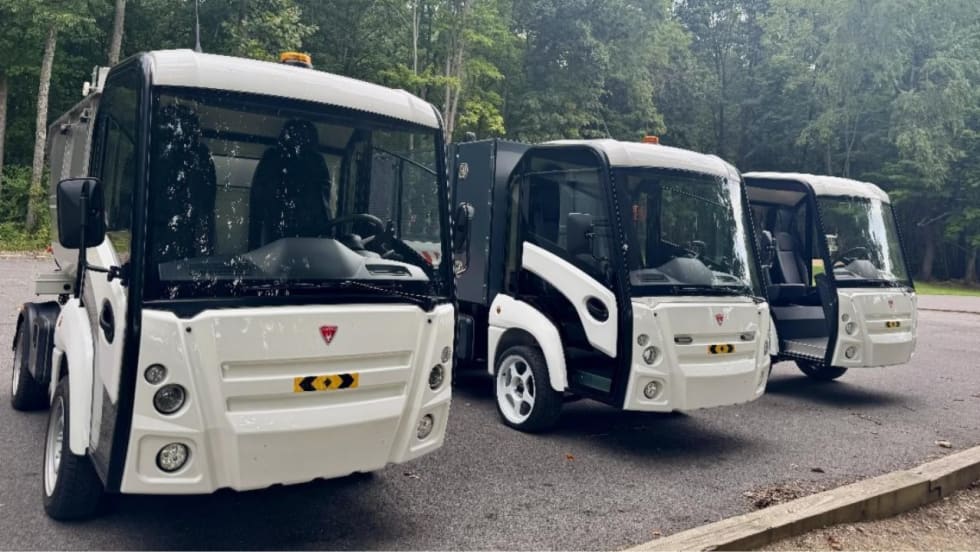
Narro Trucks Introduces Electric Utility Vehicle
Narro Trucks officially launched its operations on Aug. 20 and hosted a ride and drive to showcase its electric truck, which will be produced in Virginia.
Read More →
Samsung SDI Takes Full Control of GM Battery JV as Indiana Plant Pivots to Energy Storage
Samsung SDI is taking full control of its Indiana battery plant with GM, marking a major shift from the EV-focused joint venture Charged Fleet first covered in 2023.
Read More →
NWSA Taps CALSTART to Administer Zero-Emission Drayage Assistance Program
CALSTART will provide free technical assistance services to drayage fleets serving the Ports of Seattle and Tacoma and looking to transition to cleaner technologies and help decarbonize freight hubs.
Read More →
EV Fleet Reality Check: What Operators Wish They Knew Before Electrifying Their Work Vans
Electric work truck upfits bring new compatibility questions. Learn how parts availability, OEM guidance, power demands, and route planning can affect fleet performance.
Read More →
Peterbilt Expands Sourcewell Partnership with Electric Vehicle Lineup
Peterbilt Motors Company’s cooperative purchasing agreement with Sourcewell and its Canadian partner, Canoe Procurement Group, now includes including Peterbilt's battery-electric vehicle lineup.
Read More →