




TomTom Launches Flexible Bridge Hub Solution
TomTom has launched the TomTom Bridge Hub in North America, announcing pre-order availability of the connected mobility and electronic logging device compatibility solution.
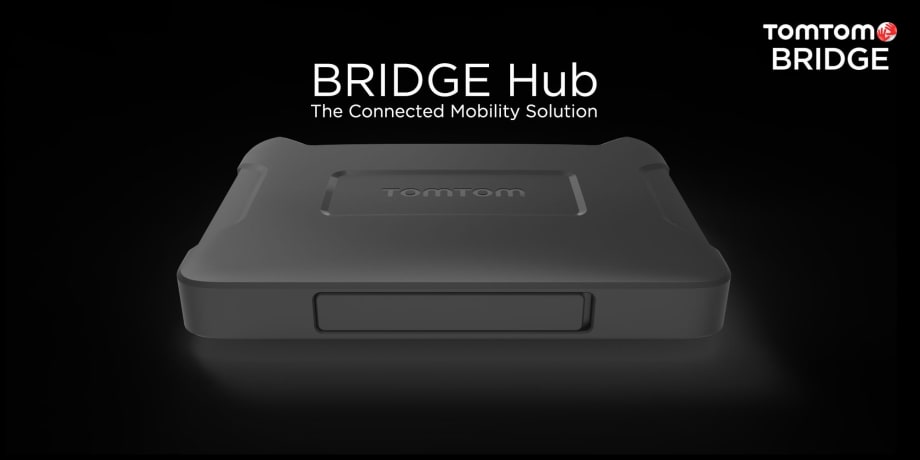
Photo: TomTom
Photo: TomTom
ATLANTA — TomTom has launched the TomTom Bridge Hub in North America, announcing pre-order availability of the connected mobility and electronic logging device compatibility solution.
TomTom is showcasing the solution at the North American Commercial Vehicle Show in Atlanta. The TomTom Bridge Hub builds on the company’s TomTom Bridge, a rugged terminal for drivers that links business applications with TomTom maps, traffic, and navigation software. Applications can interface with navigation, allowing companies to customize solutions for their specific business needs, according to TomTom.
Zebra Technologies brought its solution to NACV to demonstrate how TomTom Bridge Hub offers customers connected navigation and dedicated business applications. The product delivers relevant vehicle information to operate their business on Zebra’s mobile computers.
“Our mission at Zebra Technologies is to empower greater visibility and productivity through our innovative products and enterprise asset intelligence solutions,” said Jason Harvey, vice president of sales, Northern Europe, at Zebra Technologies. “Our partnership with TomTom allows us not only to bring the state-of-the-art TomTom navigation to Zebra devices, but also to bring connected mobility solutions to a whole new level. This is exactly what the market was expecting and we are delighted to partner with a company like TomTom.”
TomTom Bridge Hub is a display agnostic device, allowing customers and partners in various industries - such as transportation, emergency, logistics, and utilities - to connect with regular smartphones and tablets, rugged professional devices, or even HDMI displays to create mobility solutions.
The built-in 4G/LTE connectivity and CAN Bus interface can connect with the driver and the back office as well as to the vehicle itself in real-time. Developers can use the solution to create mobility applications while keeping strong platform control. TomTom Bridge Hub offers flexibility with three different hardware models to ensure a fit-for-purpose solution for an array of technical architectural implementations.
The TomTom Bridge Hub will be compliant with industry-leading ELD software applications to help businesses meet the ELD mandate set for December 2017 in the U.S. and Canada.
“TomTom Bridge Hub offers a highly-innovative solution. It addresses key needs that our customers have identified, helping them to optimize their operations,” said Sebastien Ruffino, business unit manager, TomTom Bridge. “TomTom Bridge Hub is already gaining traction in a wide range of industries from SMEs to large OEMs, where many customers and partners have already selected this product for their next generation implementation.”
TomTom Bridge Hub will be available in in three models. These options provide customers and partners with the flexibility to create customized solutions to bring more efficiency and innovation to businesses daily operations.
TomTom Bridge Hub Non-connected (Android 6.0, TomTom navigation, maps & traffic, 1.5GB RAM, 16GB)
TomTom Bridge Hub Connected (Android 6.0, TomTom navigation, maps & traffic, 1.5GB RAM, 16GB, 4G/LTE CAT-1 module, LTE int. antenna + ext. Antenna con.)
TomTom Bridge Hub Connected Plus (Android 6.0, TomTom navigation, maps & traffic, 1.5GB RAM, 32GB, 4G/LTE CAT-1 module, LTE int. antenna + ext. Antenna con., CAN interface, HDMI, Video input)
Originally posted on Automotive Fleet
More Technology
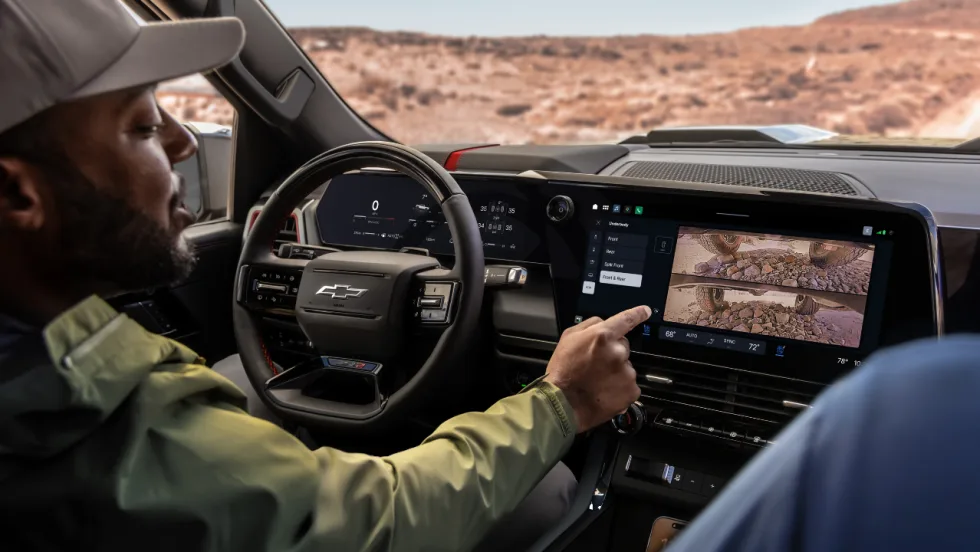
GM Brings New Truck Focused Interface to 2027 Silverado and Sierra
GM's new pickup interface puts trailering data, camera views, vehicle controls, and smartphone integration closer to the driver in the 2027 Silverado and Sierra.
Read More →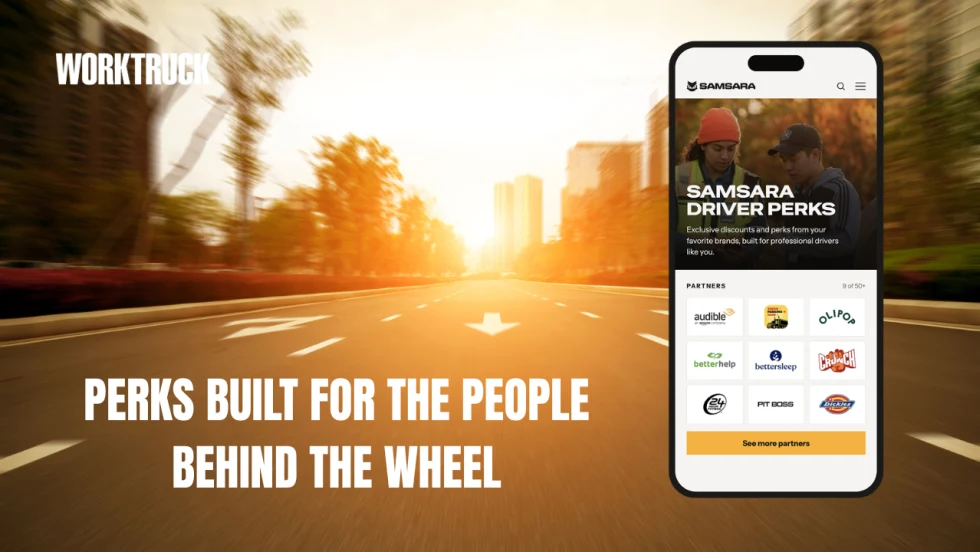
Samsara Driver Perks Expands Rewards Beyond the Long Haul Driver
Samsara’s new driver rewards program was built with a broader professional driver in mind, including employees who split their day between driving, job sites, service calls, and other work.
Read More →
AI Service Advisor Aims to Cut Fleet Repair Downtime
Fleetio said its AI Service Advisor can help fleets cut repair downtime by an average of 2.5 hours per repair while reducing manual maintenance work.
Read More →
Verra Mobility Launches AI-Driven Title & Registration Solution
Verra Mobility has launched a new AI-driven Title & Registration platform to help fleets move vehicles from acquisition to the road the same day while reducing compliance risk.
Read More →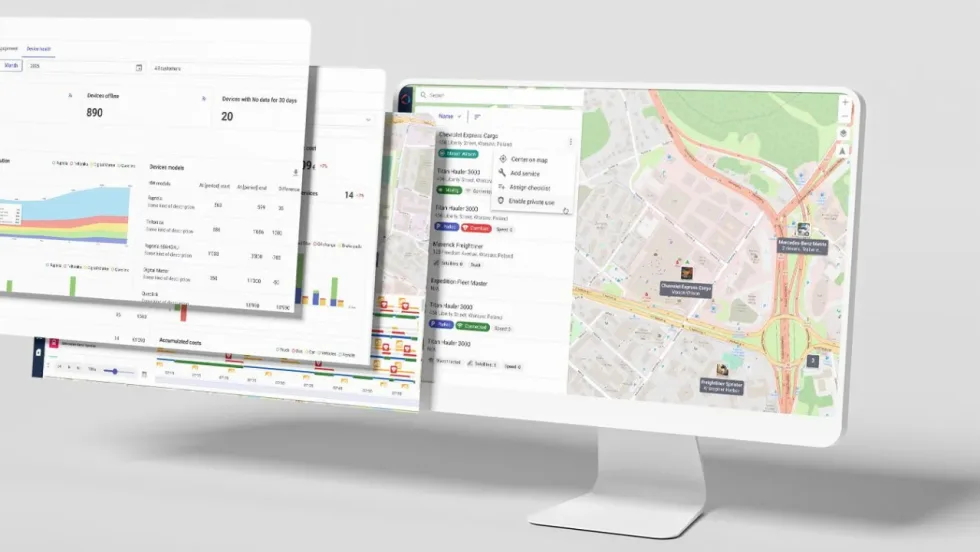
Wialon Unlocks OEM Data to Give Fleet Owners Data Ownership & Operational Clarity
Wialon has introduced hardware-free OEM integration as the EU Data Act accelerates the shift in vehicle data access across the fleet industry in many countries.
Read More →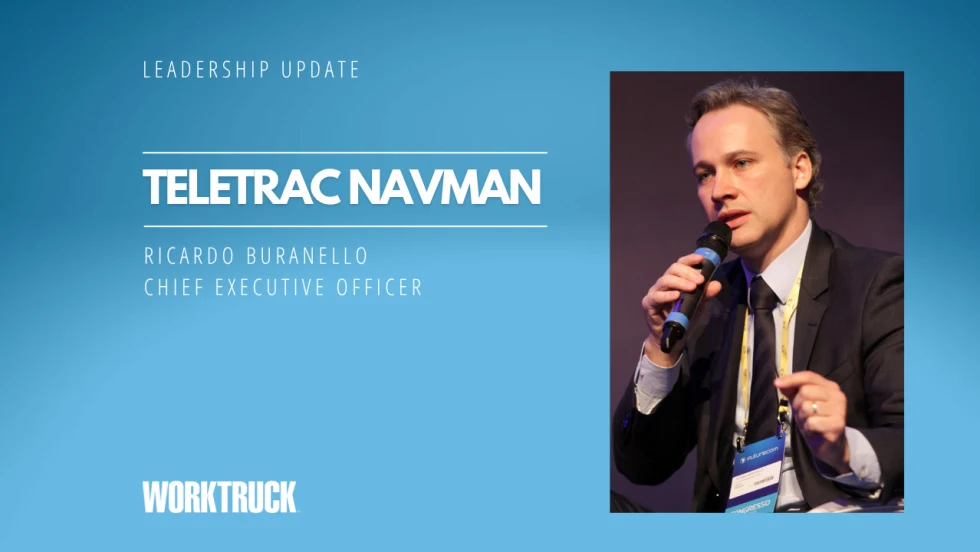
Teletrac Navman Promotes New CEO from Within
Teletrac Navman’s next CEO, Ricardo Buranello, has served as the company’s chief financial and operating officer. He brings deep financial and operational expertise, a strong strategic orientation, and an intimate knowledge of the business to his new role.
Read More →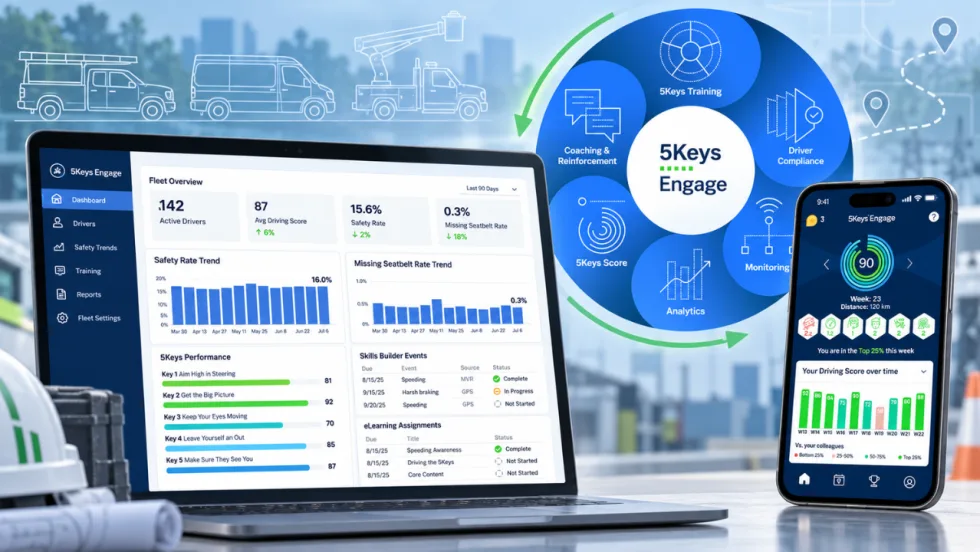
Smith System Wants Work Truck Fleets to Look Beyond the Driver Alert
Smith System’s new Driver Risk Management program is built to help mixed work truck fleets turn telematics alerts and observations into specific behaviors, coaching actions, and measurable follow-up.
Read More →
Ford Pro Software Updates: August 26
Check out the latest Ford Pro software updates, including Google Maps integration, Remote Vehicle Alarm integration, Motor Pool for easier management of shared pool vehicles, and more.
Read More →
Where AI Is Actually Saving Fleet Managers Time
AI is moving past the buzzword stage and into the daily fleet workflow. Fleetio’s Brianna Perry Lang breaks down where fleets are seeing real time savings, from maintenance and data entry to repair decisions, safety, and compliance
Read More →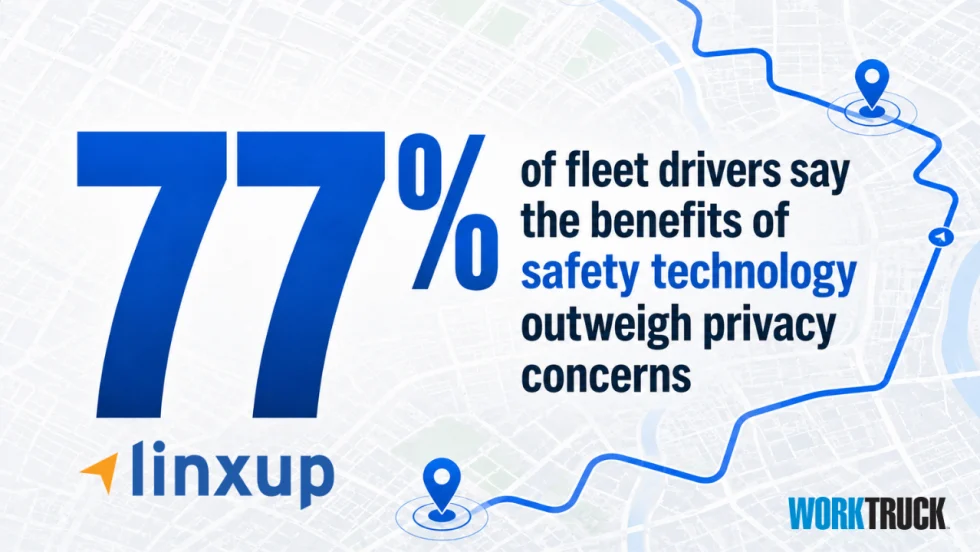
Are Work Truck Drivers Warming Up to Dash Cams and GPS Tracking?
A new survey finds field-service drivers may be more comfortable with dash cams and GPS tracking than fleet managers think, especially when the technology helps protect them after a crash.
Read More →