




Telematics in Vocational Truck Fleets: Refuse and Waste Management
Refuse fleets often have set routes but drivers operate in inherently dangerous conditions. Telematics can help keep drivers safe and improve the efficiency or a refuse or waste management fleet.

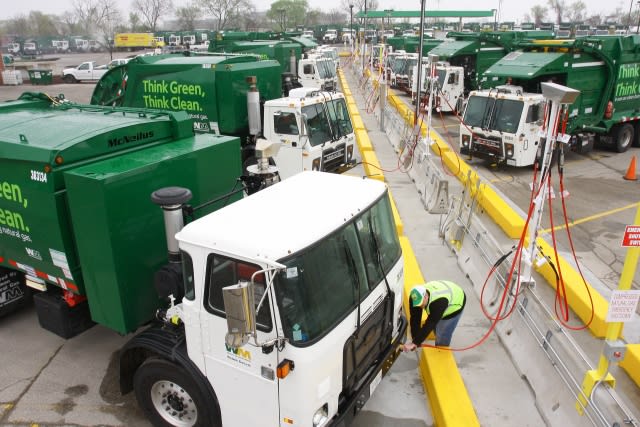
Image of refuse truck fleet courtesy of Waste Management.
Refuse fleets typically operate on set routes and monitoring their locations can assist a fleet manager in ensuring jobs are completed safely and on time.
“The most helpful data point for all these service vehicles is the ability to know the exact time the vehicle arrived and left. With refuse industries, you can also ensure drivers are following the routes and stay within the territory they are assigned. But, ultimately vehicle and driver optimization is the goal at hand,” according to Dan Shive, VP of risk management solutions for LeasePlan USA.
An important benefit of a telematics solution is its use with driver behavior and safety.
“Telematics identifies and corrects poor driving habits, from speeding to harsh usage such as cornering, braking, or accelerating. This data can also be complemented by video from in-vehicle cameras,” said Nathan Todd, director of product management at Teletrac Navman.
Safety is very important in refuse fleets due to the dangerous job conditions and work environment.
“Maximizing asset utilization, automating labor tasks, while minimizing operational costs is the name of the game in the refuse/waste industry because it is a very labor intensive industry with vocal customers (citizens and businesses) and opportunities to automate manual labor tasks to improve productivity and safety. With refuse companies, we are also faced with relatively dangerous working conditions and high velocity and geographically dense services, for both commercial and consumer operations,” according to Kelly Frey, VP of product marketing for Telogis.
An added safety benefit is monitoring adherence to policies, such as safety policies that can be frequently found in refuse fleets.
“Many refuse fleets have a ‘no-reverse’ policy for safety. When a driver goes in reverse, an alert can be sent to management and the driver to let them know they are committing a safety violation,” said Ryan Driscoll, marketing manager for GPS Insight.
In addition, you can incorporate planning and scheduling optimization solutions.
“Progressive technology providers enable refuse companies to be more responsive to customer requests for service, be it an unscheduled pick up of large appliances for a residential customer, or an emergency request to empty a commercial bin that has been filled faster than expected. Customers want more reliability and faster reaction times, but the refuse operation has to be sure that they are not driving operational costs up too much to meet these expectations. Tightly integrating planning with telematics and mobile applications on one cloud platform can provide the ability to meet rising customer expectations while also meeting operational cost reduction targets,” Frey said. “Large 'yellow iron' providers leveraged in transfer station and landfill operations such as John-Deere, Caterpillar, Komatsu, and Volvo have adopted the AEMP standard to share equipment location and diagnostic information with service providers such as Verizon Telematics, so that refuse operations can see all of their equipment and assets (on-road, off-road, powered and non-powered) through 'one pane of glass' easily and cost effectively, while also enabling a richer and deeper diagnostic data set optimized to maximize uptime, safety, and efficiency.”
One of the most helpful aspects of a telematics solution is the ability to know and prove exactly where a vehicle is, when it left, and what time it arrived. This can help to improve customer satisfaction and driver productivity.
Overall, workforce management can be improved through the use of a telematics solution. Route optimization solutions can ensure drivers are traveling the best routes for the jobs that need to be accomplished.
“Refuse and waste management fleets too can benefit greatly from telematics solutions’ route optimization capabilities. Using the technology in this capacity allows fleet managers and drivers to maximize the number of pickups and jobs conducted per route, minimize deadhead time and mileage (the time spent traveling between the route and the disposal site) and efficiently dispatch mid-day jobs based on location, load, and remaining stops. Telematics also helps refuse/waste management fleets with proof of service. By integrating with in-vehicle systems, work flow management, and RFID tagging of the bins, telematics solutions can capture whether or not a customer was serviced,” Todd said.
And, don’t forget about any environment initiatives your company may have.
“Telematics can help reduce the environmental impact of a fleet by improving driver behavior and reducing mileage and fuel use,” said Dain Giesie, assistant vice president of Enterprise Fleet Management.
Optimizing vehicles for work flow and operation can also be handled through advanced diagnostics and integration with the maintenance aspect of a telematics solution.
Many refuse trucks operate on alternative fuels and the ability to monitor fuel pressure and temperature can help vehicles work at their optimal capabilities.
“Using telematics for CNG fuel pressure and temperature to accurately measure fuel usage,” said Scott Sutarik, associate VP, commercial vehicle services for Geotab.
In addition, monitoring the use of specific pieces of refuse equipment can help a fleet manager know whether a driver is operating the equipment properly and not overstressing the components on the truck.
“Garbage trucks have equipment on the vehicle, such as the compactor, that should only be operated when the vehicle is stopped and idling in order to no overstress the engine or create a potential safety issue. Telematics can measure these instances where the vehicle is idling, but utilizing the PTO so that the fleet managers can ensure the vehicle is being used properly and the PTO time is not counted as idling time,” said Bob Clark, manager of commercial motor vehicle compliance and telematics for Wheels.
More Technology & AI
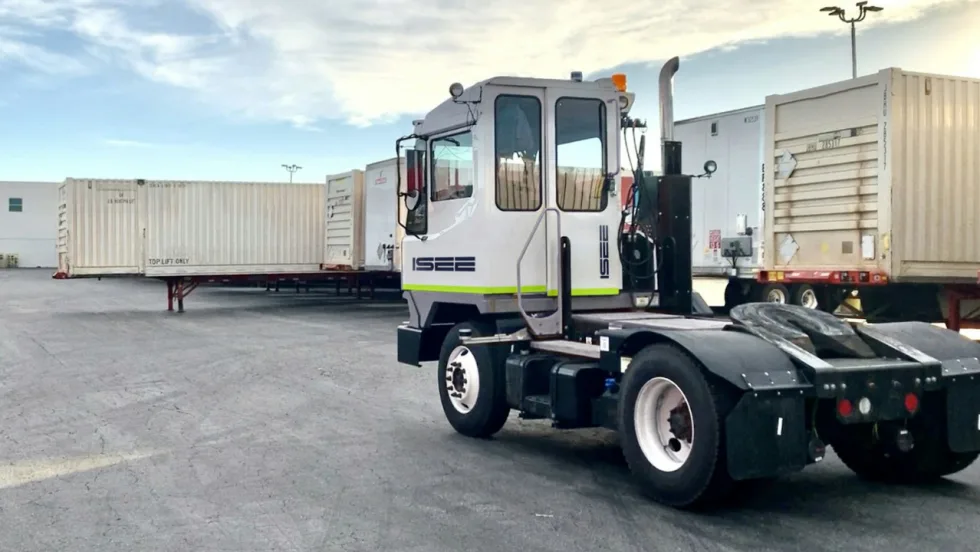
Holman and ISEE Partner to Expand Autonomous Yard Truck Operations
The partnership combines Holman's fleet management and upfitting capabilities with ISEE's autonomous driving technology to help businesses deploy and manage driverless yard trucks.
Read More →
Who You Gonna Call? Rivian Turns Electric Vehicles Into Ghostbusters Rides
Rivian teams up with Sony Pictures for a Ghostbusters-inspired Halloween software update, complete with custom sounds, lighting effects, and a special Ecto-R1.
Read More →
The Second Trip and What Missing Tools Really Cost a Service Business
For service fleets, missing tools and equipment can lead to second trips, lost technician time, higher operating costs, and delayed jobs. Equipment tracking can help HVAC, plumbing, electrical, landscaping, and other service businesses improve visibility and reduce downtime.
Read More →From Our Partners
Basic Tracking vs Next Generation Fleet Technology
Sponsored by AT&T Business
5 Facts Every Fleet Manager Should Know About Embedded Telematics
Sponsored by Stellantis/Mobilisights
How AI Video Telematics Boosts Driver Safety and Helps to Avoid Unnecessary Costs
Sponsored by Verizon Connect
Charting the 8 Bottom-Line Benefits of Workforce Optimization
Sponsored by Verizon Connect

GeoFencing Adds to Your Truck Security Arsenal
Geofencing is a familiar fleet tool today, but its early adoption marked a major shift in vehicle tracking, route monitoring, and the debate over employee privacy.
Read More →
Geotab Data Shows Regional Trucking Growing Faster as Last Mile Routes Get Denser
Geotab's first U.S. supply chain report finds stable long-haul activity, stronger regional freight movement, tighter hub-and-spoke utilization, and more last-mile trips on shorter routes.
Read More →
When Fleet Technology Helps and When It Just Adds Complexity
New technology can help fleets work smarter, but only if it solves the right problem. Lauren Fletcher talks with AP Fleet’s Alex Coveney about innovation, AI, data, and knowing when a new solution is actually worth adopting.
Read More →
Volvo Trucks’ 'Lock and Leave' Software Updates Go Live Across North America
Unattended over-the-air software updates are now available in Volvo trucks across the U.S. and Canada. The new capability lets trucks stay current with the latest software without interrupting operations or requiring a dealership visit.
Read More →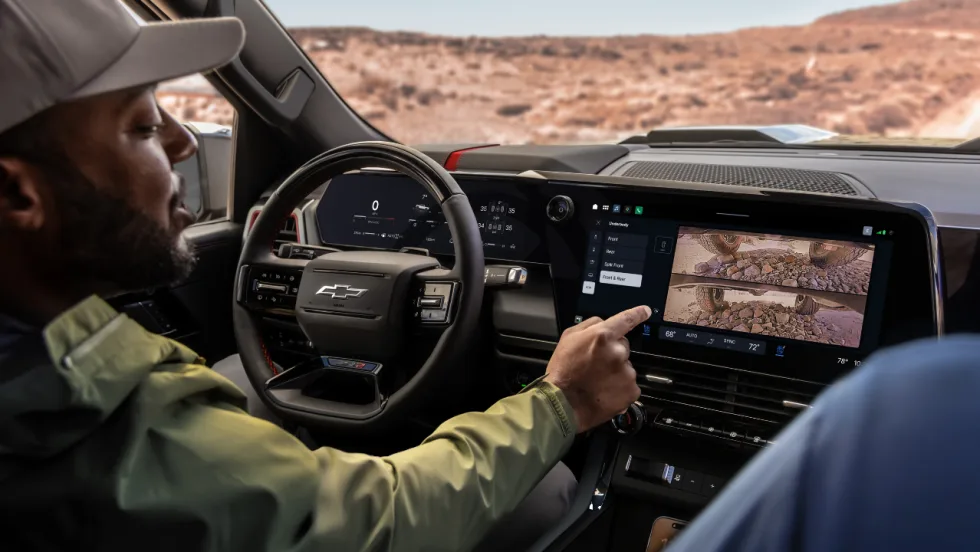
GM Brings New Truck Focused Interface to 2027 Silverado and Sierra
GM's new pickup interface puts trailering data, camera views, vehicle controls, and smartphone integration closer to the driver in the 2027 Silverado and Sierra.
Read More →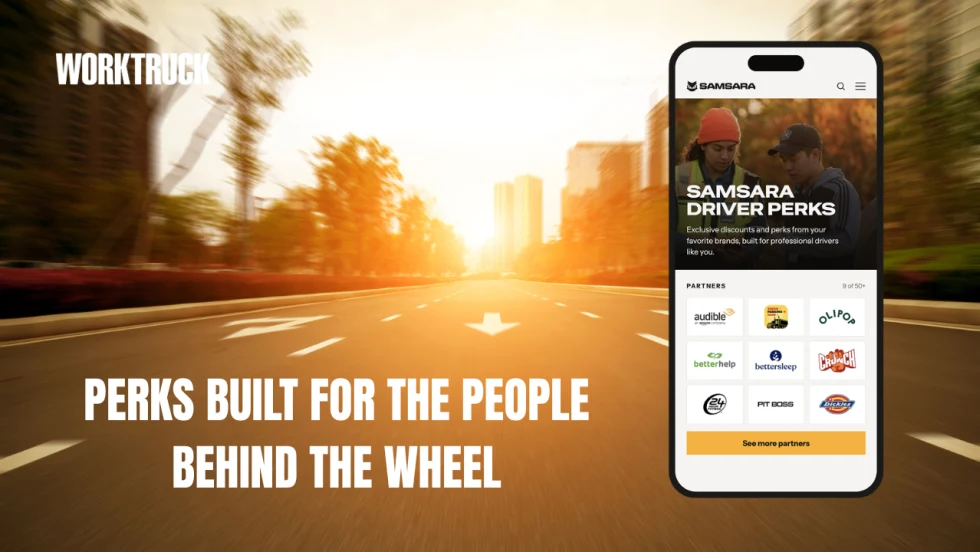
Samsara Driver Perks Expands Rewards Beyond the Long Haul Driver
Samsara’s new driver rewards program was built with a broader professional driver in mind, including employees who split their day between driving, job sites, service calls, and other work.
Read More →
AI Service Advisor Aims to Cut Fleet Repair Downtime
Fleetio said its AI Service Advisor can help fleets cut repair downtime by an average of 2.5 hours per repair while reducing manual maintenance work.
Read More →