




Telematics in Vocational Truck Fleets: Local Delivery
Route planning and optimization, scheduling, and complete visibility into a local delivery fleet are just some of the industry-specific benefits of a telematics solution.

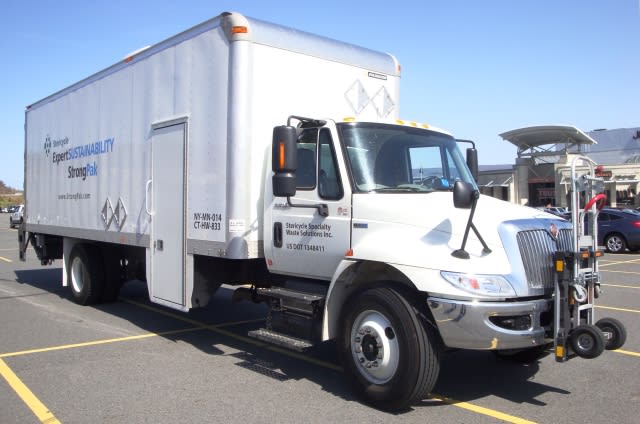
Local delivery fleets use a variet of trucks, from cargo vans to box trucks to trucks with trailers (pictured). Photo courtesy of Wikimedia Commons.
Local delivery fleets have their own unique sets of challenges that telematics can assist with. Some local delivery fleets will operate on set routes, while others have routes that differ each day depending on orders or requests.
Efficiency and driver productivity is going to be a key to success for local delivery fleets.
“By using telematics to monitor and enforce policies (like right-turn only), local delivery companies can greatly increase their driver productivity,” said Dain Giesie, assistant vice president for Enterprise Fleet Management.
Route optimization and scheduling are two areas that best benefit from a telematics solution.
“In terms of local delivery fleets, route optimization is key to success. Rerouting around traffic and choosing the shortest route helps local delivery fleet owners fulfill the most deliveries in the shortest amount of time. Local delivery fleets can use telematics solutions to locate drivers closest to a certain delivery spot and choose them to complete the job, for example, cutting out unnecessary driving. They can also use telematics’ GPS vehicle tracking capabilities to identify high-traffic areas and plan multiple pickups and deliveries in a short time span. For local delivery drivers, telematics can make all the difference in communication, be it with the dispatcher, the fleet owner or the customer. Real-time alerts give them information as soon as it is available, and they can relay any delays in shipment and/or come up with an alternative route right away. Telematics is also helpful in tracking local delivery drivers’ hours-of-service – with so many deliveries, logging hours spent on the road digitally is the best way to remain compliant with driver safety legislation,” said Nathan Todd, director of product management at Teletrac Navman.
Route planning is especially important for local delivery fleets.
“For the local delivery company, efficiency means more deliveries and more revenue. Utilization of route planning software can enable the local delivery company to optimize the delivery route to maximize revenue while supporting client specific needs such as a limited delivery window,” said Bob Clark, manager of commercial motor vehicle compliance and telematics for Wheels.
Competition is growing in the delivery vocation with larger companies such as Amazon and even Uber competing for jobs.
“Maximizing asset utilization, minimizing operational costs and creating and executing the best plan are the name of the game in local delivery. With the changing dynamic of local delivery being transformed with such players as Amazon and Uber we are seeing a tremendous change in the local delivery market, be it packages or groceries or restaurant food. Telematics track and trace and mobile enablement are table stakes for the players looking to change the game and break down traditional service/delivery paradigms, as is the capability to support first and last mile delivery optimization with a consistent user experience from brick and mortar to digital, especially for retail distribution companies,” according to Kelly Frey, VP of product marketing for Telogis.
Utilizing telematics can help provide better estimated times of arrival for deliveries and even help reroute drivers around accidents or heavy traffic.
“Integrate GPS into your customer facing Web or mobile application to be able to provide your customers with real time ETA status of their delivery. This will give your customer visibility to be able to better plan for their delivery and assists with questions to reduce call center volume on status updates,” said Kimberly Clark, telematics leader for Element Fleet Management.
Telematics can provide greater visibility into a local delivery fleet.
“Fleet managers are able to see if, for example, any of their drivers are unnecessarily taking tollway roads for deliveries. Putting a stop to this behavior though routing intelligence has saved fleets more than $1,000 a month,” said Ryan Driscoll, marketing manager for GPS Insight.
In addition, fleet managers or dispatchers can set zones around pick-up or drop-off locations, ensuring the closest driver is always notified of a job first.
“Set zones around pick-up and drop-off locations and understand routes. Using this information, you can dispatch the closest driver ensuring timely deliveries and improve routes to improve efficiency and safety of your fleet,” said Scott Sutarik, associate VP, commercial vehicle services for Geotab.
As with other fleets, connecting all assets can assist a local delivery fleet comply with regulations, track down missing or stolen vehicles, and provide 100% visibility into a delivery fleets operation in real time.
“Connect everything associated with the local delivery task, including on-road vehicles, cargo tracking, bin and pallet tracking, and refrigerated trailer sensors required to support regulations such as the Food Safety Modernization Act,” said Frey of Telogis.
More Operations
Family Ties Inside the Fleet Families Building Careers Across Generations
Three fleet families share what it really takes to work together, learn across generations, and keep business from following them home.
Read More →
Shades of Fleet Call for Voices: Fleet's Hidden Heroes
Fleet’s hidden heroes are often the ones keeping everything moving behind the scenes. September’s Shades of Fleet is looking for dispatchers, coordinators, parts specialists, and other support pros to share their stories.
Read More →
Truck Centers, Inc. Celebrates National Truck Driver Appreciation Week with $1,000 Fuel Card Giveaways
During National Truck Driver Appreciation Week, Truck Centers, Inc. is offering customers a chance to fuel up for free. Customers at all Truck Centers locations can enter to win one of four $1,000 fuel cards from Sept. 14 - 18.
Read More →
Fleet Guides, AI Time-Savers, Truck Tariffs & Fuel Strategy Lead the News
This week’s Truck Chat Cheat Sheet covers new fleet vehicle guides, practical AI use cases, U.S.-Canada truck production, mixed-energy strategy, and more.
Read More →
What Fleet Employers Are Missing When Hiring Veterans
What if some of the strongest candidates for fleet are already out there, but their experience is written in a language our industry does not always recognize?
Read More →
Automotive Fleet Opens 2026 Personal Use Survey for Commercial Fleet Managers
Less than two weeks left! Commercial and corporate fleet managers are invited to share how their organizations handle company vehicle personal-use policies, charges, and driver eligibility.
Read More →
What Resilient Fleets Do Differently When Conditions Change
Fleet resilience is about more than reacting to disruption. Lauren Fletcher talks with AP Fleet’s Alex Coveney about flexibility, planning, scaling, and what helps fleets adapt when business conditions shift.
Read More →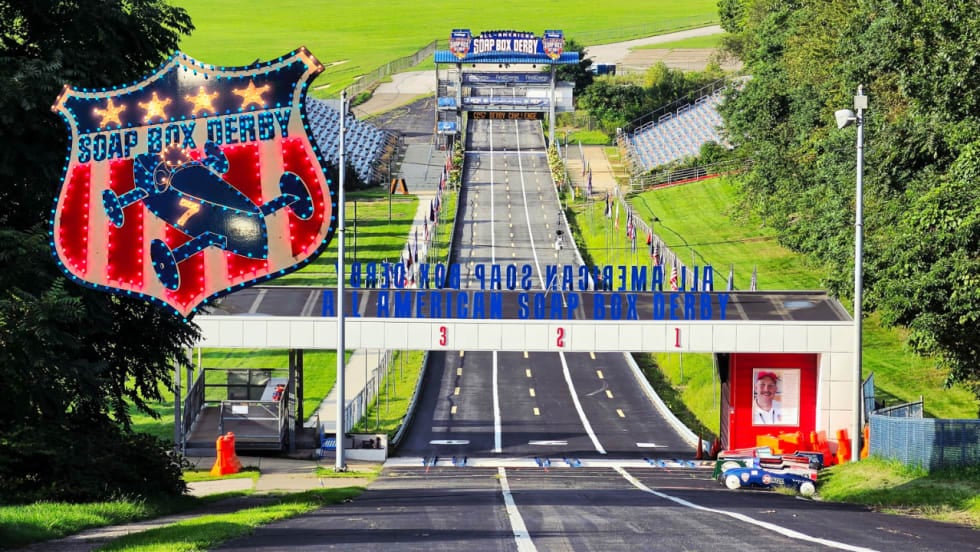
If We Want the Next Generation in Automotive, We Have to Give Them a Reason to Care
The automotive industry talks constantly about its workforce shortage. But before we can recruit the next generation, we may need to do a better job giving kids a reason to care about automotive in the first place.
Read More →
Ram ProMaster City Under $40K, Truck Tariffs, and AI Maintenance Lead the News
A sub-$40K commercial van, tariff questions, AI-powered maintenance, and a new EV production strategy headline this week’s Truck Chat Cheat Sheet.
Read More →
Bob Adamsky Shares the Fleet Lessons You Usually Learn the Hard Way
After more than 30 years in fleet, Arrow International’s Bob Adamsky has learned that the job is about far more than vehicles. He shares the lessons he wishes every fleet manager could learn a little earlier.
Read More →