




12 Telematics Trends and Technologies
If there is one constant with telematics, it’s change. New technology emerges rapidly — and the way that technology is used evolves at the very same time. That means new trends are always on the horizon.


Photo: istockphoto.com/artvea

Photo: istockphoto.com/artvea
If there is one constant with telematics, it’s change. New technology emerges rapidly — and the way that technology is used evolves at the very same time. That means new trends are always on the horizon.
Faster Networks
By 2016, 2G networks will be a thing of the past. As fleets upgrade their telematics technology to 3G and 4G networks, they’ll benefit from the greater bandwidth and faster data downloads these high-speed networks provide.
At the same time, upgrading to faster networks should mean more data sets for the same monthly price. For example, in the past, customers may have subscribed to GPS tracking alone. With an upgrade, they can expect to get real-time driver safety coaching, fleet maintenance, and fuel and productivity tools too — all for the same fee they’re used to paying.
Greater Smartphone and Tablet Integration
Since the release of the iPad in 2010, tablets of all sorts have become a business staple, not a novelty. So, it’s no surprise telematics are becoming more integrated with tablets and their even more omnipresent counterparts: smartphones. With location tracking, job dispatch and vehicle
diagnostics data all available on handheld devices, fleet managers and dispatchers can make real-time decisions even outside the office. This will continue to help businesses reduce the risk of speed-related accidents, control maintenance costs, and decrease fuel bills, all on the go.
Application Programming Interface
It takes more than one system to run a fleet. Allowing these systems to share information across platforms makes the data that much more powerful. That’s why Application Programming Interface (API) — the ability to integrate third-party software applications — is growing in popularity.
By integrating GPS location and vehicle diagnostics data into software applications like dispatching, fleet management, and asset management, fleet managers can streamline data gathering and gain quicker insights.
Telematics data can also be integrated into back-office systems or ERP systems to improve workflows and operational analysis in departments outside fleet, including accounting, customer service, operations, and human resources. Route planning software, safety, temperature monitoring, tire pressure monitoring, video capture, sensors, and data analytics can also be added onto existing telematics solutions.
Yard Navigation
Turn-by-turn directions have been around for years — but they’re about to get better. For vehicles serving customers with expansive properties, like yards or construction sites, drivers need to know more than a street address to arrive at the right location. Some sites have multiple access points, as well as different entries and exits. Some businesses are strict about how trucks arrive and leave their business. Now, turn-by-turn audio directions guide drivers to a precise destination, with helpful advice adapted to the specific business they are servicing. This improves timeliness of deliveries while reducing accidents, lost drivers, and issues with local residents.
Social Media Integration
Telematics aren’t exempt from the public’s ongoing love affair with social media. Nashville-based food truck Itty Bitty Donuts uses telematics technology to send an automatic GPS location update to Twitter and Facebook so followers know the truck is their area — simultaneously catering to their loyal followers and making it easier to gain new customers.
This is just the beginning of social media integration; more uses are sure to come as companies discover ways in which location data can appeal to customers or even employees.
Direct Connections with Customers
Social media is just one way to let customers know the location data in which they’re interested. Some fleets are taking customer interactions a step further, allowing them to log in directly to their fleet management application. This lets customers check the location of vehicles in relation to service needs, delivery times and more.
Likewise, some companies share location information with shippers or carriers to allow for better receiving dock scheduling. This allows the delivery company to make better planning decisions, keep drivers happier and productive, while also reducing out of stocks on the store shelves due to poor visibility to inbound freight.
Photo Reporting
For years, telematics have helped companies prove a job has been completed. Should a customer question whether a technician or service professional completed a call, companies have time-stamped location data to prove job info.
Now, photo reporting adds an extra layer of proof. Service companies like pool service and landscapers take pictures and send them into telematics reporting to prove that not only were they on site, but they completed the job. It’s visual proof the job was done — and done well.
Video
Telematics can capture unsafe driving practices like speeding, hard braking and rapid acceleration. But those aren’t the only driver behaviors that cause crashes. Drivers can be distracted by all sorts of things, from cell phones to sandwiches. That’s where video comes in. Dashboard cameras can capture exactly what the driver was doing — or not doing — at the time of an accident or other driving event. When integrated with telematics data, fleets can see a fuller picture of what caused a crash. Or, they can use the footage to defend innocent drivers accused of causing accidents. Video can also help companies coach drivers on safer driver behavior.
Fleets interested in leveraging video should do so prudently; having a camera record 24/7 often turns into a mountain of data. That doesn’t help anyone. The most useful solutions link cameras to vehicle performance, driver behavior, or specific events like a door opening, so the most valuable information comes to the surface. These snippets of video can become audit trails for critical events, including accident reconstruction or staff training.
OEM/Factory-Fit Telematics
Telematics devices have become integral in fleet management, so much so that more OEMs are expected to offer vehicles with them already installed. But buyers beware — OEM data can be expensive and may not offer as rich of reporting on safety, productivity and vehicle maintenance events. There may be additional challenges integrating factory-fit telematics with other fleet software as well.
Improved Prognostics for Vehicle Maintenance
Monitoring and collecting data on engine diagnostics has gone on for years, but using it to prevent breakdowns before they happen is gaining major ground. Just one unplanned road call costs more to a company than an entire telematics system costs for three years. Predictive maintenance can help fleets maintain equipment with minor repair costs, scheduling the repair based on the priority of the vehicle’s problem.
Telematics devices can capture diagnostic trouble codes as well as monitor engine hours, odometer and idle time. Data can then be analyzed to determine trends, like which make/model has specific failures and how those makes/models compare to others. This can improve preventive maintenance plans, but can also affect purchasing decisions. Eventually, the technology will be available to mine this data for patterns that can determine future maintenance issues.
Addressing Hours of Service Compliance
New Federal Motor Carrier Safety Administration requirements have driven the telematics industry to focus on performance and compliance management. Look for solutions to emerge that will help fleets manage critical requirements like hours of service , driver vehicle inspection reports and fuel taxes — all of which will offer fleets the ability to better manage and improve Compliance, Safety, Accountability scores.
Adoption by Small Businesses
As telematics has become more affordable and effective, smaller fleets are benefitting in larger numbers. Now that larger fleets have made the business case for their use, small businesses are becoming more comfortable making the investment in a telematics solution.
This article originally appeared in the 2014 Connected Fleet Guide supplement. View the full digital edition here.
Originally posted on Automotive Fleet
More Technology & AI
Geotab Data Shows Regional Trucking Growing Faster as Last Mile Routes Get Denser
Geotab's first U.S. supply chain report finds stable long-haul activity, stronger regional freight movement, tighter hub-and-spoke utilization, and more last-mile trips on shorter routes.
Read More →
When Fleet Technology Helps and When It Just Adds Complexity
New technology can help fleets work smarter, but only if it solves the right problem. Lauren Fletcher talks with AP Fleet’s Alex Coveney about innovation, AI, data, and knowing when a new solution is actually worth adopting.
Read More →
Volvo Trucks’ 'Lock and Leave' Software Updates Go Live Across North America
Unattended over-the-air software updates are now available in Volvo trucks across the U.S. and Canada. The new capability lets trucks stay current with the latest software without interrupting operations or requiring a dealership visit.
Read More →From Our Partners
Basic Tracking vs Next Generation Fleet Technology
Sponsored by AT&T Business
5 Facts Every Fleet Manager Should Know About Embedded Telematics
Sponsored by Stellantis/Mobilisights
How AI Video Telematics Boosts Driver Safety and Helps to Avoid Unnecessary Costs
Sponsored by Verizon Connect

Charting the 8 Bottom-Line Benefits of Workforce Optimization
Sponsored by Verizon Connect

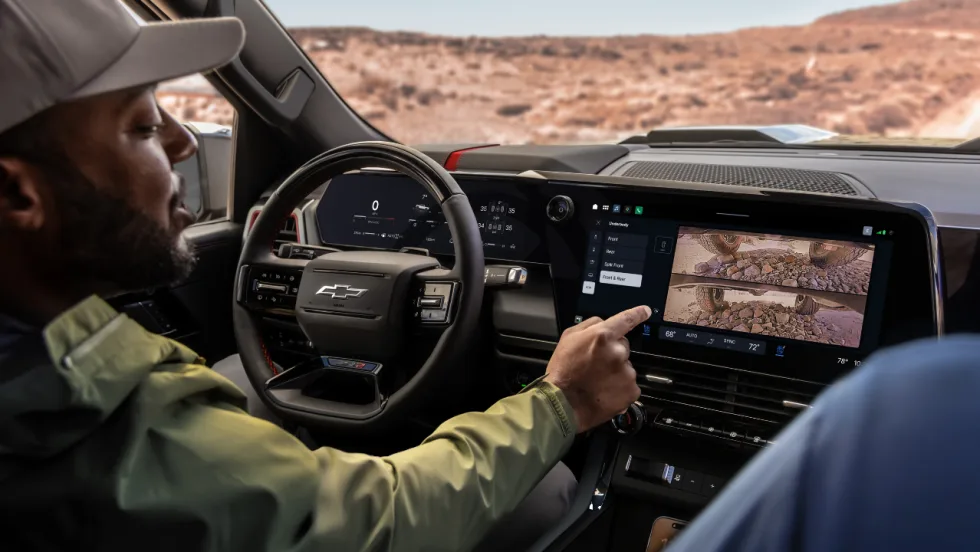
GM Brings New Truck Focused Interface to 2027 Silverado and Sierra
GM's new pickup interface puts trailering data, camera views, vehicle controls, and smartphone integration closer to the driver in the 2027 Silverado and Sierra.
Read More →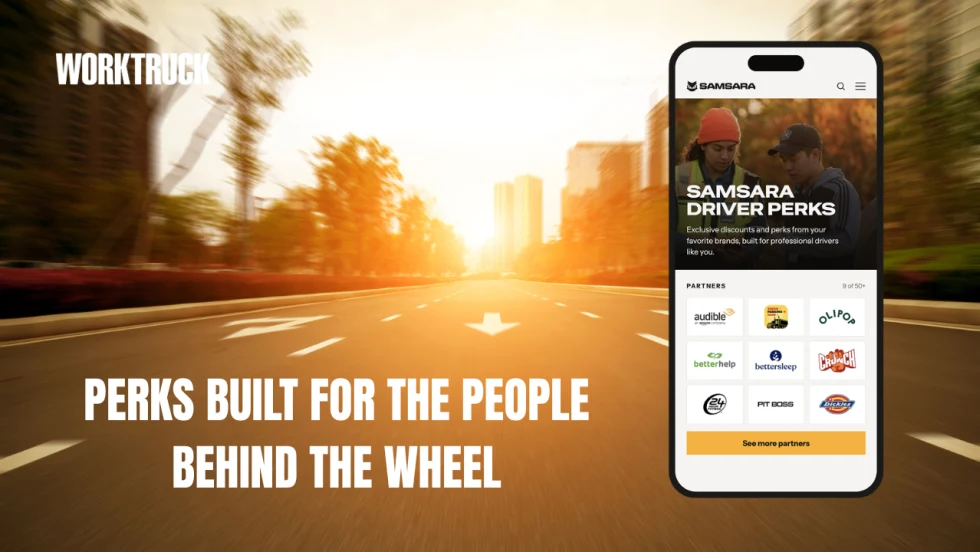
Samsara Driver Perks Expands Rewards Beyond the Long Haul Driver
Samsara’s new driver rewards program was built with a broader professional driver in mind, including employees who split their day between driving, job sites, service calls, and other work.
Read More →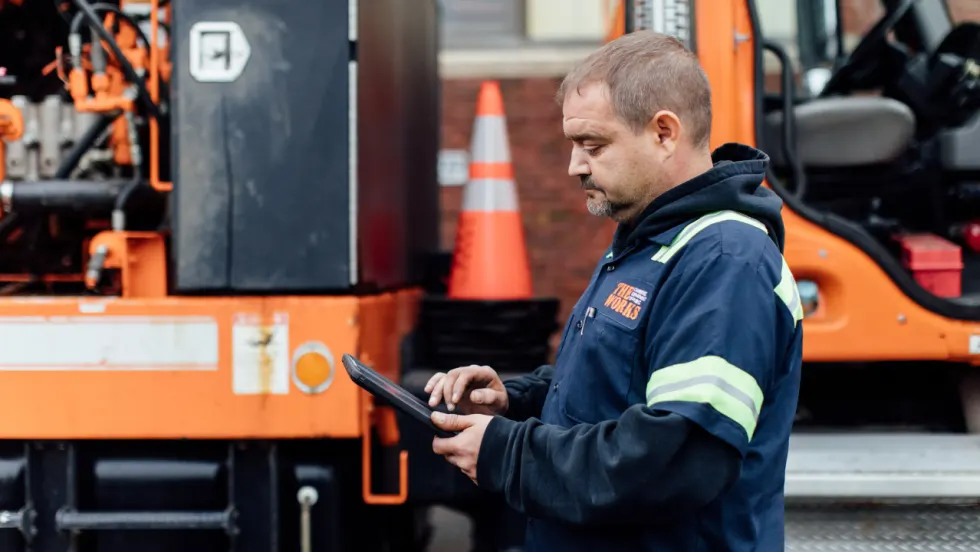
AI Service Advisor Aims to Cut Fleet Repair Downtime
Fleetio said its AI Service Advisor can help fleets cut repair downtime by an average of 2.5 hours per repair while reducing manual maintenance work.
Read More →
Verra Mobility Launches AI-Driven Title & Registration Solution
Verra Mobility has launched a new AI-driven Title & Registration platform to help fleets move vehicles from acquisition to the road the same day while reducing compliance risk.
Read More →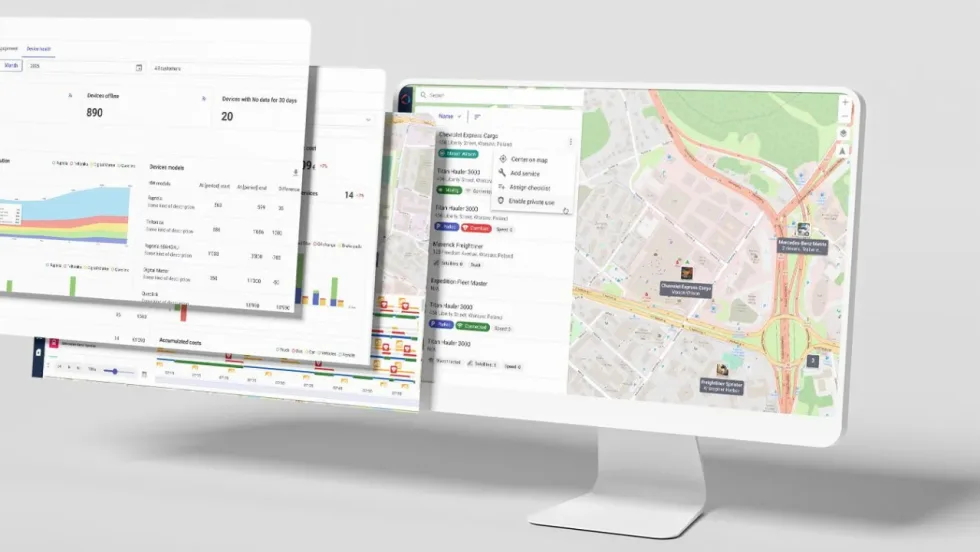
Wialon Unlocks OEM Data to Give Fleet Owners Data Ownership & Operational Clarity
Wialon has introduced hardware-free OEM integration as the EU Data Act accelerates the shift in vehicle data access across the fleet industry in many countries.
Read More →
Teletrac Navman Promotes New CEO from Within
Teletrac Navman’s next CEO, Ricardo Buranello, has served as the company’s chief financial and operating officer. He brings deep financial and operational expertise, a strong strategic orientation, and an intimate knowledge of the business to his new role.
Read More →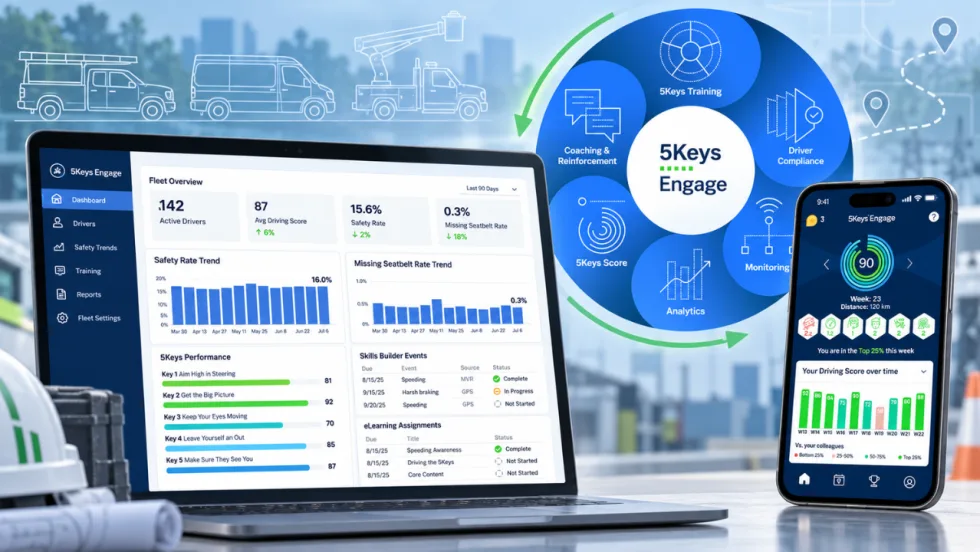
Smith System Wants Work Truck Fleets to Look Beyond the Driver Alert
Smith System’s new Driver Risk Management program is built to help mixed work truck fleets turn telematics alerts and observations into specific behaviors, coaching actions, and measurable follow-up.
Read More →