




Top Best Practices in Truck Maintenance
Maintenance continues to be among the most expensive aspects of running a Class 3-7 truck fleet. But, there are ways to control these costs and remain efficient.

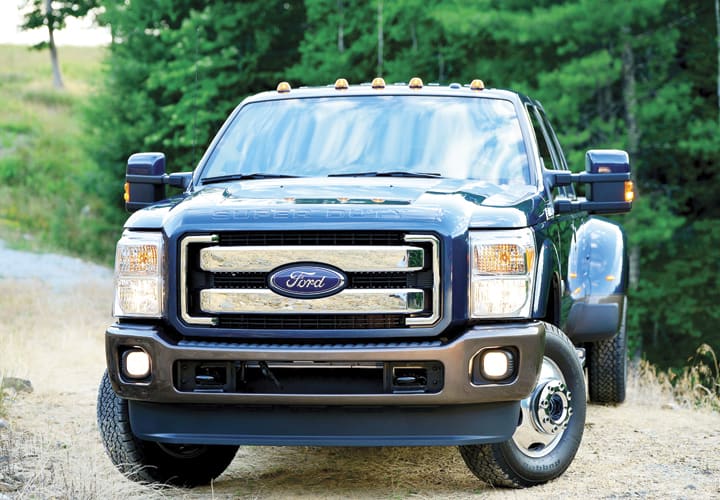
The Ford F-350 is a popular work truck fleet model.
Photo: Ford
Controlling costs is among the most important aspects of a fleet manager's job and maintenance costs are top of the list. What can truck fleet managers do to improve overall fleet maintenance?
While there isn't any one, simple solution that works for every fleet, there are a number of best practices and resources available to help fleet managers keep their trucks on the road to fulfill the fleet's mission.
Following are a sampling of priorities, techniques, and resources fleets across the industry are using to maintain their medium-duty trucks (Class 3 through 7):
Case Study #1: Reducing Truck Downtime
In 2013, the fleet management company PHH Arval — now known as Element Fleet Management — asked a third-party company to analyze the maintenance and repair transactions of its clients to determine whether preventive maintenance programs actually do reduce vehicle downtime.
The third-party that did the analysis looked at 130,000 repair transactions that occurred over the last three years for 100 clients. These fleets had a minimum of 20% medium- and heavy-duty trucks. The study broke out the repair transactions tracked for those clients into two groups — assets in a PM program and those that weren't. From there, the study looked at scheduled maintenance and repairs required for breakdowns that took a given vehicle off the road.
The key finding from the study was that fleet vehicles participating in a PM program experience roughly 20% fewer days down per service repair (i.e., unusable by employees for business purposes) than those that aren't in a PM program.
One more direct cost related to maintenance is for towing a vehicle that suffered a breakdown. In addition, fleets with specialized vehicles, including trucks, can't easily get a timely replacement asset.
When it comes to PM programs, getting drivers to participate can be a challenge, depending on the type of fleet and whether assets are in a motor pool or assigned to specific drivers. In motor pools, a company's branch or regional manager in charge of drivers is often aware of the impacts of downtime on scheduling and can be an ally in ensuring PM program compliance.
For companies that assign vehicles, there are a variety of ways to ensure compliance. Some examples include incentive programs, where drivers can earn points and use them for rewards, including time off.
Case Study #2: Utilizing a Full Truck Maintenance Solution
When a non-profit foundation in New York decided it was time to reevaluate its fleet maintenance, it turned to Merchants Fleet Management's full maintenance solution.
The non-profit had a full-time, on-site staff, including several mechanics, managing maintenance, which was becoming cost prohibitive.
The non-profit transitioned to Merchants' full-maintenance program, which included detailed evaluation of the vehicle types the organization needed and their anticipated repairs. The solution was a two-year, closed-end lease with full maintenance. This resulted in a guaranteed fixed monthly cost for budgeting purposes, and the full maintenance package allowed the community to use the staff more efficiently, resulting in "significant" annual savings.
Case Study #3: Trying Out an Administered Maintenance Solution
When a national convenience and gas station chain needed to simplify its vehicle maintenance administration, it approached Merchants Fleet Management, which offered the company an administered maintenance program.
For a small fee per vehicle, Merchants handles all the administration of the convenience chain's vehicles nationwide. Merchants acts as the driver's point of contact when there's a maintenance issue, freeing the fleet manager to focus on other issues. The program has helped to avoid unnecessary repairs.
Case Study #4: Creating Ways to Handle Maintenance Challenges
Denver International Airport's fleet is administered by the City/County of Denver's Department of Aviation. The Fleet Department is responsible for providing lifecycle management and maintenance of the fleet used to maintain the airport's 53-square-mile area.
Among the fleet's biggest functions is snow removal, and has two teams (Landside and Airside) with specialized equipment.
The Landside team is responsible for access roads, parking structures, and parking lots. The team operates Class 3-7 plow trucks with sand or chemical capability. It also uses several loaders, skid steers, and tractors. The Airside team is responsible for the runways, taxiways, and roadways in the secure areas, utilizing the largest and most advanced technology vehicles for snow removal on the market, according to Jeff Booton, director of fleet management for the Denver International Airport.
The fleet's biggest maintenance challenge is keeping up with maintaining its wide variety of equipment.
"In the past you could buy the same vehicle several years in a row with very little change, but as technology advances and environmental concerns continue to grow, every new model-year of vehicle has significant changes incorporated which makes the overall fleet much more diverse and complex," Booton said. "With that, you start getting to the point where you need technicians to specialize in the type of vehicles they work on. One person simply can't know how to work on all types of vehicles and remain proficient in all of them. The challenge is that many government sector fleet shops weren't designed to handle this type of complex workload from a facility or employee classification perspective."
Of its 1,000-plus vehicles, about 330 are Class 3 through Class 7. Within that category there are 23 different manufacturers represented — everything from a Ford F-350 to an Oshkosh 4500 Striker. As with other truck fleets, the top maintenance expenses are tires and lubricants, which have been the top maintenance costs for the past five years.
The airport's preventive maintenance program is currently undergoing a change.
"Due to the seasonal nature of a large part of our fleet we found that we need to look closer at how we schedule our PM," Booton said. "For instance, we do all of the snow fleet PM during the summer months. When scheduling these PM we need to consider the size limitations of our stockroom and maintenance shop versus the physical size and number of assets in our snow fleet. While we would like to do all of the tow-behind brooms before moving on to do all of the snow blowers, the limitations I outlined prevent us from doing this efficiently. With these things in mind we are building a PM plan that schedules a grouping of vehicle classifications each month so we can be more efficient with our manpower and facilities."
As part of its PM program, the fleet has established a customer service section to triage minor maintenance. The team acts as service writers, handles road service calls, and takes on jobs that can be completed in two hours or less.
According to Booton, since implementing this system, 40% of the vehicles brought to the customer service section have been returned to the drivers in under two hours, in effect reducing unscheduled maintenance by 40%.
Vehicle recalls have been inconvenient and time consuming, since the airport is 15-plus miles outside of Denver proper. So, to further its drive to efficiency, Booton has implemented a LEAN process by getting engagement at every level of the organization.
"We're finding that developing a standard process for everything we do can help reduce downtime and increase efficiency/quality," Booton said.
The fleet has saved money in a number of areas, must significantly in its vehicle replacement budget. The fleet has been rightsized, and by leveraging economies of scale in purchasing and utilizing multiple existing bid contracts it saved $490,000 out of its $7.4 million. It also remanufactured three 10-plus-year-old Caterpillar loaders, saving a further $158,000.
Booton had practical advice for fleet managers looking to improve their maintenance program.
"Periodically review your own maintenance program as if you were evaluating someone else's fleet. It's great to have pride in your fleet but not to the point where you overlook opportunities to improve your processes and programs," he said.
More Maintenance & Uptime
Armor Equipment Strengthens Minnesota Service Capabilities with Acquisition of Dakota Truck
Armor Equipment has acquired Dakota Truck, a medium- and heavy-duty truck and trailer repair business based in Lakeville, Minnesota. The acquisition adds truck and trailer repair expertise, building on Armor’s expansion into the Upper Midwest.
Read More →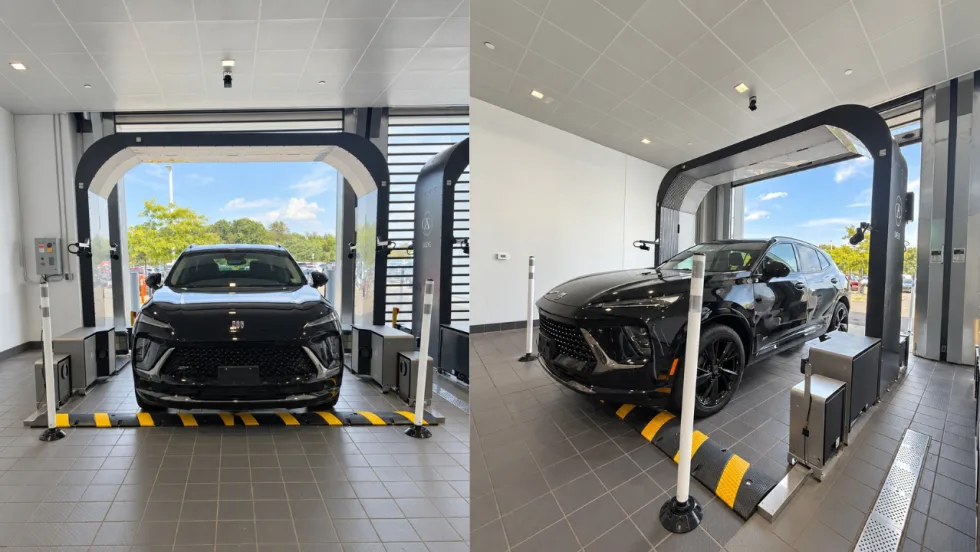
LaFontaine Partners With UVeye to Expand AI Vehicle Inspections in Michigan
LaFontaine is expanding UVeye AI vehicle inspections across Michigan, while UVeye tells Work Truck how the technology can support fleet maintenance and heavy-duty vehicle inspections.
Read More →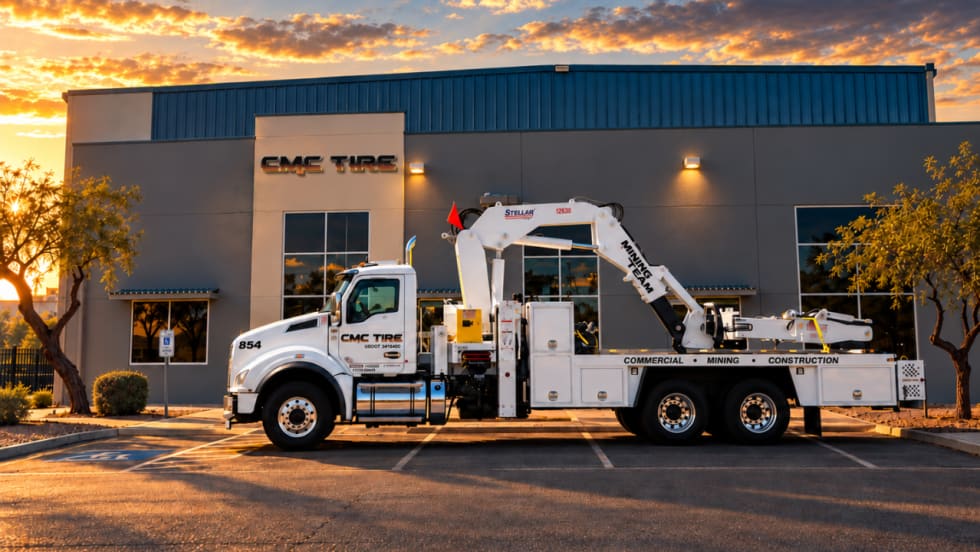
Les Schwab Expands Commercial Tire Footprint Into Arizona
Les Schwab Tires has expanded into Arizona with two commercial tire locations in Phoenix and Tucson, strengthening its fleet service footprint in the Southwest.
Read More →From Our Partners



Volvo Trucks’ 'Lock and Leave' Software Updates Go Live Across North America
Unattended over-the-air software updates are now available in Volvo trucks across the U.S. and Canada. The new capability lets trucks stay current with the latest software without interrupting operations or requiring a dealership visit.
Read More →
Why Technician Appreciation Can’t Be a Once-a-Year Thought
For fleets trying to keep skilled technicians, recognition cannot begin and end with Technician Appreciation Week. Learn what year-round appreciation really looks like and why the everyday technician experience matters just as much as pay when fleets are trying to keep good people.
Read More →
How Faster Driver Reporting Can Keep Small Truck Problems Small
When minor damage, warning lights, or equipment issues are reported late, small problems can quickly become bigger maintenance headaches. Conversational AI can help shorten the path from what a driver notices in the field to the person who can act on it.
Read More →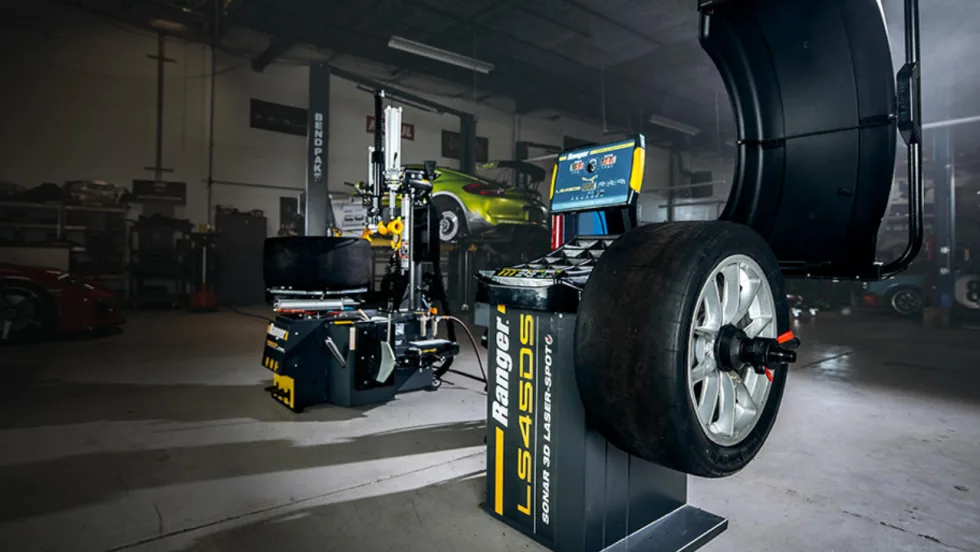
BendPak’s Ranger Wheel Service Equipment Achieves North American Safety Certification
BendPak’s full line of Ranger tire changers and wheel balancers has been ETL certified to UL and CSA standards to improve operator safety.
Read More →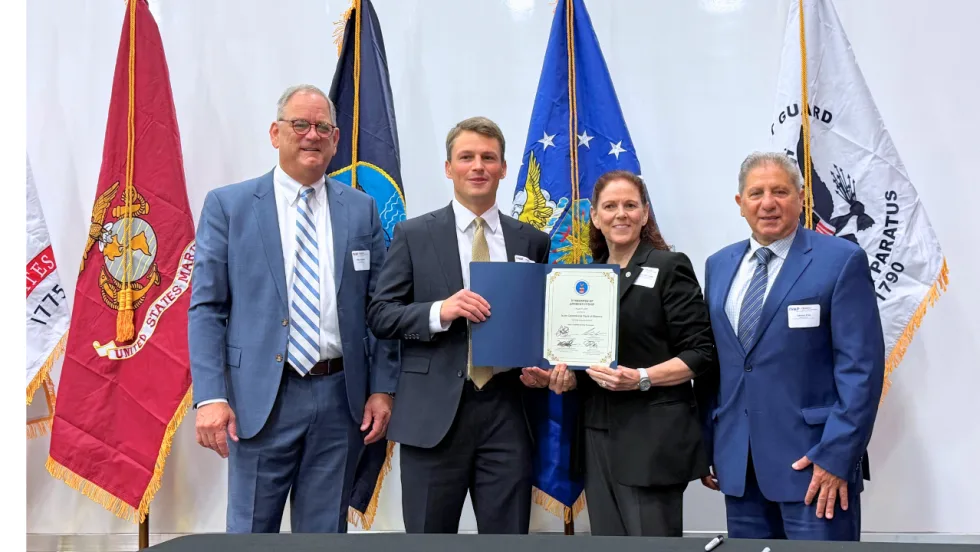
Isuzu & U.S. Department of Labor Celebrate Milestone for Veterans Apprenticeship Program
The Isuzu Veterans Apprenticeship Program (IVAP) signing ceremony highlighted Isuzu’s long-term commitment to veterans, Isuzu dealers, and the skilled workforce supporting its customers and the commercial transportation industry.
Read More →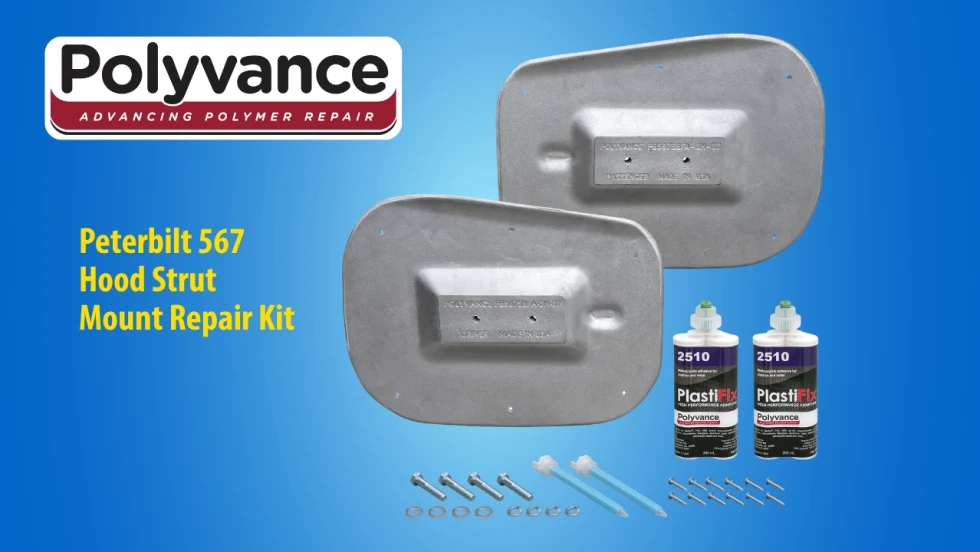
Polyvance Introduces New Peterbilt 567 Hood Strut Mount Repair Kit
Polyvance has launched a repair solution for Peterbilt 567 hood struts, helping truck owners and repair facilities avoid costly hood replacements.
Read More →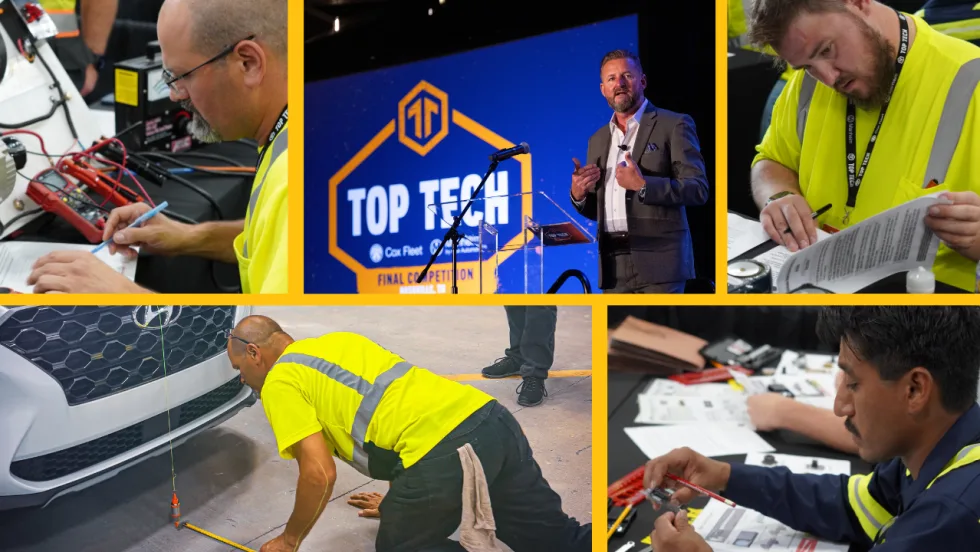
Cox Automotive Celebrates Technical Excellence at 2026 Top Tech Finals
The top technicians from Cox Fleet and Manheim tested their skills in Nashville, Tennessee, at Cox Automotive’s 2026 Top Tech Finals. The overall winners will advance to compete at the American Trucking Association’s TMC SuperTech competition.
Read More →