



Medium-Duty Fleets Look for Alternative Drivetrain 'Holy Grail'
Following early deployments of pure electrics or hybrids, fleets examine new medium-duty hybrid plug-in vehicles for the “right fit.”
Looking for the right alternative-power drivetrain and application can be a frustrating project for fleet managers of medium-duty trucks; however, a presentation on a hybrid and electric technology for trucks offered a peek at the “right” application for a quicker return on investment (ROI).
Odyne Systems, ALTe Technologies, and Navigant Research discussed changes and updates in the area of alternative drivetrains.
Evolution of Alternative Drivetrains
An alternative-power drivetrain involves a variety of power sources in combination with or separate from internal combustion to provide power to a vehicle.
“The good thing about government incentives was that fleet managers tested this technology and discovered that it’s really about the right fit or application for each drivetrain technology,” said Lisa Jerram, senior research analyst at Navigant Research.
Jerram noted that 2008-2012 saw a surge in deployments of hybrid-electric and battery-electric trucks and vans in the U.S.; much of it supported by government funding. “The deployments were medium-duty delivery vans and trucks, service vehicles, utility trucks, and other various applications,” she said. “Some learned that these just weren’t the right fit. Hybrids and electrics still carry a significant price premium and need to be in the right duty cycle and driving conditions to optimize their benefits.”
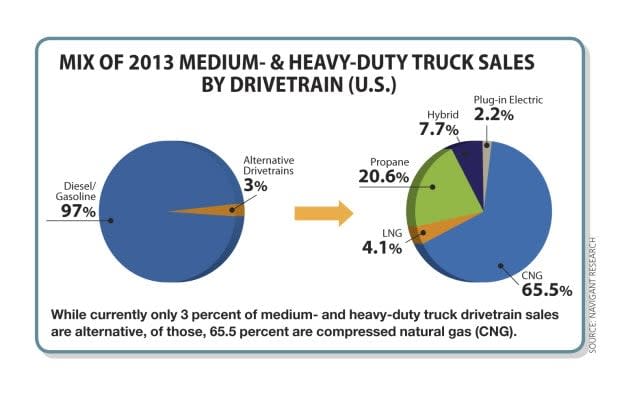
As the alternative powertrain market matures for compressed natural gas (CNG), for example, it’s still early for the pure electric and plug-in hybrids, medium-duty vehicle market.
“Our customers don’t want any science projects. Customers want payback in seven to eight years,” noted Darren Post, president and CEO for ALTe.
According to Jerram, hybrids need to be in heavy usage applications, but not in high speed, long distance applications because they don’t maximize the hybrid system’s efficiency gains. She noted less costly hybrids, such as XL Hybrid’s van line, that are starting to come to market.
“Utility bucket trucks are another promising application area. We are starting to see plug-in hybrids enter this market now. The reason is that the trucks feature an electric power take off (ePTO) to power hydraulics needed while at a work site,” Jerram explained. “This reduces engine idling and is a major fuel saver. The combined fuel savings from the driving and the idle reduction can provide a payback in just a few years. They also offer a benefit of reduced noise onsite, which is good for the workers and for the neighborhood where they are working.”
Hybrids and electrics will continue to face competition from natural gas and propane autogas.
“Hybrids and electrics offer fuel reduction, emissions, and noise benefits, but users have to find the right fit with the right technology option,” she noted.
Finding the Best Fit
Odyne Systems’ Director of Sales Matt Jarmuz noted that Odyne’s plug-in hybrid utility drivetrain combines with Allison Transmission’s 3000 and 4000 Heavy Duty Series transmissions to target work trucks with power take-off capability.
Jarmuz added that utility bucket trucks are a good fit for this technology due to hydraulic power needs while on-site.
According to Odyne, the hybrid battery system via an inverter can provide up to 6kW of pure sine exportable power or greater to power large electrical loads, equipment and tools. With the introduction of this system, the company’s export power system has been tested to 18kW and can be designed for applications up to 36 kW.
The Waukesha, Wis.-headquartered Odyne Systems is a manufacturer of plug-in hybrid powertrains for utility and commercial vehicles and trucks. The company was picked to participate in the $45.4 million U.S. Department of Energy (DOE) program to develop and deploy plug-in hybrid systems. Included in this pilot program are smart charging demonstrations and data collection.
“For the utility space, I feel all bucket truck applications will be powered by an electric drive within five years,” Jarmuz said. “As the incremental cost of the technology is reduced in other industries, this will also have an attractive ROI for delivery and pumper trucks.”
The utility trucks and their battery packs will charge via smart charging later at the end of the work day, during off-peak energy times.
With the U.S. DOE program, Odyne will deliver 120 vehicles with the plug-in hybrid drivetrain, and 22 trucks were delivered in mid-June to PECO, a Philadelphia utility that’s a subsidiary of Chicago-based Exelon Corp. Overall, Odyne Systems has delivered 40 hybrid trucks to end users so far in this pilot project.
According to Paul Rasmussen, director of new business development and external affairs for ALTe, commercial vehicle customers are beginning to adopt powertrain electrification to maximize fuel savings. Located in Auburn Hills, Mich., the five-year-old company is a developer, producer, and installer of purpose-built hybrid-electric powertrain systems for commercial trucks.
Additionally, all 50 U.S. states have implemented idle-reduction strategies to reduce GHG emissions, with many states enforcing rules for private commercial vehicles from 10,000 to 26,000 pounds GVW.
“Battery and hybrid-electric vehicles enable idle reduction, especially when other vehicle operations are required during non-idling periods,” Rasmussen said.
According to ALTe, the company’s drive system features a dedicated electric transmission, designed to provide the most efficiency when mated to the company’s electric motors.
More Green Fleet
Electric Truck and Charging Programs to Boost Sustainability at NY & NJ Ports
Together, the Port Authority of New York and New Jersey and CALSTART will electrify drayage and terminal operations serving the East Coast’s busiest container port. A pair of incentive programs totaling $45 million has launched to accelerate adoption of zero-emission drayage trucks and terminal tractors.
Read More →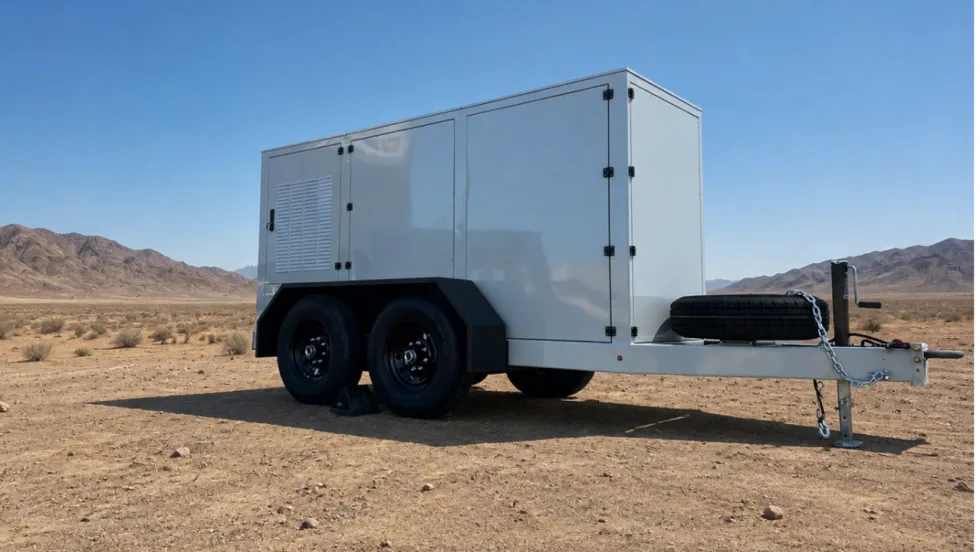
Xos Hub Surpasses One Gigawatt-Hour of Energy Delivered in the Field
A single Xos Hub has surpassed one gigawatt-hour of energy across more than 33,600 charging sessions in the field, demonstrating performance that supports Xos' expansion across new products and markets.
Read More →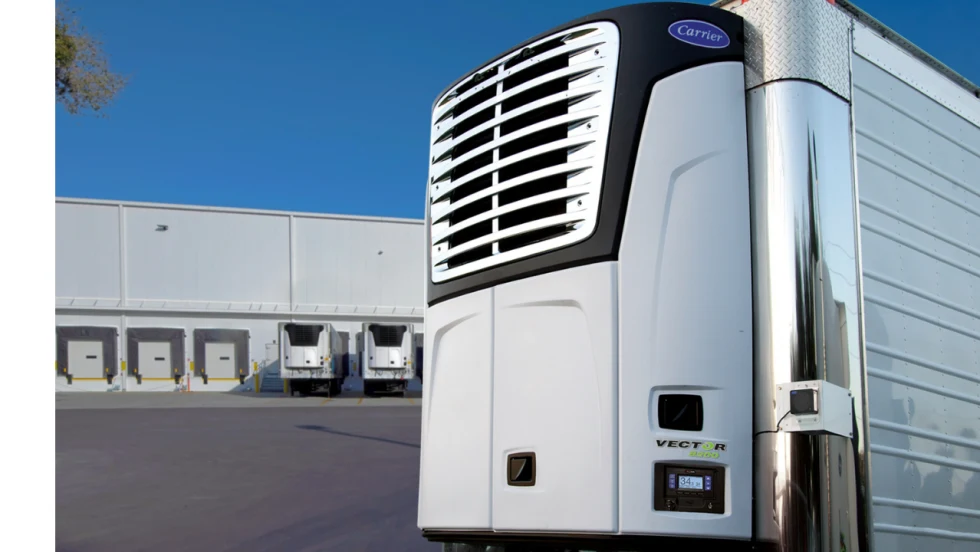
Carrier Transicold Launches All-Electric Vector 8200 TRU for Diesel-Free On-Site Cold Storage
Carrier Transicold’s first engineless multi-temperature TRU helps fresh- and frozen-food fleets add supplemental cold storage capacity during seasonal peaks.
Read More →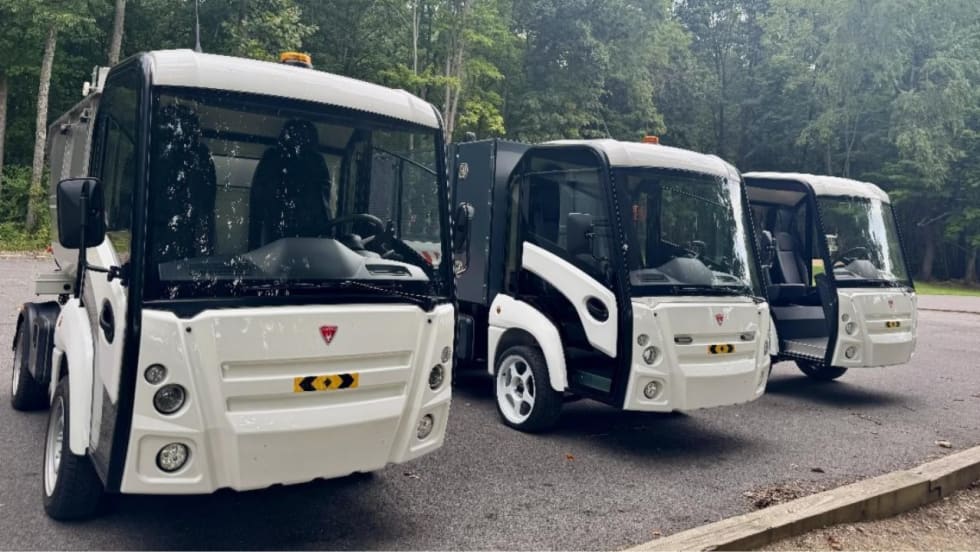
Narro Trucks Introduces Electric Utility Vehicle
Narro Trucks officially launched its operations on Aug. 20 and hosted a ride and drive to showcase its electric truck, which will be produced in Virginia.
Read More →
Samsung SDI Takes Full Control of GM Battery JV as Indiana Plant Pivots to Energy Storage
Samsung SDI is taking full control of its Indiana battery plant with GM, marking a major shift from the EV-focused joint venture Charged Fleet first covered in 2023.
Read More →
NWSA Taps CALSTART to Administer Zero-Emission Drayage Assistance Program
CALSTART will provide free technical assistance services to drayage fleets serving the Ports of Seattle and Tacoma and looking to transition to cleaner technologies and help decarbonize freight hubs.
Read More →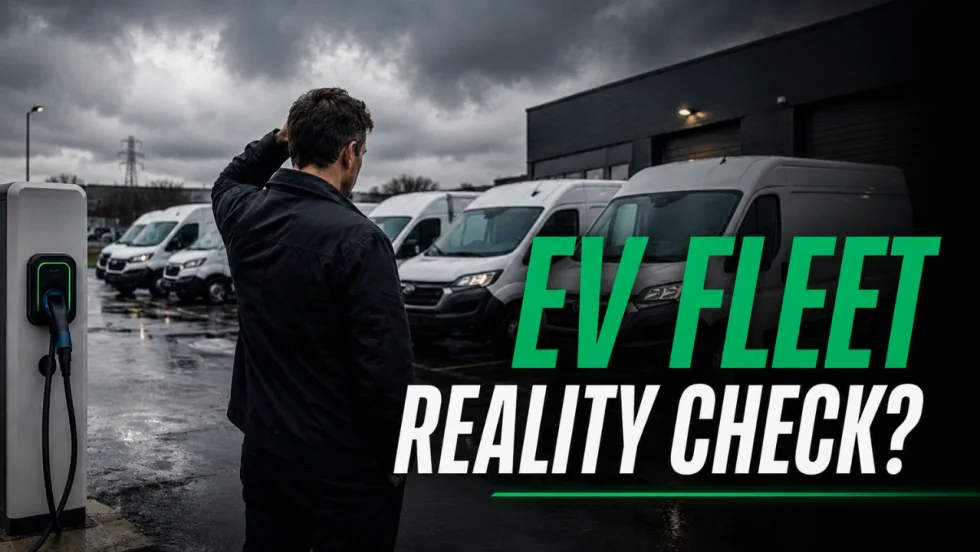
EV Fleet Reality Check: What Operators Wish They Knew Before Electrifying Their Work Vans
Electric work truck upfits bring new compatibility questions. Learn how parts availability, OEM guidance, power demands, and route planning can affect fleet performance.
Read More →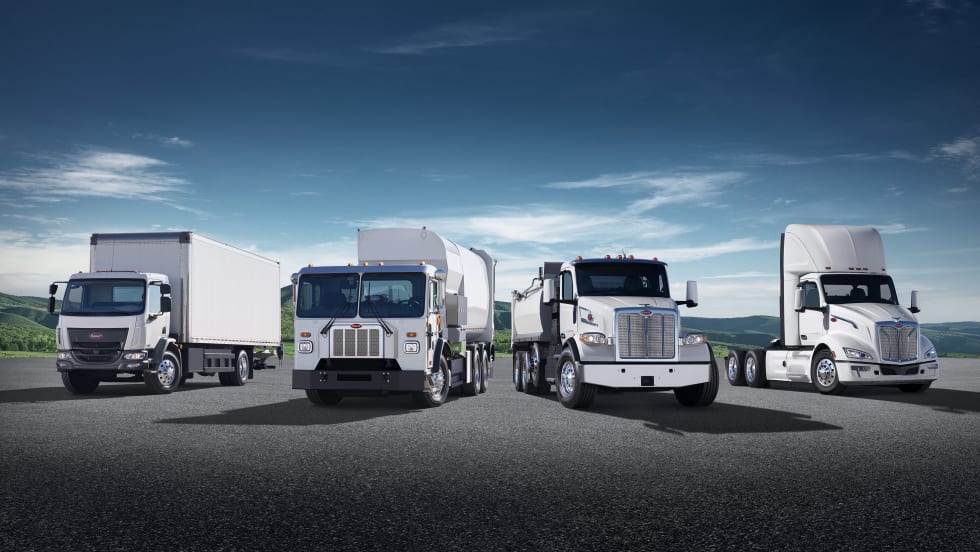
Peterbilt Expands Sourcewell Partnership with Electric Vehicle Lineup
Peterbilt Motors Company’s cooperative purchasing agreement with Sourcewell and its Canadian partner, Canoe Procurement Group, now includes including Peterbilt's battery-electric vehicle lineup.
Read More →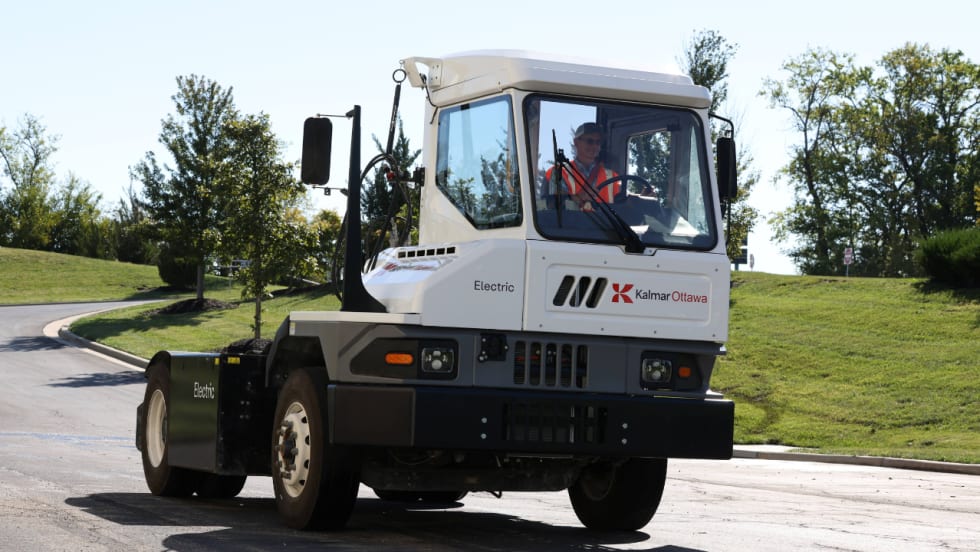
WTC Group Expands Sustainable Operations with Kalmar Ottawa T2 EV Fleet
Commercial adoption of the Kalmar Ottawa T2 EV terminal tractor continues to grow as customers add the zero-emission yard tractor to their fleets. WTC Group has placed an order for a Kalmar Ottawa T2 EV.
Read More →
Where Propane Autogas Fits in Today's Fleet Fuel Strategy
Learn more from PERC's Joel Stutheit, as he explains why propane autogas remains a practical alternative for fleets seeking to reduce emissions without sacrificing operational flexibility.
Read More →