




ATA Truck Tonnage Index Fell 3.8% in October
ARLINGTON, VA – The American Trucking Associations' advanced seasonally adjusted (SA) For-Hire Truck Tonnage Index decreased 3.8 percent in October after falling 0.4 percent in September.
ARLINGTON, VA – The American Trucking Associations' (ATA) advanced seasonally adjusted (SA) For-Hire Truck Tonnage Index decreased 3.8 percent in October after falling 0.4 percent in September. (The 0.4 percent decrease in September was revised from a 0.1 percent gain ATA reported on October 23, 2012.) October's drop was the third consecutive totaling 4.7 percent. As a result, the SA index equaled 113.7 (2000=100) in October, the lowest level since May 2011. Compared with October 2011, the SA index was off 2.1 percent, the first year-over-year decrease since November 2009. Year-to-date, compared with the same period last year, tonnage was up 2.9 percent.
The not seasonally adjusted index, which represents the change in tonnage actually hauled by the fleets before any seasonal adjustment, equaled 123.7 in October, which was 7.7 percent above the previous month.
"Clearly Hurricane Sandy negatively impacted October's tonnage reading," ATA Chief Economist Bob Costello said. "However, it is impossible for us to determine the exact impact."
Costello noted that a large drop in fuel shipments into the affected area likely put downward pressure on October's tonnage level since fuel is heavy freight, in addition to reductions in other freight.
"I'd expect some positive impact on truck tonnage as the rebuilding starts in the areas impacted by Sandy, although that boost may only be modest in November and December," he said. "Excluding the Hurricane impacts, I still think truck tonnage is decelerating along with factory output and consumer spending on tangible-goods."
According to the ATA, trucking serves as a barometer of the U.S. economy, representing 67 percent of tonnage carried by all modes of domestic freight transportation, including manufactured and retail goods. Trucks hauled 9.2 billion tons of freight in 2011. Motor carriers collected $603.9 billion, or 80.9 percent of total revenue earned by all transport modes.
ATA calculates the tonnage index based on surveys from its membership and has been doing so since the 1970s. This is a preliminary figure and subject to change in the final report issued around the 10th day of the month. The report includes month-to-month and year-over-year results, relevant economic comparisons, and key financial indicators.
More Operations

Shades of Fleet Call for Voices: Fleet's Hidden Heroes
Fleet’s hidden heroes are often the ones keeping everything moving behind the scenes. September’s *Shades of Fleet* is looking for dispatchers, coordinators, parts specialists, and other support pros to share their stories.
Read More →
What is the WEX NAM Summit?
What makes the WEX NAM Summit different from other fleet industry events? It's a meeting of the minds that brings fleet and mobility leaders together to discuss emerging trends, AI, new solutions, best practices, and the future of the industry.
Read More →
With 293% 3-Year Revenue Growth, Fleetworthy is One of the Fastest-Growing Private Companies in the U.S.
Fleetworthy has been named to 2026 Inc. 5000 list of fastest-growing private companies for the second consecutive year. It ranked No. 2 overall in the Albany-Schenectady-Troy, New York metro area.
Read More →

EV Fleet Reality, Ford Fathom, Robots, and Smarter Fleet Tech Lead the News
EV fleet lessons, Ford’s new Fathom electric truck, robots, manufacturing shifts, and smarter fleet technology headline this week’s Truck Chat Cheat Sheet.
Read More →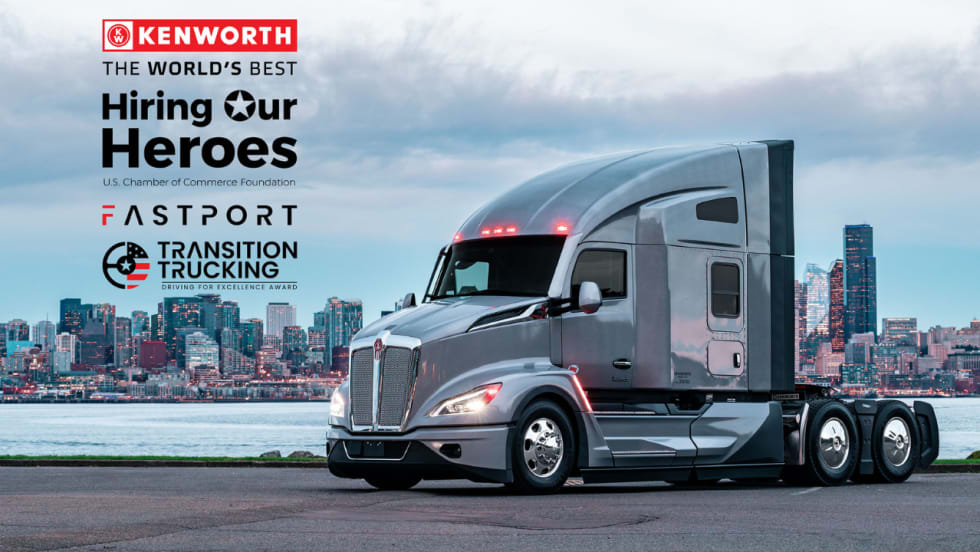
Elite 11 Semi-Finalists Announced for the 2026 Transition Trucking: Driving for Excellence Award
The 11 semi-finalists for the 2026 Transition Trucking: Driving for Excellence award have been announced. The award honors the achievements of military veterans who have transitioned into careers in the professional trucking industry.
Read More →
Are You Saying These Work Truck Company Names Correctly?
Think you know how to pronounce the biggest names in work trucks? We asked the companies themselves to settle it once and for all.
Read More →
Why Reactive Fleet Management Is Becoming Too Expensive to Sustain
Research highlights a growing need for proactive management strategies to address rising costs in fleet operations effectively.
Read More →
Is Your Fleet Structure Built to Scale?
As fleets grow across regions, structural inconsistencies can increase costs, limit visibility, and create operational risk. This guide helps fleet and business leaders evaluate whether their current operating model can support growth without sacrificing control or performance.
Read More →
Fleet Management Guide for Growing Field Service Fleets
As HVAC, plumbing and contractor businesses grow, fleet complexity can begin to affect technician productivity, customer response times, operating costs, and revenue. This guide helps field service leaders build a more structured approach to managing vehicles, drivers, maintenance, safety, and lifecycle decisions.
Read More →
Fleet Forward Conference Registration Opens With Plenty on Tap for Work Truck Fleets
From commercial vehicle safety and AI to benchmarking, crash costs, OEM relationships, and autonomy, this year’s Fleet Forward Conference agenda has plenty aimed at the issues work truck fleets are dealing with now and preparing for next.
Read More →