




U.S. House Approves Diesel Emissions Reduction Act (DERA)
WASHINGTON - The Diesel Emissions Reduction Act (DERA) now just needs President Obama's signature for the bipartisan legislation to be reauthorized for five more years as the U.S. House of Representatives approved DERA this morning by a voice vote.
WASHINGTON - The Diesel Emissions Reduction Act (DERA) now just needs President Obama's signature for the bipartisan legislation to be reauthorized for five more years as the U.S. House of Representatives approved DERA this morning by a voice vote, according to the Diesel Technology Forum.
The U.S. Senate had unanimously approved the legislation on December 16th. President Obama is expected to sign the reauthorization into law.
"Today's passage of DERA is a significant environmental and political accomplishment for the U.S. Congress. The House and Senate have proved that bipartisanship can be attained on major environmental initiatives," said Allen Schaeffer, the Executive Director of the Diesel Technology Forum (DTF).
"Passage of the DERA reauthorization will play a major role in our nation's effort to expand our clean air initiatives. In its first five years, DERA has proven to be one of the nation's most successful clean air programs. In addition, DERA has provided an average of $20 worth of environmental and health benefits for every $1 spent. That's a tremendous return on investment for any federal program.
"The bipartisan action by the House and Senate will benefit communities in every state in the nation."
DERA (H.R. 5809) is a five-year reauthorization of the highly-successful program created in 2005 to establish voluntary national and state-level grant and loan programs to reduce diesel emissions by upgrading and modernizing older diesel engines and equipment. The bipartisan legislation was introduced on November 18th by U.S. Senators George Voinovich (R-OH) and Tom Carper (D-DE) and cosponsored by several of their colleagues including Environment and Public Works Committee Chair Barbara Boxer (D-CA) and Ranking Member James Inhofe (R-OK). The House sponsors were U.S. Reps. Doris Matsui (D-CA) and Laura Richardson (D-CA).
DERA is being supported by a unique and diverse coalition of more than 500 environmental, health, industry, labor and government organizations.
DERA Background Information
DERA funds are used to clean up the nation's older diesels, by retrofitting or replacing them with new technologies that significantly reduce the soot and emissions. EPA estimates there to be an estimated 11 million older diesel trucks, buses, and equipment in use today.
Since 2005, the federal government has invested roughly a half-billion dollars through DERA to improve America's air quality by upgrading and modernizing older diesel engines and equipment through engine replacements and retrofits that would include new pollution-cutting filters and catalysts.
When all of today's older diesels have been replaced by new models that meet current EPA standards, at least 110,000 tons of particulate matter (or soot) and 2.6 million tons of smog-forming nitrogen oxides will be eliminated from the nation's air. This is the equivalent of taking 13 million of today's trucks off the roads.
More Operations
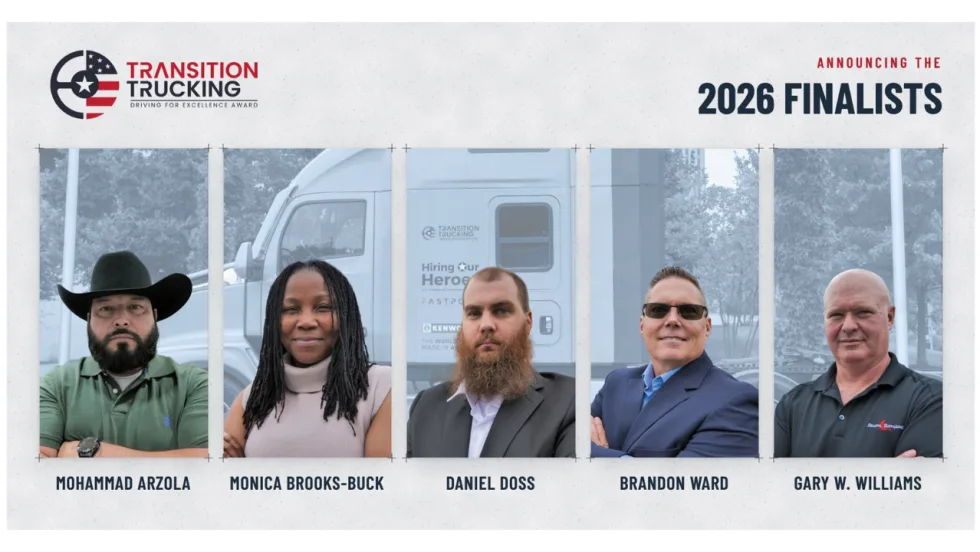
Finalists Announced for 2026 Transition Trucking: Driving for Excellence Award
Kenworth Truck Company, Fastport, and the U.S. Chamber of Commerce Foundation's Hiring Our Heroes program have announced the five finalists for the 2026 Transition Trucking: Driving for Excellence Award.
Read More →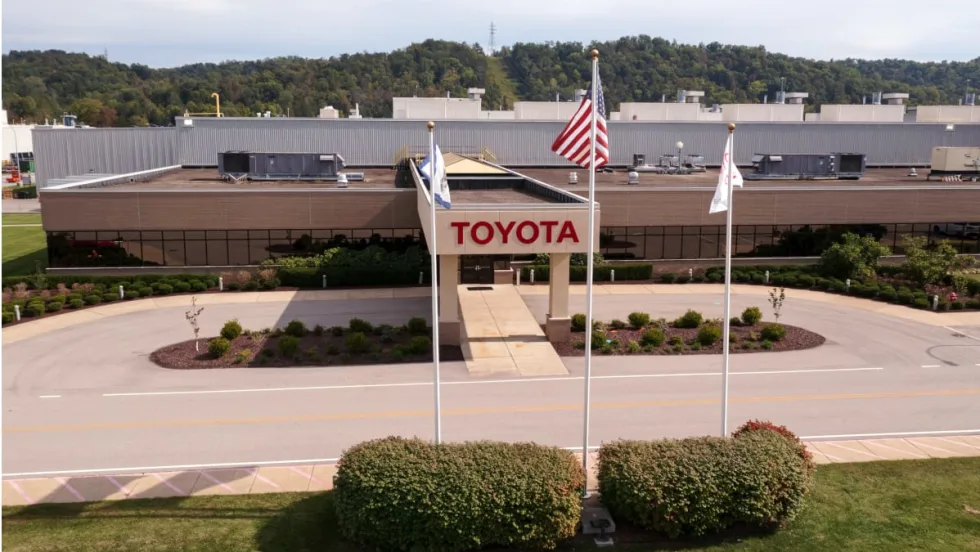
Toyota West Virginia Celebrates Three Decades of Manufacturing in the Mountain State
Toyota West Virginia celebrated 30 years of manufacturing. Toyota assembles both engines and drivetrain components in West Virginia to support its North American operations.
Read More →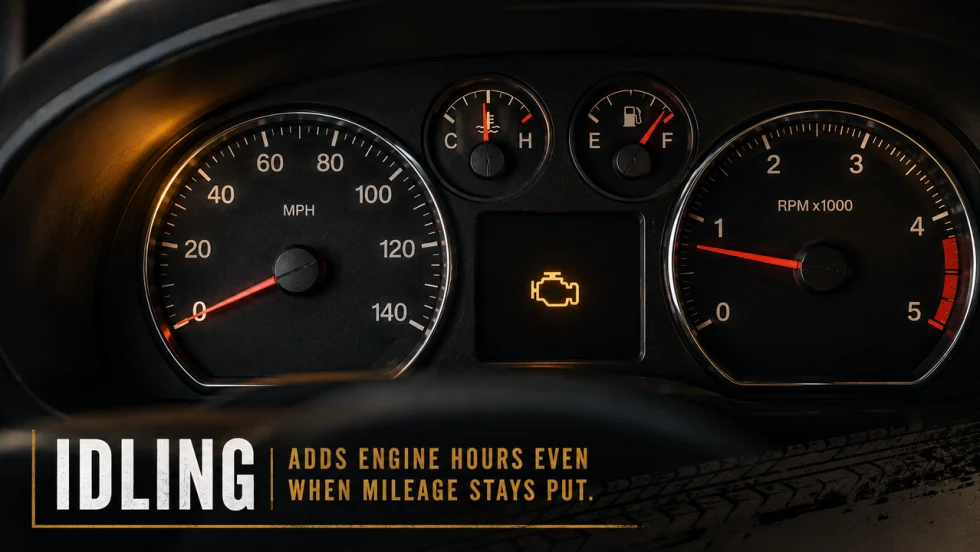
The Hidden Cost of Idling
A low-mileage truck can still be one of the fleet’s hardest-working and most worn assets. Engine hours, idle time, and duty cycle reveal what the odometer misses.
Read More →From Our Partners
Basic Tracking vs Next Generation Fleet Technology
Sponsored by AT&T Business
5 Facts Every Fleet Manager Should Know About Embedded Telematics
Sponsored by Stellantis/Mobilisights
How AI Video Telematics Boosts Driver Safety and Helps to Avoid Unnecessary Costs
Sponsored by Verizon Connect

Charting the 8 Bottom-Line Benefits of Workforce Optimization
Sponsored by Verizon Connect

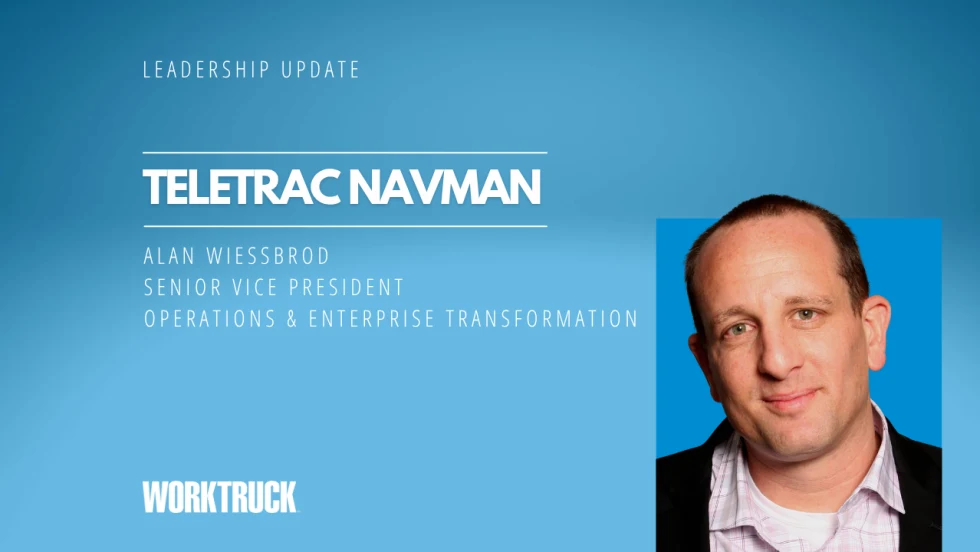
Teletrac Navman Hires SVP of Operations & Enterprise Transformation
Teletrac Navman has appointed Alan Wiessbrod to its senior leadership team as senior vice president, operations and enterprise transformation. The company said he has a strong track record of delivering profitable growth and operational excellence.
Read More →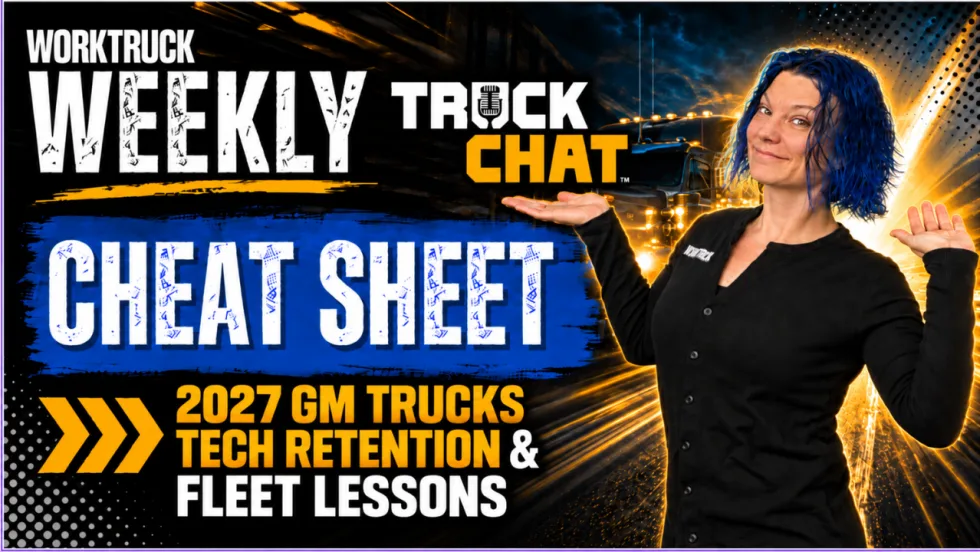
2027 GM Trucks, Technician Retention, and Fleet Lessons Lead This Week’s News
New GM pickups, technician retention, fleet leadership lessons, winter equipment, and more headline this week’s Truck Chat Weekly Cheat Sheet.
Read More →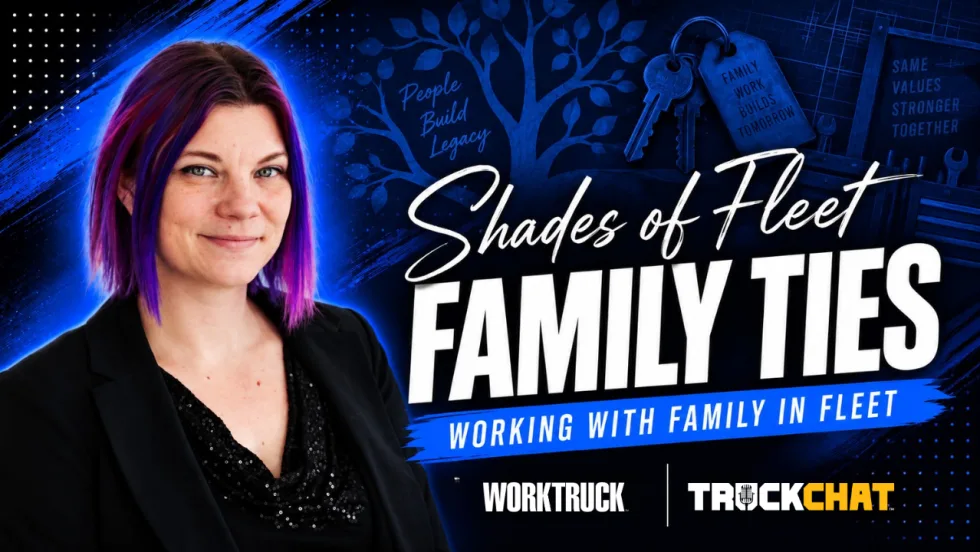
Family Ties Inside the Fleet Families Building Careers Across Generations
Three fleet families share what it really takes to work together, learn across generations, and keep business from following them home.
Read More →
Shades of Fleet Call for Voices: Fleet's Hidden Heroes
Fleet’s hidden heroes are often the ones keeping everything moving behind the scenes. September’s Shades of Fleet is looking for dispatchers, coordinators, parts specialists, and other support pros to share their stories.
Read More →
Truck Centers, Inc. Celebrates National Truck Driver Appreciation Week with $1,000 Fuel Card Giveaways
During National Truck Driver Appreciation Week, Truck Centers, Inc. is offering customers a chance to fuel up for free. Customers at all Truck Centers locations can enter to win one of four $1,000 fuel cards from Sept. 14 - 18.
Read More →
Fleet Guides, AI Time-Savers, Truck Tariffs & Fuel Strategy Lead the News
This week’s Truck Chat Cheat Sheet covers new fleet vehicle guides, practical AI use cases, U.S.-Canada truck production, mixed-energy strategy, and more.
Read More →
What Fleet Employers Are Missing When Hiring Veterans
What if some of the strongest candidates for fleet are already out there, but their experience is written in a language our industry does not always recognize?
Read More →