




Ford E-Series Vans Cut Fuel Costs, C02 Emissions In Unique Way - Van Pooling Commuters
DEARBORN, MI - Thousands of Ford E-Series vans are achieving 150 passenger-miles per gallon each day as commuter vehicles for VPSI, a leader in developing and maintaining world-class van pool programs.
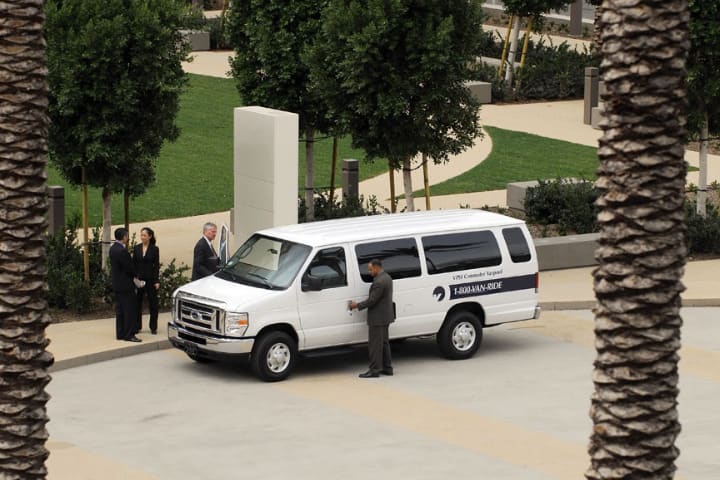
VPSI E-Series Van Pool Vehicle
DEARBORN, MI - Thousands of Ford E-Series vans are achieving 150 passenger-miles per gallon each day as commuter vehicles for VPSI, a leader in developing and maintaining world-class van pool programs.
A combination of Ford E-150, E-250 and E-350 models represent about 70 percent of VPSI's 5,000-vehicle fleet and transport more than 40,000 people in the United States to and from work each day.
"We believe we have the most ecological Ford vehicles on the road," said Steve Pederson, vice president, Fleet and Risk Management, VPSI, who calculated the 150 passenger miles-per gallon figure by multiplying the 15 mpg achieved by Ford E-Series vans by 10 passengers. Some VPSI Ford commuter vanpools seat as many as fifteen passengers, which would result in even more impressive results.
VPSI's use of Ford E-Series vanpools takes 14 million commuter vehicles off the nation's roadways each year, saving more than $73 million in fuel and reducing CO2 emissions by 259,000 tons.
VPSI defines a vanpool as a group of 7 to 15 people that commutes to and from work on a regular basis. VPSI provides the vehicle, a comprehensive maintenance and repair program, insurance and back-up vans. The group of commuters shares the monthly operating expense.
Pederson says the company's decision to populate the majority of its fleet with Ford vehicles was a practical one.
"Ford made it easy for us," he said. "We have a great relationship with Ford Fleet, and we had an opportunity to work directly with Ford engineers who helped us get the base vehicles manufactured to our specifications directly from the factory, which helped minimize waste."

VPSI modified the Ford E-Series vans to include center aisle seating for easy boarding, reclining luxury seating, and individual overhead reading lights.
"The vans are very comfortable, and they make commuting time more productive because passengers can read, catch up on their work or even sleep while riding to work instead of coping with the daily grind of traffic congestion," said Pederson.
Vanpooling also helps passengers reduce wear and tear on their personal vehicles and enables them to save money. The average vanpool commuter can save $5,000 per year, compared with the cost of driving to work alone, according to Michael Norvell, vice president, Business Development, VPSI.
"This is one of those rare situations where everybody benefits," he said. "The commuters save money and enjoy a comfortable ride to work. Employers conserve on-site parking at the workplace. And we all benefit from an environmental perspective by having fewer vehicles on the road. It's a win-win-win proposition."
Ford E-Series has been America's top-selling full-size van for 31 years running. In May, sales were up 34 percent versus a year ago.
More Operations

What Does a Potato Have to Do with Leadership?
From simple process improvements and creative problem-solving to the little moments that strengthen team culture, this conversation dives into the power of unexpected ideas and why innovation doesn't always arrive wrapped in new technology or a major initiative.
Read More →
Looking for a New Podcast for the Road? Start Here!
Looking for a new podcast? Truck Chat delivers fleet leadership insights, industry deep dives, AI discussions, innovations, and real-world stories.
Read More →
Did You Know What You Don't See May Be Costing You Big?
As more employees choose personal vehicles (including hybrids and EVs) for business use, companies face new challenges around visibility, insurance, liability, and cost control.
Read More →

Veteran Voices in Fleet | How Military Service Shapes Fleet Leaders
Across every perspective, one message is clear: the experiences gained through military service continue to influence how veterans contribute to the fleet industry every day.
Read More →
The Fleet Lessons That Don’t Show Up on a Spreadsheet
From index cards to predictive maintenance, Robert Martinez shares the hard-earned leadership lessons that shaped nearly 40 years in fleet.
Read More →
People, Leadership & the Skilled Trades Opportunity | Weekly Cheat Sheet
People, data, leadership, and the skilled trades opportunity. See what's shaping fleets today in this week's Truck Chat Weekly Cheat Sheet.
Read More →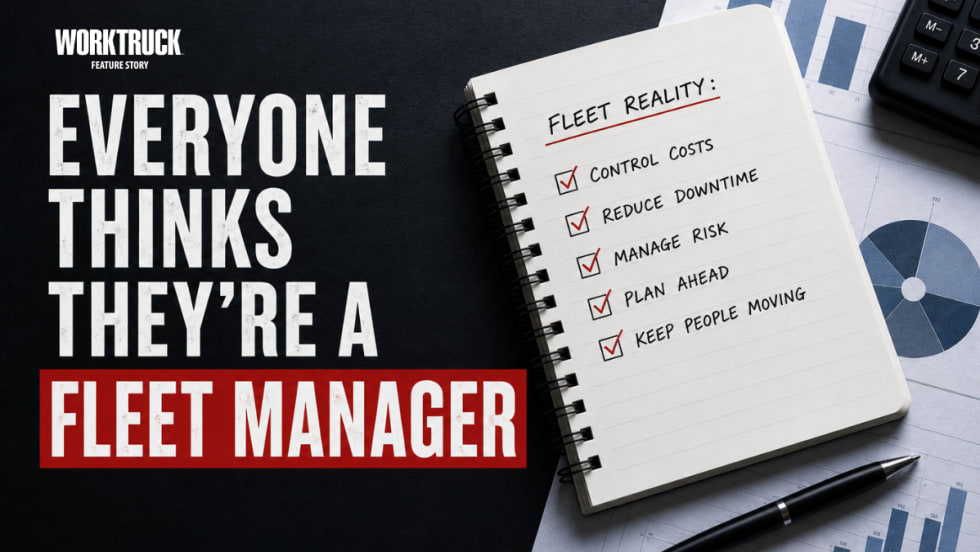
Everyone Thinks They’re a Fleet Manager
From oil changes to procurement decisions, fleet work is often underestimated by the very people who depend on it most. Bob Stanton makes the case for why communication, not just technical expertise, is one of the most important leadership skills in fleet.
Read More →
Turning Connected Vehicle Data Into Decisions That Matter
Fleet leaders have more data than ever, but turning that data into clear, actionable decisions remains a challenge. This white paper shows how leading organizations are using connected vehicle data to improve safety, reduce costs, and optimize fleet performance. Learn how to turn insight into action across your fleet.
Read More →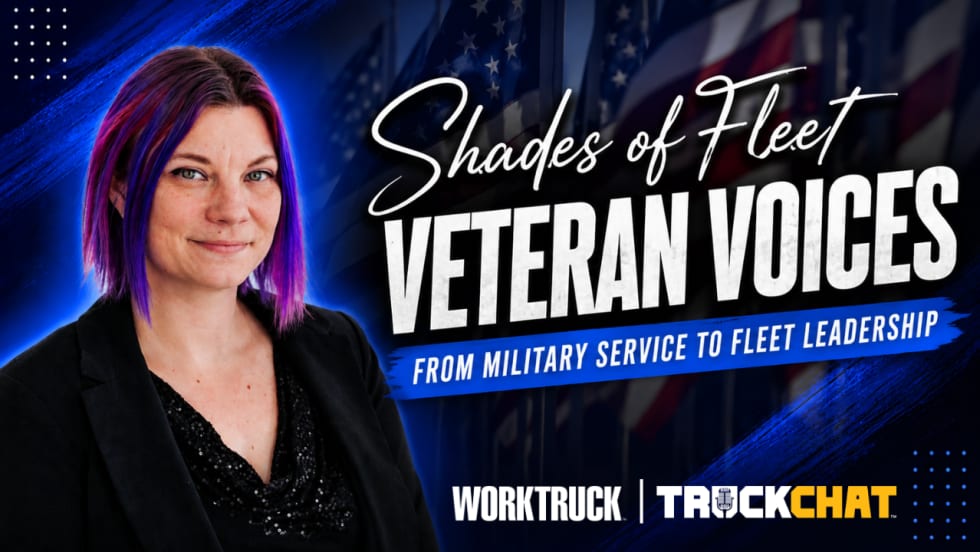
From Military Service to Fleet Leadership | Shades of Fleet
Military service ends, but the lessons don't. Hear how veterans are shaping fleet leadership through adaptability, teamwork, and mission-driven thinking.
Read More →
Are You Tracking Your Fleet's True Total Cost of Ownership?
Bobit Business Media surveyed 190 fleet professionals and found that while most fleets are tracking costs, fragmented systems and data gaps are keeping true TCO visibility out of reach. With rising pressure to control spend in an increasingly volatile environment, the gap between what fleets think they know and what the data actually shows is wider than you might expect. See how your peers are managing costs today and where the industry still has room to improve.
Read More →