




Isuzu Truck Introduces 2011 N-Series Featuring NPR ECO-MAX Truck with Increased Fuel Economy & Payload Capacity
CERRITOS, CA - Isuzu Commercial Truck of America, (ICTA) Inc., introduced its new 12,000-lb. GVWR NPR ECO-MAX low cab forward truck, offering up to 20-percent improved fuel economy and increased payload capacity.
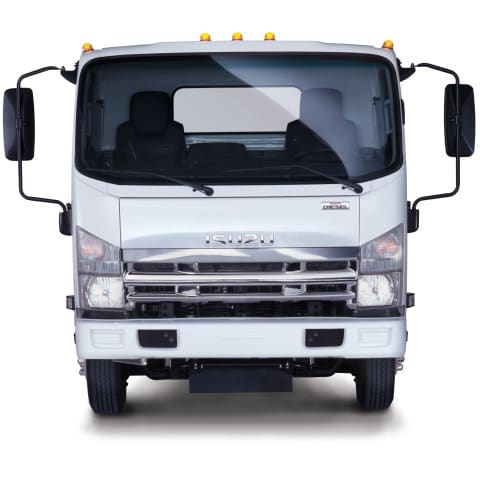
Isuzu 2011 Eco-Max
CERRITOS, CA - Isuzu Commercial Truck of America, (ICTA) Inc., introduced its new 12,000-lb. GVWR NPR ECO-MAX low cab forward truck, offering up to 20-percent improved fuel economy and increased payload capacity, compared to previous NPR models.
The new, 2011 model-year truck is powered by Isuzu's next-generation 4JJ1-TC diesel engine, which has operated globally in Isuzu's N-Series models for the past five years. The 4J engine family dates back to 1984 and is the highest volume engine produced by Isuzu, according to a company release. This is the first time the engine will be utilized in the U.S. market.
The turbocharged, 4-cylinder, 3.0L engine delivers 150 horsepower and 282 lb.-ft. torque. The 4J engine is 2010 EPA and CARB OBD compliant. It offers a B-10 engine life rating of 310,000 miles, which means 90 percent of the engines should reach this mileage before needing an overhaul. The engine is mated to an Aisin heavy-duty, six-speed automatic transmission with double overdrive and lockup PTO function.

"The NPR ECO-MAX is the result of Isuzu's commitment to help our environment by significantly reducing emissions and fuel usage," said Shaun Skinner, Executive Vice President and General Manager of Isuzu Commercial Truck of America, Inc. "This truck is a product of our SEE design philosophy, which stands for Safety, Economy and Environment. This model has been specifically created to reduce the cost of ownership while meeting the world's most stringent emissions requirements. We accomplished this without sacrificing performance, durability, or operating costs. Due to its broad torque curve, power density and 6-speed transmission, the NPR ECO-MAX has shown better hill climbing ability than the model it replaces. It's also up to 170 lbs. lighter, so it offers increased payload capacity. We expect this unit to deliver enhanced productivity, minimum downtime and the lowest operating cost in the Class 3 truck segment."
The cab of the NPR ECO-MAX is the same size as the previous NPR and offers 3-across seating. The cab tilts for easier servicing of the engine and transmission. Wheelbase choices of 110 inches, 134 inches, and 151 inches accommodate bodies up to 16 feet in length.
In addition to the NPR ECO-MAX, Isuzu is also pleased to introduce the 2011 model-year NPR-HD (14,500 lbs GVWR), NQR (17,950 lbs GVWR) and NRR (19,500-lbs. GVWR) models. These higher GVWR N-Series models will be powered by a heavily revised version of the 5.2L 4HK1-TC engine first introduced in the 2005 model-year. For 2011, the 4HK features increased power output (from 205 to 210 hp with an automatic transmission, and from 175 to 190hp with manual transmission) and up to 8-percent better fuel economy. Like the 4JJ1-TC engine powering the new NPR ECO-MAX, this revised 4HK1 engine is both EPA 2010 and CARB HD-OBD emissions compliant.

"Isuzu's 2011 N-Series will be the only low cab forward trucks available for sale this year that meet the EPA's 2010 emissions requirement with not only one engine but two engines," Skinner added. "Isuzu is proud to introduce a product that meets the world's most stringent emissions standards while reducing our customer's cost of ownership through significantly improved vehicle fuel economy".
To help reduce operating costs further, Isuzu's exclusive Data Recording Module can provide a Vehicle Health Report showing the condition of the engine, transmission, emission system and brakes, plus fuel economy and driver operating habits. A new Multi-Information Display on the dashboard shows the driver real-time engine and truck operational performance data at a glance.
Isuzu's 2011 model N-Series product line uses selective catalytic reduction (SCR) to achieve the 2010 EPA emission standards. SCR is an after-treatment technology that involves injecting Diesel Exhaust Fluid (DEF) (a water-based solution containing urea) into the hot exhaust stream of an engine. This Diesel Exhaust Fluid (DEF), working with a catalyst in the exhaust after-treatment system, breaks down harmful oxides of nitrogen (NOx) into harmless nitrogen and water vapor.
Isuzu's N-Series trucks feature large panoramic windows that provide exceptional visibility for driver safety. The low cab forward design affords unsurpassed maneuverability. For the 2011 model year, wheel cut angles have been increased to 50 degrees, to provide a curb-to-curb turning circle diameter as little as 31.5 feet.
To extend durability, the cab has rust and corrosion protection provided by galvanized steel panels, electro-deposit paint primer and enamel paint topcoat. Unitary construction and strong reinforcements add to cab durability and safety.
Isuzu opened 2011 model-year N-Series ordering March 1. Isuzu's N-diesel models are available from the factory in a variety of exterior cab colors: Arc White (standard), Wheatland Yellow, Woodland Green, Cardinal Red, Dark Blue and Ebony Black II.
Isuzu low cab forward trucks are distributed through 260 Isuzu truck dealers nationwide. Isuzu trucks have been the best-selling low cab forward brand in the U.S. every year since 1986.
For more information or to request a quote from a local dealer, visit www.isuzucv.com or call 866-441-9638.
More Operations
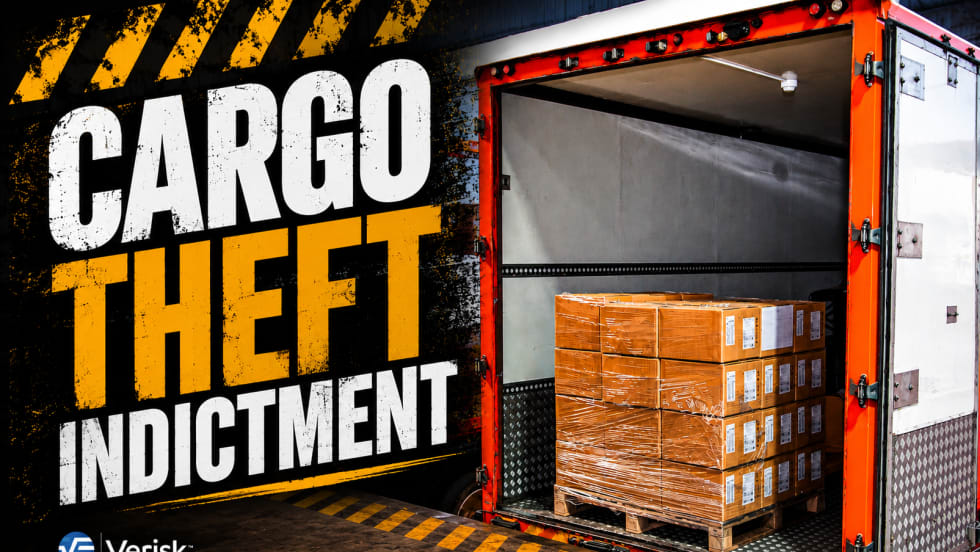
Verisk CargoNet Assists in Manhattan Cargo Theft Indictment Targeting Multi-State Impersonation Ring
Verisk CargoNet assisted law enforcement efforts tied to an indictment related to an organized, multi-state cargo theft operation that allegedly took nearly $5 million in stolen goods through impersonation tactics.
Read More →
What Does a Potato Have to Do with Leadership?
From simple process improvements and creative problem-solving to the little moments that strengthen team culture, this conversation dives into the power of unexpected ideas and why innovation doesn't always arrive wrapped in new technology or a major initiative.
Read More →
Looking for a New Podcast for the Road? Start Here!
Looking for a new podcast? Truck Chat delivers fleet leadership insights, industry deep dives, AI discussions, innovations, and real-world stories.
Read More →
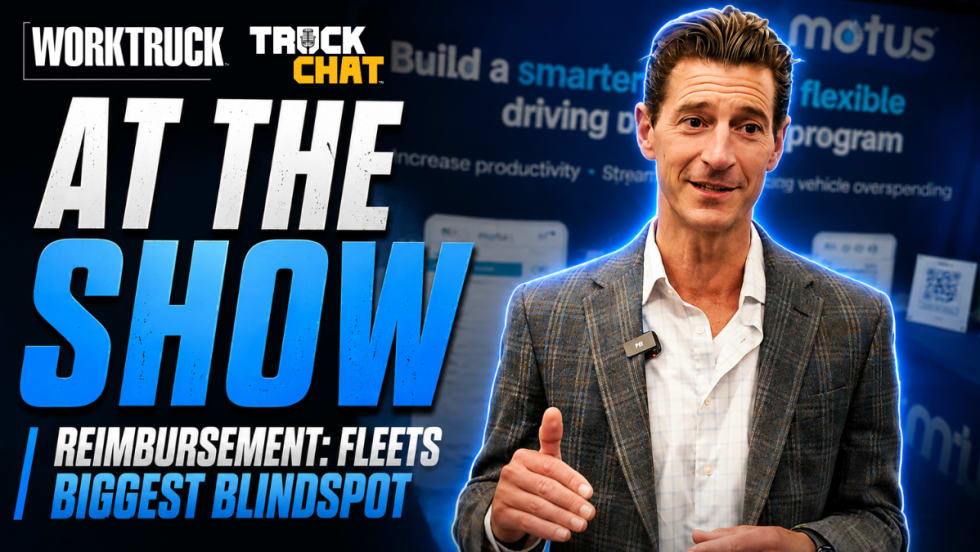
Did You Know What You Don't See May Be Costing You Big?
As more employees choose personal vehicles (including hybrids and EVs) for business use, companies face new challenges around visibility, insurance, liability, and cost control.
Read More →
Veteran Voices in Fleet | How Military Service Shapes Fleet Leaders
Across every perspective, one message is clear: the experiences gained through military service continue to influence how veterans contribute to the fleet industry every day.
Read More →
The Fleet Lessons That Don’t Show Up on a Spreadsheet
From index cards to predictive maintenance, Robert Martinez shares the hard-earned leadership lessons that shaped nearly 40 years in fleet.
Read More →
People, Leadership & the Skilled Trades Opportunity | Weekly Cheat Sheet
People, data, leadership, and the skilled trades opportunity. See what's shaping fleets today in this week's Truck Chat Weekly Cheat Sheet.
Read More →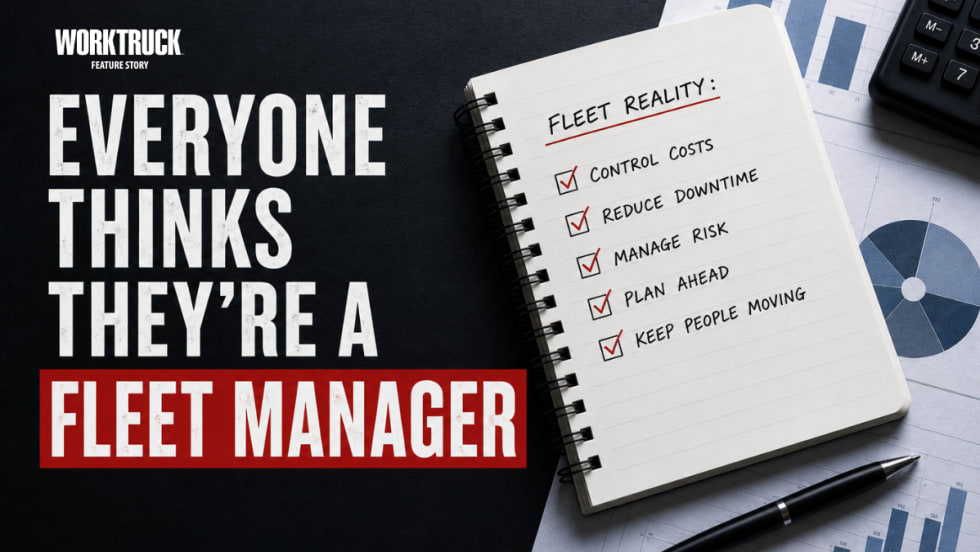
Everyone Thinks They’re a Fleet Manager
From oil changes to procurement decisions, fleet work is often underestimated by the very people who depend on it most. Bob Stanton makes the case for why communication, not just technical expertise, is one of the most important leadership skills in fleet.
Read More →
Turning Connected Vehicle Data Into Decisions That Matter
Fleet leaders have more data than ever, but turning that data into clear, actionable decisions remains a challenge. This white paper shows how leading organizations are using connected vehicle data to improve safety, reduce costs, and optimize fleet performance. Learn how to turn insight into action across your fleet.
Read More →
From Military Service to Fleet Leadership | Shades of Fleet
Military service ends, but the lessons don't. Hear how veterans are shaping fleet leadership through adaptability, teamwork, and mission-driven thinking.
Read More →