




Cummins Recieves $54M in Federal Funding for Light-Duty and SuperTruck Porjects
COLUMBUS, IN - United States Secretary of Energy Dr. Steven Chu today announced that Cummins will receive nearly $54 million in funding from the U.S. Department of Energy (USDOE) for two projects aimed at improving fuel efficiency in heavy-duty and light-duty vehicles.
COLUMBUS, IN - United States Secretary of Energy Dr. Steven Chu today announced that Cummins will receive nearly $54 million in funding from the U.S. Department of Energy (USDOE) for two projects aimed at improving fuel efficiency in heavy-duty and light-duty vehicles.
The Cummins awards were among nine project awards totaling more than $187 million, announced at an event held at Cummins Columbus Technical Center, which also was attended by U.S. Sen. Evan Bayh, U.S. Rep. Baron Hill and state and local officials.
Cummins will receive nearly $39 million in funding to support systems level technology development, integration and demonstration for highly efficient Class 8 trucks (SuperTruck). The Company will receive an additional $15 million in funding to support advanced-technology powertrains for light-duty vehicles (ATP-LD). In addition to the benefits of reduced fuel consumption and petroleum usage, the improvements in engine system efficiency will deliver a significant reduction in greenhouse gas emissions.
Cummins will partner with Peterbilt Motors Company, a division of PACCAR, for its SuperTruck project. The Cummins project will develop and demonstrate a highly efficient and clean diesel engine, an advanced waste heat recovery system, an aerodynamic Peterbilt tractor-and-trailer combination and a fuel cell auxiliary power unit to reduce engine idling.
"Cummins has long enjoyed a collaborative partnership with the DOE. These R&D programs have helped us develop the best products for our customers and the environment," said Cummins President and Chief Operating Officer Tom Linebarger. "We appreciate the funding provided by the DOE for the Cummins SuperTruck and Light-Duty programs, which will create jobs, help address climate change and reduce oil consumption. This public-private partnership is a win for our economy, a win for the environment and a win for energy challenges. We are looking forward to working closely with Peterbilt on this important technology project."
The goal of the SuperTruck program initiated by the DOE is to improve Class 8 vehicle freight efficiency by 50 percent through advanced and highly efficient engine systems and vehicle technologies that also meet prevailing emissions and Class 8 tractor-trailer vehicle safety and regulatory requirements. Every facet of energy consumption of a Class 8 tractor and trailer will be addressed through the development and integration of advanced technologies.
The ATP-LD program will develop a fuel-efficient, low emissions diesel engine that achieves a 40 percent fuel economy improvement over conventional gasoline technology and significantly exceeds 2010 EPA emissions requirements. The project will develop and demonstrate an advanced, highly integrated combustion engine and aftertreatment system to achieve Tier 2 Bin 2 emission compliance while maintaining vehicle performance and driveability. The project will also develop the system architecture to accommodate on-board diagnostic regulations from the design stage to better enable product commercialization.
During the program development, over 60 technical positions will be dedicated to the project work at Cummins. Successful production implementation will result in additional long-term positions.
"The DOE has provided strong leadership in establishing an advanced combustion engine research and development partnership between industry and government," said Cummins Vice President and Chief Technical Officer Dr. John Wall. "Cummins looks forward to continuing our partnership with DOE to develop advanced diesel, hybrid and natural gas engine technologies that will deliver more efficient and cleaner combustion engines to our customers."
Previous Cummins programs funded by the DOE have succeeded in creating both evolutionary and breakthrough technologies and analytical approaches allowing for a reduced timeline for the commercialization of vehicles powered by advanced combustion engines.
In 2007, Cummins introduced its 6.7 liter Turbo Diesel engine, which met 2010 emissions standards three years early. The 6.7 liter Turbo Diesel utilizes a NOx Adsorber Catalyst, which was first developed and demonstrated in collaboration with the DOE. Other key technologies such as Selective Catalytic Reduction (SCR), cooled Exhaust Gas Recirculation (EGR), Diesel Particulate Filters, and Diesel Oxidation Catalysts all have been outcomes of the collaborative work funded by these programs.
Cummins current product lineup, its cleanest and most fuel-efficient engines ever, applies all of these key technologies, validating the importance of the programs like the DOE SuperTruck and ATP-LD programs.
More Operations

Verisk CargoNet Assists in Manhattan Cargo Theft Indictment Targeting Multi-State Impersonation Ring
Verisk CargoNet assisted law enforcement efforts tied to an indictment related to an organized, multi-state cargo theft operation that allegedly took nearly $5 million in stolen goods through impersonation tactics.
Read More →
What Does a Potato Have to Do with Leadership?
From simple process improvements and creative problem-solving to the little moments that strengthen team culture, this conversation dives into the power of unexpected ideas and why innovation doesn't always arrive wrapped in new technology or a major initiative.
Read More →
Looking for a New Podcast for the Road? Start Here!
Looking for a new podcast? Truck Chat delivers fleet leadership insights, industry deep dives, AI discussions, innovations, and real-world stories.
Read More →

Did You Know What You Don't See May Be Costing You Big?
As more employees choose personal vehicles (including hybrids and EVs) for business use, companies face new challenges around visibility, insurance, liability, and cost control.
Read More →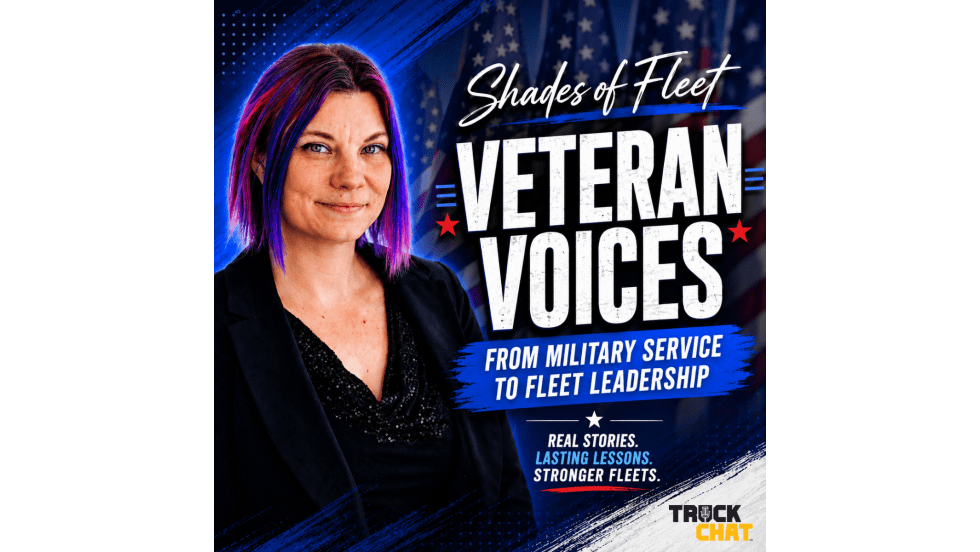
Veteran Voices in Fleet | How Military Service Shapes Fleet Leaders
Across every perspective, one message is clear: the experiences gained through military service continue to influence how veterans contribute to the fleet industry every day.
Read More →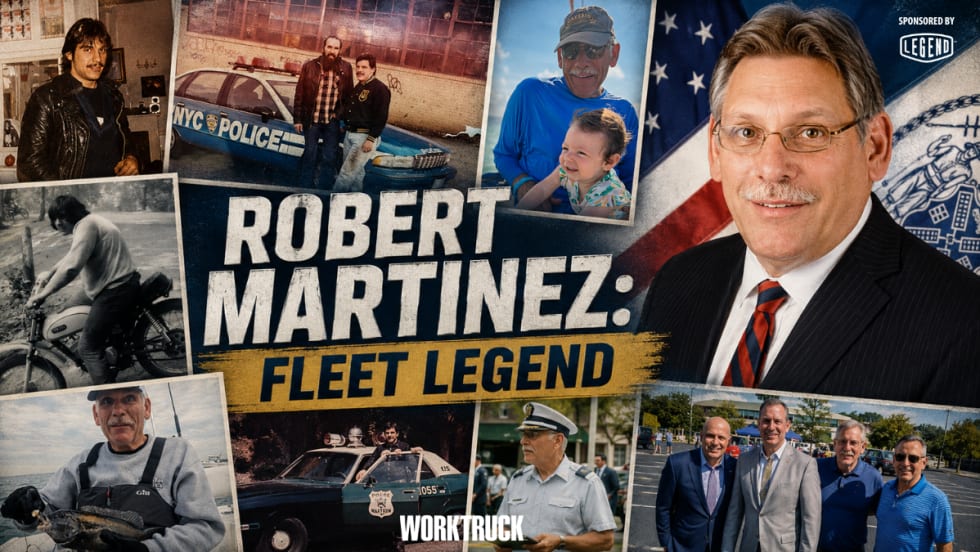
The Fleet Lessons That Don’t Show Up on a Spreadsheet
From index cards to predictive maintenance, Robert Martinez shares the hard-earned leadership lessons that shaped nearly 40 years in fleet.
Read More →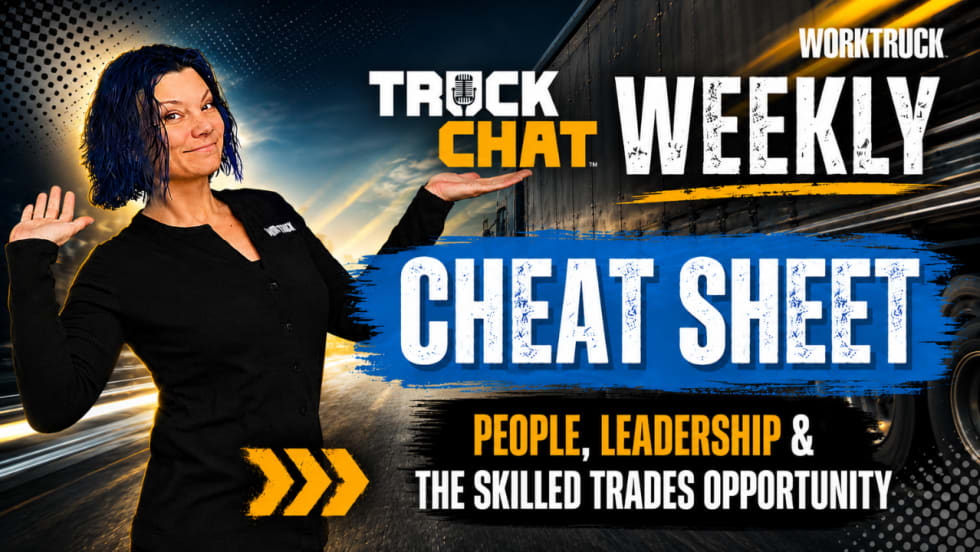
People, Leadership & the Skilled Trades Opportunity | Weekly Cheat Sheet
People, data, leadership, and the skilled trades opportunity. See what's shaping fleets today in this week's Truck Chat Weekly Cheat Sheet.
Read More →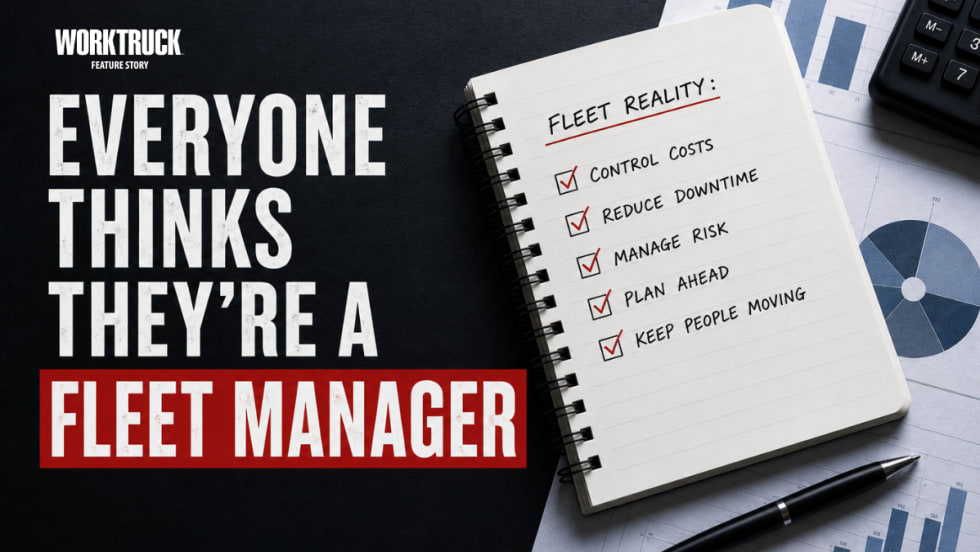
Everyone Thinks They’re a Fleet Manager
From oil changes to procurement decisions, fleet work is often underestimated by the very people who depend on it most. Bob Stanton makes the case for why communication, not just technical expertise, is one of the most important leadership skills in fleet.
Read More →
Turning Connected Vehicle Data Into Decisions That Matter
Fleet leaders have more data than ever, but turning that data into clear, actionable decisions remains a challenge. This white paper shows how leading organizations are using connected vehicle data to improve safety, reduce costs, and optimize fleet performance. Learn how to turn insight into action across your fleet.
Read More →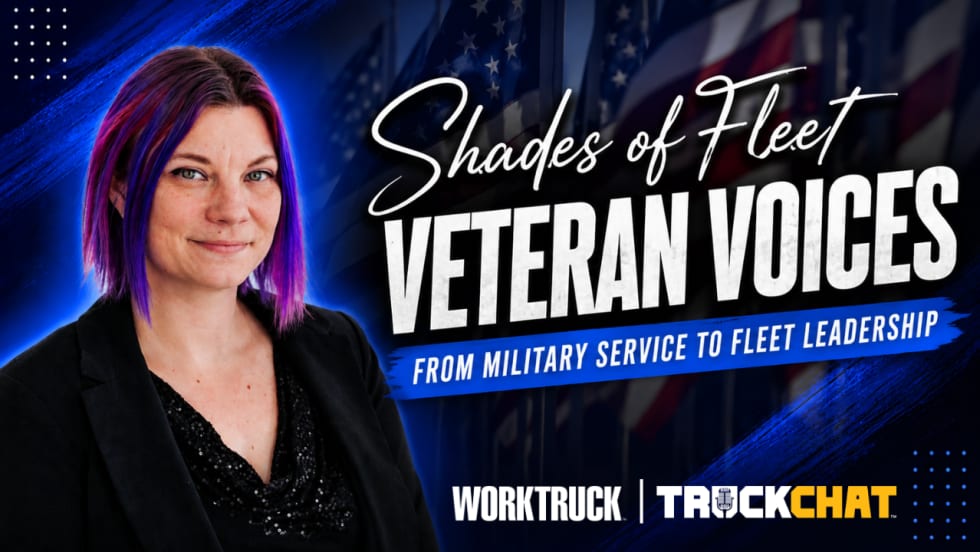
From Military Service to Fleet Leadership | Shades of Fleet
Military service ends, but the lessons don't. Hear how veterans are shaping fleet leadership through adaptability, teamwork, and mission-driven thinking.
Read More →