


 MENU
MENU SEARCHMENUSEARCH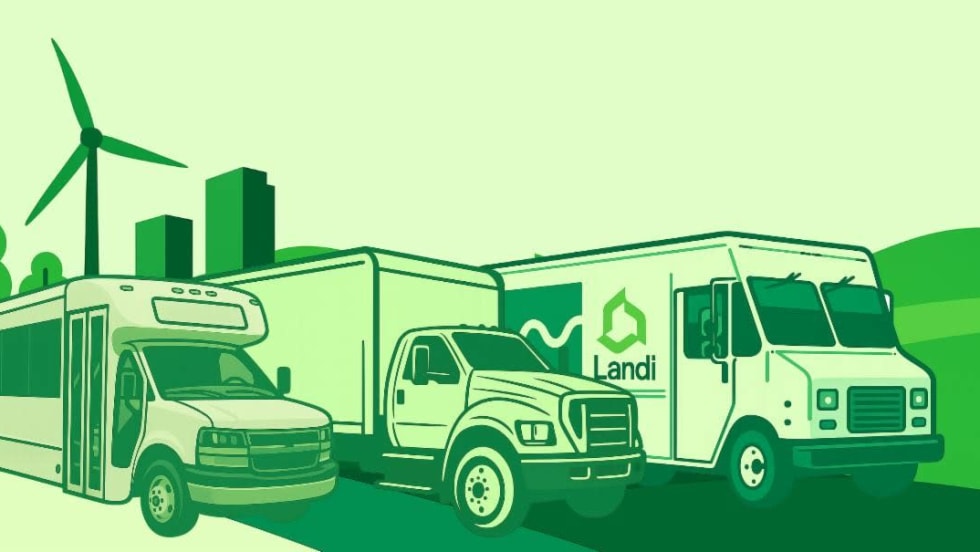
Landi Technologies has gained CARB certification of its Ford 7.3L Renewable Natural Gas (RNG) and Compressed Natural Gas (CNG) platform for the Ford E-450, F-450/550/600, F-650/750, and F-53/59 platforms.
Read More →
J. J. Keller & Associates is accepting nominations for the 2026 J. J. Keller Safety Professional of the Year (SPOTY) Awards. Winners will receive prize packages valued at up to $47,200.
Read More →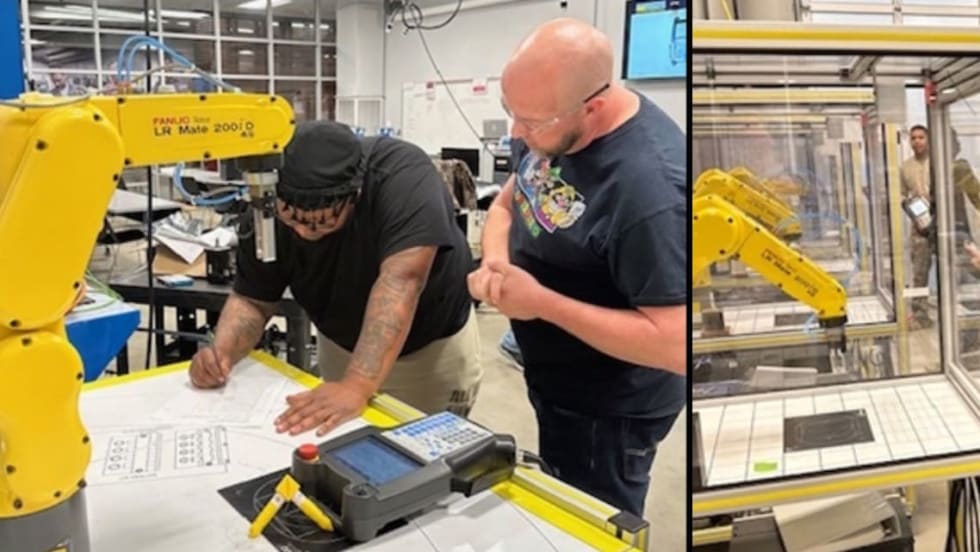
Yokohama Tire Manufacturing Mississippi’s Maintenance Apprenticeship Program, in partnership with East Mississippi Community College, combines classroom instruction with on-site experience as employees pursue an associate degree.
Read More →
Looking for a new podcast? Truck Chat delivers fleet leadership insights, industry deep dives, AI discussions, innovations, and real-world stories.
Read More →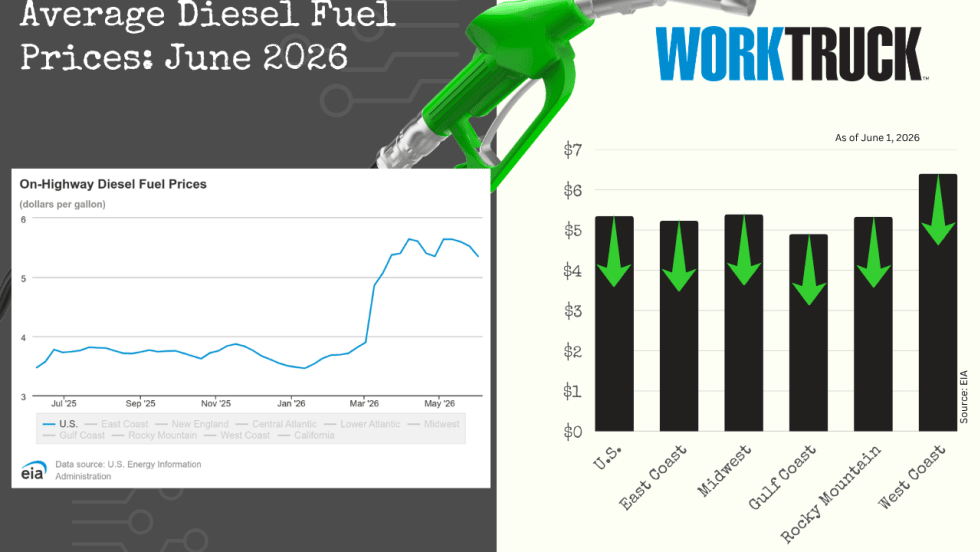
The national average price of a gallon of diesel decreased by more than 17 cents this week, and all five regions reported lower prices, ranging from just over 10 cents to more than 23 cents cheaper than a week ago.
Read More →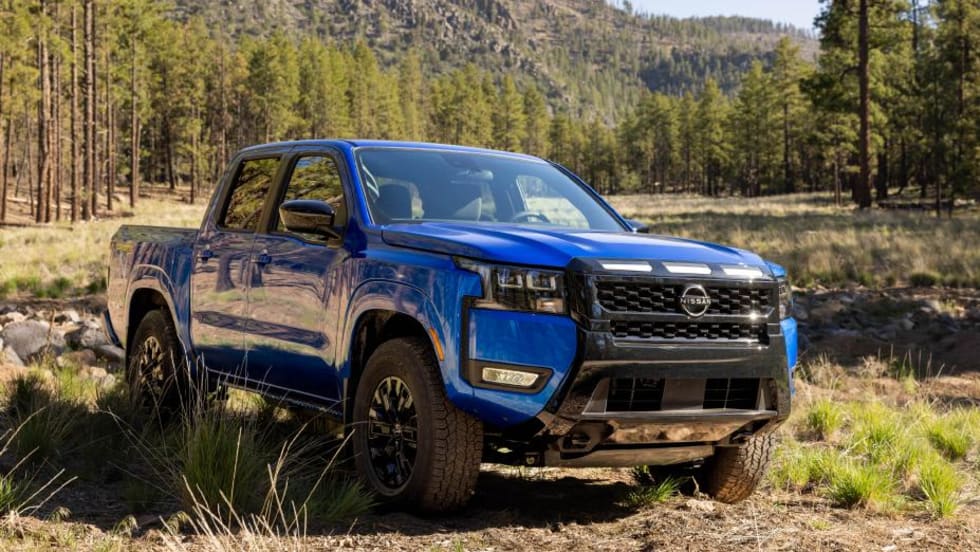
Nissan’s 2027 Frontier Sport Edition gives customers off-road features, including all-terrain tires, an aluminum skid plate, fog lamps, and front accent lighting. Like every Frontier, it comes standard with Nissan's 3.8-liter V6.
Read More →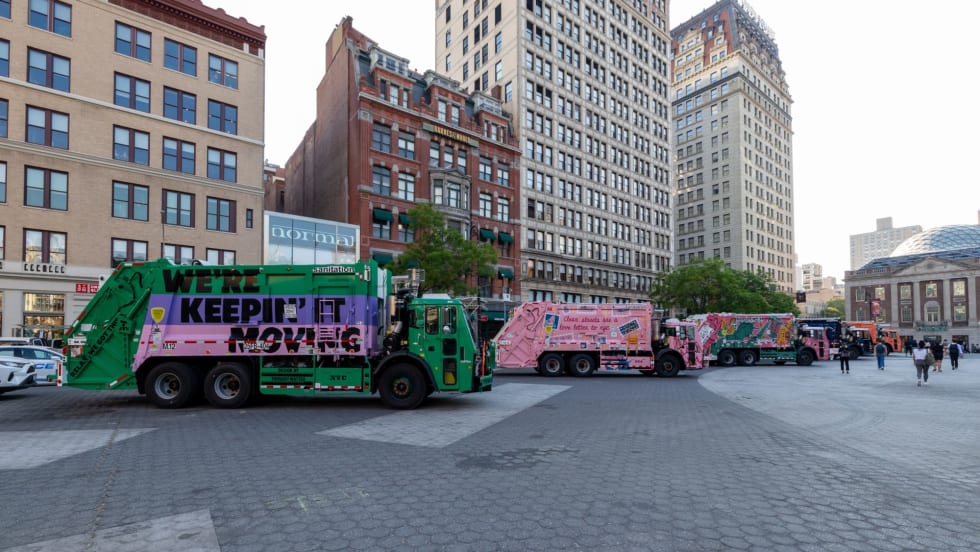
The New York City Department of Sanitation, in collaboration with its nonprofit partner the Sanitation Foundation, unveiled five new hand-painted Mack LR refuse vehicles during New York City’s Trucks of Art program.
Read More →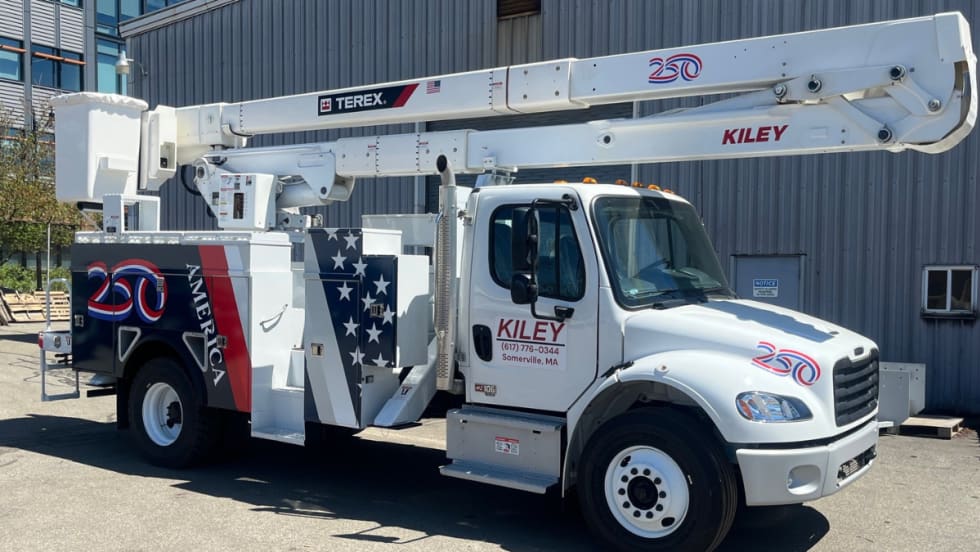
Terex Utilities showcased a patriotic spirit in its booth this week during the Electric Utility Fleet Managers Conference in Williamsburg, Virginia, by debuting two custom-wrapped bucket trucks celebrating America’s upcoming 250th anniversary.
Read More →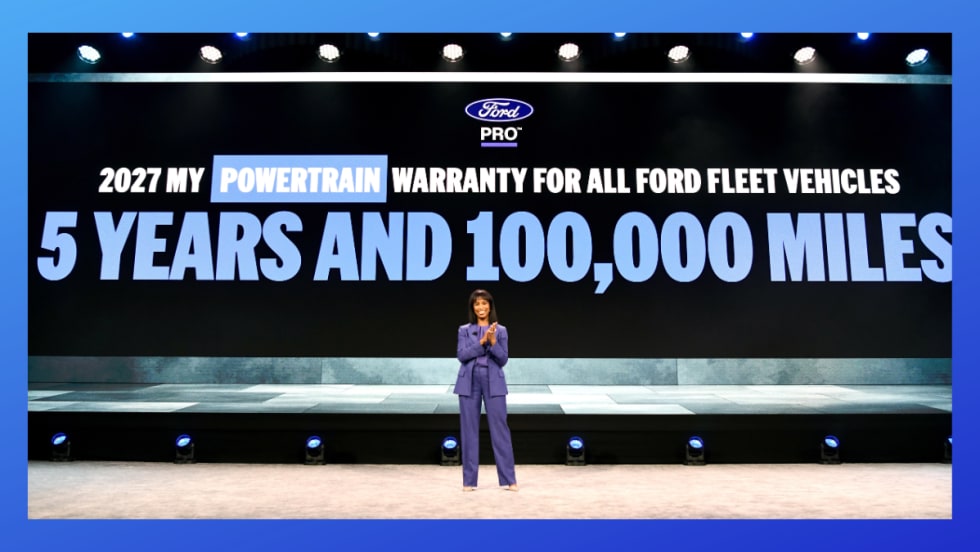
Ford Pro expands its 5-year/100,000-mile Limited Powertrain Warranty to the 2027 Ranger and E-Transit for eligible fleet buyers.
Read More →
ASE will move Automotive Service Professionals Month to April and October beginning in 2026-2027, aligning recognition with Car Care Month events.
Read More →