




Case Study: ThyssenKrupp Commits to Propane Autogas
ALPHARETTA, GA – In 2010, ThyssenKrupp Elevator's fleet department started evaluating alternative-fueled vehicles to explore ways to combat rising fuel costs, and to learn which fuels were sustainable now and for the next generation.
ALPHARETTA, GA – ThyssenKrupp Elevator knows the ups and downs of running a successful business. With more than 13,500 employees, 200-plus branch and service locations, and more than $2.7 billion in annual sales, remaining on top means being fiscally, socially, and environmentally sustainable, even during the toughest times.
In 2010, ThyssenKrupp Elevator’s fleet department started evaluating alternative-fueled vehicles to explore ways to combat rising fuel costs, and to learn which fuels were sustainable now and for the next generation. Their quest resulted in the development of a protocol for analyzing alternative fueled vehicles — one that is serving as a model for other companies seeking to make the switch.
“We are challenged in today’s marketplace to go green,” said Tom Armstrong, director of fleet at ThyssenKrupp Elevator. “We were determined to reduce our fuel consumption and find sustainable vehicles that worked for us. With all the alternative fuel choices available today, we needed a tool to effectively analyze and justify each fuel or alternative fuel vehicle type.”
Armstrong created the “Five C’s” protocol of analyzing alternative-fueled vehicles:
Is it clean?
Does it conserve?
Is it cost-effective?
Does it make common sense?
Can you commit?
According to Armstrong, the only product that qualified for all “Five C’s” was propane autogas. “When we laid out all the fuels available, including propane autogas, ethanol, biodiesel, compressed natural gas and electric, there was only one alternative fuel source that had a check mark in all five categories, and that was propane autogas,” said Armstrong.
Propane autogas is clean, emitting up to 25 percent less greenhouse gasses, about 20-percent less nitrogen oxide, and up to 60 percent less carbon monoxide when compared to gasoline. Research shows propane autogas yields 60 to 70 percent less smog-producing hydrocarbons and 50 percent fewer toxins and other smog-producing emissions, especially important for areas with large population densities. In fact, the environmental benefits of using propane autogas have enabled ROUSH CleanTech trucks and vans to meet Environmental Protection Agency and California Air Resources Board certification requirements.
For ThyssenKrupp Elevator’s Phoenix-area service vans, miles traveled average 25,000 each year. This means that for each vehicle purchased in this market, ThyssenKrupp Elevator is reducing its carbon footprint by 6,917 pounds of carbon dioxide each year per vehicle. From well to wheel, propane autogas conserves natural resources by being a domestically produced fuel that is a byproduct of natural gas processing and petroleum refining. About 90 percent of all propane used within the United States is produced in this country. Additionally, propane autogas is safe, non-toxic and will not contaminate surface or groundwater sources in the event of a spill. Armstrong is experiencing a displacement of about 2,000 gallons of gasoline per vehicle each year by switching to propane autogas.
As for cost effectiveness, Armstrong said the average price for gasoline has hovered around $3.84 per gallon, while the company’s price for propane autogas averaged $1.93 per gallon. This alone provides more than $224,208 in annual fuel cost reductions to the company’s bottom line across the vehicles in their Phoenix market. Armstrong’s propane-autogas vehicles have the potential to incur lower maintenance costs and increase the life of the engine because the fuel burns cleaner and experiences significantly less carbon build-up.
“The return on investment for our propane autogas vehicles varies city by city, based on a number of variables including state incentives, fuel costs reduction, high occupancy vehicle (HOV) lane access and registration costs. For example, our cost benefits in the Phoenix region are tied to lower fuel and vehicle registration costs, and also HOV lane access,” said Armstrong. “We have found our rate of return is roughly two to four years per vehicle. With an estimated six-year vehicle life, we have at least two years of positive return on our investment per vehicle.”
With so many pluses, common sense pointed the company to commit to propane autogas. The company started with three ROUSH CleanTech Ford E-150 propane-autogas vans in Phoenix in 2010.
The path to propane autogas was methodical and well researched by ThyssenKrupp Elevator. The fuel met all the needed requirements, but as the company started its migration away from foreign oil, a new set of concerns arose.
“Once we decided on propane autogas, our next challenge was to identify the best partner for our propane conversions,” said Armstrong. “We needed a quality tier-one supplier committed to our long-term sustainable goals, which meant the product needed to be safe, and it needed to be supported by the vehicle manufacturer and not void of any manufacturer warranties. ROUSH CleanTech surfaced as our best solution and business partner.”
Currently offered through authorized Ford dealerships around the country, the ROUSH CleanTech propane-autogas fuel system delivers the same factory Ford performance characteristics and serviceability with a 5-year/60,000-mile limited warranty.
Today, ThyssenKrupp runs 47 ROUSH CleanTech Ford E-series vans and seven F-series trucks across four geographic markets: Phoenix, Seattle, Los Angeles, San Diego and Detroit. According to Armstrong, ThyssenKrupp is targeting Dallas, Houston, Sacramento and San Francisco next, and will continue to add new vehicles and markets with the goal of operating 10 percent of its entire fleet on propane autogas by 2015.
“When we first started out, we were looking to reduce the company’s carbon footprint by 20 percent by the end of 2015, with an interim goal of 12 percent improvement in fuel efficiency by 2012” explained Armstrong. “We have already met both of those goals and couldn’t be more pleased with how propane autogas is performing for us.”
At ThyssenKrupp Elevator, company drivers are assigned vehicles that are taken home each night and always available for customer emergencies. Refueling infrastructure has to be strategically placed for their needs.
“Since our vehicles go home with our drivers, we needed adequate local fueling infrastructure for each city where we use propane autogas,” said Armstrong. “We partnered with Ferrellgas in Phoenix to develop infrastructure, and they did a great job of delivering for us before the first trucks even hit the road.”
The process included entering the home address of each driver into a system that Ferrellgas reviewed and then used to map out exactly where propane autogas fueling sites were needed. Ferrellgas upgraded six refueling stations throughout Phoenix to be 24-hour accessible, driver-operated, and equipped with a credit card swipe machine. These features gave drivers the convenience and ease-of-use just like refueling with conventional fuels such as gasoline or diesel.
There are thousands of public propane autogas refueling stations across the nation, and ThyssenKrupp’s other markets for propane autogas vehicles are based on areas that already have or are improving refueling infrastructure. In addition to using public sites, ThyssenKrupp has private refueling infrastructure at their Detroit branch.
ThyssenKrupp Elevator has implemented many other green initiatives, such as using GPS dispatching for service vehicles to minimize mileage and improve customer response times, providing urea-formaldehyde-free elevator cab interiors, and developing regenerative-drive technology that uses gravity to regenerate energy and feed it back into the building.
According to Armstrong, the company is committed to leaving behind a sustainable future for generations to come by operating a green fleet that minimizes impact on precious natural resources, conserves financial outputs related to fuel costs, and builds a foundation for moving their successes to other markets they serve.
“Propane autogas is quickly becoming the gold standard by which other alternative fuels are measured,” said Joe Thompson, president of ROUSH CleanTech. “Fleets across North America are deploying propane autogas vehicles because they make economical and environmental sense.”
More Fuel
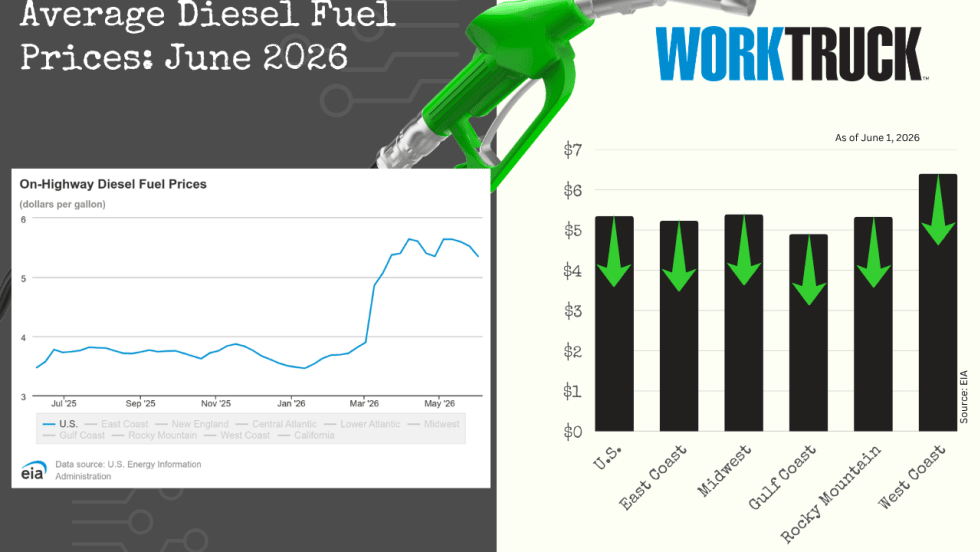
June Diesel Trends Update
The national average price of a gallon of diesel decreased by more than 17 cents this week, and all five regions reported lower prices, ranging from just over 10 cents to more than 23 cents cheaper than a week ago.
Read More →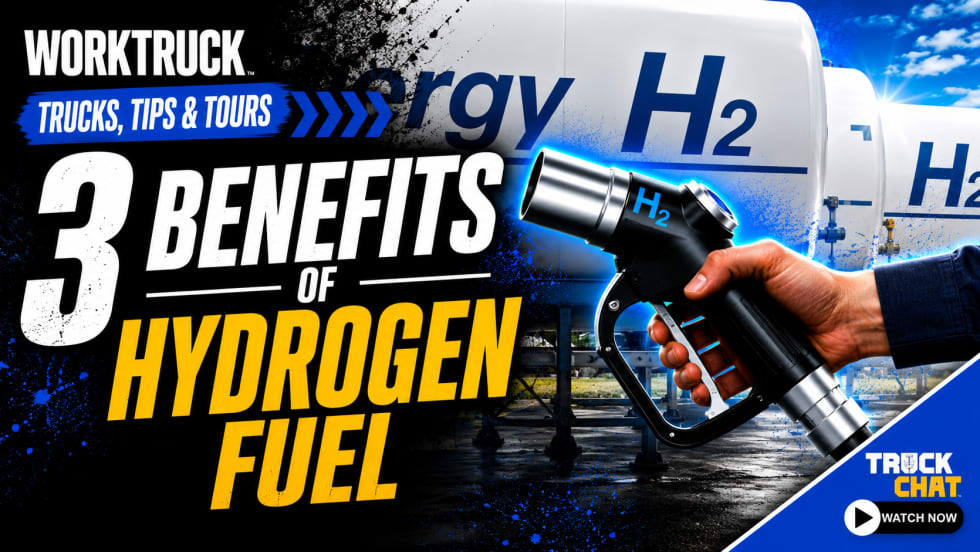
3 Benefits of Hydrogen as a Fuel
Hydrogen fuel offers zero harmful emissions, incredible energy density, and flexible production pathways. In this video, we learn from a hydrogen industry insider about the three biggest benefits of hydrogen as a fuel to power commercial vehicles.
Read More →
Are You Tracking Your Fleet's True Total Cost of Ownership?
Bobit Business Media surveyed 190 fleet professionals and found that while most fleets are tracking costs, fragmented systems and data gaps are keeping true TCO visibility out of reach. With rising pressure to control spend in an increasingly volatile environment, the gap between what fleets think they know and what the data actually shows is wider than you might expect. See how your peers are managing costs today and where the industry still has room to improve.
Read More →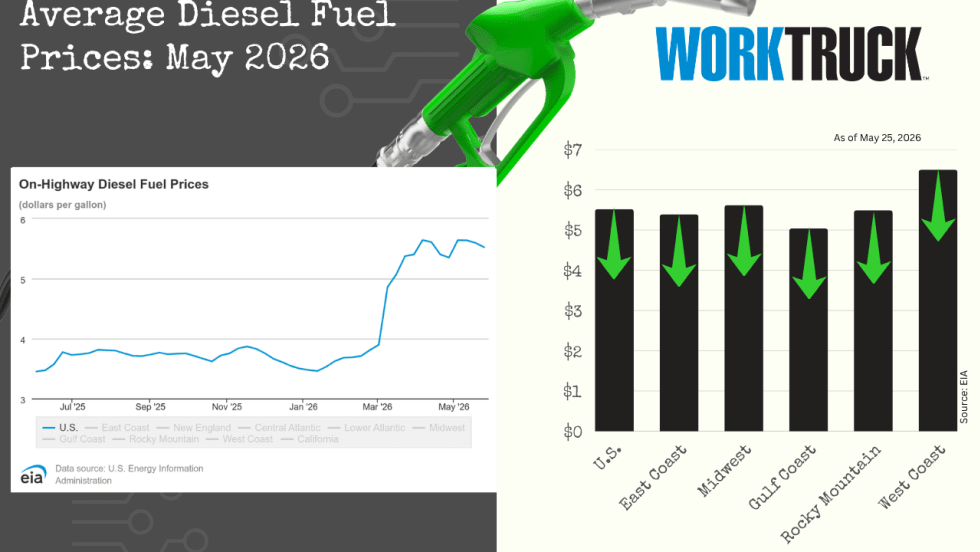
May Diesel Trends Update
The national average price of a gallon of diesel decreased by more than 7 cents this week, and all five regions reported lower prices, ranging from just over 2 cents to more than 12 cents cheaper than a week ago.
Read More →
How Hydrogen Fuel Is Produced for Fuel Cell Trucks
How is hydrogen produced for fuel cell trucks? Let’s learn more about that as Pajarito Powder CEO Christian Mohrdieck walks us through the process in this video.
Read More →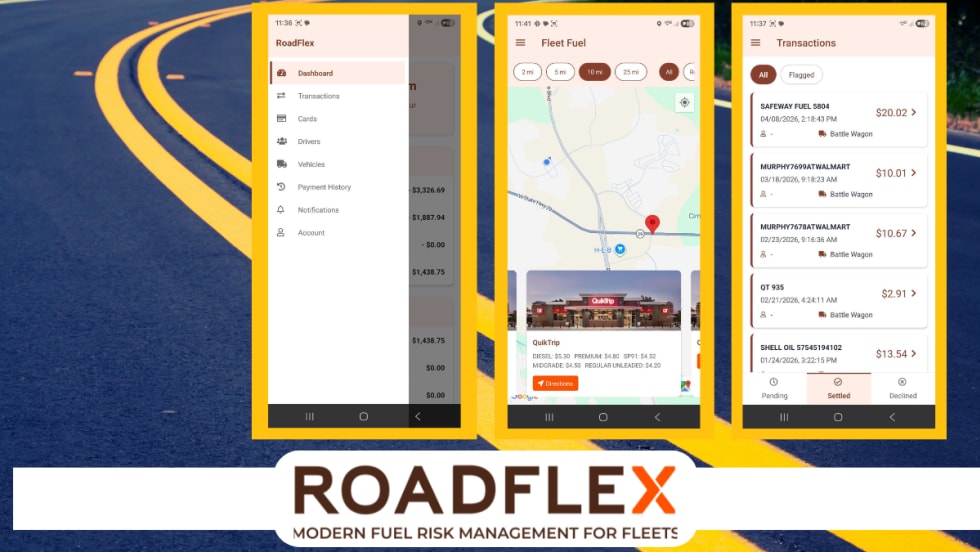
RoadFlex Launches Mobile App for Drivers and Fleet Managers
RoadFlex has launched its mobile app to give fleet teams a faster, easier way to manage fleet card activity, capture receipts, review transactions, and maintain spend visibility from the field.
Read More →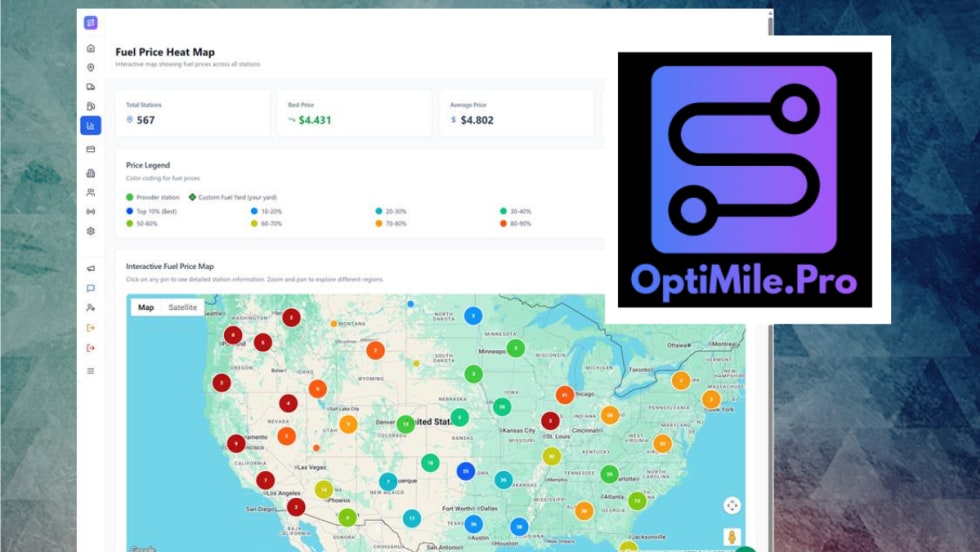
OptiMile Pro Launches Fuel Planning Platform to Cut Fleet Fuel Spend
OmtiMile Pro’s new software replaces the "fill up when empty" habit with a globally optimized fuel plan that picks the cheapest stop in the fleet's contracted network and the precise amount of fuel to load on every run.
Read More →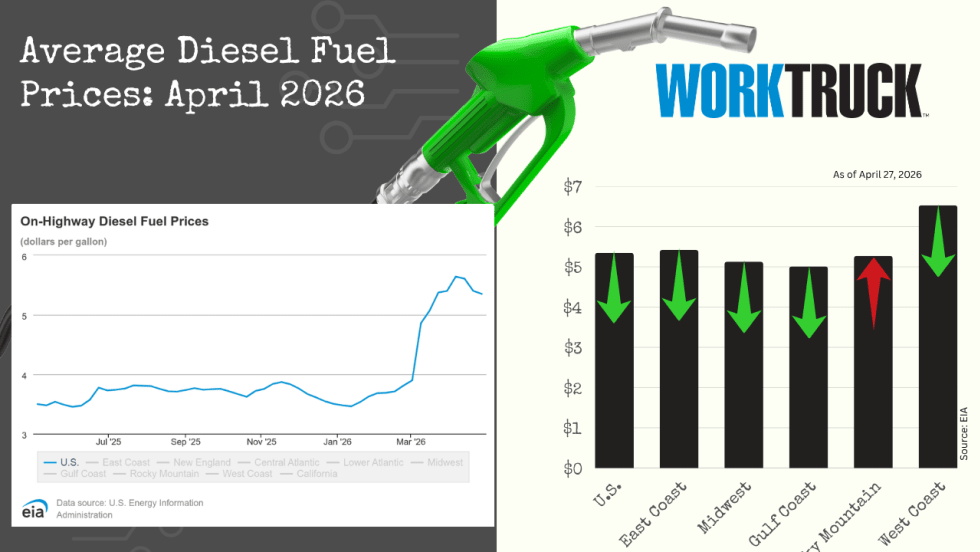
April Diesel Trends Update
The national average price of a gallon of diesel dropped by more than 5 cents this week, and all but one region reported price decreases.
Read More →
ChargePoint & South Coast Air Quality Management District Surpass 90 EV Charger Installations Across Southern California
ChargePoint has enabled more than 90 charging ports for the South Coast Air Quality Management District in Southern California. The project replaced outdated chargers with 55 new, Level 2 ChargePoint units capable of serving 94 vehicles simultaneously.
Read More →
Pajarito Powder Appoints Hydrogen Industry Veteran as New CEO
Pajarito Powder has appointed Christian Mohrdieck, who has a wealth of experience and knowledge in both the fuel cell and electrolyzer businesses, as its new CEO.
Read More →