




Mitsubishi Fuso 'Reinvents' its FE/FG Cabover Series
The 2012 Class 3, 4, and 5 cabovers are a completely new design; engineered to provide both performance and fuel economy. One innovation is the use of a dual clutch automated manual transmission, a first for commercial trucks.


2012 Mitsubishi Fuso Canter
Photo: Mitsubishi Fuso
The new Canter FE/FG Series medium-duty trucks were introduced by Mitsubishi Fuso Truck of America, Inc. (MFTA) on March 8, 2011, at the NTEA Work Truck Show in Indianapolis.
"However, the story is not that we introduced a new truck," said Todd Bloom, president and CEO of MFTA. "The real story is how Mitsubishi Fuso is reinventing itself. What Fuso did was take a clean sheet of paper to determine customer needs, on a worldwide basis, and then designed a platform to meet those needs."
The new Mitsubishi Fuso Class 3, 4, and 5 cabover models reflect a completely new design, engineered to provide both performance and fuel economy. This is the eighth generation of the Canter, and its first full model change in eight years.
The design challenge in developing the 2012 models was incorporating an all-new diesel engine, an all-new transmission, and a new emissions treatment system using selective catalytic reduction (SCR) technology into the Canter cabover platform.
"With these new trucks, we changed our way of thinking in meeting not only worldwide needs, but also specific country needs. However, the base platform of the Canter remains the same worldwide. I love that philosophy," said Bloom.
The first example of Mitsubishi Fuso's "reinvention" was the development of a new small-displacement, high-performance powertrain, jointly developed by Fiat Powertrain Technologies (FPT) and Mitsubishi Fuso, to power the new Canter. It's not that Mitsubishi Fuso lacked powertrain expertise, especially since it is an integral part of the Daimler Trucks Division of Daimler AG. Other business units within Daimler AG include Detroit Diesel, Freightliner, and Mercedes-Benz Truck, all possessing formidable powertrain engineering expertise. Together these combined business units represent the world's largest commercial vehicle manufacturer group.
"When I first joined Fuso, it blew my mind that Daimler, the world's largest truck manufacturer, decided to use a jointly developed FPT engine in the Canter," said Bloom, who became president and CEO of MFTA in July 2010. However, Bloom's concerns were quickly put to rest upon reviewing the extensive testing, which proved that the jointly developed FPT powertrain was the best choice to meet the Canter's design goals.
The engine is a 3.0L 4P10 dual-overhead-cam, dual-turbocharged, intercooled four-cylinder diesel engine, which generates 161 hp and 295 lb.-ft. of torque. The new small-displacement Mitsubishi Fuso/FPT diesel engine uses common rail fuel injection with four piezo injectors, which helped the Canter FE/FG Series meet a company goal to lower the cost of ownership by increasing engine fuel efficiency. (The 4P10 engine was first installed in Canter trucks in Europe in August 2009, ahead of its application in Japan and North America.)
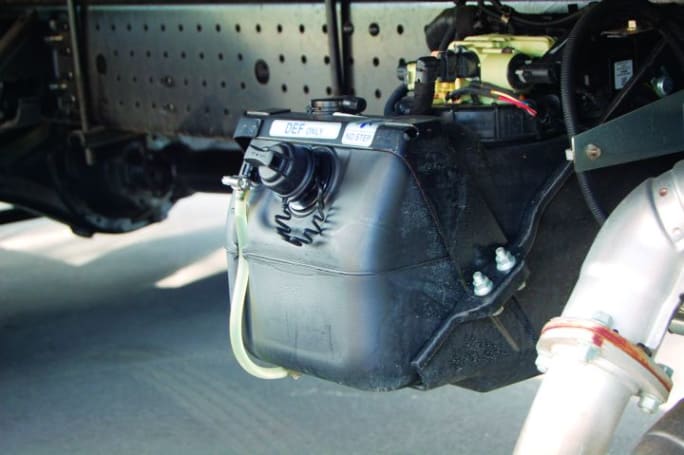
The reservoir for the diesel exhaust fluid (DEF).
Photo: Mitsubishi Fuso
"The design philosophy was to find the best small displacement engine to reduce weight, using dual turbochargers," said Bloom. "The jointly developed FPT powerplant met those needs. It enabled us to significantly drive down the cost of operation more than if we just took the current engine we had and made it meet 2010 emissions standards."
The lightweight engine block is coupled to an all-new Mitsubishi Fuso-developed DUONIC 6-speed transmission. The DUONIC transmission uses dual clutches, which significantly contribute to enhanced fuel efficiency when mated with the 4P10 engine. According to MFTA, the new Canter has up to 20% better fuel economy than its predecessor model.
"A dual clutch automated manual transmission (AMT) had never been used before in a commercial truck," said Bloom. "Dual clutch AMTs are used in high-performance cars, such as Bugatti Veyrons and BMWs, but they have never been used in a commercial vehicle application. By matching these two components together - the DUONIC transmission and 4P10 engine - we were able to drive the power much more directly to create best-in-class fuel economy."
Another "reinvention" was the decision to badge the new 2012 North American trucks with the Canter name to provide a consistent global identity. Although the Canter name is new to North America, it has been used for nearly 50 years by Mitsubishi Fuso in other countries around the world.
"Our goal in designing the new Canter was to use the best technologies available and match and mate them together. The Canter is the first product using this open-thinking philosophy," said Bloom. "This philosophy does not restrict or constrict designers to only use the products that we have in-house. I found that to be a very interesting and open way of looking at future product development."
The other challenge was to develop a truck to meet the EPA's 2010 diesel emissions standards. The new Canter FE/FG Series uses Daimler Commercial Truck's BlueTec emissions technology (DPF/SCR) to comply with EPA 2010 diesel emissions standards. The BlueTec system treats emissions in the downstream exhaust rather than in the engine, so the engine can be tuned exclusively for optimum performance and fuel economy. The BlueTec system has been extensively used in Europe prior to its implementation in the U.S. by Daimler business units.
Another innovation was to extend the truck's scheduled maintenance intervals. The new line of Canter FE/FG Series trucks extends scheduled maintenance to every 18,000 miles, the longest service interval of any vehicle in its class. The service interval for the predecessor model was every 6,000 miles. This extended service interval reduces maintenance visits by two-thirds compared to those required for previous FE models.
Getting into the Truck Specs
In North America, three standard-cab 2WD models were introduced, which cover the light medium-duty weight ratings from Class 3 through Class 5. They are:
Canter FE125 (12,500-lb. GVWR).
Canter FE160 (15,995-lb. GVWR).
Canter FE180 (17,995-lb. GVWR).
The Class 3 through Class 5 trucks are sold through more than 200 dealer locations in the U.S., Canada, and Puerto Rico. According to MFTA, the Canter was designed to meet the vocational needs of a wide variety of businesses, such as beverage, catering, refrigerated and dry cargo delivery fleets, vehicle recovery, towing, pest control, plumbing, light construction, and landscaping.
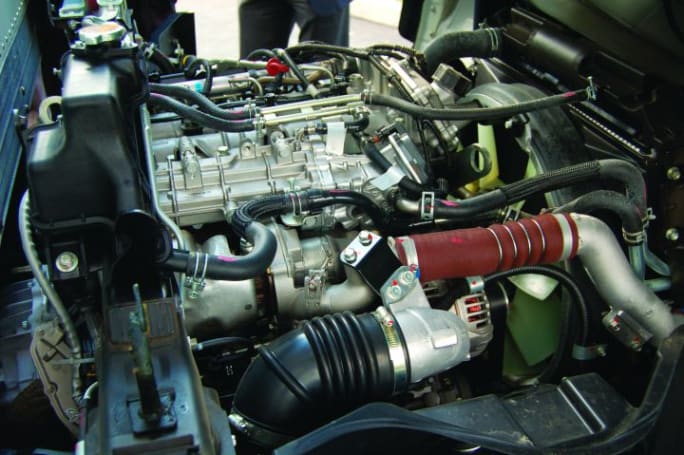
The drivetrain is a 3.0L 4P10 dual-overhead-cam, dual-turbocharged, intercooled four-cylinder diesel engine, which generates 161 hp and 295 lb.-ft. of torque.
Photo: Mitsubishi Fuso
Another area of innovation was with the frame, which was designed to improve body mounting and reduce weight to help increase payload capacity. On the Canter FE, the standard-width 33.5-inch straight ladder frame was lightened through the use of patterned holes, which increases available payload capacity. These holes also make body mounting easier and save frame weight without loss of strength.
The 56,565 psi-yield-strength steel and 400,410 lb.-in. RBM (resisting bending moment) per rail of this new frame provide comparable chassis stiffness as the previous FE models, at a substantially lighter weight. (RBM describes the ability of the frame to resist the bending moments from the load and truck components.)
According to MFTA, the frame's high strength-to-weight ratio helps give the new FE Series a substantial payload advantage over other trucks in their category - as much as 2,200 lbs.
"The design team considerably lightened the chassis by using innovative technologies, making the frame about 25-lbs. lighter. Now, we're looking at a Class 4 vehicle in which the base chassis is cumulatively more than 900-lbs. lighter than a comparable vehicle in this particular class," said Bloom. "Since it is lighter, and because it is a worldwide platform, our cost of producing the truck has allowed us to price the vehicle for significantly less than competitive trucks."
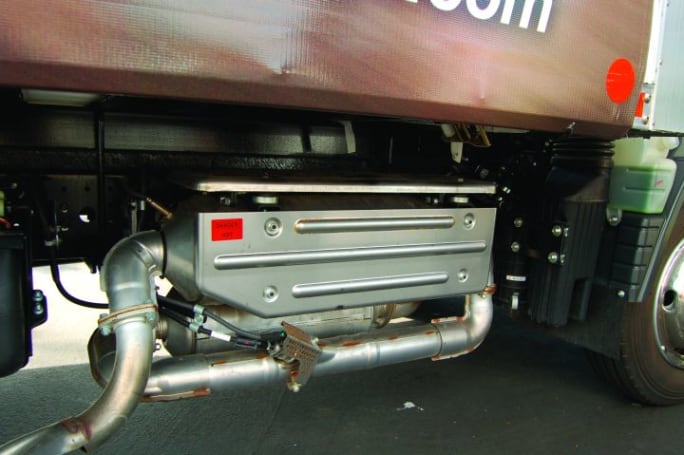
The new Canter FE/FG Series uses Daimler Commercial Truck's BlueTec emissions technology (DPF/SCR) to comply with EPA 2010 diesel emissions standards.
Photo: Mitsubishi Fuso
The Canter FEs also feature dual-caliper hydraulic disc service brakes with vacuum servo assist and ABS on all four wheels. All models include an electronic brake override system for added safety.
The Canter's tight turning diameter makes it ideal for urban applications. The turning diameter for the Canter FE models with 110.2-inch wheelbase is a tight 34.1 feet - shorter than the turning diameter of a MINI Cooper (35.1 feet).
Car-Like Interior
The FE/FG Series was specifically designed to provide a car-like interior. The new 2012 Canters feature fully trimmed cabs that provide ample space for the driver and two passengers.
Instrumentation includes not only the normal array of tachometer, speedometer, and gauges, but also a digital display that gives the driver real-time data on the status of the most important operating parameters. Cycling through the digital displays provides the driver with up-to-the-minute status on a wide variety of truck systems, fluid levels, and performance parameters.
To increase occupant safety, all Canters are built with a crush bar in the doors and a reinforced cab sub-frame assembly to increase frontal-impact protection. The collapsible steering column offers both tilt and telescoping adjustments via one control lever.
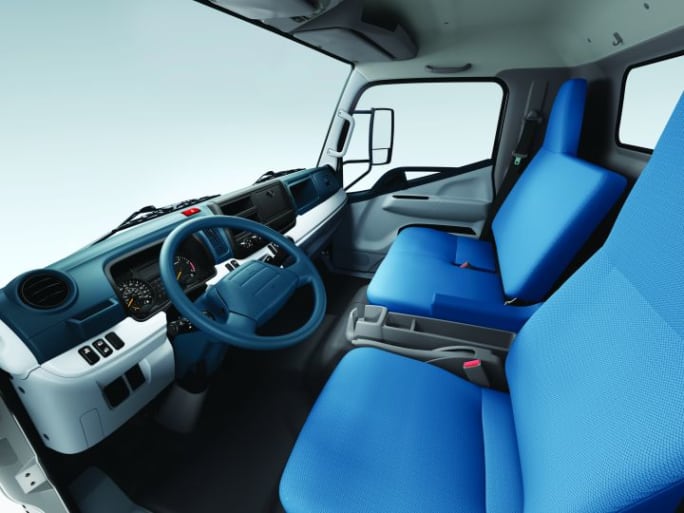
The FE/FG Series was specifically designed to provide a car-like interior. The passenger seats can fold down to form a work area for the driver, and extra storage compartments have been added in the cab area.
Photo: Mitsubishi Fuso
Daytime running lights are standard.
Center and right-hand passenger seats can also be folded down to form a work area for the driver, and extra storage compartments have been added in the cab area. Power windows and door locks are standard.
2012 Canter FE160 Crew Cab
The Class 4 Canter FE160 Crew Cab model offers the same powertrain as the standard-cab Canter FEs. For 2012, the GVWR has increased to 15,995 lbs. and maximum body length has increased to 19 feet, giving it the capacity to carry a crew of seven, plus a substantial amount of gear.
The new Crew Cab is aimed at a variety of vocational markets such as landscaping, highway maintenance, municipal work, and other applications requiring a full work crew. The FE160 Crew Cab has a 169.3-inch or 187-inch wheelbase, and can accommodate 12- to 19-ft. bodies.
"Our new Canter FE Crew Cab offers a higher payload than competitive Class 4 crew cabs, by as much as 1,815 lbs.," said Bloom. "And, its improved fuel economy, longer service intervals, and stronger warranty protection work together to deliver lower cost of ownership to those who buy one."
The FE160 Crew Cab's standard powertrain is the new 4P10 four-cylinder diesel engine coupled to the 6-speed DUONIC transmission.
Dual-caliper, hydraulically actuated disc brakes with vacuum servo assist and ABS are standard on all four wheels. The parking brake is a drum/driveline, internal-expanding-shoe type.
In addition to the drivetrain improvements, Mitsubishi Fuso has completely restyled all of its Canter FE models for 2012, including the Canter FE160 Crew Cab.
"A large windshield and deeply sculpted door windows not only improve the aesthetic profile of the 2012 model, but also improve driver visibility," said Leighton Good, manager of product and applications for MFTA. "In fact, line of sight from the driver's eye level to the street in front of the Canter FE is only eight feet, compared to up to 25 feet for a conventional Class 4 truck. In addition, compact halogen headlamps allow sculpted fender profiles, but their greatest contribution is to improved nighttime visibility."
With its full bench second-row seat, the Canter FE160 Crew Cab provides ample space for the driver plus two passengers up front, and four passengers in the rear. A separate rear heater control provides added comfort in harsh winter conditions. Extra storage compartments are available in the cab area and an enclosed storage area is available under the rear seat.
For better visibility to the sides and rear, Canter offers standard split door mirrors, with convex surface mirroring on the lower section to increase the driver's view of objects adjacent to the vehicle.
The FE160 Crew Cab doors continue the use of the company's unique offset hinge, which opens to 70-degrees, then pushes forward several inches. The result is driver and passenger access equal to a 90-degree opening, but with limited extension of the door into traffic or curb-side obstructions.
The instrument panel has been refined, with a digital display that gives the operator every detail of vehicle operation, fluid level and system status at a glance. The cab is fully trimmed; interior space and amenities have been improved, and storage areas increased, so a crew of seven can ride to the job site in comfort.
Four-Wheel-Drive Canter
The new 2012 Canter FG4X4 provides four-wheel drive, and continues to be the only four-wheel-drive cabover in North America.
"The new 4P10 engine, DUONIC transmission and BlueTec emissions treatment system, combine to boost the new 2012 FG4X4's horsepower by nearly 4 percent, compared to the previous FG model," said Bloom. "At the same time, the lightweight frame and weight reduction strategies have allowed an upgrade from the 5-speed manual transmission used previously to the new DUONIC 6-speed dual-clutch transmission, while actually reducing curb weight."
Transfer case and driver-activated 2WD/4WD selector add flexibility. According to MFTA, the combination of the transfer case, front locking hubs, and standard DUONIC transmission give the Canter FG4X4 the on-road economy of two-wheel drive plus the versatility of four-wheel drive when the front hubs are manually locked.
The Canter FG4X4 has a wheelbase length of 134.4 inches, which can accommodate 12- to 15-ft. bodies. Turning diameter for the FG4X4 is just 44.2 feet, so maneuvering through a crowded job site, or navigating tight urban streets is no problem for the new Canter FG. The cabover design allows the driver to see the ground as close as eight feet in front of the front bumper, compared to 25 feet for some Class 4 conventional trucks.
The truck is powered by the new 3.0L 4P10 dual-overhead-cam, dual-turbocharged, intercooled four-cylinder diesel engine. Drum-type service brakes with vacuum servo assist and ABS are standard at all four wheels. The parking brake is a drum/driveline, internal-expanding-shoe type. A Driver controlled, electrically actuated exhaust brake helps retard speed on downhill grades.
The new Canter FG4X4 model shares the same styling improvements as the standard FE models.
"But the styling is also practical. The shapes of the pieces and the fit help to improve aerodynamics, and the three-piece bumper construction makes it easier and less expensive to make repairs in the event that a portion of the bumper is damaged - a practical approach for a 4x4 often used for snow plowing, off-road deliveries, and other perilous jobs," said Good.
Canter Warranty Coverage
The full line of Canter FEs and FGs offers a three-year/unlimited mileage bumper-to-bumper warranty, a four-year/unlimited mileage rust-through warranty, and an industry-exclusive five-year/175,000-mile powertrain limited warranty on all of its 2012 Canter models. The Mitsubishi Fuso five-year powertrain limited warranty covers not only the internally lubricated engine and drivetrain, but many bolt-on components, including the starter, water pump, and turbocharger.
More Vehicle Research
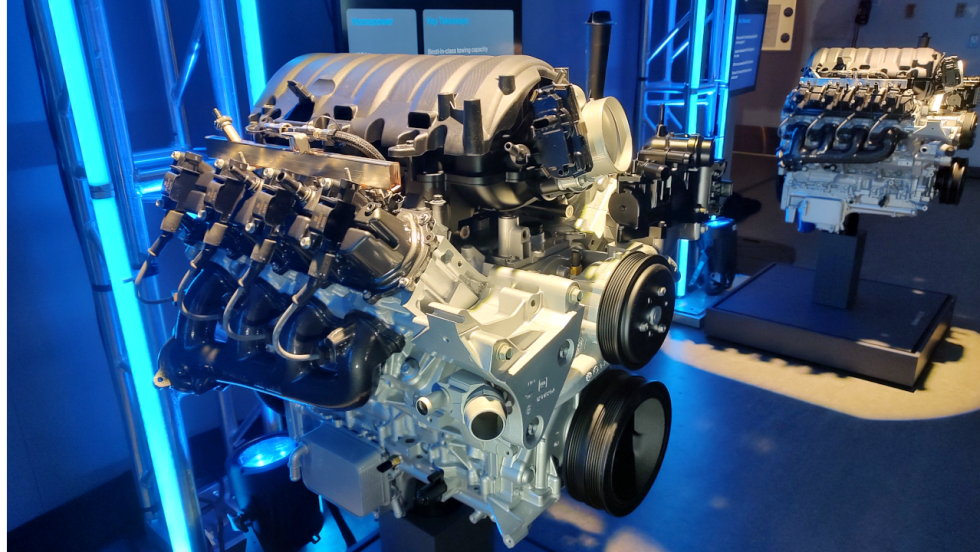
GM Unveils New Sixth-Generation Small Block Engines for 2027 Light-Duty Pickups
General Motors unveiled two new small-block engines, backed by extensive real-world validation and more than 70 years of small-block V8 manufacturing experience, as part of the engine portfolio for the 2027 Chevrolet Silverado 1500 and GMC Sierra 1500.
Read More →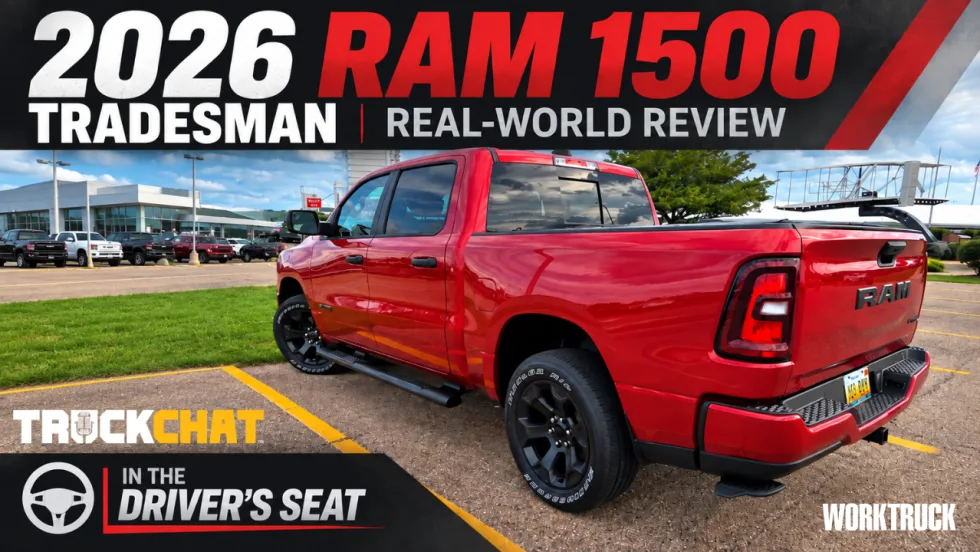
2026 Ram 1500 Tradesman Put to a Real-World Fleet Test
A few days behind the wheel of a 2026 Ram 1500 Tradesman turned into a test of visibility, parking, work-ready features, and even severe-weather driving.
Read More →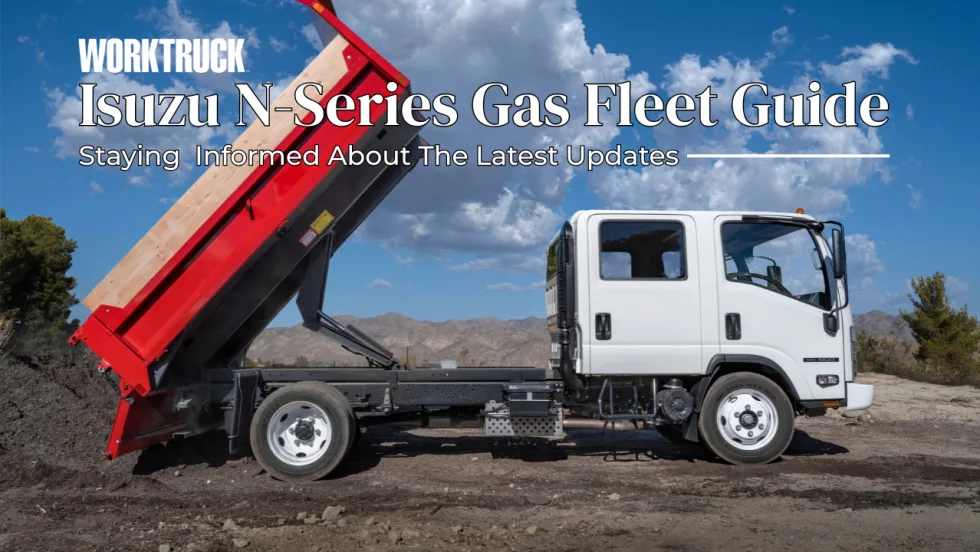
Isuzu N-Series Gas Fleet Guide: Specs, Capability and 2027 Model-Year Updates
Explore Isuzu Truck North America’s N-Series Gas fleet specs, engine performance, GVWR and payload capability, configurations, chassis dimensions, work-focused features, and 2027 model-year information.
Read More →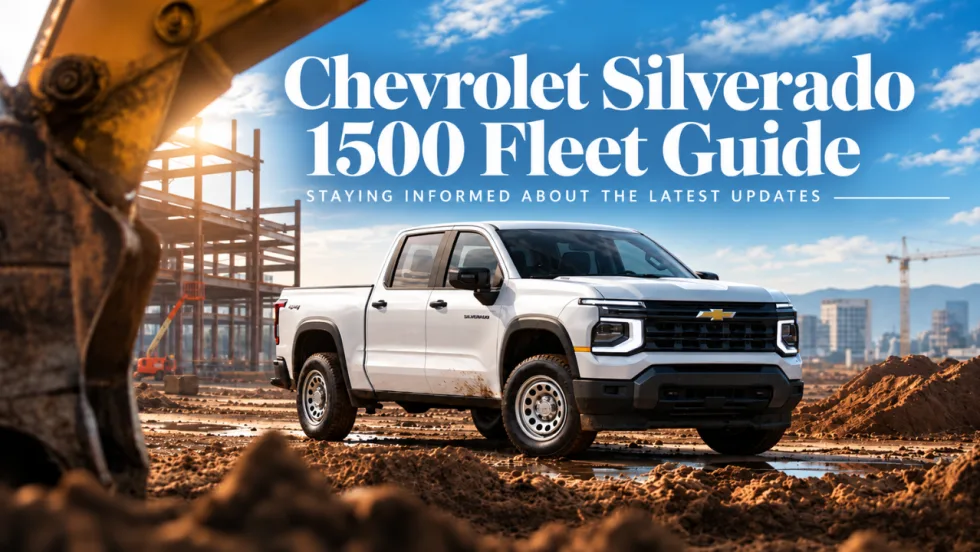
Chevrolet Silverado 1500 Fleet Guide Specs Capability and 2027 Model-Year Updates
The next-generation 2027 Chevrolet Silverado 1500 brings new V-8 engines, updated technology, expanded safety features, and a fleet-focused Work Truck. Here’s what commercial fleets need to know so far.
Read More →
Ram ProMaster City Fleet Guide Specs Cargo Capacity and 2027 Updates
Work Truck’s Ram ProMaster City Fleet Guide tracks the latest specifications, cargo capability, configurations, fleet technology, pricing, and model-year updates for Ram’s mid-size commercial van.
Read More →
Ford F-150 Fleet Guide Specs Capability and 2026 Model-Year Updates
Explore 2026 Ford F-150 fleet specs, engines, towing and payload capability, configurations, work features, technology, and model-year updates.
Read More →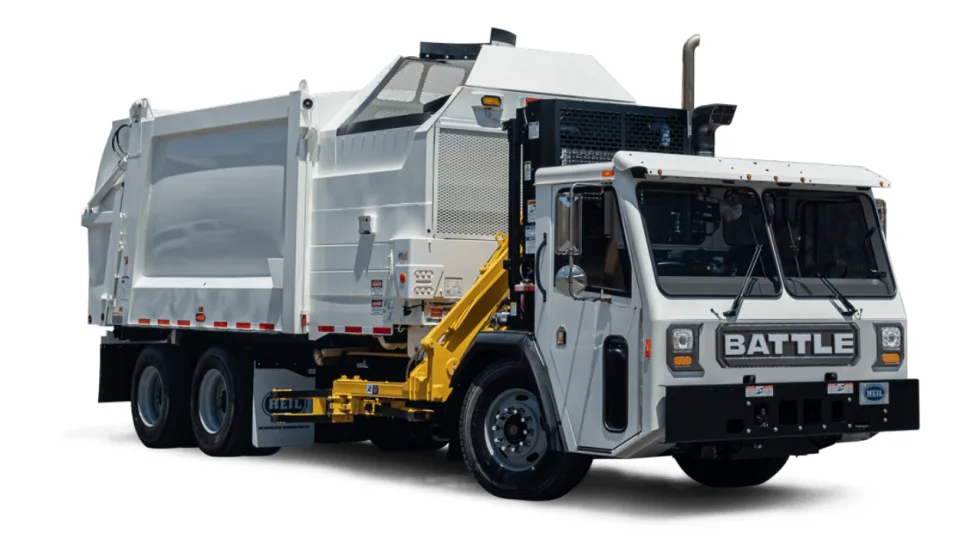
TCI Now Sells & Supports Battle Motors’ Vocational Trucks
Midwest truck dealer Truck Centers, Inc. (TCI) has expanded its transportation solutions with sales and service support for Battle Motors’ heavy-duty vocational trucks at locations in locations in Indiana, Illinois, and Missouri
Read More →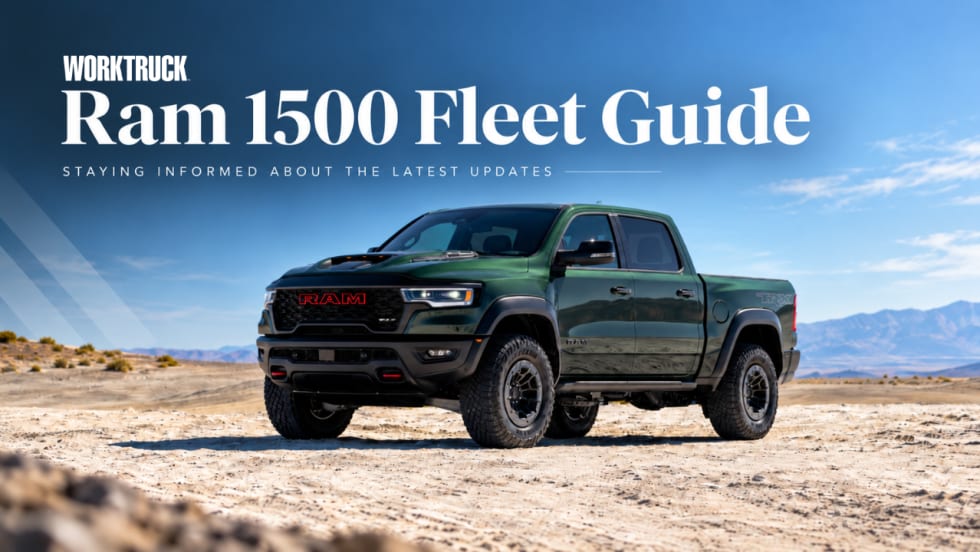
Ram 1500 Fleet Guide Specs, Capability and 2027 Model-Year Updates
Explore always up-to-date Ram 1500 fleet specs, engines, towing and payload capability, configurations, technology, pricing updates, and model-year changes.
Read More →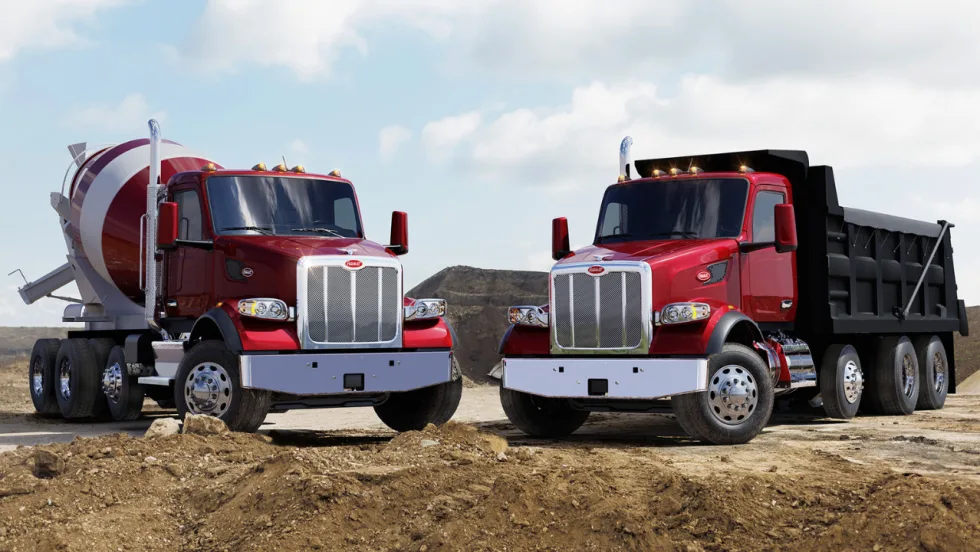
Peterbilt Trucks Equipped with Paccar TX-18 Pro Boost Efficiency for Maryland Fleet
Patuxent Companies is replacing aging trucks with the Peterbilt Model 567 and Model 589, specified with the Paccar TX-18 Pro 18-speed automated transmissions, and is reporting an 8% to 10% improvement in fuel economy.
Read More →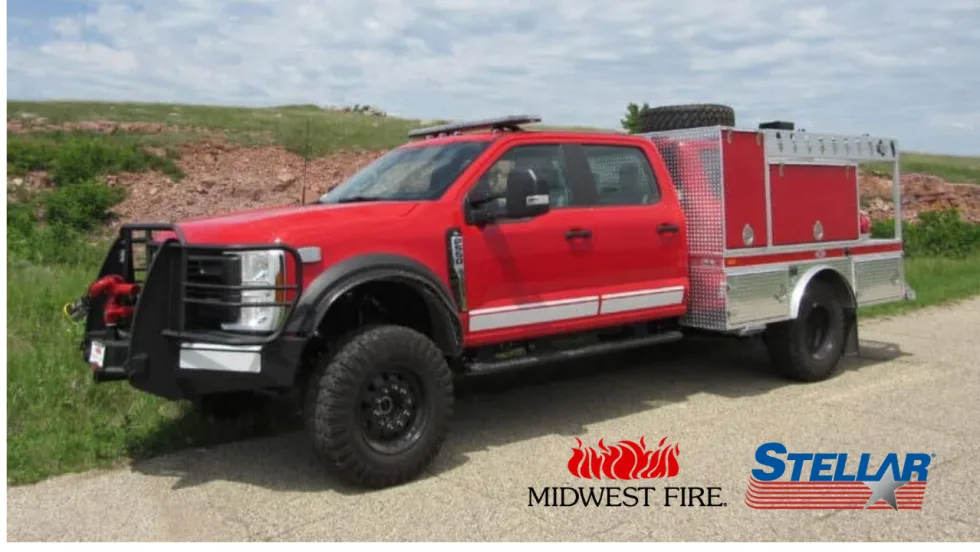
Stellar Expands into Fire Apparatus Market with Acquisition of Midwest Fire
Stellar Industries has acquired Midwest Fire, a custom fire apparatus manufacturer headquartered in Luverne, Minnesota, with nearly four decades of specialized apparatus experience.
Read More →