




4 More Yokohama Commercial Tires Earn EPA SmartWay Verification
FULLERTON, CA - Four more Yokohama Tire Corporation commercial truck tires have been added to the U.S. Environmental Protection Agency's (EPA) SmartWay list of verified technologies for tires.
FULLERTON, CA - Four more Yokohama Tire Corporation commercial truck tires have been added to the U.S. Environmental Protection Agency's (EPA) SmartWay list of verified technologies for tires. This brings the number to seven of Yokohama products that are recognized as SmartWay "low rolling resistance tires."
SmartWay Transport, a collaboration between the EPA and the freight sector, is designed to improve energy efficiency and energy scrutiny, and reduce greenhouse gas and air pollutant emissions.
The Yokohama commercial tires receiving SmartWay status are the 101ZL and 103ZR steer tires, RY587 trailer tires, and the TY517MC2 drive tires. These tires meet the SmartWay program's stringent verified low rolling resistance criteria because they run cooler and help reduce fuel consumption, which cuts costs and benefits the environment.
The 101ZL and 103ZR steer tires are both part of Yokohama Tire's Zenvironment line, which consists of ultra high-tech truck tires that last longer and are more fuel efficient. The 103ZR, at 23/32, is the deepest SmartWay-verified tire. The RY587, which offers premium performance for long-haul trailer applications, delivers a combination of long, even original tread mileage, lower fuel consumption and outstanding durability. The TY517MC2 delivers outstanding traction, long even wear and superior durability while also providing excellent low rolling resistance.
All Yokohama's SmartWay-verified tires, as well as its full Zenvironment line, will be on display in booth number 14124 at the upcoming Mid-America Trucking Show, March 25-27 at the Kentucky Expo Center, Louisville, Ky.
"This recognition from the EPA SmartWay program is proof that our technologically-advanced tires help save fuel and protect the environment," said Takao Oishi, Yokohama president and CEO. "We are proud to be recognized by the EPA for our environmental initiatives, and we look forward to being part of the SmartWay program for years to come."
This is the second SmartWay recognition Yokohama Commercial tires have earned in just over a year: In January 2009, Yokohama's RY617TM steer tire, 703ZL drive tire and RY587MC2 trailer tire became the first three tires for the company to be named "verified low rolling resistance tires," approved for use on SmartWay-certified trucks.
Additionally in 2009, Yokohama was named a Partner in the program, with status in the "shippers" category, meaning the company ships more than 50 percent of its products on SmartWay-designated transport carriers.
According to the EPA, Yokohama's freight efforts will contribute to the goal of eliminating 33 to 66 million metric tons of carbon dioxide and up to 200,000 tons of nitrogen oxide per year by 2012. Carbon dioxide is the most common greenhouse gas, and nitrogen oxide is an air pollutant that contributes to smog.
Launched in 2004, the EPA's SmartWay program identifies products and services that reduce transportation-related emissions, resulting in significant air quality and/or greenhouse gas improvements while maintaining or improving current levels of other emissions and/or pollutants.
The EPA says companies that participate in SmartWay Transport programs save money, reduce fuel consumption and are recognized for their social responsibility and leadership.
For more information about the SmartWay program, visit https://www.epa.gov/smartway
More Operations

What Does a Potato Have to Do with Leadership?
From simple process improvements and creative problem-solving to the little moments that strengthen team culture, this conversation dives into the power of unexpected ideas and why innovation doesn't always arrive wrapped in new technology or a major initiative.
Read More →
Looking for a New Podcast for the Road? Start Here!
Looking for a new podcast? Truck Chat delivers fleet leadership insights, industry deep dives, AI discussions, innovations, and real-world stories.
Read More →
Did You Know What You Don't See May Be Costing You Big?
As more employees choose personal vehicles (including hybrids and EVs) for business use, companies face new challenges around visibility, insurance, liability, and cost control.
Read More →
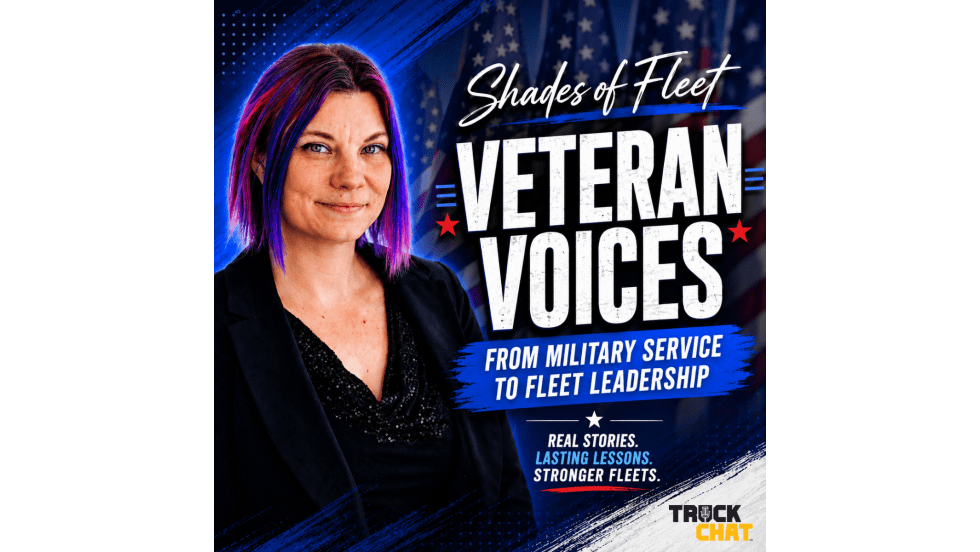
Veteran Voices in Fleet | How Military Service Shapes Fleet Leaders
Across every perspective, one message is clear: the experiences gained through military service continue to influence how veterans contribute to the fleet industry every day.
Read More →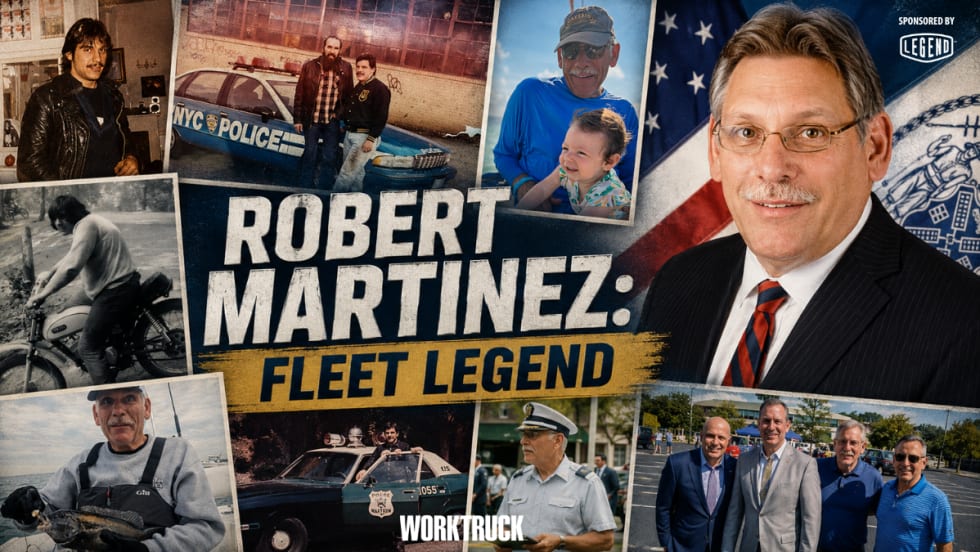
The Fleet Lessons That Don’t Show Up on a Spreadsheet
From index cards to predictive maintenance, Robert Martinez shares the hard-earned leadership lessons that shaped nearly 40 years in fleet.
Read More →
People, Leadership & the Skilled Trades Opportunity | Weekly Cheat Sheet
People, data, leadership, and the skilled trades opportunity. See what's shaping fleets today in this week's Truck Chat Weekly Cheat Sheet.
Read More →
Everyone Thinks They’re a Fleet Manager
From oil changes to procurement decisions, fleet work is often underestimated by the very people who depend on it most. Bob Stanton makes the case for why communication, not just technical expertise, is one of the most important leadership skills in fleet.
Read More →
Turning Connected Vehicle Data Into Decisions That Matter
Fleet leaders have more data than ever, but turning that data into clear, actionable decisions remains a challenge. This white paper shows how leading organizations are using connected vehicle data to improve safety, reduce costs, and optimize fleet performance. Learn how to turn insight into action across your fleet.
Read More →
From Military Service to Fleet Leadership | Shades of Fleet
Military service ends, but the lessons don't. Hear how veterans are shaping fleet leadership through adaptability, teamwork, and mission-driven thinking.
Read More →
Are You Tracking Your Fleet's True Total Cost of Ownership?
Bobit Business Media surveyed 190 fleet professionals and found that while most fleets are tracking costs, fragmented systems and data gaps are keeping true TCO visibility out of reach. With rising pressure to control spend in an increasingly volatile environment, the gap between what fleets think they know and what the data actually shows is wider than you might expect. See how your peers are managing costs today and where the industry still has room to improve.
Read More →