




PennDOT: Time to Check Vehicles, Pack Emergency Kit
HARRISBURG, PA - With temperatures and wind chills hovering in the teens or lower in Pennsylvania, PennDOT Secretary Allen D. Biehler this week urged motorists to be sure that vehicles are properly serviced and contain a well-stocked emergency kit.
HARRISBURG, PA - With temperatures and wind chills hovering in the teens or lower in Pennsylvania, PennDOT Secretary Allen D. Biehler this week urged motorists to be sure that vehicles are properly serviced and contain a well-stocked emergency kit.
"One of the biggest risks that a driver can take is to venture out during the winter months without ensuring that their vehicle is properly prepared for the rigors of winter driving," Biehler said. "It takes less than 10 minutes to do a quick 'winter-ready' inspection of a vehicle and pack an emergency kit -- two simple steps that will help keep drivers safe this winter."
To perform a "winter-ready" inspection on a vehicle, the Pennsylvania Department of Transportation recommends the following:
Check that fluid levels are full
Make sure wipers do not streak; consider installing winter wiper blades
Ensure that the heater and defroster work properly
Make sure the vehicle's radio is working properly so the driver can receive weather and traffic reports
Make sure all lights are working
Check to be sure all tires are properly inflated and have sufficient tread depth. A quick way to check tread depth is to insert a penny in the tread groove with Lincoln's head upside down. If you can see the entire head, your tires will not provide safe traction in ice, rain and snow.
If the vehicle is driven in an area prone to heavy snow, consider using dedicated snow tires on the vehicle or carry a set of tire chains. At a minimum, all-weather tires should be mud and snow rated.
Look for evidence of fluid leaks. If found, contact a mechanic immediately.
[PAGEBREAK]
PennDOT also urges motorists to pack a winter emergency kit for each vehicle that they drive. According to PennDOT, the emergency kit should contain at a minimum:
Flashlight and batteries
Battery-operated radio
Jumper cables
Extra cell phone batteries and charger
Snow shovel
Matches and candles
First-aid supplies
Extra warm clothing, gloves and boots
Blanket
Ice scraper
Sand
Bottled water
Non-perishable food
Anything else you may need to accommodate passengers (special medication, baby supplies, pet food, etc.).
Pennsylvania motorists can create their own personalized checklists with the template provided online at www.dot.state.pa.us/Winter, PennDOT's winter website. More winter driving tips and information on how PennDOT treats winter storms are also available on this Web site.
"We want all motorists to be ready, be wise and be safe this winter season," Biehler said. "That includes using good judgment about whether it is necessary to travel when weather conditions are poor."
When preparing for winter travel, Pennsylvania drivers can check road conditions on more than 2,900 miles of state roads by calling 511 or visiting www.511PA.com. 511PA, which is free and available 24 hours a day, provides traffic delay warnings, weather forecasts, average traffic speeds on urban interstates and access to more than 500 traffic cameras. The 511 site also provides color-coded winter road conditions for all interstates and other routes covered in the 511 reporting network. Regional Twitter alerts are also available on the 511PA Web site.
Originally posted on Automotive Fleet
More Safety & Compliance
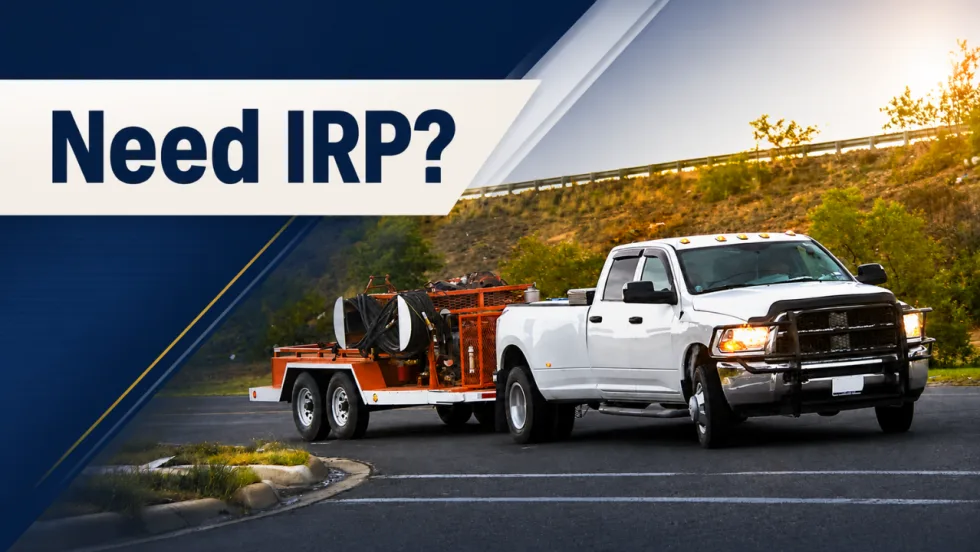
When Work Trucks Under 26,001 Pounds Need IRP Registration
Think trucks under 26,001 pounds are automatically in the clear when it comes to IRP? Not always. Learn where lighter vehicles can still run into trip permit, apportioned registration, and IFTA compliance requirements when crossing state or provincial lines.
Read More →
Volvo Trucks Releases New Safety Recommendations for Traveling with Pets
One of the most important recommendations for professional drivers traveling with pets is to ensure pets are properly restrained while the truck is moving. Other tips are available in the new guide from Volvo Trucks North America and Center for Pet Safety.
Read More →
API Issues Refueling Safety Guidelines
The American Petroleum Institute offers a list of safe vehicle refueling guidelines, including ways to avoid potential problems with static electricity discharges in fall, winter, and early spring.
Read More →

Winter Fleet Prep: Expert Tips to Keep Vehicles Running Smoothly
Cold weather can expose weak batteries, tires, fuel systems, and maintenance gaps fast. Use this winter fleet checklist to prepare trucks and drivers before temperatures drop.
Read More →
When a Work Truck Breaks Down, the Job Can Stop, Too
A work truck breakdown can stop more than the vehicle. Discover how payloads, jobsites, and specialty equipment change the roadside response.
Read More →
What Stronger Long-Term Fleet Service Partnerships Actually Require
Fleet service partnerships rarely fall apart all at once. Learn the three warning signs that trust is eroding and what fleets and providers can do before downtime, frustration, and lost revenue follow.
Read More →
Applause & TRUCE Software Partner to Improve Driver Safety Through AI-Powered Telematics & Employee Performance Management
Applause has integrated TRUCE driving metrics directly into its employee-first performance and safety platform that transforms mobile devices into AI-powered telematics.
Read More →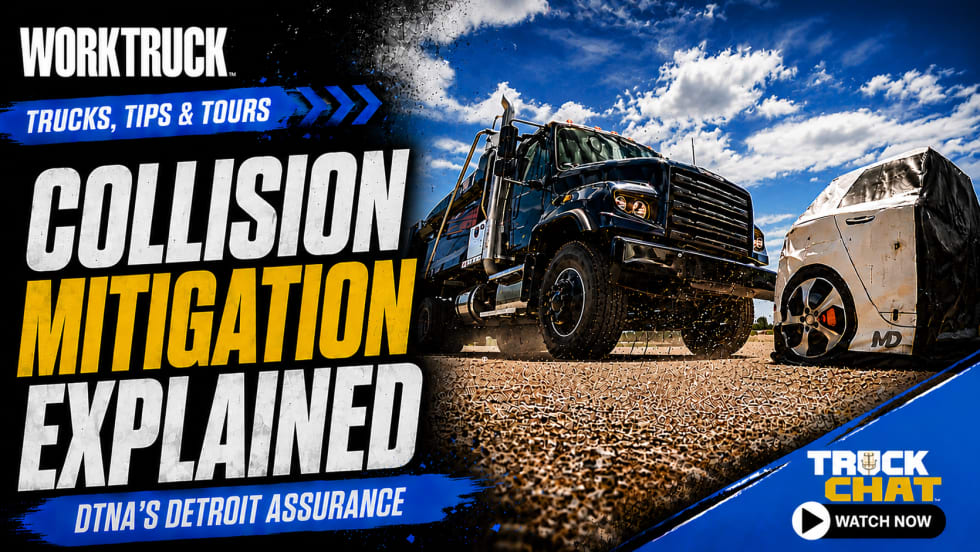
How Detroit Assurance with Active Brake Assist Works
Do you want to see what it is like to experience Detroit Assurance’s Active Brake Assist? In this video, Work Truck will put you in the cab to see how it all works and then hear more details from DTNA’s Mike Young.
Read More →
Get Left of Loss: A 5-Step Workplace Violence Prevention Framework for Fleet Operators
Violence risks do not stop at the driver’s door. Learn five practical steps fleets can take to spot threats early and protect workers before loss occurs.
Read More →
How Better Visibility Cut Speeding Violations by 48%
Fleet leaders don't need more data, they need clearer visibility into what the data is saying. This case study explores how one utility replaced speeding-event counts with a single metric — miles driven in violation — to strengthen safety and significantly reduce speeding violations.
Read More →