




Accident Management Costs Hold Steady
The average fleet claim severity for 2006 was $1,869.87, an increase of $48.81 over 2004. Also experiencing a slight increase in 2006 was the percent of accidents deemed preventable.

Photo: Work Truck
Accident management costs have seen only a slight increase over the past three years. In 2006, the average severity of a fleet claim was $1,869.87, an increase of less than 3 percent over 2004. (The accident management term “severity” is defined as the total dollars a company spends on the repair of a vehicle, including the cost of labor and parts, excluding the cost of a replacement vehicle.)
Factors influencing severity costs in 2006 include:
Increased cost in paint and materials.
Electronics usage in vehicles.
New technology.
Safety systems such as airbags and seat belt retractors.
The high cost of fuel.
“From our experience, it appears that accident management costs increased in 2006, not only due to the complexity of the vehicles on the road, but also the need to review the associated damages,” said Tom Lipcsik, claims manager, Fleet Response. “These items also require additional equipment and training to determine the direct damage and any potential related indirect damage to the vehicle.”
Technology: A Blessing or a Curse?
One factor driving the rise in costs is the dramatic increase in electronics, according to Pam Walinski, vice president, PHH Vehicle Accident Services. “Navigation systems, audio and DVD systems in mid- to high-end cars, these must be purchased new and cannot be sourced through recyclers or the aftermarket suppliers. This can significantly drive up the cost of a repair,” Walinski said.
As a result of greater vehicle complexity, additional time and equipment are necessary to evaluate damage.
“Vehicles need to be torn down more often to review the potential of hidden and indirect damage,” said Lipcsik. “Both physical and electronic review is needed to evaluate for damage or for required placement of electrical/ electronic devices. These are in addition to review and repair of engineered fail-safe items currently on the vehicles.”
As vehicles are built for greater safety, collision repair costs will rise. According to Walinski, “Rear bumpers that include a back-up sensor cost near double the cost for a single bumper repair.”
Vehicles have been improved to increase occupant safety, thus minimizing the potential of injury, according to Lipcsik. “These improvements come at a cost because vehicles now have components that are non-serviceable (i.e. airbag modules and sensors and seat belt retractors). Additionally, components such as structural glass and crumple zones require increased repair procedures to correct.”
According to Walinski, body shops in California are now forced to use waterborne paint systems, a new technology. “In the short-term, new paint and mixing systems need to be purchased and in place by Jan. 1, 2008. Also, paint booths must be upfitted with additional equipment, which is another expense that will be passed on to the end customer. As a result of EPA issues, paint and chemical costs continue to escalate.”
Safety features such as back-up sensors and cameras, curb sensors, and lane shift sensors can be effective in reducing accidents, but if the vehicle is involved in a collision, the repair costs will be higher than average.
However, according to Walinski, “PHH clients who have installed onboard telematics in their vehicles are starting to achieve a reduction in the number and severity of the collisions in their fleets. One reason for this is drivers are more careful not to speed.”
Hybrids Increase in Numbers and Increase Costs
According to John Wolford, senior manager, provider network services for CEI, the use of hybrid vehicles is gaining acceptance in commercial fleets.
“This was considered a novelty just a couple of years ago and is becoming more commonplace as the ‘green’ movement continues to gain momentum,” he said.
In addition, increased fuel costs are driving the need for more efficient vehicles that deliver higher miles per gallon. Hybrids, however, impact accident costs.
“We’ve found with hybrid vehicles, if they are hit in the left front — where the electric motor is — we’re experiencing larger supplements even after the tear-down,” said Greg Neuman, quality control supervisor and senior staff appraiser, CEI.
Another issue Neuman noted is that body shops don’t typically directly work on hybrids; they sublet them to the dealer. “This, of course, adds to cost, downtime, and sometimes supplements from the dealer for additional labor or parts,” he said.
Recently, CEI handled a hybrid repair where it was actually in everyone’s best interest to let the manufacturer repair some specific hybrid-related technology. “It will take nondealer-affiliated shop industry has used plastics in lieu of metals on an increasing basis over the past few years,” said Wolford. “Plastics, of course, require petroleum, hence higher parts prices. Also, the cost of transportation related to delivering parts has increased with the fuel cost increases.”
Proof of Damage a Hot Topic
A hot topic in subrogation over the past year has been the ability to prove damages, according to Chris Villella, senior manager loss recovery and insurance services, CEI.
“In 2007, there’s been an increased need to prove our damages to the third-party insurance carriers,” Villella said. “As the insurance industry continues to experience a soft market, they are looking at all areas to increase revenues and cut expenses.”
This trend has a direct impact on subrogation efforts as insurance companies continue to require more evidence in subrogation demands.
“In recent months, the estimate, final bill, and proof of payment is often not enough proof, especially when a claim involves high-tech equipment,” said Villella.
Because many technologies used in vehicles currently are still in their developmental infancy, issues with the reparability of these systems can impact recovery efforts. In striving for improved cycle time and recovery percentages for CEI customers, the introduction of new subrogation recovery software continues to gain importance.
Diminished values remain an issue in subrogation efforts. “Subrogation recovery has not expanded to include recovery of a vehicle’s ‘diminished value.’ In fact, insurers reject these claims, and some states have even ruled that this is not an insurable portion of claims under policies offered,” said Wayne Smolda, CEO and founder of CEI. “This does not necessarily mean a third-party claimant can’t sue to recover this portion of a loss.”
Trends in Proactive Fleet Management
Accident avoidance is a new goal for most U.S. fleets. “More and more fleet managers are putting their focus on accident avoidance,” said Walinski. “We’ve found that the critical element to successfully implementing new safety and risk strategies is gaining buy-in from senior-level management in the organization and development of a ‘culture of safety’ — embedding an awareness and commitment to safety within an organization’s culture.”
Process improvement can also play a role in reducing collision costs. “At PHH, we’re helping our clients reduce repair costs through key process improvements that decrease the overall cycle time to repair vehicles,” said Walinski. “It’s important to focus not just on the bent-metal costs, but on total accident-related costs. Over the past year, we have been successful in identifying key process improvements that reduce total rental and appraisal costs.”
Fleet Response serves clients with business units, divisions, and special teams that maintain a close watch over drivers. “As a result of an increased awareness and the utilization of a fleet program and policy content to manage the drivers, much-improved hiring, assignment, training, follow-up, and counseling of drivers is now generating a reduction in the frequency of motor vehicle accidents,” said Dave Vance, director of safety services, Fleet Response. “This process can be monitored for success, weakness, and driver improvements.”
In addition to MVR checks, fleet managers have begun focusing on driver attitude and behavior — not solely on driving history.
“With the increased use of onboard telematics in fleet vehicles, monitoring speed and other behaviors, fleet managers now get real-time insight on how vehicles are being driven,” said Walinski.
This trend toward a more comprehensive approach includes proactive identification of high-risk drivers, including newly developed predictive monitoring capabilities, supported by effective countermeasures.
“By assisting the driver through focused action plans, fleets can reduce the number of claims thus reducing the overall cost associated with repairs for the entire fleet,” added Vance.
Additional Factors
Additional factors influencing accident management and costs include:
Advanced front or third-generation airbags are being phased into new model vehicles.
Increased labor rates to ensure highest level of qualified technicians in turn increase repair costs.
Decisions not to repair “cosmetic-only” damages are being made to control accident management costs.
More safety systems on medium- and heavy-duty trucks are increasing.
Increased total losses among self-insured fleets continue to affect fleets, “bottom line.”
Trend of more paintless dent-repair (PDR) performed due to growing expansion of competitors and more body shops adding this service.
Heightened awareness of drivers with multiple accidents by fleet management.
Originally posted on Automotive Fleet
More Safety

J. J. Keller Safety Professional of the Year Awards Nominations Now Open
J. J. Keller & Associates is accepting nominations for the 2026 J. J. Keller Safety Professional of the Year (SPOTY) Awards. Winners will receive prize packages valued at up to $47,200.
Read More →
ASE Aligns Automotive Service Professionals Month With Spring and Fall Vehicle Maintenance Campaigns
ASE will move Automotive Service Professionals Month to April and October beginning in 2026-2027, aligning recognition with Car Care Month events.
Read More →
Turning Connected Vehicle Data Into Decisions That Matter
Fleet leaders have more data than ever, but turning that data into clear, actionable decisions remains a challenge. This white paper shows how leading organizations are using connected vehicle data to improve safety, reduce costs, and optimize fleet performance. Learn how to turn insight into action across your fleet.
Read More →
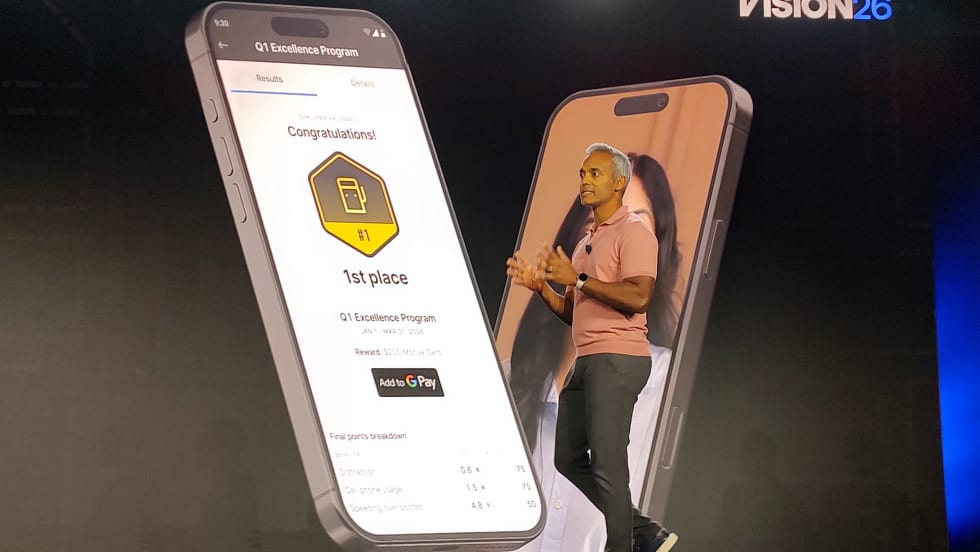
Driver Retention: Motive Automates Driver Coaching & Driver Rewards
New automated rewards and recognition capabilities from Motive can help organizations engage drivers, reinforce positive behavior, and reduce turnover. AI Coach has also been updated to deliver personalized feedback across safety, fuel, and compliance.
Read More →
Experts Forecast Broader Impact of Wildfires in 2026
This year’s wildfire season will likely be more intense than in 2025. The 2026 wildfire forecast from AccuWeather is for fewer fires, but even more acreage will be impacted this year.
Read More →
A Walkthrough of the DataQs Process
Bad data on your carrier record can cost you. Here’s how DataQs helps fleets challenge errors before they hit CSA scores, insurance, and your bottom line.
Read More →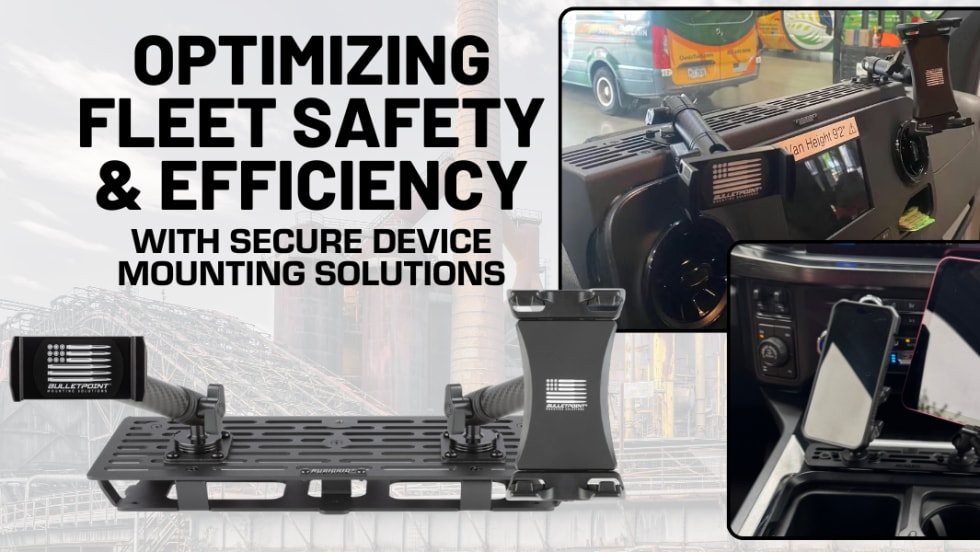
Optimizing Fleet Safety with Secure Device Integration
Unsecured devices are a hidden liability. Learn how precision-engineered mounting solutions enhance driver safety, streamline workflows and protect your technology.
Read More →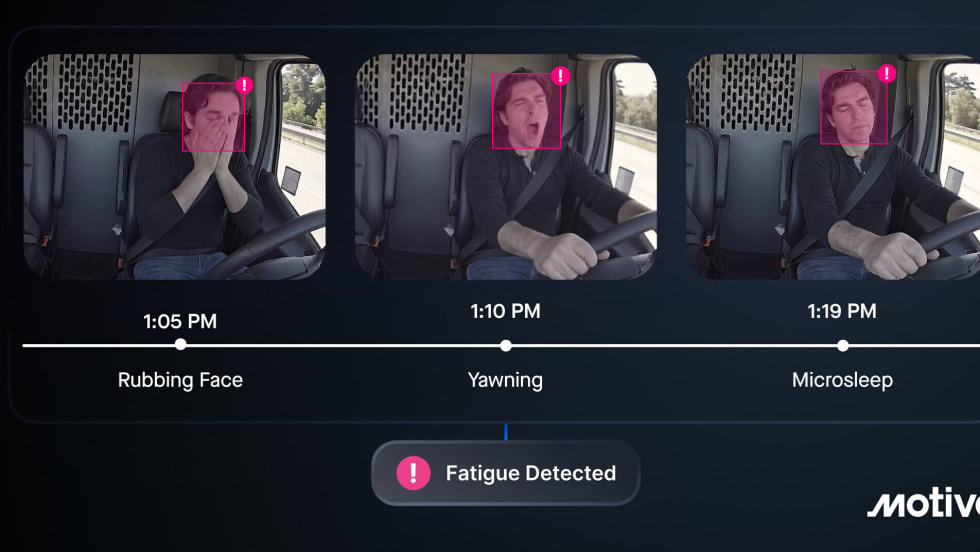
Motive Launches New Edge AI Capabilities to Help Prevent Collisions and Capture Critical Incidents in Real-Time
New AI models from Motive can detect signs of fatigue and eating, plus capture low-severity collisions often missed by telematics.
Read More →
Pro-Vision Acquires Convoy Technologies to Expand Fleet Safety and Video Solutions
Pro-Vision has acquired Convoy Technologies in a deal it said will broaden customer relationships and add specialized vehicle video capabilities for commercial fleets.
Read More →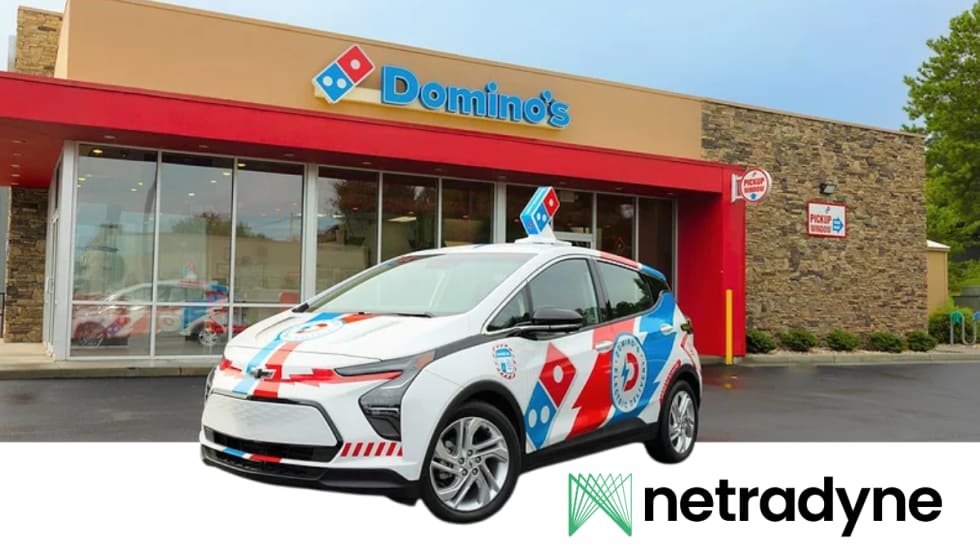
Netradyne Delivers 66% Reduction in At-Fault Crashes Across Domino's Franchise Network
Five Domino's franchises and more than 1,000 vehicles are now running on Netradyne's AI-powered fleet safety and performance platform. Designed for fleets that use personal or non-owned vehicles, FlexMount allows drivers to quickly install and remove Driver-i.
Read More →