




USDOT Proposes Rule to Prevent Rollover Crashes for Large Trucks
WASHINGTON – The U.S. Department of Transportation’s National Highway Traffic Safety Administration (NHTSA) proposed a new federal motor vehicle safety standard to require electronic stability control (ESC) systems on large commercial trucks.
WASHINGTON – The U.S. Department of Transportation’s National Highway Traffic Safety Administration (NHTSA) proposed a new federal motor vehicle safety standard to require electronic stability control (ESC) systems on large commercial trucks, motorcoaches, and other large buses. Agency research shows the technology could prevent up to 56 percent of rollover crashes each year—the deadliest among all crash types—and another 14 percent of loss-of-control crashes.
An extensive NHTSA research program to determine how available stability control technologies affect crashes involving commercial vehicles found ESC systems to be the most effective tool for reducing the propensity for heavy vehicles to rollover or lose control. With sensors that monitor vehicle movement and steering, ESC can help mitigate rollover incidents by using automatic computer-controlled braking, and also aid the driver in addressing severe understeer or oversteer conditions that can lead to loss of control. NHTSA estimates that a standard requiring ESC on the nation’s large trucks and large buses would prevent up to 2,329 crashes, eliminate an estimated 649 to 858 injuries, and prevent between 49 and 60 fatalities a year.
“We’ve already seen how effective stability control can be at reducing rollovers in passenger vehicles—the ability for this type of technology to save lives is one reason it is required on cars and light-duty trucks beginning with model year 2012,” said NHTSA Administrator David Strickland. “Now, we’re expanding our efforts to require stability enhancing technology on the many large trucks, motorcoaches, and other large buses on our roadways.”
While many truck tractors and large buses can currently be ordered with this technology, the proposed standard would require ESC systems as standard equipment on these types of vehicles. As proposed, the rule would take effect between two and four years after the standard is finalized, depending on the type of vehicle.
The agency’s Notice of Proposed Rulemaking is being published in the Federal Register and members of the public will have the opportunity to comment on the proposal for 90 days. NHTSA will also hold a public hearing on the proposed safety standard to solicit further public comment—the date and location of that hearing will be published in the coming weeks.
View the proposed new safety standard for large trucks and buses
More Safety
J. J. Keller Safety Professional of the Year Awards Nominations Now Open
J. J. Keller & Associates is accepting nominations for the 2026 J. J. Keller Safety Professional of the Year (SPOTY) Awards. Winners will receive prize packages valued at up to $47,200.
Read More →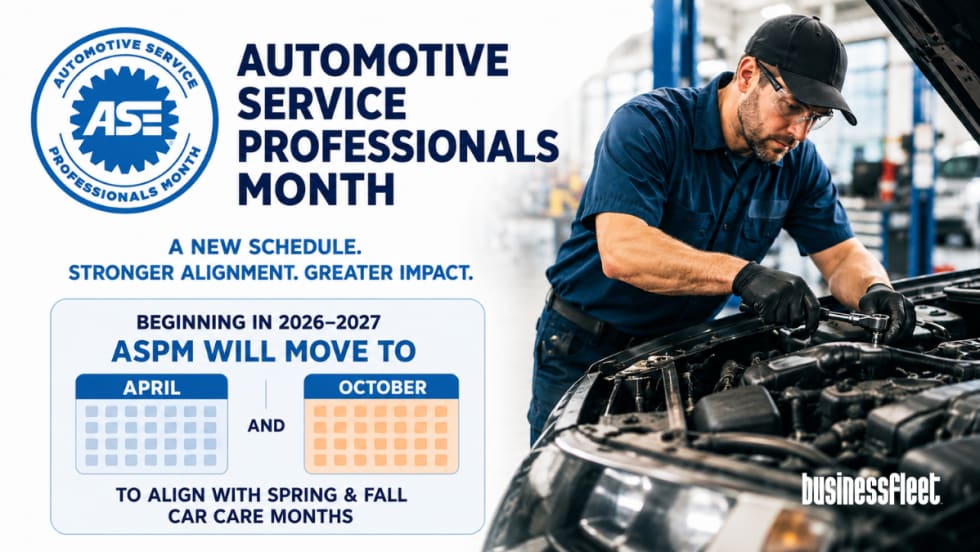
ASE Aligns Automotive Service Professionals Month With Spring and Fall Vehicle Maintenance Campaigns
ASE will move Automotive Service Professionals Month to April and October beginning in 2026-2027, aligning recognition with Car Care Month events.
Read More →
Turning Connected Vehicle Data Into Decisions That Matter
Fleet leaders have more data than ever, but turning that data into clear, actionable decisions remains a challenge. This white paper shows how leading organizations are using connected vehicle data to improve safety, reduce costs, and optimize fleet performance. Learn how to turn insight into action across your fleet.
Read More →

Driver Retention: Motive Automates Driver Coaching & Driver Rewards
New automated rewards and recognition capabilities from Motive can help organizations engage drivers, reinforce positive behavior, and reduce turnover. AI Coach has also been updated to deliver personalized feedback across safety, fuel, and compliance.
Read More →
Experts Forecast Broader Impact of Wildfires in 2026
This year’s wildfire season will likely be more intense than in 2025. The 2026 wildfire forecast from AccuWeather is for fewer fires, but even more acreage will be impacted this year.
Read More →
A Walkthrough of the DataQs Process
Bad data on your carrier record can cost you. Here’s how DataQs helps fleets challenge errors before they hit CSA scores, insurance, and your bottom line.
Read More →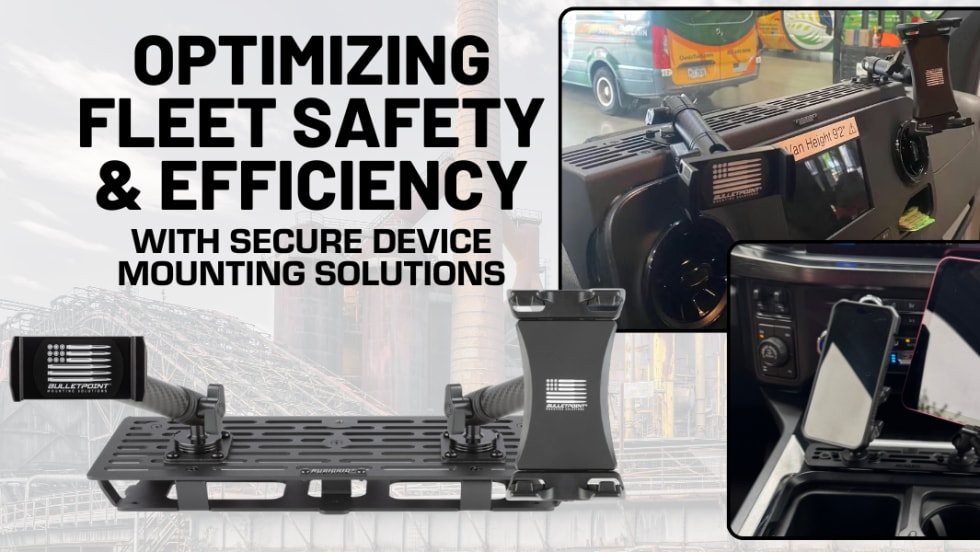
Optimizing Fleet Safety with Secure Device Integration
Unsecured devices are a hidden liability. Learn how precision-engineered mounting solutions enhance driver safety, streamline workflows and protect your technology.
Read More →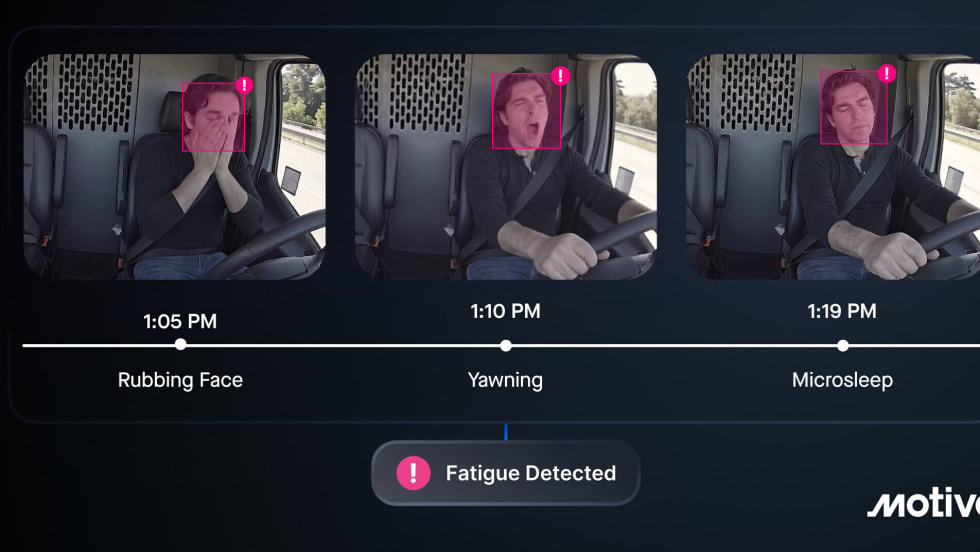
Motive Launches New Edge AI Capabilities to Help Prevent Collisions and Capture Critical Incidents in Real-Time
New AI models from Motive can detect signs of fatigue and eating, plus capture low-severity collisions often missed by telematics.
Read More →
Pro-Vision Acquires Convoy Technologies to Expand Fleet Safety and Video Solutions
Pro-Vision has acquired Convoy Technologies in a deal it said will broaden customer relationships and add specialized vehicle video capabilities for commercial fleets.
Read More →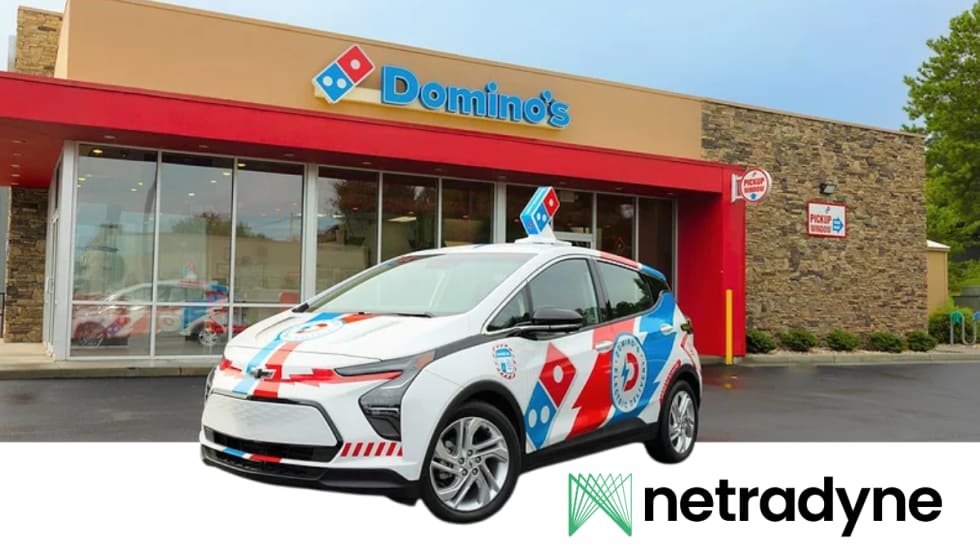
Netradyne Delivers 66% Reduction in At-Fault Crashes Across Domino's Franchise Network
Five Domino's franchises and more than 1,000 vehicles are now running on Netradyne's AI-powered fleet safety and performance platform. Designed for fleets that use personal or non-owned vehicles, FlexMount allows drivers to quickly install and remove Driver-i.
Read More →