




Turning Fleet Telematics into Profit
When used properly as a positive addition to technology, fleet telematics implementation can be a tool for driving cost savings and increasing employee productivity, bringing in more money for everyone.
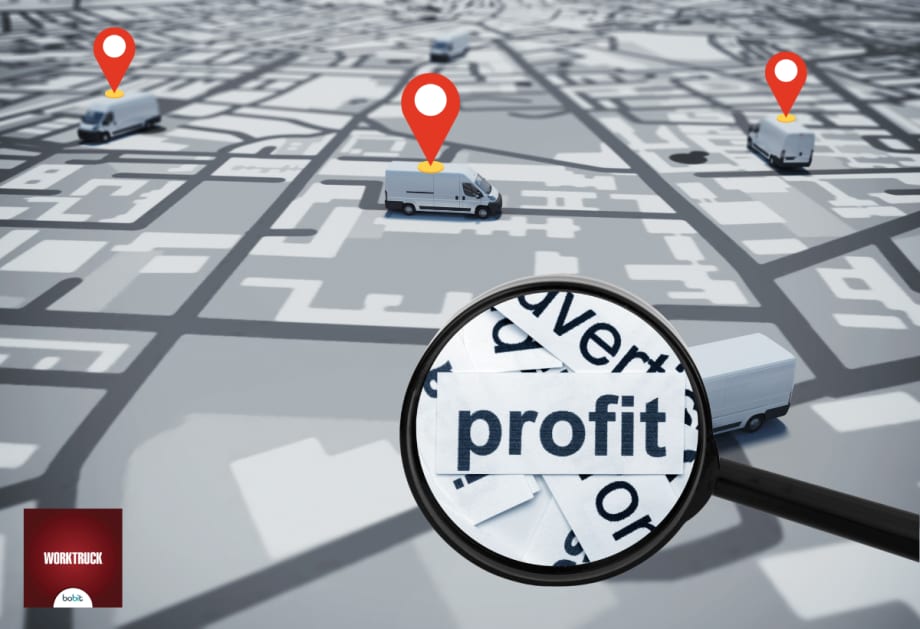
Turning telematics into a profit isn't a difficult task with the right tools and effort.
Photo: Work Truck
The latest fleet industry buzzword, telematics, is the convergence of telecommunications and information processing. The term telematics has evolved to include vehicle automation, such as emergency warning systems and wireless safety communications, and global positioning system (GPS) navigation.
Many fleets take advantage of the convenience features offered by most telematics carriers to improve employee accountability and productivity while decreasing fleet costs. To help achieve these goals, vehicle telematics systems provide an assortment of data, enabling fleet managers to set customized parameters, including, but not limited to, fuel transaction monitoring, stolen vehicle location, GPS navigation and routing capabilities, driver behavior and location monitoring, accident reporting and maintenance alerts, and organized timekeeping.
The experience of three diverse fleets illustrates the advantage and various use of telematics systems.
Telematics for Fleet Accountability
Industrial Fire & Safety Uses SageQuest Mobile Control Mickey Coughlin, VP, Industrial Fire & Safety, Inc., based in St. Petersburg, Fla., oversees a fleet of 26 Ford E-350 vans and 250 heavy-duty vehicles used for construction. In April 2005, she integrated SageQuest’s Mobile Control Solution into her fleet primarily to measure employee accountability. Coughlin wanted to monitor employee performance and driving behavior, measuring, for instance, job completion times, weekend accident rates, fuel transactions, and stolen-vehicle location.
With SageQuest’s Mobile Control Solution, Coughlin can determine which employees take advantage of employer-provided vehicle privileges.
“We maintain an honor system; however, some employees were abusing the system,” Coughlin said. “They would use their vehicles to pull boats, ruining the transmission and exposing us to insurance issues.”
The system calculates payroll and tracks exactly when employees clock in and out for work. Coughlin found that before system implementation, employees clocked in late and left a job early, while reporting a full day’s work. Now, she says, employees actually work a full day.
Coughlin can now also view real-time driver location, determine availability, and reroute the nearest driver to a job using navigation software. “With the system, I can set parameters and it alerts me when a driver violates those parameters; for instance, speed, idle time, and location boundaries,” Coughlin said. “It’s a good passive management tool that doesn’t require me to say a thing.”
Butterfield Lumber Routes with GPS Insight
Jerry Lundberg, operations manager, Butterfield Lumber, based in Salt Lake City, oversees a total fleet of 21 pickup trucks and 18-wheelers. He uses GPS Insight for tracking and routing capabilities.
“I use the system to improve efficiency. It delivers a 90-mile radius of real-time vehicle tracking,” Lundberg said.
Through GPS Insight, Lundberg can monitor driver speed and idle time. He has reduced idle times from 48 percent to 23 percent.
“Drivers were a little apprehensive about the system at first. I set up geofences to measure irregularities between time and distance that allows me to verify the driver's travel time from one location to another."
Gem Plumbing Equips Fleet with @Road
In addition to overseeing a fleet of 180 GM, Ford, and Mitsubishi vehicles, from box trucks to vans, Larry Gemma, president of Gem Plumbing, based in Lincoln, R.I., is responsible for operations, inventory, and the Gem University employee training program. Servicing most of New England, Gemma implemented @Road’s GeoManager program in 2000 to help control the increasing fuel and labor costs.
Gemma can customize the @Road GeoManager program to monitor vehicle location and use, receive maintenance alerts, more effectively route plumbers and technicians, wirelessly send invoices to his office, verify accident reporting, and take advantage of geofencing and timekeeping amenities.
“Telematics should be implemented as a positive addition to technology to drive cost savings, not a negative addition to technology used to reprimand an employee for taking a wrong turn or stopping at a store for 10 minutes,” Gemma said. “The amount of money I’ve saved is equal to double the cost of the program.”
Gemma can also integrate the system with GPS to obtain real-time traffic reports and reroute his drivers using a navigation system. He aims to reduce “windshield time” — the time an employee travels from one job to the next.
Before implementing @Road, fleet costs in terms of gross sales were 7.5 percent. Currently, fleet costs are down to 5.2 percent, says Gemma. In addition, on-time productivity increased from 52% to 61%.
However, despite increased productivity and decreased fleet costs, Gemma admits a stigma is associated with telematics use in fleets.
“Telematics is difficult for most owners to get over. You have to change the culture before implementing it. If in your company culture, people don’t want to be tracked, they get offended by the ‘big brother, theory and may end up leaving,” Gemma said. “We explained to employees our goal was to create efficiencies, which would increase company profits and allow us to pay our employees more money.”
Originally posted on Automotive Fleet
More Technology
AI Is Reshaping Fleet Management Faster Than Most Fleets Realize
Learn more about how AI, data, and operational intelligence are transforming fleet management, replacement planning, and the future of fleet operations.
Read More →
What is Motive Vision?
Motive Vision brings together fleet operators, safety leaders, and industry professionals to collaborate, share insights, and help shape the future of fleet technology. Learn why the Motive innovation summit continues to grow year after year.
Read More →
Motive Focuses on Integration & Automation as it Rolls Out New AI-Driven Systems & Hardware
Motive unveiled new AI-driven safety tools, systems, and hardware during its annual innovation summit. New launches included the Atlas AI assistant, Automations, AI Omnicam Plus, and updates to AI Dashcam Plus.
Read More →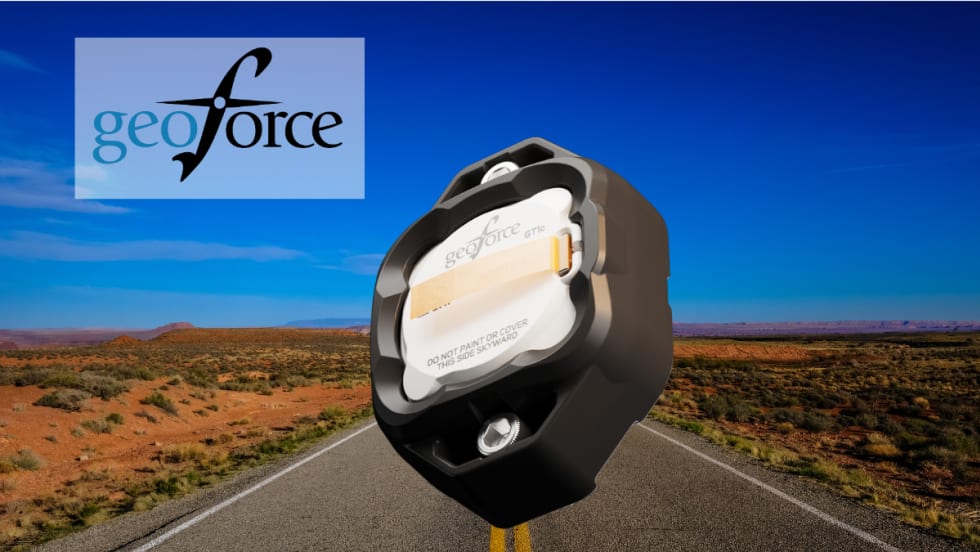
Geoforce Launches GT1c with AT&T Business for Rugged Cellular Asset Tracking
Geoforce, a global leader in rugged asset tracking, has launched the GT1c, which leverages cellular technology and has a more cost-effective, purpose-built design to enable rugged cellular equipment tracking at scale. The GT1c complements Geoforce's full range of satellite tracking devices.
Read More →
Lytx Expands All-In-One Fleet Platform Strategy With AI, Video, and Asset Tracking Updates
Lytx introduces LytxOne and expands its all-in-one ecosystem with AI insights, 360-degree visibility, and integrated asset tracking.
Read More →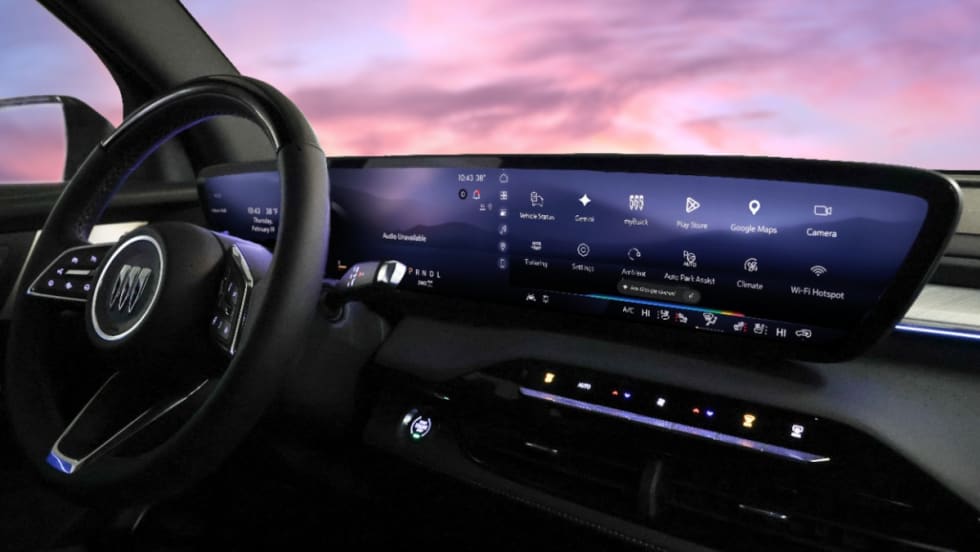
GM Brings Google Gemini to Millions of Vehicles
General Motors will roll out Google Gemini to model year 2022 and newer Cadillac, Chevrolet, Buick, and GMC vehicles with Google built in, meaning approximately 4 million vehicles will be eligible for the update.
Read More →
Fleetio Wins Innovations Showcase People’s Choice Award at NAFA’s 2026 I&E
Fleetio’s AI Service Advisor won the People’s Choice Award in the 2026 Innovations Showcase at the NAFA Fleet Management Association's 2026 Institute & Expo (I&E) this week.
Read More →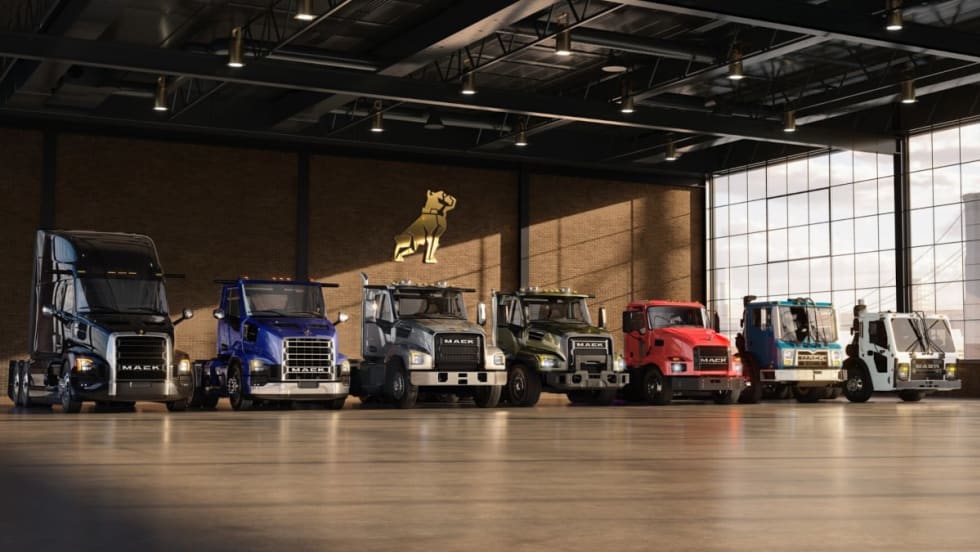
Mack Trucks’ Connected Services Platform Drives Measurable Uptime, Cost & Safety Results
Data from AutoSend Over-The-Air Updates, GuardDog Connect Predictive Uptime, and Tailored Service Contracts demonstrate how software and services are delivering real-world outcomes for Mack Trucks customers.
Read More →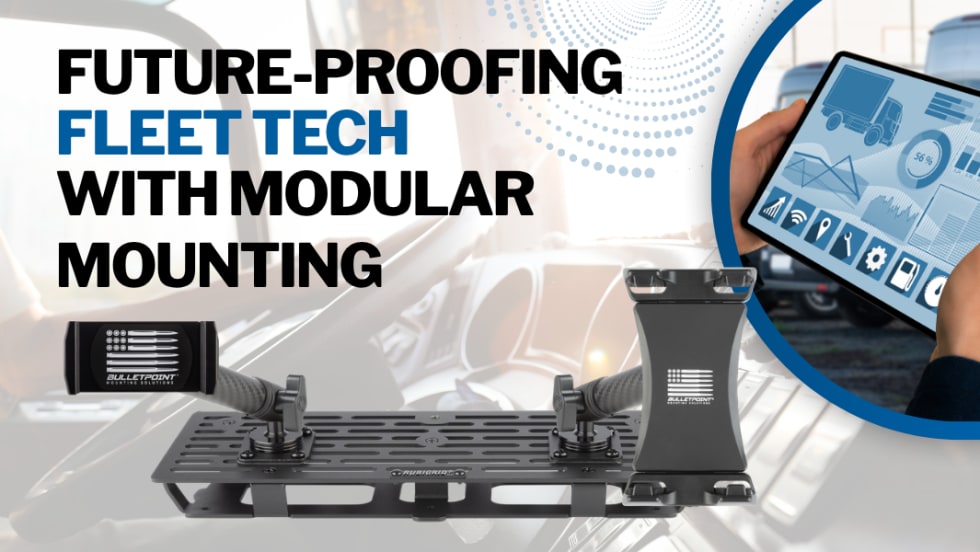
Future-Proofing Fleet Tech with Modular Mounting
Technology cycles move faster than vehicle rotations. Discover how modular mounting infrastructure protects your investment and reduces fleet-wide downtime.
Read More →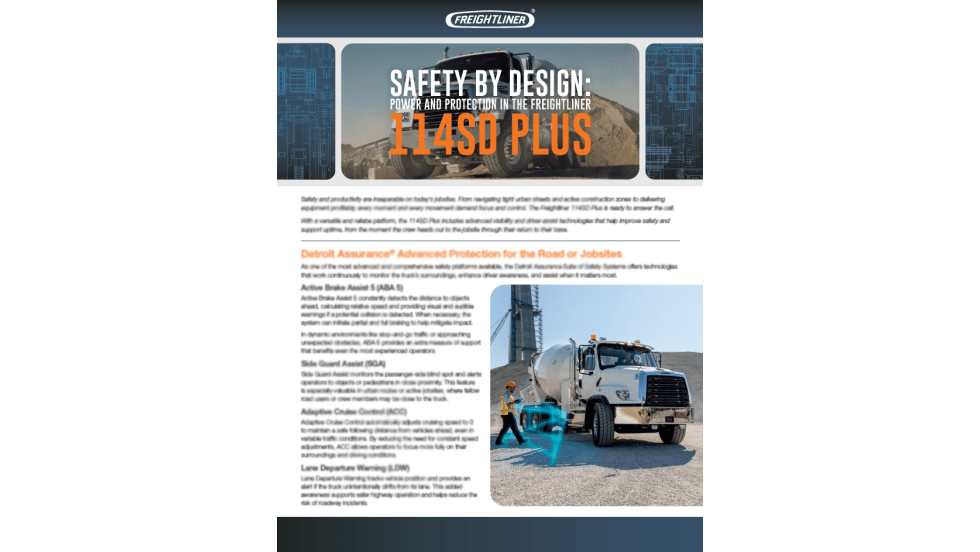
Improving Jobsite Safety and Uptime with Advanced Driver-Assist Technology
Safer crews. Fewer incidents. Better uptime. Learn how driver-assist technology is changing the way vocational fleets operate.
Read More →