

Videos
AI Is Reshaping Fleet Management Faster Than Most Fleets Realize
Learn more about how AI, data, and operational intelligence are transforming fleet management, replacement planning, and the future of fleet operations.
Read More → MENU
MENU SEARCH
Learn more about how AI, data, and operational intelligence are transforming fleet management, replacement planning, and the future of fleet operations.
Read More →
Lytx introduces LytxOne and expands its all-in-one ecosystem with AI insights, 360-degree visibility, and integrated asset tracking.
Read More →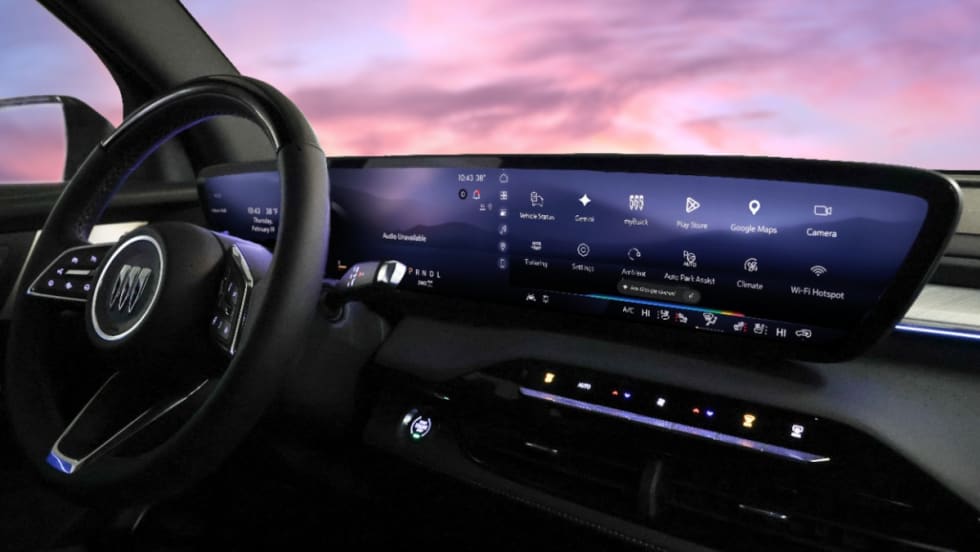
General Motors will roll out Google Gemini to model year 2022 and newer Cadillac, Chevrolet, Buick, and GMC vehicles with Google built in, meaning approximately 4 million vehicles will be eligible for the update.
Read More →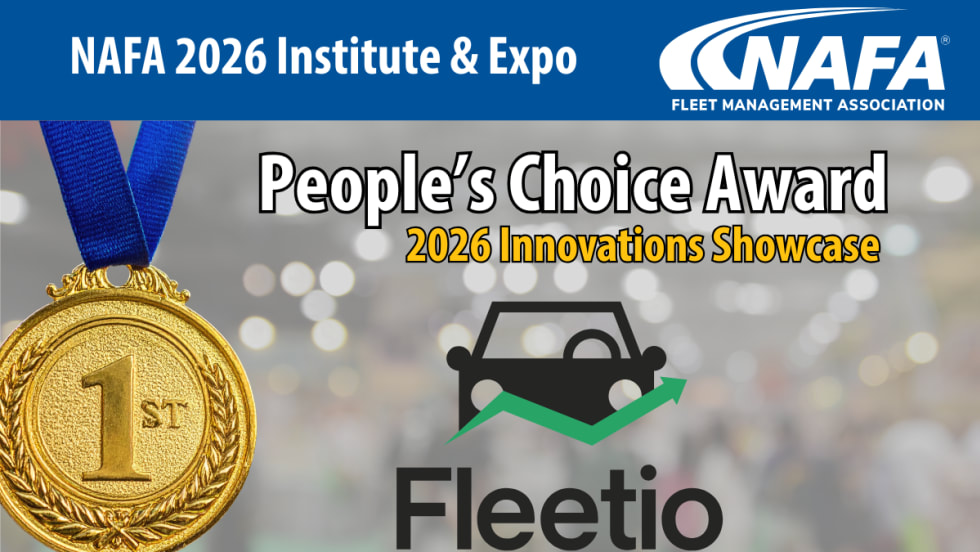
Fleetio’s AI Service Advisor won the People’s Choice Award in the 2026 Innovations Showcase at the NAFA Fleet Management Association's 2026 Institute & Expo (I&E) this week.
Read More →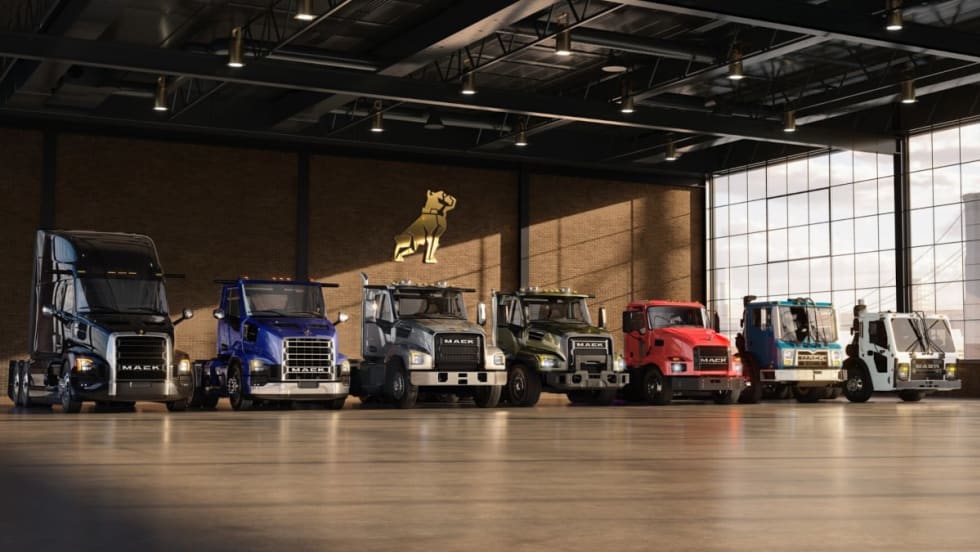
Data from AutoSend Over-The-Air Updates, GuardDog Connect Predictive Uptime, and Tailored Service Contracts demonstrate how software and services are delivering real-world outcomes for Mack Trucks customers.
Read More →
Safer crews. Fewer incidents. Better uptime. Learn how driver-assist technology is changing the way vocational fleets operate.
Read More →
Linxup’s new AI chatbot helps fleet managers skip reports, ask questions in plain language, and turn data into real cost-saving action plans.
Read More →
Tire Science for Fleets: Neil deGrasse Tyson breaks down why the tire contact patch hits 0 mph and what that means for traction and wear.
Read More →
By using the Motive Mesh Network, the new Motive Beacon can provide the visibility teams need to maximize asset utilization, locate equipment across vast operations, and prevent equipment from being left behind at jobsites.
Read More →
Geotab Build brings trucks, heavy equipment, and tools into one view, turning jobsite data into decision-ready insights for construction fleets.
Read More →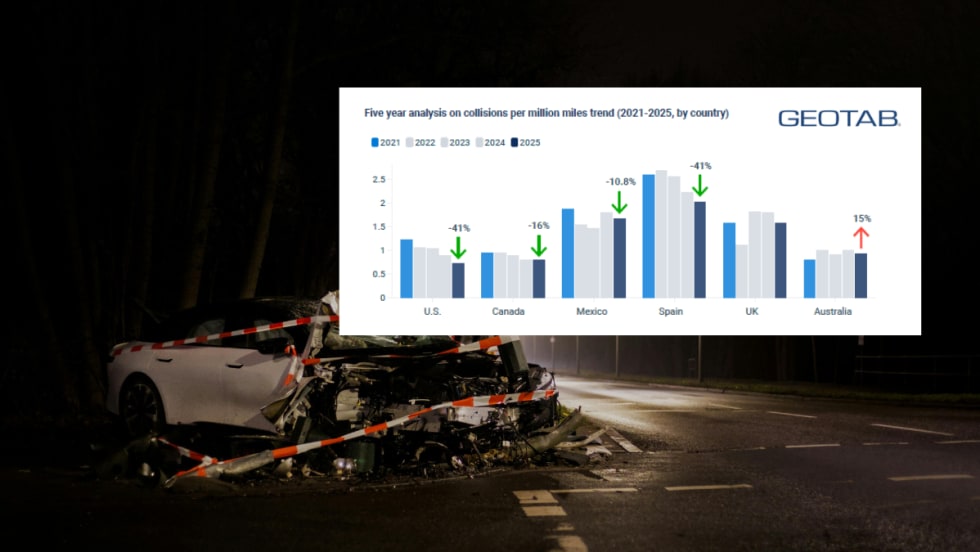
Geotab’s 2026 State of Commercial Transportation Report highlights safety gains, a U.S. EV slowdown, and a pandemic-era replacement wave.
Read More →