




NREL to Help Convert Methane to Liquid Diesel
WASHINGTON - The U.S. Department of Energy’s (DOE) National Renewable Energy Laboratory (NREL) will help develop microbes that convert methane found in natural gas into liquid diesel fuel.
WASHINGTON - The U.S. Department of Energy’s (DOE) National Renewable Energy Laboratory (NREL) will help develop microbes that convert methane found in natural gas into liquid diesel fuel, a novel approach that if successful could reduce greenhouse gas emissions and lower dependence on foreign oil.
The amount of natural gas simply flared or vented from oil wells globally is enormous – equal to one-third of the amount of petroleum used in the United States each year. And every molecule of methane vented to the atmosphere in that process has the global-warming capacity of 12 molecules of carbon dioxide.
A consortium of scientists says that if the wasted gas can be turned into a liquid, then it can be piped along with the petroleum to refineries where it can be turned into diesel suitable for trucks and cars, or even jet fuel for use in planes.
Their proposal – to develop a microbe that eats the methane in the gas – won a $4.8 million Advanced Research Projects Agency – Energy (ARPA-E) award from DOE. NREL’s award was announced as one of 66 OPEN 2012 projects, which focus on a wide array of technologies, including advanced fuels, advanced vehicle design and materials, building efficiency, carbon capture, grid modernization, renewable power, and energy storage.
First established in 2007, ARPA-E’s mission is to advance high-potential, high-impact energy technologies that are too early for private-sector investment. ARPA-E’s awardees are unique because they are developing entirely new ways to generate, store, and use energy. These projects have the potential to radically improve U.S. economic prosperity, national security, and environmental well being. ARPA-E focuses on transformational energy projects that can be meaningfully advanced with a small investment over a defined period of time to quickly catalyze cutting-edge energy research. Since 2009, ARPA-E has funded about 285 projects for a total of approximately $770 million in awards.
The University of Washington is taking the lead and focusing on genetically modifying the microbes. NREL will be in charge of fermentation to demonstrate the productivity of the microbes, both the natural organism and the genetically-altered varieties. NREL will also extract the lipids from the organisms and analyze the economic potential of the plan.
A third partner, Johnson-Matthey of the United Kingdom, will produce the catalysts that turn the lipids in the methane into fuel. And Illinois-based Lanza Tech, a pioneer in waste-to-fuels technology, has signed on to take the bench-scale plan to the commercial level, if it is successful.
“We’ll be leveraging our decades of experience in producing biofuels and lipids, which in the past we’ve typically done via algae,” said Phil Pienkos, NREL’s principle investigator on the liquid to diesel project. “Here, we’ll be applying it to a brand new feedstock, natural gas, which is recognized as being critically important to the United States.”
The team will start with microorganisms that grow naturally on methane, a component of natural gas, and which have a natural ability to make lipids from the methane. Unfortunately, the enzymes can’t naturally produce enough lipids to make a project economically feasible. So they need some help from genetics. A goal of this project is to genetically engineer that microorganism to both increase the amount of membrane lipids and to get the microorganism to produce non-phosphorous-based lipids that are more readily converted to fuels.
The end product would be a fuel intermediate that then could be piped to a refinery for final processing into diesel or jet fuel. “It would be a good feedstock for a refinery,” Pienkos said.
ARPA-E’s goal is to see the research projects turned into commercial successes, said Rich Bolin, Senior Project Leader for the Partnership Development Group at NREL’s National Bioenergy Center.
“If things go well, at the end of the project the economics and the technology would be there to scale it up to commercialization,” Pienkos said.
The intermediate fuels produced could also be used on site at oil and gas wells to power equipment or keep the sleeping quarters warm – demonstrating a way that remote locations can become energy independent.
“The direct conversion of methane to diesel has the potential to dramatically increase energy supply while mitigating greenhouse gas impact,” said Dr. Jennifer Holmgren, CEO at LanzaTech. ”We are excited to partner with such a strong team and to have the opportunity to leverage our commercial gas fermentation expertise in this new sector."
NREL is the U.S. Department of Energy's primary national laboratory for renewable energy and energy efficiency research and development. NREL is operated for DOE by the Alliance for Sustainable Energy, LLC.
More Fuel
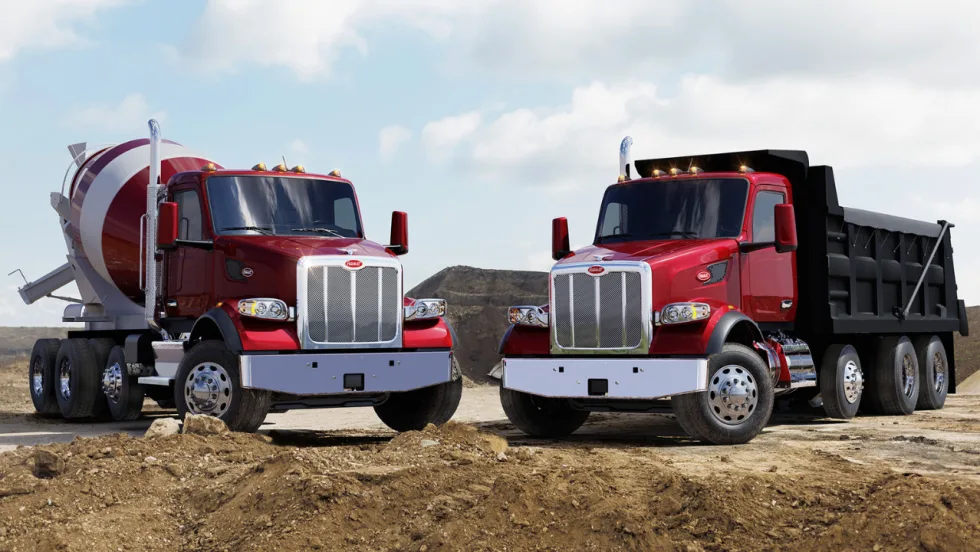
Peterbilt Trucks Equipped with Paccar TX-18 Pro Boost Efficiency for Maryland Fleet
Patuxent Companies is replacing aging trucks with the Peterbilt Model 567 and Model 589, specified with the Paccar TX-18 Pro 18-speed automated transmissions, and is reporting an 8% to 10% improvement in fuel economy.
Read More →
The Smart Way to Build a Mixed-Energy Fleet Isn’t About Picking a Side
Mixed-energy fleets aren’t about picking a winning fuel. Sarah Booth of WEX explains how vehicle data, duty cycles, charging strategy, and real-world costs can help fleets choose the right energy source for each job.
Read More →
Ignoring This Dashboard Warning Could Cost Your Fleet Thousands in Fuel
New research suggests neglected diesel aftertreatment systems could waste up to $30 in fuel per vehicle each day. Here's why vocational fleets should pay attention.
Read More →

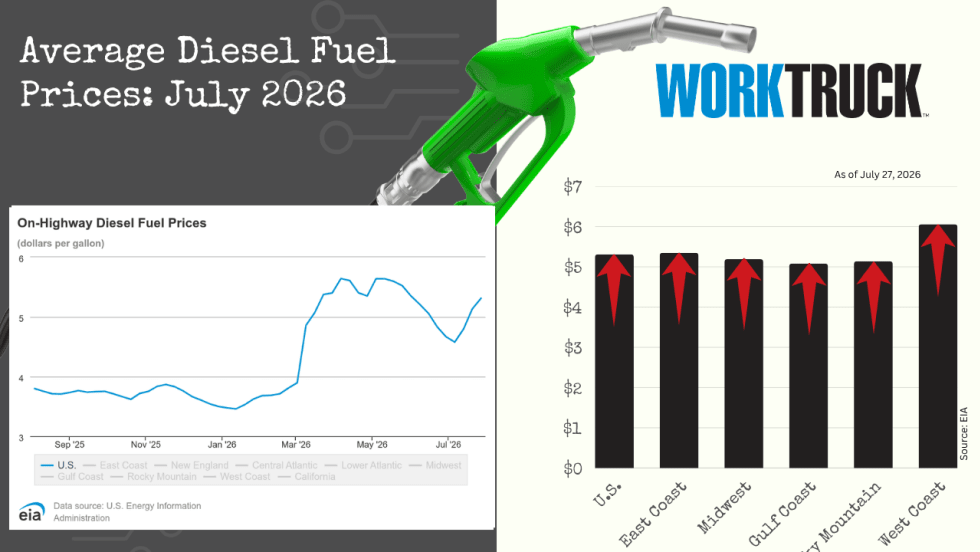
July Diesel Trends Update
The average price of a gallon of diesel increased again this week, and the EIA reported a new national average of $5.31 at the start of the week.
Read More →
WEX Brings Standard Fleet's Connected Vehicle Platform to Fleet Customers
This week’s product launch with Standard Fleet’s connected vehicle platform reflects WEX Venture Capital's strategy of turning startup innovation into customer solutions. Standard Fleet is now available to WEX fleet customers.
Read More →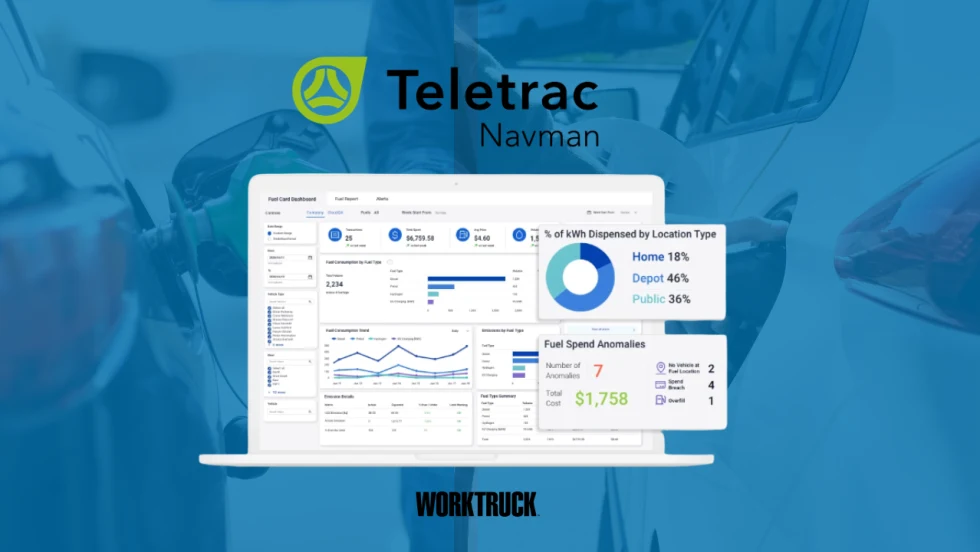
Teletrac Navman Adds Mixed-Energy Fleet Tools to TN360
The new Energy Hub combines fuel transactions, EV charging data, vehicle range, and energy costs in one dashboard for fleets operating multiple vehicle and energy types.
Read More →
WEX DriverDash adds CITGO, Expands Nationwide Access for Fleets
The DriverDash mobile payment app, by WEX, has been integrated into the CITGO merchant network, which means WEX has expanded its U.S. station footprint with the addition of approximately 4,000 CITGO locations.
Read More →
Mixed Energy Fleet Tips for Balancing EVs, Gas and Diesel Vehicles
Mixed energy fleets are becoming the new normal. Learn how fleet managers are balancing EVs, gas and diesel vehicles while controlling costs and planning for the future.
Read More →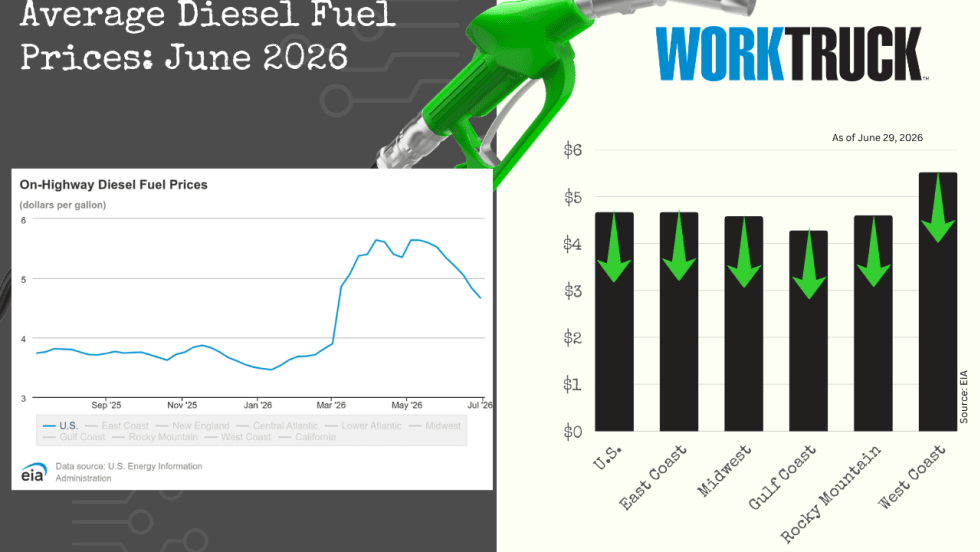
June Diesel Trends Update
The national average price of a gallon of diesel has dropped again, this week by more than 16 cents. All five regions reported lower average prices, ranging from almost 13 cents to more than 28 cents cheaper than a week ago.
Read More →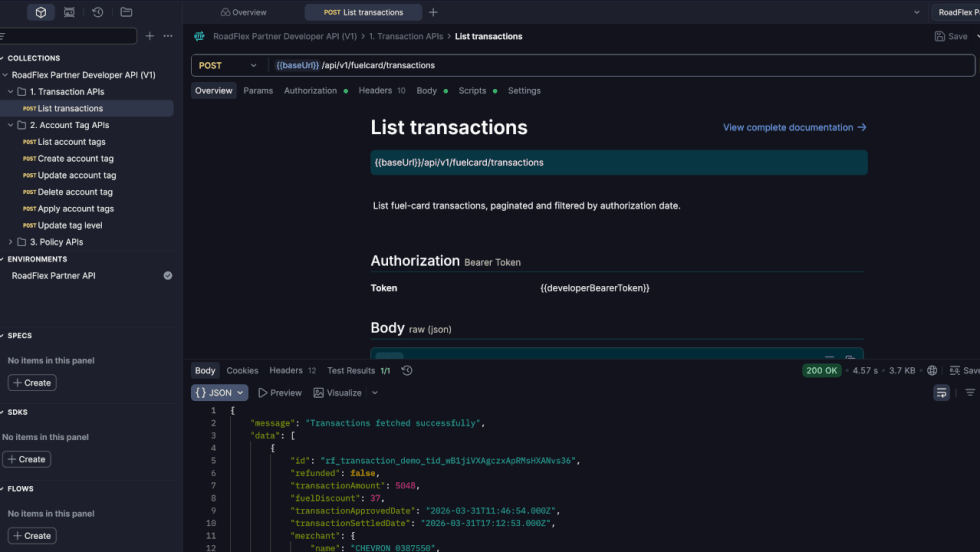
RoadFlex Launches RoadFlex Direct Open API Platform
RoadFlex Direct connects fuel cards, controls, and data to the telematics and fleet management systems fleets already run, from Geotab and Samsara to Fleetio and RTA, with no separate dashboard or double data entry.
Read More →