





Miss This? Roush CleanTech Shows Off Ford F-650 at StreetsLA’s Center for Green Innovation
Roush Introduces Propane-Powered F-250/F-350
After the successful launch of the propane-powered F-150, Roush is introducing a liquid-propane conversion for the F-250 and F-350.
April 21, 2009

Roush is a specialty-vehicle company that combines race-proven technologies with advanced automotive engineering.
Photo: Roush
2 min to read
DeKalb County, Georgia, is among the early adopters of the Roush F-150 LPI Conversion, with 73 units currently in operation. The county began using liquefied propane gas (LPG) F-150s in 1996.
Roush is a specialty-vehicle company that combines race-proven technologies with advanced automotive engineering. The company developed a propane fuel system for the F-150 5.4L V-8. According to the company, propane works as well as gasoline, has very little impact on the environment, saves money, is reliable, safe, and domestically produced, among other benefits.
"Our first Roush units started arriving in May of 2008," said Kristie Swink, director of communications, DeKalb County. The fleet currently runs 129 LPG units in its approximately 3,500-unit fleet.
DeKalb selected the Roush Propane-Powered F-150 in a search for "a clean and convenient alternative fuel," said Swink. "We tried CNG, but the volume of area needed to store the gas was too large. We tried an electric Ford Ranger pickup, but it did not meet our dependability requirements."
DeKalb chose LPG because of availability, storage density, price, and adaptability to units in the county's fleet.
"We have experienced fuel cost savings, especially as the price of gasoline increased in the summer," said Swink.
The propane-powered F-150 improved DeKalb's gas mileage over gasoline-powered counterparts by 1.25 mpg (11.5 mpg average for LPG-powered units).
Infrastructure is the biggest challenge of the new technology.
"When we purchased the first units in '96, we installed five LPG refilling sites - simple 1,000 gallon tanks, a pump, and dispenser," said Swink. "There was a time when we had about 200 active units and were filling some tanks three times a week. Since that time, we have added another tank to each of the three busy sites."
Introducing Propane-Powered F-250/F-350
Roush recently announced the availability of the Roush Liquid Propane Injection (LPI) Conversion for 2009-2010 Ford F-250 and F-350 equipped with the 5.4L V-8 engine. Orders are being taken now. The new F-250/F-350 version is expected to hit showroom floors in August.
According to the company, the F-250 or F-350 equipped with Roush LPI technology experiences no loss in horsepower, torque, or towing capacity, compared to previous propane conversions. Older technology relied on vapor injection. The Roush system, which leaves propane in the liquid state until injection, is 30% more powerful than the older technology.
The F-250/F-350 LPI Conversion helps fleets trim operating costs and reduce vehicle emissions. According to Roush, compared to gasoline, propane reduces harmful emissions by significant amounts:
18% less greenhouse gases.
20% less nitrous oxide.
60% less carbon monoxide.
Fewer particulate emissions.
Subscribe to Our Newsletter
More Green Fleet

Landi Technologies Achieves CARB Certification of Ford 7.3L RNG/CNG Platform
Landi Technologies has gained CARB certification of its Ford 7.3L Renewable Natural Gas (RNG) and Compressed Natural Gas (CNG) platform for the Ford E-450, F-450/550/600, F-650/750, and F-53/59 platforms.
Read More →
Sponsored•June 1, 2026
Turning Connected Vehicle Data Into Decisions That Matter
Fleet leaders have more data than ever, but turning that data into clear, actionable decisions remains a challenge. This white paper shows how leading organizations are using connected vehicle data to improve safety, reduce costs, and optimize fleet performance. Learn how to turn insight into action across your fleet.
Read More →
Sponsored•May 29, 2026
Are You Tracking Your Fleet's True Total Cost of Ownership?
Bobit Business Media surveyed 190 fleet professionals and found that while most fleets are tracking costs, fragmented systems and data gaps are keeping true TCO visibility out of reach. With rising pressure to control spend in an increasingly volatile environment, the gap between what fleets think they know and what the data actually shows is wider than you might expect. See how your peers are managing costs today and where the industry still has room to improve.
Read More →
Epic Charging Acquires Bluedot Technologies
Epic Charging has acquired Bluedot Technologies, expanding EV fleet charging access to more than 80% of U.S. public charging networks.
Read More →
CALSTART Adds 64 New Sites and Features to Its Medium- and Heavy-Duty Zero-Emission Infrastructure Map
CALSTART’s interactive National Medium- and Heavy-Duty Zero-Emission Infrastructure Map now locates approximately 1,500 ports at 162 total public, semi-public, and shared electric vehicle (EV) charging and hydrogen refueling facilities for Class 2b-8 trucks.
Read More →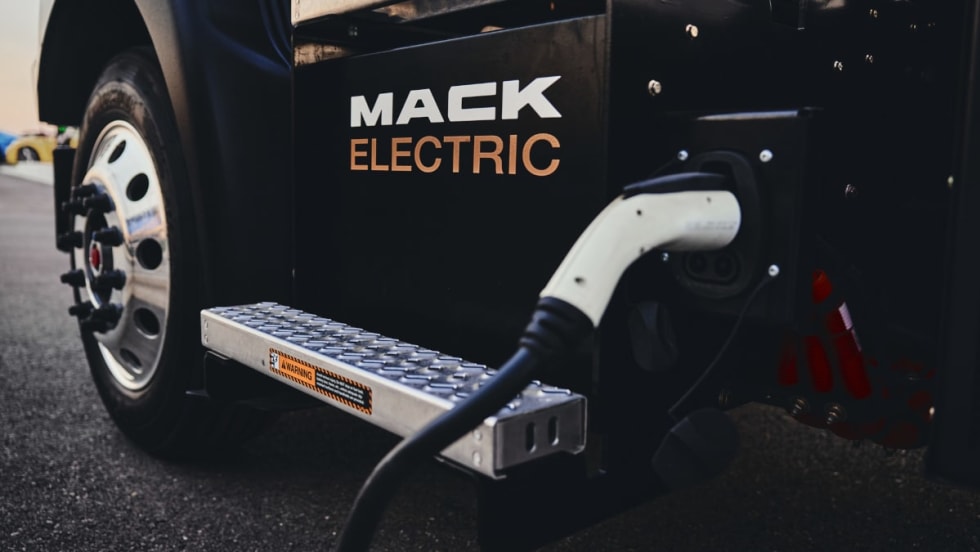
Mack Trucks Expands Full-Service EV Infrastructure Providers
Mack Trucks has expanded its comprehensive Turnkey Solutions program for Mack battery-electric vehicle customers with the addition of two new full-service providers, ABM and Lane Valente Industries.
Read More →
EV Realty Opens Major Truck Charging Hub in California’s Inland Empire
EV Realty’s San Bernardino Powered Properties’ truck charging hub, which has now opened, can serve over 200 medium- and heavy-duty trucks per day.
Read More →
WEX Launches Solution to Close the EV At-Home Charging Visibility Gap for Fleets
WEX unveiled its EV At-Home with Vehicle Fraud Protection, which ensures accurate and secure reimbursement for at-home charging.
Read More →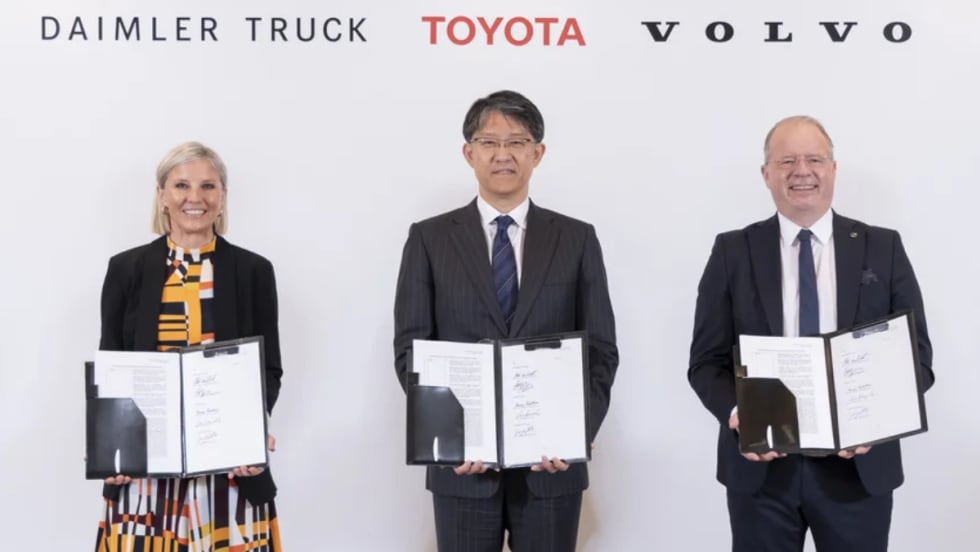
Toyota Motor Corporation to Join Daimler Truck & Volvo Group in Fuel Cell Joint Venture Cellcentric
Toyota intends to join Daimler Truck and Volvo Group as an equal shareholder in Cellcentric. All three shareholders intend to further strengthen Cellcentric as a leading manufacturer of fuel cell systems for heavy-duty commercial applications.
Read More →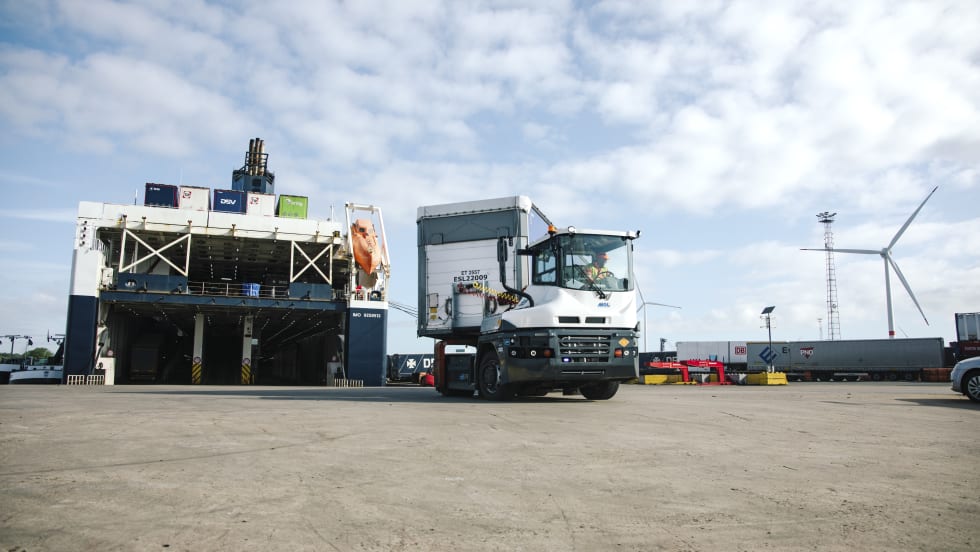
Volvo Penta Electric Drivetrain Powering Terminal Tractors
Volvo Penta and Volvo Financial Services (VFS) have partnered to support one of Northern Europe's largest shipping and logistics companies in its ambition to transition to electric terminal tractors.
Read More →