





Miss This? Roush CleanTech Shows Off Ford F-650 at StreetsLA’s Center for Green Innovation
Roush Introduces Propane-Powered F-250/F-350
After the successful launch of the propane-powered F-150, Roush is introducing a liquid-propane conversion for the F-250 and F-350.
April 21, 2009
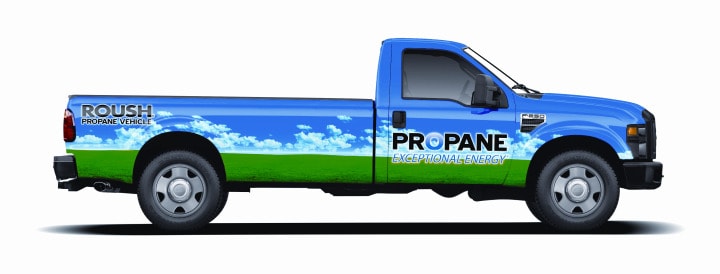
Roush is a specialty-vehicle company that combines race-proven technologies with advanced automotive engineering.
Photo: Roush
2 min to read
DeKalb County, Georgia, is among the early adopters of the Roush F-150 LPI Conversion, with 73 units currently in operation. The county began using liquefied propane gas (LPG) F-150s in 1996.
Roush is a specialty-vehicle company that combines race-proven technologies with advanced automotive engineering. The company developed a propane fuel system for the F-150 5.4L V-8. According to the company, propane works as well as gasoline, has very little impact on the environment, saves money, is reliable, safe, and domestically produced, among other benefits.
"Our first Roush units started arriving in May of 2008," said Kristie Swink, director of communications, DeKalb County. The fleet currently runs 129 LPG units in its approximately 3,500-unit fleet.
DeKalb selected the Roush Propane-Powered F-150 in a search for "a clean and convenient alternative fuel," said Swink. "We tried CNG, but the volume of area needed to store the gas was too large. We tried an electric Ford Ranger pickup, but it did not meet our dependability requirements."
DeKalb chose LPG because of availability, storage density, price, and adaptability to units in the county's fleet.
"We have experienced fuel cost savings, especially as the price of gasoline increased in the summer," said Swink.
The propane-powered F-150 improved DeKalb's gas mileage over gasoline-powered counterparts by 1.25 mpg (11.5 mpg average for LPG-powered units).
Infrastructure is the biggest challenge of the new technology.
"When we purchased the first units in '96, we installed five LPG refilling sites - simple 1,000 gallon tanks, a pump, and dispenser," said Swink. "There was a time when we had about 200 active units and were filling some tanks three times a week. Since that time, we have added another tank to each of the three busy sites."
Introducing Propane-Powered F-250/F-350
Roush recently announced the availability of the Roush Liquid Propane Injection (LPI) Conversion for 2009-2010 Ford F-250 and F-350 equipped with the 5.4L V-8 engine. Orders are being taken now. The new F-250/F-350 version is expected to hit showroom floors in August.
According to the company, the F-250 or F-350 equipped with Roush LPI technology experiences no loss in horsepower, torque, or towing capacity, compared to previous propane conversions. Older technology relied on vapor injection. The Roush system, which leaves propane in the liquid state until injection, is 30% more powerful than the older technology.
The F-250/F-350 LPI Conversion helps fleets trim operating costs and reduce vehicle emissions. According to Roush, compared to gasoline, propane reduces harmful emissions by significant amounts:
18% less greenhouse gases.
20% less nitrous oxide.
60% less carbon monoxide.
Fewer particulate emissions.
Subscribe to Our Newsletter
More Green Fleet

Fleet Forward Conference Introduces One-Day Passes for 2026
New one-day registration gives fleet professionals the flexibility to attend Tuesday, Wednesday, or Thursday, with passes available for $199 through Sept. 18.
Read More →
CALSTART Rebrands as Catalyst Mobility, Will Combine with Forth in 2027
CALSTART has rebranded as Catalyst Mobility and will combine with Forth at the start of 2027. The new organization said it is poised to become one of the world's largest, strongest, and most impactful clean transportation nonprofits.
Read More →
Electric Truck and Charging Programs to Boost Sustainability at NY & NJ Ports
Together, the Port Authority of New York and New Jersey and CALSTART will electrify drayage and terminal operations serving the East Coast’s busiest container port. A pair of incentive programs totaling $45 million has launched to accelerate adoption of zero-emission drayage trucks and terminal tractors.
Read More →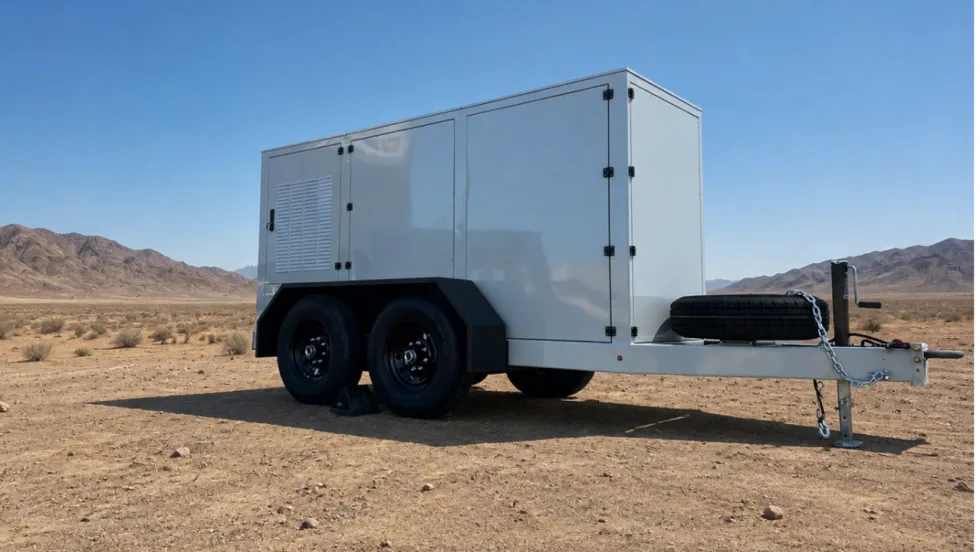
Xos Hub Surpasses One Gigawatt-Hour of Energy Delivered in the Field
A single Xos Hub has surpassed one gigawatt-hour of energy across more than 33,600 charging sessions in the field, demonstrating performance that supports Xos' expansion across new products and markets.
Read More →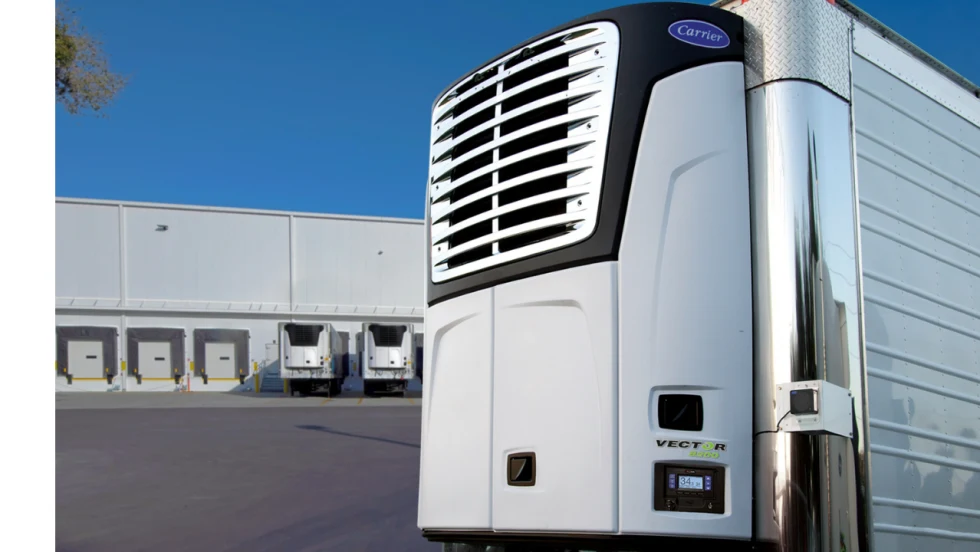
Carrier Transicold Launches All-Electric Vector 8200 TRU for Diesel-Free On-Site Cold Storage
Carrier Transicold’s first engineless multi-temperature TRU helps fresh- and frozen-food fleets add supplemental cold storage capacity during seasonal peaks.
Read More →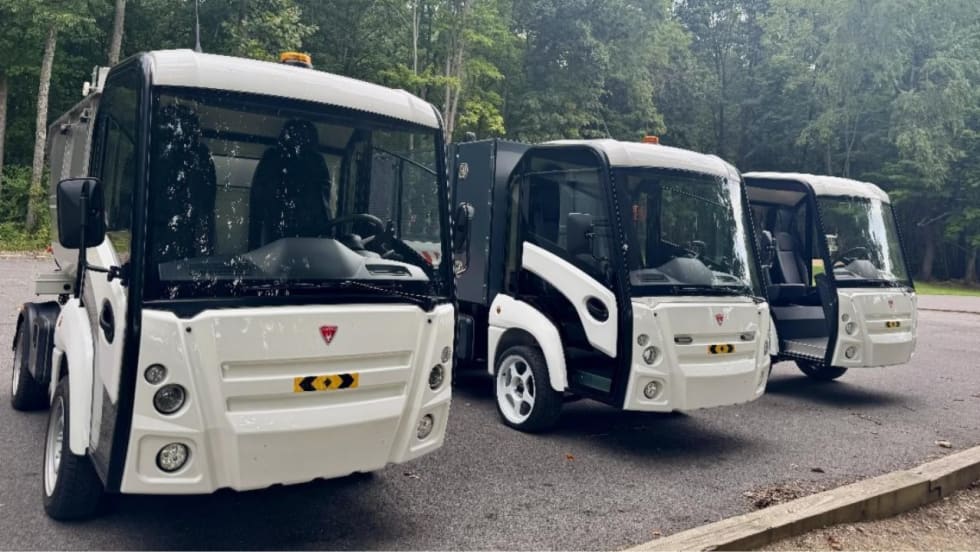
Narro Trucks Introduces Electric Utility Vehicle
Narro Trucks officially launched its operations on Aug. 20 and hosted a ride and drive to showcase its electric truck, which will be produced in Virginia.
Read More →
Samsung SDI Takes Full Control of GM Battery JV as Indiana Plant Pivots to Energy Storage
Samsung SDI is taking full control of its Indiana battery plant with GM, marking a major shift from the EV-focused joint venture Charged Fleet first covered in 2023.
Read More →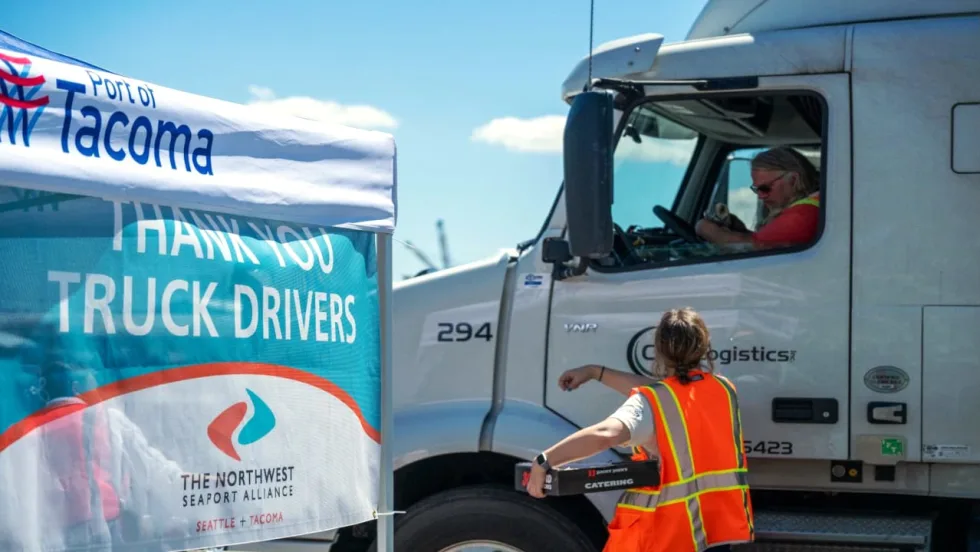
NWSA Taps CALSTART to Administer Zero-Emission Drayage Assistance Program
CALSTART will provide free technical assistance services to drayage fleets serving the Ports of Seattle and Tacoma and looking to transition to cleaner technologies and help decarbonize freight hubs.
Read More →
EV Fleet Reality Check: What Operators Wish They Knew Before Electrifying Their Work Vans
Electric work truck upfits bring new compatibility questions. Learn how parts availability, OEM guidance, power demands, and route planning can affect fleet performance.
Read More →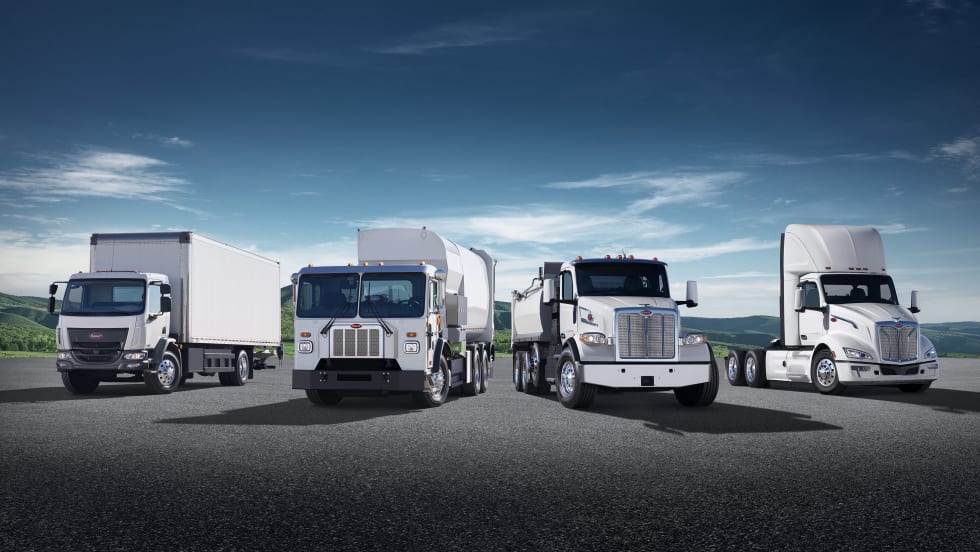
Peterbilt Expands Sourcewell Partnership with Electric Vehicle Lineup
Peterbilt Motors Company’s cooperative purchasing agreement with Sourcewell and its Canadian partner, Canoe Procurement Group, now includes including Peterbilt's battery-electric vehicle lineup.
Read More →