




Ship-To vs. Ship-Thru Ordering: What's Better?
When dealing with truck upfits, two methods are available to ensure a smooth order-to-delivery process.

Specialty upfits and upfits outside the ship-thru envelope are usually ship-to orders.
Photo: Work Truck
Factory-ordered trucks often require a body or other type of upfitting installed after the truck is produced.
Fleets can upfit their trucks in two ways. The first sends the truck through the manufacturer’s ship-thru program. The second method is to ship vehicles directly to a body company for upfitting.
Streamlining Fleet Upfits: How the Ship-Thru Process Works
Based on a review of an upfitter’s operations and product quality, manufacturers authorize ship-thru truck upfitting at body companies located near the truck production plant. Once approved, the body company is assigned a ship-thru code.
Ship-thru vehicles are produced at the factory and the ship-thru code requires the transportation company to move the chassis from the plant to the body company. The distance between the body company and the plant influences the ship-thru charge.
When a ship-thru body company is selected to provide the particular upfitting required on a factory-ordered vehicle, a ship-thru code is entered with the chassis order as part of the spec. Vehicles upfitted for ship-thru must comply with height and width restrictions so the completed vehicle can be shipped by rail or carrier. This factor determines if the upfit order is shipped thru or shipped directly to a body company.
After receiving and checking in a chassis, the installer schedules a production date. Generally, production time for van interior, simple service bodies or a platform body takes about two weeks. A volume order or delay in receiving upfit material or products can lengthen the timeframe.
Install time and the ship-thru charge are factors in determining whether ship-thru is the best option for an upfitting installation. Vehicle transport to the body company averages five days. Pickup and delivery of the completed truck to the manufacturer’s production plant also averages about five days. The vehicle then enters the factory transportation system and is delivered to the dealer usually within two weeks.
For decentralized fleets, the ship-thru process is the best way to handle upfit installations. Body companies are uniquely fit to provide the service — it is their specialized business. Additional advantages of ship-thru include:
Consistent installation quality and process.
Consistent labor rates as opposed to regional labor rates.
One point of contact for inquiries.
Most ship-thru vendors provide updated status reports to fleet management companies.
Easy, one-shop invoicing.
As of publication, ship-thru upfits generally cost 40% less than ship-to upfits.
Disadvantages of the ship-thru process are:
Order-to-delivery time may be longer.
Expense and delivery time may outweigh the benefits for simple upfits, such as a tool box installation.
Large orders or increases in installer business can delay production and cause quality problems.
Ship-To Upfits Demystified: A Guide to Specialty Installations
Specialty upfits and upfits outside the ship-thru envelope are usually ship-to orders. Bucket trucks, crane trucks, service bodies with canopies, etc., are usually ship-to upfits. Similar to the ship-thru process, major body installers use ship-thru codes, primarily for medium-duty or walk-in trucks. Factory and dealer vehicle prepping is a consideration in ship-to orders.
A factory freight charge covers shipping the vehicle from the plant to the body company. Customer delivery cost is added to the factory freight. Ideally, a reliable driveaway service can handle title and registration processing while delivering the truck. The truck can go to work as soon as it arrives.
Tool boxes, bed liners, and ladder racks can all be installed by delivering dealers. Low cost and quick turnaround time makes more sense for such simple generic installs.
More Upfitting
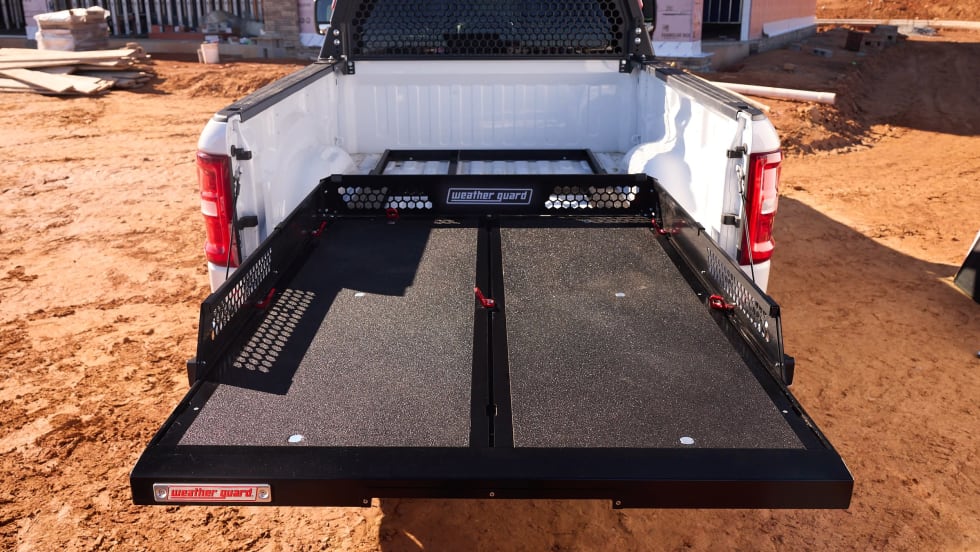
Weather Guard Launches Heavy-Duty Sliding Truck Bed System
Weather Guard’s new Sliding Bed System gives crews full tailgate access to tools and materials while reducing climbing, overreaching, and repetitive strain and is now available.
Read More →
DECKED Wants Fleet Dads to Take a Break This Father’s Day
DECKED’s Father’s Day campaign offers 100 hardworking dads a paid day off to unplug, recharge, and spend time where it matters most.
Read More →
What Fleet Managers Should Expect From Adrian’s Next Era
After 30 years at Adrian, CEO Marc Jackson shares how operational discipline, consistency, and trust are shaping the company’s next chapter.
Read More →
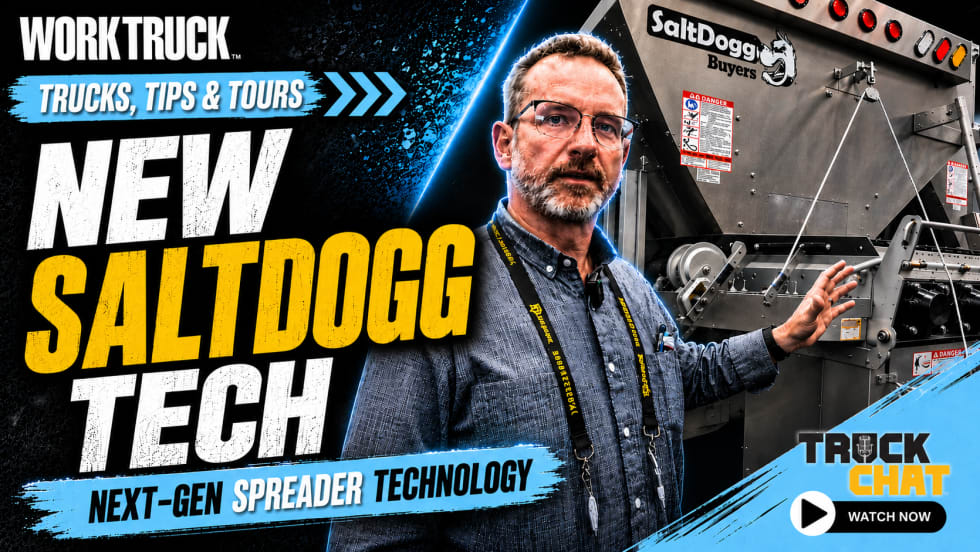
Buyers Products Showcases New SaltDogg Innovations
Winter maintenance fleets continue demanding equipment that is easier to maintain, more reliable, and simpler to install. In this walkaround video, Scott Moorman from Buyers Products Company highlights several new SaltDogg spreader innovations.
Read More →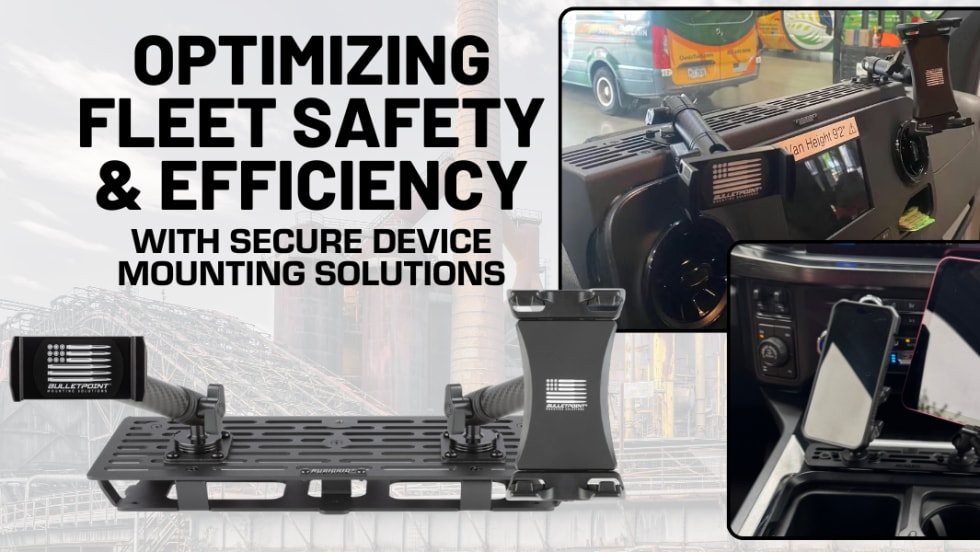
Optimizing Fleet Safety with Secure Device Integration
Unsecured devices are a hidden liability. Learn how precision-engineered mounting solutions enhance driver safety, streamline workflows and protect your technology.
Read More →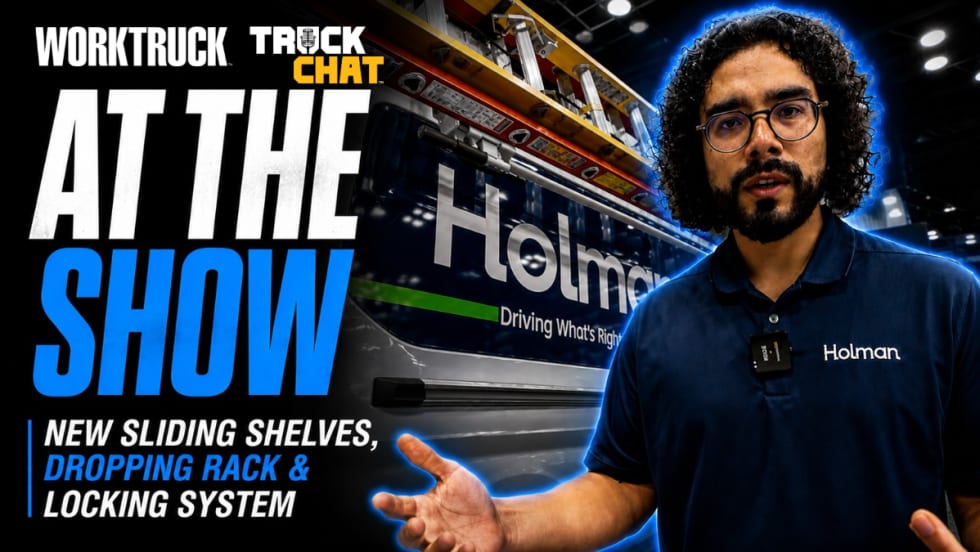
Holman Showcases New Van Upfit Innovations Built for Technician Efficiency
Holman showcased new van upfit solutions focused on technician efficiency, security, storage, and accessibility for commercial fleets and service vans.
Read More →
VMAC Supports BC Forest Discovery Centre with G90 Air Compressor to Advance Railway Restoration
The BC Forest Discovery Center is working on an extensive railway tie replacement project across the property. Crews are making the job easier with VMAC’s new G90 Gas Driven Air Compressor with FlexDrive AirFlow Management System (AMS).
Read More →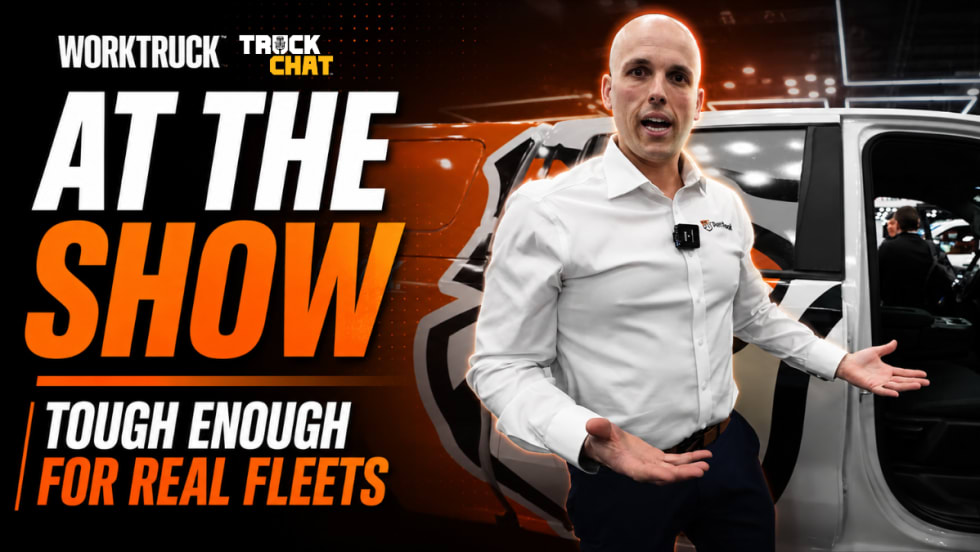
TigerTough New Floor Liners are Tough Enough for Real Fleets
TigerTough expands beyond seat covers with new work truck floor liners designed for durability, precision fit, and heavy fleet use.
Read More →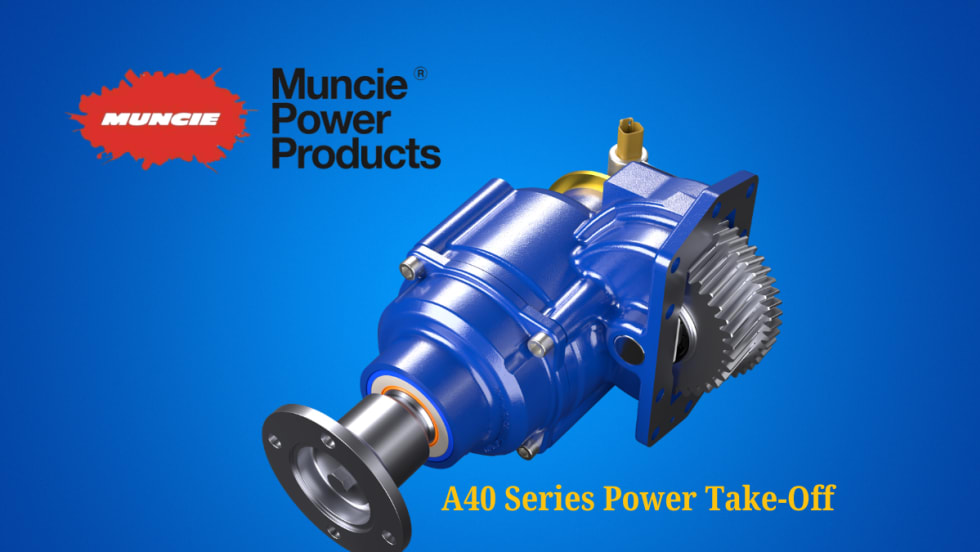
Muncie Power Products Launches Heavy-Duty A40 Series Power Take-Offs for Allison 3000/4000 Series Transmissions
Muncie Power Products has released its A40 Series power take-off, which features a small envelope, making it ideal for applications with space limitations.
Read More →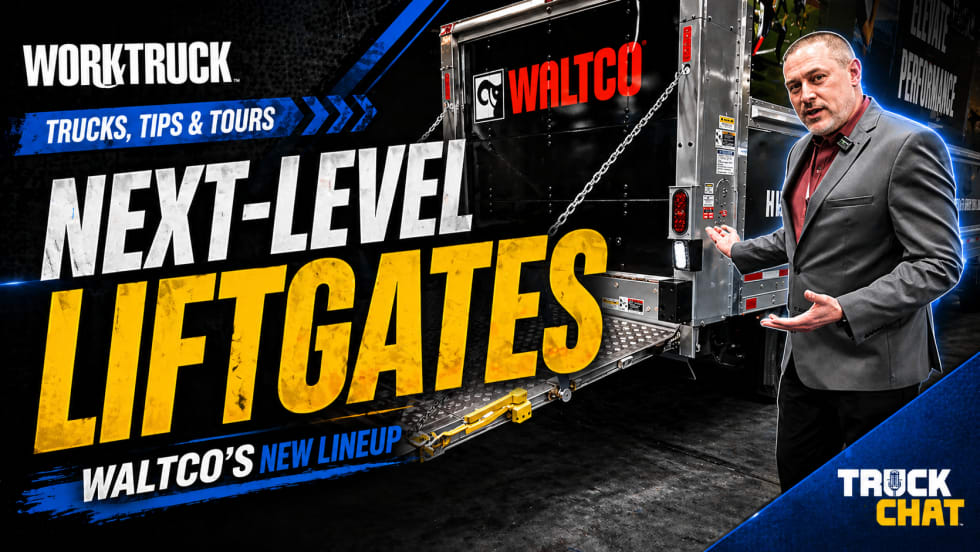
Exploring WALTCO’s New Liftgates
WALTCO launched its new MDV-40 liftgate and the DD Series, which can lift a technician up to 120 inches. In this video, Work Truck takes you on a full tour of the new liftgates to learn about their functions and benefits.
Read More →