




GeoFencing Adds to Your Truck Security Arsenal
It’s 2 p.m. Do you know where your trucks are, and, more importantly, what they are doing there? New technology can help you find out. But there can be employee relations downsides.

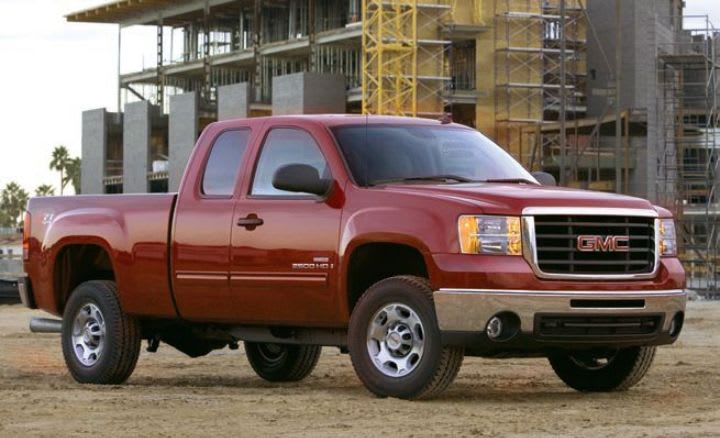
If your vehicles are where they are supposed to be, they are safer than if they are "off-track."
Photo: GMC
Your company has invested a considerable sum in its fleet vehicles and in the drivers who operate them. Upper management is keenly interested in ensuring its investment is earning the best return.
If drivers take company vehicles on personal excursions, that is probably not contributing to the return on investment. In addition, considerable negative cash flow could occur if the vehicle and driver wind up somewhere they shouldn’t, and the vehicle and/or its contents are stolen.
Where or Where Not to Be
Basically, if your vehicles are where they are supposed to be, they are safer than if they are "off-track." Predators who target unsecured vehicles tend to operate in certain areas, and unless your vehicles have a pertinent reason for going into such areas, keeping them out will keep them safer.
The first line of defense in the vehicle and driver security is a cell phone. A company-supplied cell phone should be provided for each driver or vehicle as a quick, one-button method of reaching the office. Also, someone at the office should be available to answer driver calls at whatever hour they might come in. If the phone can be set for an instant-on, autodial to the office, it should be.
At the end of 2005, all cell phone carriers were required to provide the ability to trace cell phone calls to a location within 100 meters or less. Cell phone carriers decided to integrate GPS technology into cell phone handsets to comply with FCC requirements. However, most cell phones do not allow the user direct access to the GPS data. Accurate location determination requires wireless network assistance, and normally the GPS data is transmitted only when a 911 emergency call is made.
GeoFencing Can Help
A new technology — GeoFencing — now can be added to the fleet safety arsenal. This technology, using the systems already present in phones and GPS devices, instantly signals fleet management to determine if the truck and/or driver are somewhere they should not be.
GeoFencing describes a feature that enables the cell phone or other tracking device to start tracking only when it has entered or exited a predefined region. GeoFencing may also mean that an alert is sent when the phone crosses the virtual fence around an area. In addition, GeoFencing allows fleet managers to keep better tabs on the routes their drivers take, often improving fuel efficiency.
Occasionally, drivers break from their routes to engage in some unauthorized activity. Most of the time it is harmless and results only in a small loss of time. However, it could become pervasive throughout the fleet, or it could get out of hand, either unintentionally or deliberately on the part of the driver, depending upon the destination and what he or she is doing there.
According to Maptuit, a provider of GeoFencing services, "Customers can define named georegions using a combination of geocoded points and direct manipulation. Once defined, georegions can be tested to determine inclusion or exclusion."
The company noted that its service can be integrated into Google Earth, allowing geofence boundaries to be drawn directly onto a satellite view of the area.
AeroAstro, another provider of GPS locating and GeoFencing services, notes that "GeoFencing capability will allow definition of a boundary of normal business operations for fleets with alarms and other fleet management features when those boundaries are crossed. GeoFencing enables you to identify deviations from expected routes, reduce liabilities incurred when state lines or other boundaries are crossed, and improve fuel management."
According to International Truck and Engine, which offers GPS systems on its trucks, "With GeoFencing, you can define a virtual geographical area to make sure vehicles follow approved routes. If a designated boundary is crossed, you will receive a notification with a time, date, and location stamp. Reverse GeoFences also can be configured to alert you to vehicles that enter an area you designate as restricted." The company noted there may be safety reasons or hazardous material situations in which a given truck should not enter a given area.
The company adds that the benefit of GeoFencing is that it provides fleet managers greater control over the territory in which their vehicles travel. "Whether you have a specific route or areas that are off-limits for safety purposes, GeoFencing offers peace of mind that your trucks are where they should be at all times."
The Personnel Downside
While companies may feel GeoFencing may prevent employees from wasting company time, GeoFencing is a concept that could easily offend other employees. Some argue it is an invasion of privacy, while still others believe it is not a practice designed to single out loafers, but rather to save the company money.
Ephraim Schwartz, writing in InfoWorld magazine, noted some of the problems. He compared GeoFencing to burying a wire around the perimeter of your backyard that’s hooked into a transmitter plugged into the wall.
"If you don’t want your dog to wander outside of the backyard, you set his electronic collar to one of four settings, depending on the level of electric shock you want to zap him with if he crosses the line. He soon learns to stay in bounds," wrote Schwartz.
"Unfortunately, there is no line item in GAAP (Generally Accepted Accounting Principles) to list employees as an asset. There are columns for tables and chairs, but not people. And, excuse me; I am not being naïve here: Good GeoFences don’t make good employees, but treating employees with respect makes more profitable companies," Schwartz concluded.
To sum up, you can increase the security of your vehicles and contents by careful tracking, but also be cautious not to alienate employees at the same time, which could be more costly.
More Safety
J. J. Keller Safety Professional of the Year Awards Nominations Now Open
J. J. Keller & Associates is accepting nominations for the 2026 J. J. Keller Safety Professional of the Year (SPOTY) Awards. Winners will receive prize packages valued at up to $47,200.
Read More →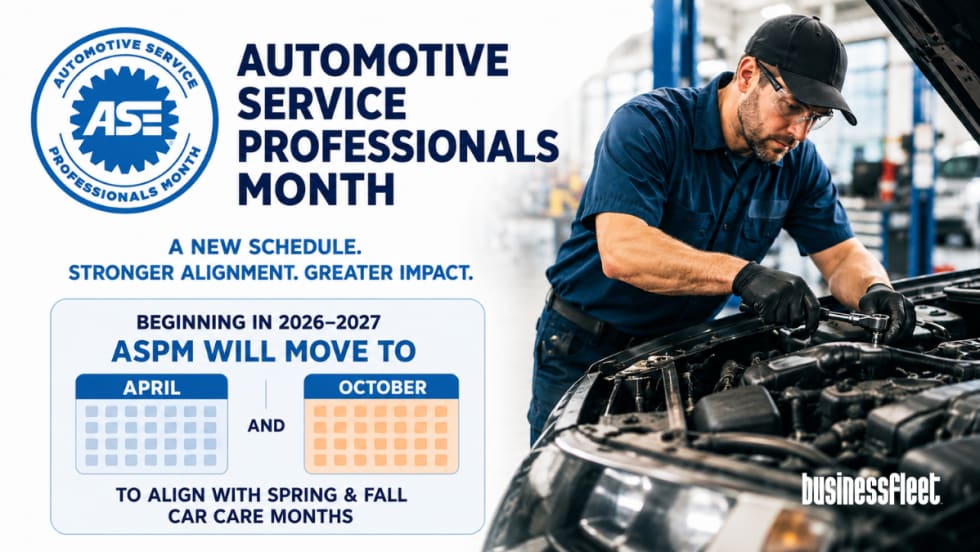
ASE Aligns Automotive Service Professionals Month With Spring and Fall Vehicle Maintenance Campaigns
ASE will move Automotive Service Professionals Month to April and October beginning in 2026-2027, aligning recognition with Car Care Month events.
Read More →
Turning Connected Vehicle Data Into Decisions That Matter
Fleet leaders have more data than ever, but turning that data into clear, actionable decisions remains a challenge. This white paper shows how leading organizations are using connected vehicle data to improve safety, reduce costs, and optimize fleet performance. Learn how to turn insight into action across your fleet.
Read More →
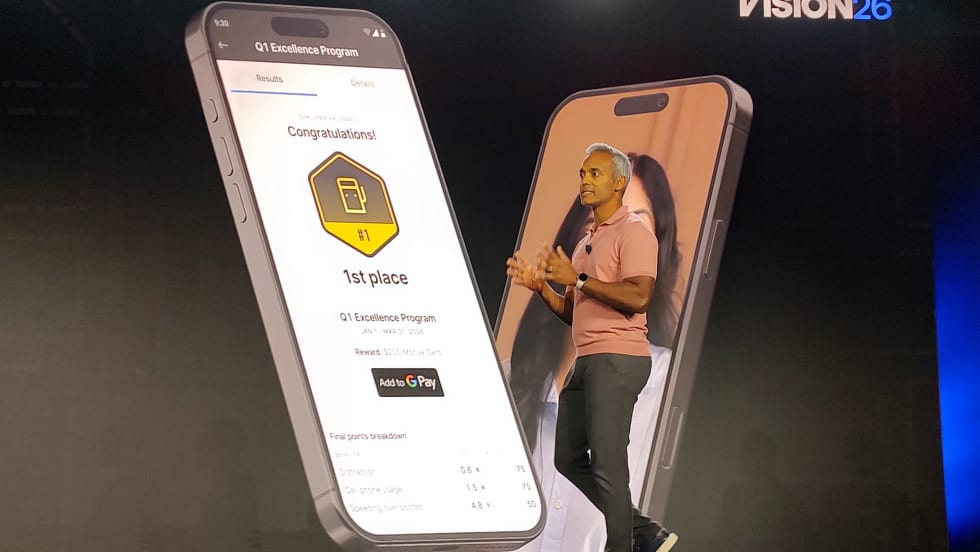
Driver Retention: Motive Automates Driver Coaching & Driver Rewards
New automated rewards and recognition capabilities from Motive can help organizations engage drivers, reinforce positive behavior, and reduce turnover. AI Coach has also been updated to deliver personalized feedback across safety, fuel, and compliance.
Read More →
Experts Forecast Broader Impact of Wildfires in 2026
This year’s wildfire season will likely be more intense than in 2025. The 2026 wildfire forecast from AccuWeather is for fewer fires, but even more acreage will be impacted this year.
Read More →
A Walkthrough of the DataQs Process
Bad data on your carrier record can cost you. Here’s how DataQs helps fleets challenge errors before they hit CSA scores, insurance, and your bottom line.
Read More →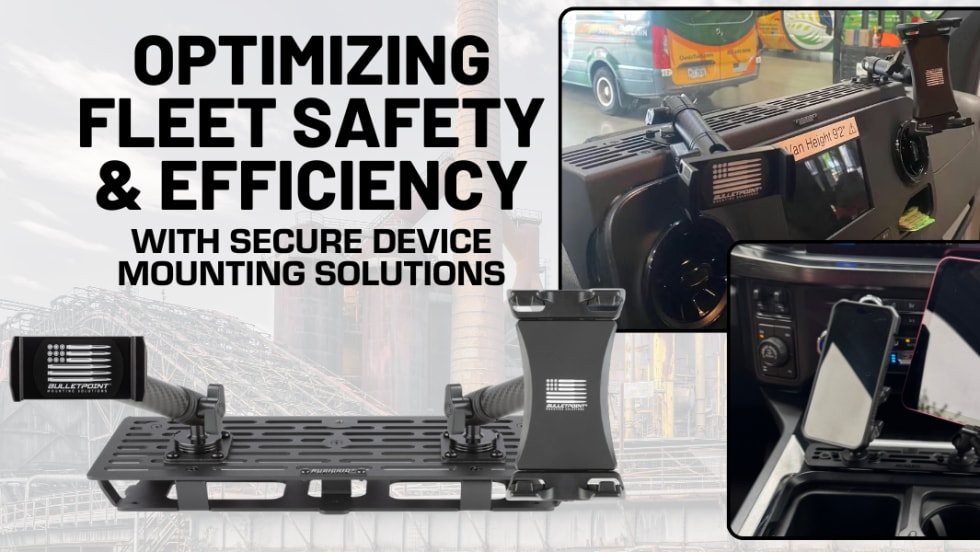
Optimizing Fleet Safety with Secure Device Integration
Unsecured devices are a hidden liability. Learn how precision-engineered mounting solutions enhance driver safety, streamline workflows and protect your technology.
Read More →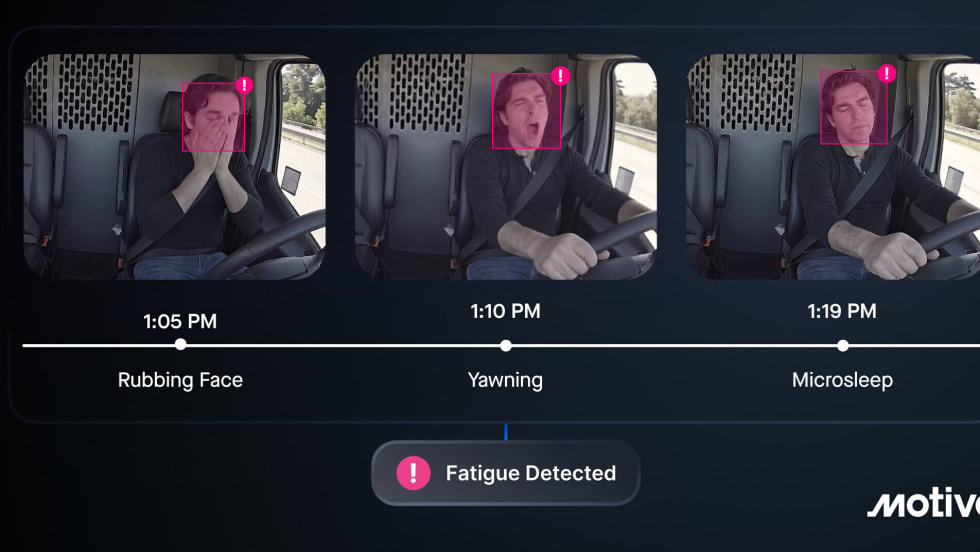
Motive Launches New Edge AI Capabilities to Help Prevent Collisions and Capture Critical Incidents in Real-Time
New AI models from Motive can detect signs of fatigue and eating, plus capture low-severity collisions often missed by telematics.
Read More →
Pro-Vision Acquires Convoy Technologies to Expand Fleet Safety and Video Solutions
Pro-Vision has acquired Convoy Technologies in a deal it said will broaden customer relationships and add specialized vehicle video capabilities for commercial fleets.
Read More →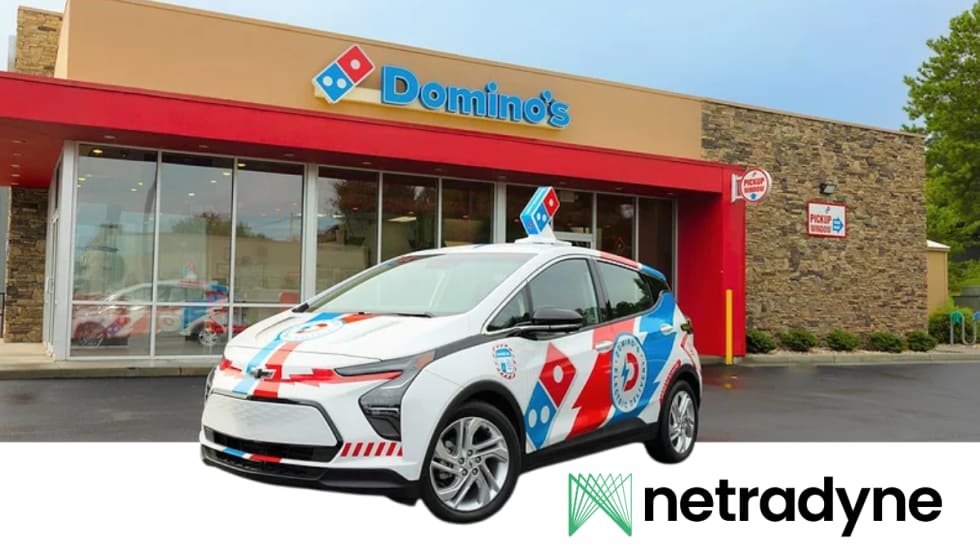
Netradyne Delivers 66% Reduction in At-Fault Crashes Across Domino's Franchise Network
Five Domino's franchises and more than 1,000 vehicles are now running on Netradyne's AI-powered fleet safety and performance platform. Designed for fleets that use personal or non-owned vehicles, FlexMount allows drivers to quickly install and remove Driver-i.
Read More →