




Dive Deeper: Is Your Truck Fleet Truly Safe?
Using Data-Centric Predictive Analytics to Improve Driver Safety
Current tactics to analyze driver risk are reactionary, targeting drivers with already-proven unsafe behaviors. New data sources provide more comprehensive metrics for intelligent forecasting of high-risk drivers.
by Alex Popov and Dico Akseraylian
September 1, 2007
The challenge with identifying high-risk drivers is the most transparent data, such as driving records, traffic violations, and accident reports, only look at drivers’ histories and may not always indicate a driver with the highest potential risk.
Photo:Paul Hanaoka/Unsplash
5 min to read
Accidents are expensive. There’s no mistaking that, but according to the Federal Motor Carrier Safety Administration’s (FMCSA) latest report, “Unit Costs of Medium and Heavy Truck Crashes,” costs associated with medium- and heavy-duty truck crashes are up 53% compared to a 2004 report.
That increase translates to an average cost of $91,112 for each police-reported accident involving a truck with a gross weight of 10,000 lbs. Add two or three truck-tractors to the mix, and that figure jumps to $289,549 per crash. Granted, one main reason for increased costs is a 40% increase in medical expenditures and increased costs, including emergency services, property damage, and lost productivity. However, the numbers contained in the report are staggering:
Each year approximately 433,872 medium- and heavy-duty trucks are involved in crashes.
The average cost of a non-fatal injury crash is $195,258.
Truck crash-related fatalities total nearly 5,000 each year.
The average cost per crash involving a fatality is $3.6 million.
With an estimated $35-$40 billion impact on the trucking industry, it’s no surprise an increasing number of North American fleets are expressing an immediate need to curtail accident related costs.
Recognizing the role driver safety has on operational overhead, PHH FirstFleet’s survey of fleet managers addresses the issue each year. Its 2007 study of senior fleet operations managers, industry experts, and economic leaders revealed that 85% currently endorse measuring driver habits and past performance.
Current Safety Analysis Methods Reactionary
Current industry-accepted driver safety analysis and training programs employ conventional methods, such as reviewing past driving behavior through MVR and accident reports, which focus on those who have had violations or exhibited poor driving behavior in the past. However, these tactics are reactionary, targeting drivers who have already either been involved in an accident or exhibited high-risk behavior.
The challenge with identifying high-risk drivers is the most transparent data, such as driving records, traffic violations, and accident reports, only look at drivers’ histories and may not always indicate a driver with the highest potential risk.
Additionally, while examining historical data may build a driver profile, it does not necessarily identify drivers who are apt to have an accident. Here, driver profiles assume that a history of poor driving behavior is the lone indicator and do not correlate other possible factors such as hours logged, miles traveled, or operating conditions that could cause someone to have an accident in the future.
New Data Streams Aid Decision-Making
Today, however, we operate in the age of information. With the prevalence of GPS, telematics, and enterprise change management (ECM) data- capturing devices, we are fortunate to have a plethora of data streams available. The proliferation of client and third-party data streams, including engine and maintenance data, braking profiles, avoidance maneuvers, route information, and driver fatigue, provide much more intelligent information to consider when making qualified decisions.
A holistic approach produces a comprehensive, rich set of metrics on which to base analysis. Fleet managers now can proactively take action and make educated decisions that positively impact their businesses. Armed with such data-rich information, the entire industry can begin to realize the ability to reduce overall accident frequency and severity, decrease average cost per accident, and reduce overall risk exposure.
Simultaneously, we can start to take a proactive role in lessening the impact accidents have on our business, community, and peoples’ lives.
With the integration of driver information, GPS, telematics, and maintenance data, fleet managers are equipped to develop intelligent driver safety models specific to their business needs, operations, and systems. The increased role of technology partners with the fleet management process, further assists in identifying at-risk drivers, and takes a proactive role in reducing drivers’ risk exposure.
We can assess the risk level, including the associated risk factors, for each driver. Online reports — some of which are compiled and reported realtime via Internet-hosted modeling applications — have become an important tool in analyzing and interpreting data efficiently.
However, data should not stand alone. The most effective data-centric models are supplemented with the objective expertise of an outside industry consultant. Fleet managers know there are new technologies out there, but they also realize they need help executing such programs.
A new concept of third-party sources are stepping up to the plate. With an overwhelming number of fleets indicating a desire to work with industry consultants and outsource safety compliance, data analytic consulting services are positioned to significantly aide in reducing accident frequency and severity.
Smart Technology & Data Modeling Help Prevent Crashes
Although accidents are a given, smart technology and data modeling programs are helping forecast which drivers will have collisions, empowering fleets to prevent accidents from happening.
More-advanced models allow fleets to incorporate driver fatigue into risk management models, ideal for fleets that operate during evening hours or drive long hauls. If driver fatigue is determined a problem, drivers undergo fatigue analysis, and the results are incorporated into the predictive modeling application. Because driver fatigue is typically associated with severe accidents, or those that involve personal injury, this approach allows fleets to address not only accident reduction as a whole, but also target accident severity and driver fatigue.
While the application of synthesized data to driver habits is a revolutionary approach to truck risk and safety, predictive analytics have long been a part of management decision-making. Whether a bank pulls a credit report and reviews an applicant’s payment history, income, and assets before approving the loan, or baseball team uses statistical modeling to forecast what pitch will be thrown and where a particular batter is apt to hit the ball, predictive modeling has long been accepted as a commonly-used technique to forecast events.
Ultimately, advanced data model applications exceed highway safety and risk management. In the future, the models will be effective in maximizing fuel efficiency and identifying and recommending individualized maintenance schedules and tractors based on fleet metrics and driver habits. By continuing to embrace data analytics models, fleet managers will have a significant tool in optimizing fleets, improving productivity, and reducing operating costs.
Predictive analytics is quickly becoming the most advanced form of “customized” risk management. By leveraging and analyzing data to provide insight into truck-tractor usage, driver behavior, and fleet productivity schedules, predictive models allow us all to maximize our investments and realize benefits well beyond driver safety and risk reduction.
Like other types of risk assessment programs, predictive analytics is by no means a magic bullet. It is only the beginning and requires a total commitment from the organization, fleet manager, and driver to turn the model’s efficacy into reality.
Subscribe to Our Newsletter
More Safety

J. J. Keller Safety Professional of the Year Awards Nominations Now Open
J. J. Keller & Associates is accepting nominations for the 2026 J. J. Keller Safety Professional of the Year (SPOTY) Awards. Winners will receive prize packages valued at up to $47,200.
Read More →
ASE Aligns Automotive Service Professionals Month With Spring and Fall Vehicle Maintenance Campaigns
ASE will move Automotive Service Professionals Month to April and October beginning in 2026-2027, aligning recognition with Car Care Month events.
Read More →
Sponsored•June 1, 2026
Turning Connected Vehicle Data Into Decisions That Matter
Fleet leaders have more data than ever, but turning that data into clear, actionable decisions remains a challenge. This white paper shows how leading organizations are using connected vehicle data to improve safety, reduce costs, and optimize fleet performance. Learn how to turn insight into action across your fleet.
Read More →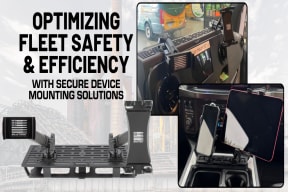

Driver Retention: Motive Automates Driver Coaching & Driver Rewards
New automated rewards and recognition capabilities from Motive can help organizations engage drivers, reinforce positive behavior, and reduce turnover. AI Coach has also been updated to deliver personalized feedback across safety, fuel, and compliance.
Read More →
Experts Forecast Broader Impact of Wildfires in 2026
This year’s wildfire season will likely be more intense than in 2025. The 2026 wildfire forecast from AccuWeather is for fewer fires, but even more acreage will be impacted this year.
Read More →
A Walkthrough of the DataQs Process
Bad data on your carrier record can cost you. Here’s how DataQs helps fleets challenge errors before they hit CSA scores, insurance, and your bottom line.
Read More →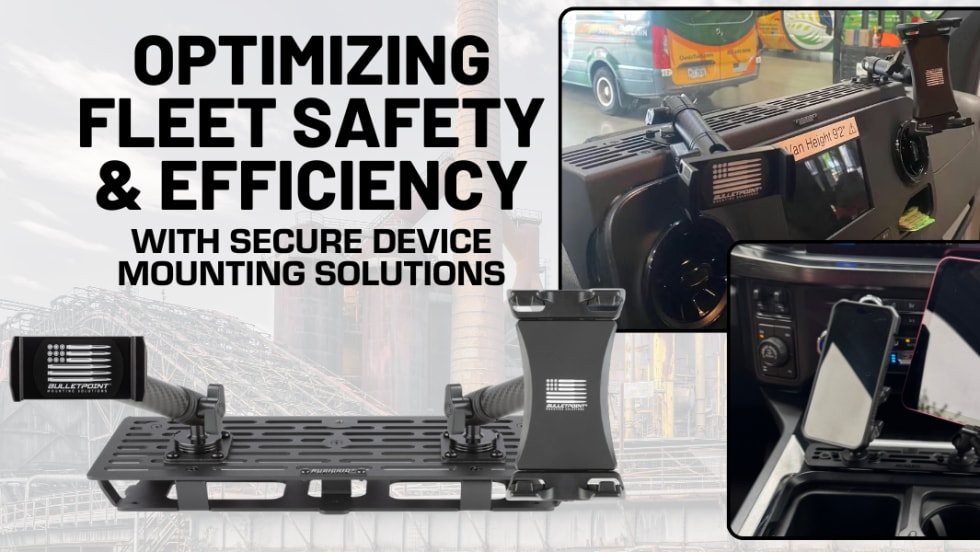
Sponsored•May 26, 2026
Optimizing Fleet Safety with Secure Device Integration
Unsecured devices are a hidden liability. Learn how precision-engineered mounting solutions enhance driver safety, streamline workflows and protect your technology.
Read More →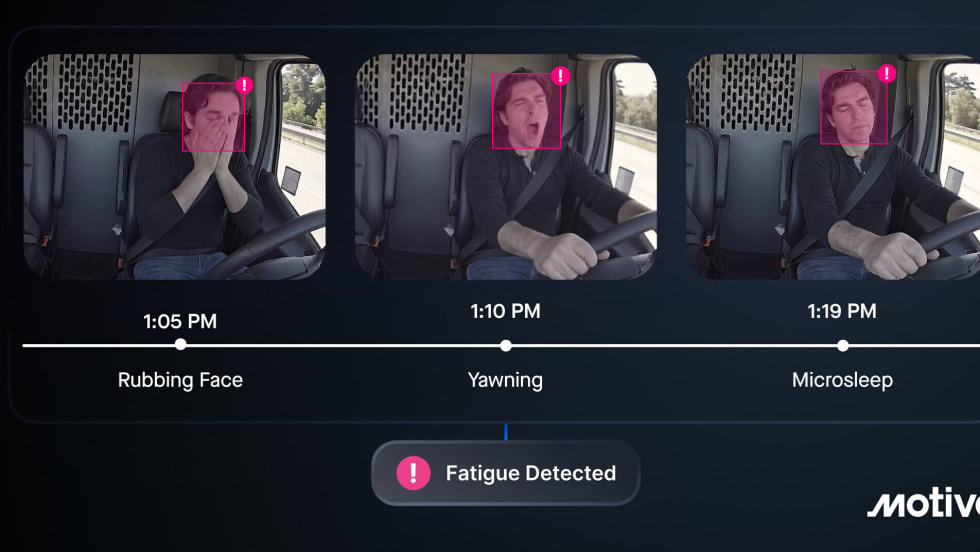
Motive Launches New Edge AI Capabilities to Help Prevent Collisions and Capture Critical Incidents in Real-Time
New AI models from Motive can detect signs of fatigue and eating, plus capture low-severity collisions often missed by telematics.
Read More →
Pro-Vision Acquires Convoy Technologies to Expand Fleet Safety and Video Solutions
Pro-Vision has acquired Convoy Technologies in a deal it said will broaden customer relationships and add specialized vehicle video capabilities for commercial fleets.
Read More →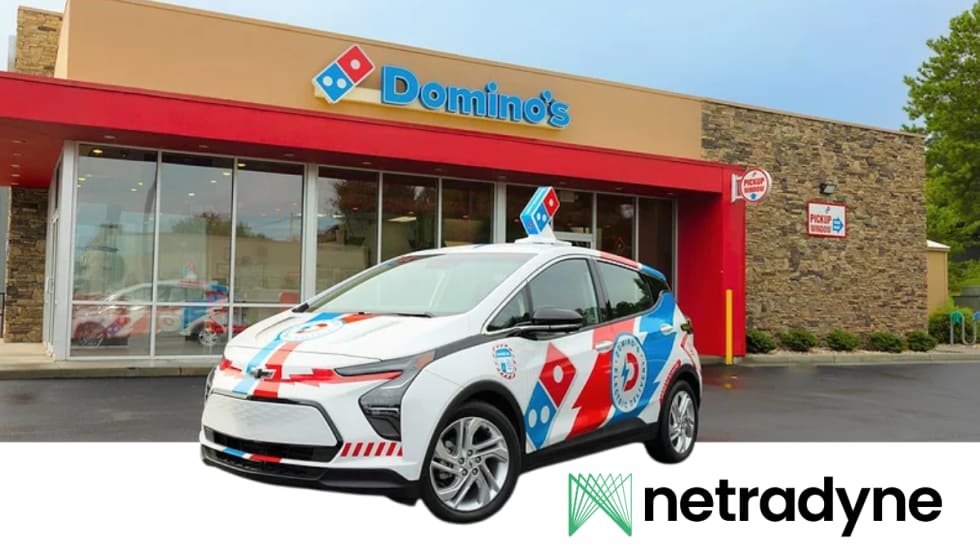
Netradyne Delivers 66% Reduction in At-Fault Crashes Across Domino's Franchise Network
Five Domino's franchises and more than 1,000 vehicles are now running on Netradyne's AI-powered fleet safety and performance platform. Designed for fleets that use personal or non-owned vehicles, FlexMount allows drivers to quickly install and remove Driver-i.
Read More →