




Top 10 Steps to Developing Better Chassis Specifications
The ultimate goal in chassis specification is a vehicle that’s right for its intended application. An orderly approach to the process begins with identifying upfitting requirements, performance criteria, and design constraints.
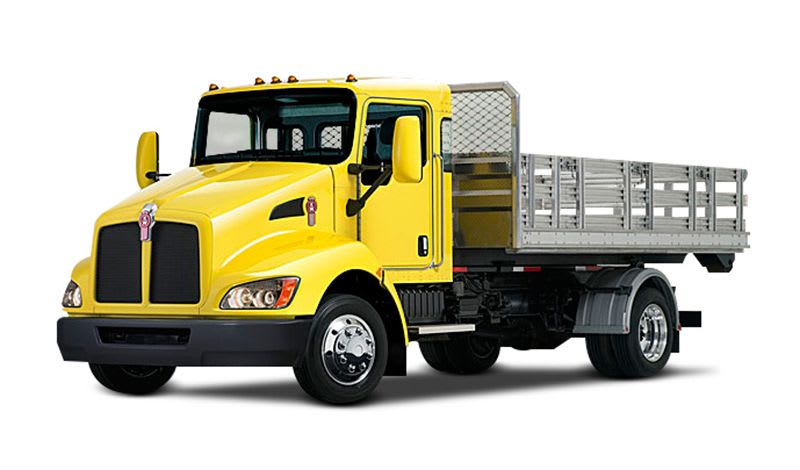
There is an orderly procedure that should be followed to identify chassis requirements.
Photo courtesy of Palmer Trucks
When spec'ing the chassis for a vocational vehicle, the ultimate objective should be to ensure that the completed vehicle is optimized for its intended application. This process results in a safer, more productive vehicle while minimizing the overall lifecycle cost of ownership.
Far too often, fleets select a chassis for a given application based on intuitive factors, including past experience, recommendations from others, or just a guess as to the size or kind of chassis required. There is, however, an orderly procedure that should be followed to identify chassis requirements.
While a comprehensive explanation of chassis spec’ing can take several hours, the procedure outlined here describes the basic elements. One caveat before outlining this procedure, however. Fleets must look at their specific vehicle applications in relation to a particular specification. For example, spec’ing a dump truck that carries abrasive or caustic material must consider that material’s effect on the truck body.
How to Identify Key Factors
To properly spec a chassis, several key factors must be identified first:
Second-unit (upfitting) requirements.
Completed vehicle performance criteria.
Regulatory and other design constraints.
These requirements will ultimately determine the final design of the completed vehicle; therefore, they should drive the chassis specification process. Once the initial factors are pinpointed, the overall design and specification process can be broken down into 10 discrete steps. Following this process helps ensure the completed vehicle is right for the desired application.
The 10 steps listed here include examples of the types of information required for each step.
Step 1: Identify Basic Application Requirements
What will the vehicle be used for?
What are the performance requirements for the second unit?
What is the application’s projected duration?
What type of second-unit body and/or special equipment is desired?
Step 2: Determine Applicable Design Constraints
Dimensional limits (width, height, length, weight).
Operational restrictions.
Regulatory issues.
Contractual requirements.
Financial constraints.
Step 3: Determine Net Payload Requirements.
Payload weight.
Payload volume.
Dimensional requirements (size of transported materials).
At this point, stop and determine if any factors identified to this point are mutually exclusive. For example, if the completed vehicle cannot exceed 26,000 lbs. total weight and the required payload is 24,000 lbs., a conflict most likely will arise. If a conflict is identified, start over and revise the requirements as necessary. Otherwise, proceed to the next step.
Step 4: Identify Primary Special Equipment/Second-Unit Requirements
Size of special equipment and/or second unit to be upfitted to the chassis.
Weight of upfitting components.
Cargo storage and security requirements.
Component installation requirements (chassis frame requirements, clear cab-to-axle distance, exhaust system location restrictions, etc.).
Operational requirements (equipment power sources and access requirements, etc.).
Step 5: Identify Secondary Special Equipment/BodyRequirements
Size of accessory items.
Weight.
Installation requirements.
Step 6: Determine Gross Payload Requirements
Net payload.
Second unit weight.
Special equipment weight.
Trailer towing loads (tongue weight/total weights).
Crew weight.
Fuel requirements (weight).
Operational requirements.
At this point, stop again and ensure that no mutually exclusive requirements have been identified for the completed vehicle. If so, they must be addressed before continuing.
Step 7: Identify Vehicle Operating Conditions and Environment
Duty cycle – percentage on/off road; operational cycle (desired cycle times, daily hours of operations, etc.).
Loading cycle – static or dynamic loading (impacts selection of suspension components).
Climate / weather.
Terrain.
Maintenance considerations, including existing vehicle maintenance histories.
Step 8: Determine Desired Vehicle Performance Requirements
Starting gradability, on/off road.
Maximum gradability.
Reserve gradability.
Maximum road speed.
Braking requirements.
Step 9: Preliminary Chassis Design
Availability of appropriate chassis: GVWR/GCWR, frame, dimensions, and powertrain options.
Completed unit’s estimated weight.
Using the rough data from the preliminary chassis selection, make a final determination that the completed vehicle will meet all previously identified criteria.
Step 10: Final Chassis Specification
Spec the chassis, ensuring that all critical design factors have been addressed, including:
Gross axle weight loadings do not exceed GAWRs (including trailer loadings).
Gross vehicle weight does not exceed GVWR (including trailer loadings).
Gross combined weight does not exceed GCWR (with the heaviest trailer).
Frame selection meets or exceeds chassis OEM and equipment requirements.
Suspension is matched to other requirements.
Powertrain provides desired performance (engine, transmission, and final drives).
Support systems, such as electrical, cooling, etc., meet or exceed identified requirements.
Auxiliary equipment requirements are addressed (PTO provisions, exhaust system routings, etc.).
Other non-functional considerations:
Employee retention / productivity issues (comfort and convenience).
Resale value. Return on items added for resale value should cover carrying cost for life of the unit.
Driver/operator skills.
More Operations
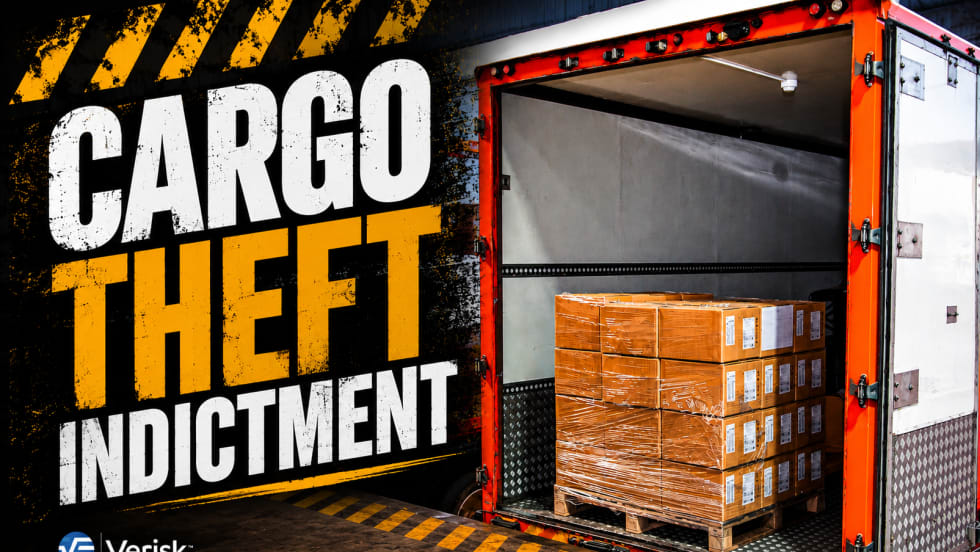
Verisk CargoNet Assists in Manhattan Cargo Theft Indictment Targeting Multi-State Impersonation Ring
Verisk CargoNet assisted law enforcement efforts tied to an indictment related to an organized, multi-state cargo theft operation that allegedly took nearly $5 million in stolen goods through impersonation tactics.
Read More →
What Does a Potato Have to Do with Leadership?
From simple process improvements and creative problem-solving to the little moments that strengthen team culture, this conversation dives into the power of unexpected ideas and why innovation doesn't always arrive wrapped in new technology or a major initiative.
Read More →
Looking for a New Podcast for the Road? Start Here!
Looking for a new podcast? Truck Chat delivers fleet leadership insights, industry deep dives, AI discussions, innovations, and real-world stories.
Read More →
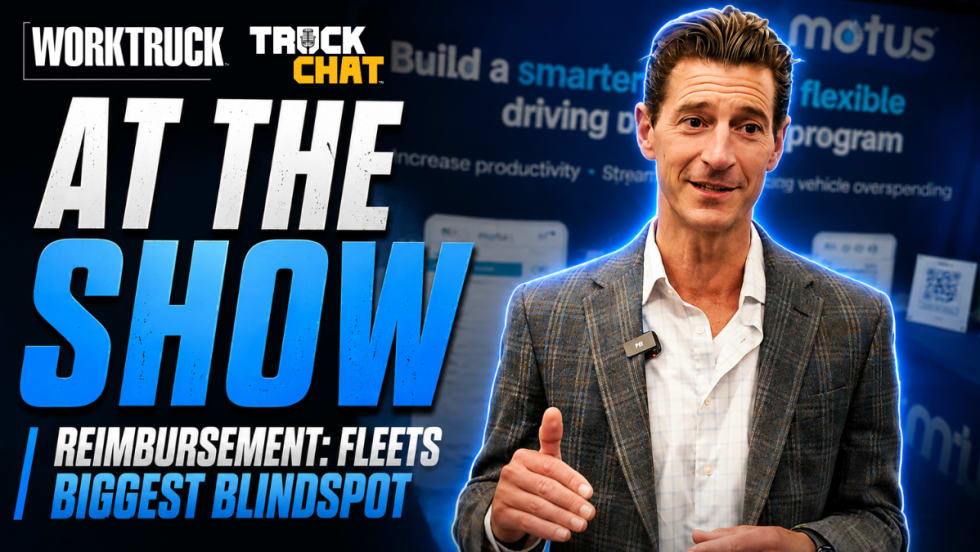
Did You Know What You Don't See May Be Costing You Big?
As more employees choose personal vehicles (including hybrids and EVs) for business use, companies face new challenges around visibility, insurance, liability, and cost control.
Read More →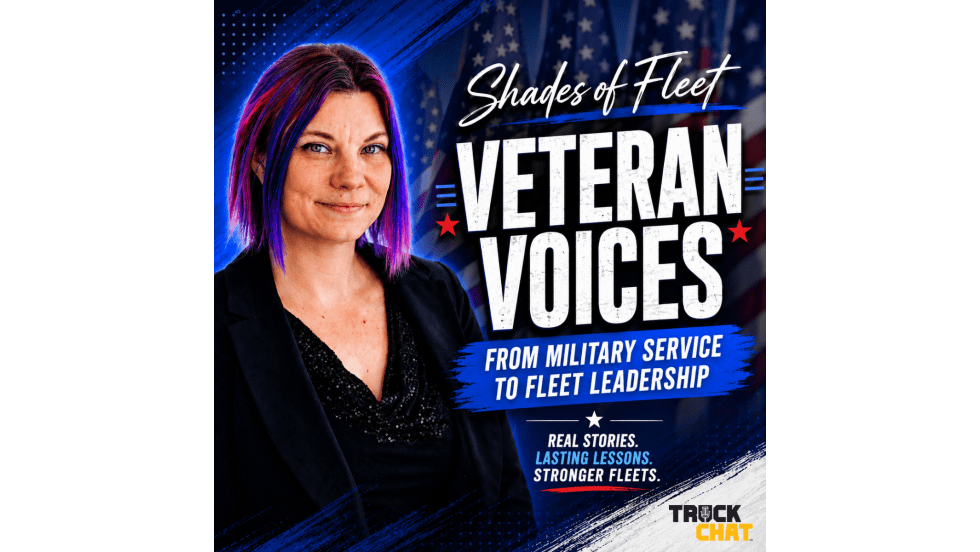
Veteran Voices in Fleet | How Military Service Shapes Fleet Leaders
Across every perspective, one message is clear: the experiences gained through military service continue to influence how veterans contribute to the fleet industry every day.
Read More →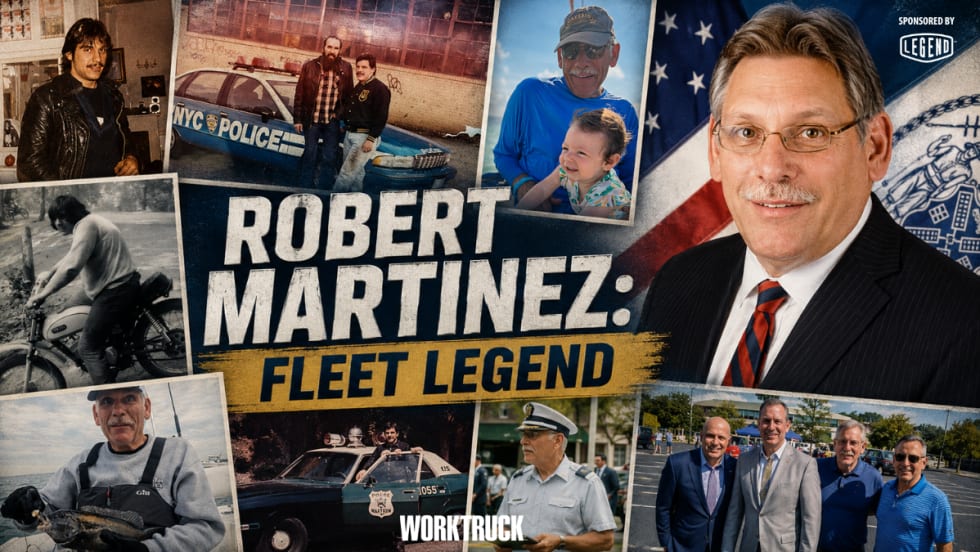
The Fleet Lessons That Don’t Show Up on a Spreadsheet
From index cards to predictive maintenance, Robert Martinez shares the hard-earned leadership lessons that shaped nearly 40 years in fleet.
Read More →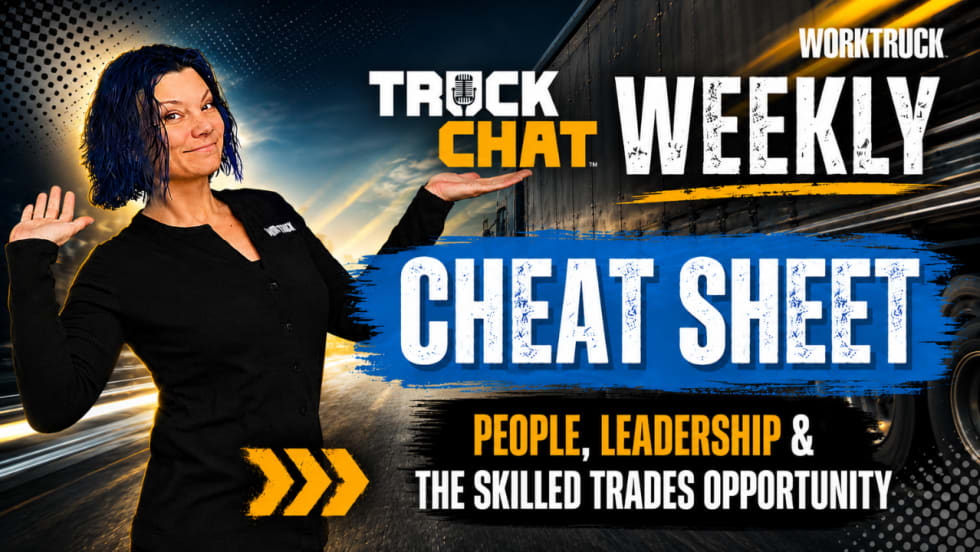
People, Leadership & the Skilled Trades Opportunity | Weekly Cheat Sheet
People, data, leadership, and the skilled trades opportunity. See what's shaping fleets today in this week's Truck Chat Weekly Cheat Sheet.
Read More →
Everyone Thinks They’re a Fleet Manager
From oil changes to procurement decisions, fleet work is often underestimated by the very people who depend on it most. Bob Stanton makes the case for why communication, not just technical expertise, is one of the most important leadership skills in fleet.
Read More →
Turning Connected Vehicle Data Into Decisions That Matter
Fleet leaders have more data than ever, but turning that data into clear, actionable decisions remains a challenge. This white paper shows how leading organizations are using connected vehicle data to improve safety, reduce costs, and optimize fleet performance. Learn how to turn insight into action across your fleet.
Read More →
From Military Service to Fleet Leadership | Shades of Fleet
Military service ends, but the lessons don't. Hear how veterans are shaping fleet leadership through adaptability, teamwork, and mission-driven thinking.
Read More →